





Enter your VAT number here and click Verify:
Your details have been verified. VAT number registered to:
,
.
Your order will now be zero rated for VAT purposes. We reserve the right to verify these details after your order request has been made and reinstate VAT if required.
Your VAT details were not recognised or were invalid. Your VAT number must be matched to your Billing Country as specified above. This is currently specified as . You do not need to enter the country code part of your VAT number as this has already been selected in your billing address details above.
The VAT number checking service is currently offline. Please supply your VAT details within the comments or special instructions field below and we will apply a VAT discount after placing your order request.

Your Porsche
Porsche

Porsche for Porsche
Porsche genuine parts and lifestyle products for Porsche models from Design911
A Quick Look at Porsche
Porsche information on this page is based on details supplied by the manufacturer or distributor, plus any OE references provided with the parts.
Choosing the Right Fit for Your Porsche
Where Porsche is listed for Porsche, use the supplied model coverage and OE references to confirm suitability. Check details that commonly affect fitment such as model year, side/position, and connector type where relevant.
- Typical reasons people replace these parts include maintaining originality, keeping factory specification, and choosing the latest genuine revisions for peace of mind.
- Common real-world issues behind many Porsche repairs are age and mileage: oil leaks, cooling system fatigue, brake and suspension wear, corrosion and electrical faults from moisture or heat cycling.
- Before ordering, confirm part numbers against VIN or option/PR codes, especially for safety‑critical or complex components.
- When upgrading, decide whether you want pure originality or performance changes, as some aftermarket options may suit specific goals better than genuine.
- For bigger jobs, replace related seals, hardware and consumables at the same time to avoid repeat labour and compatibility issues.
- Where available, follow the manufacturer’s fitting and bedding‑in guidance to get the best performance and longevity.
Browse by Category
If you already know the area you are working on, start with the category and then filter by Porsche model. Where real-world symptoms and typical reasons to replace are provided, use them to keep the wording grounded.
Brakes — Brake components are renewed to restore stopping performance, address wear or upgrade a Porsche for fast road or track use. Common symptoms include: Common symptoms include vibration under braking, increased stopping distances, squealing, pulling to one side, warning lights and visible wear to discs and pads.
- Check whether the parts are OE-equivalent replacements or performance upgrades and match this to how the Porsche is used.
- Follow any recommended bedding-in procedure and consider replacing discs, pads, sensors and fitting hardware together where advised.
Clothing & Gifts — Porsche-themed clothing and gifts let owners and enthusiasts show their passion off the road, or make ideal presents for fans of the marque. Common symptoms include: Items may become worn, faded, damaged or go out of style, prompting replacement with newer designs.
- Review available size, colour and material details to help choose the right item and ensure it matches how it will be used.
- Check any care or washing guidance so garments and accessories keep their appearance for longer.
Lifestyle — To explore different Porsche-inspired lifestyle products or gift ideas. Common symptoms include: General wear from handling or display.
- Confirm whether items are official Porsche lifestyle products or from trusted partner brands where stated.
- Consider who the item is for and how it will be used day to day to select the most suitable style or product type.
Keyring — To choose a different design, material or model theme. Common symptoms include: Scratches, worn finishes or loose fittings.
- Keyrings make simple, practical Porsche-themed gifts and can be matched to specific models or heritage designs where available.
- If a keyring shows damage or looseness, replace it to avoid losing keys or further wear to finishes.
Size chart — The size chart acts as a practical reference tool for all apparel purchases. Common symptoms include:
Explore Porsche at Design911
View the current Porsche range for Porsche at Design911, then filter by model and category to narrow down to the right parts.


Maintain reliable engine cooling and correct coolant management with this Porsche Coolant Expansion Tank, part number 95B121407A, designed for compatible Left-Hand Drive (LHD) Porsche applications.
Fits:
- Porsche 95B.2 Macan Petrol 2.0L (245Bhp) 2019-21
- Porsche 95B.2 Macan S Petrol 3.0L V6 (354Bhp) 2019-21
- Porsche 95B.2 Macan GTS Petrol 2.9L V6 (380Bhp) 2019-21
- Porsche 95B.2 Macan Turbo 2.9L V6 (440Bhp) 2019-21
Diagram Ref No 1
The coolant expansion tank, also known as the coolant reservoir or header tank, forms an important part of the engine cooling system. As engine temperature rises, coolant expands and system pressure increases. The expansion tank provides the necessary space for this change in coolant volume while helping the cooling system maintain the correct operating level and pressure.
As the engine cools, coolant contracts and is drawn back through the system. This continuous expansion and contraction means the tank is repeatedly exposed to high temperatures, pressure and thermal cycling.
Over time, plastic expansion tanks can become brittle, discoloured or cracked. Seams, hose connections and mounting areas may also deteriorate, eventually allowing coolant to escape. A leaking tank can lead to gradual coolant loss and, if ignored, potentially result in engine overheating.
Replacing a deteriorated tank with the correct Porsche Coolant Expansion Tank 95B121407A helps restore a sealed, reliable cooling system and correct coolant capacity.
What This Product Does:
- Stores the cooling system's reserve coolant.
- Provides space for coolant expansion as engine temperature increases.
- Helps accommodate changes in coolant volume during heating and cooling.
- Supports correct cooling-system pressure management.
- Provides a convenient point for checking coolant level.
- Helps ensure coolant remains available to the cooling circuit.
- Works with the expansion tank cap and associated hoses.
- Helps prevent coolant loss when the system is operating correctly.
- Supports consistent engine temperature management.
- Replaces a cracked, leaking or deteriorated coolant reservoir.
- Restores the integrity of the cooling system when tank failure is the cause.
- Is specified for compatible LHD Porsche applications.
Symptoms Of Wear Or Failure:
- Visible coolant leakage around the tank.
- Coolant collecting underneath the vehicle.
- Repeatedly falling coolant level.
- Low coolant warning messages.
- Cracks in the plastic tank.
- Leakage from tank seams.
- Leakage around hose connections.
- Coolant residue or dried deposits around the tank.
- Sweet coolant smell from the engine compartment.
- Tank becoming heavily discoloured or brittle.
- Damage around mounting points.
- Coolant escaping when the system reaches operating temperature.
- Frequent need to top up coolant.
- Engine temperature running higher than normal.
- Cooling system unable to maintain pressure.
- Steam or coolant vapour from the engine compartment in severe cases.
Why Replacement Matters:
- The expansion tank must remain sealed and structurally sound because it operates as part of a hot, pressurised cooling system.
- A small crack may initially produce only a minor leak when the engine is hot. However, repeated heating and cooling can cause cracks to grow, increasing coolant loss over time.
- Insufficient coolant reduces the cooling system's ability to transfer heat away from the engine. Coolant loss can also introduce air into the system, potentially causing poor circulation, temperature fluctuations and localised overheating.
- If coolant loss becomes severe, the engine can overheat. Continued operation under overheating conditions can result in expensive damage to gaskets, seals and major internal engine components.
- A leaking tank can also prevent the cooling system from maintaining its intended pressure. Correct system pressure is important because it helps control the coolant's boiling characteristics at normal operating temperatures.
- Replacing a cracked or deteriorated reservoir with the correct Porsche Coolant Expansion Tank 95B121407A helps restore cooling-system integrity, maintain the correct coolant level and reduce the risk of overheating caused by coolant loss.
Related reference numbers
Related, superseded, cross reference or alternative numbers for comparison.
95B121407A
The product you are viewing cross references to these numbers
- Porsche 95B.2 Macan Petrol 2.0L (245Bhp) 2019-21
- Porsche 95B.2 Macan S Petrol 3.0L V6 (354Bhp) 2019-21
- Porsche 95B.2 Macan GTS Petrol 2.9L V6 (380Bhp) 2019-21
- Porsche 95B.2 Macan Turbo 2.9L V6 (440Bhp) 2019-21
 Shop Securely
 12 Month Warranty
 Worldwide Delivery
.jpg?width=200&height=150&format=webp&quality=65&iv=rendition-2 "Front Track Control Arm. Porsche 9J1.1 Taycan 2020-24 - PAD407151A, PAD407152A, 9J1407151E, 9J1407152E")
Restore precise front suspension geometry, predictable handling and accurate wheel control with these Porsche Front Track Control Arms, part numbers PAD407151A and PAD407152A. Designed for compatible Porsche applications, the track control arm is a key suspension component that connects the wheel carrier/hub assembly to the vehicle's suspension structure and helps control wheel movement as the vehicle accelerates, brakes and corners.
Fits:
- Porsche 9J1.1 Taycan 2020-24
- Porsche 9J1.1 Taycan Sport Turismo 2020-24
- Porsche 9J1.1 Taycan 4 Cross Turismo 2020-24
- Porsche 9J1.1 Taycan 4S 2020-24
- Porsche 9J1.1 Taycan 4S Cross Turismo 2020-24
- Porsche 9J1.1 Taycan 4S Sport Turismo 2020-24
- Porsche 9J1.1 Taycan GTS 2020-24
- Porsche 9J1.1 Taycan GTS Sport Turismo 2020-24
- Porsche 9J1.1 Taycan Turbo 2020-24
- Porsche 9J1.1 Taycan Turbo Cross Turismo 2020-24
- Porsche 9J1.1 Taycan Turbo Sport Turismo 2020-24
- Porsche 9J1.1 Taycan Turbo S 2020-24
- Porsche 9J1.1 Taycan Turbo S Cross Turismo 2020-24
- Porsche 9J1.1 Taycan Turbo S Sport Turismo 2020-24
1X1 - Four-Wheel Drive
Diagram Ref No 1
The control arm works together with its bushes, joints and surrounding suspension components to maintain the intended position of the front wheel throughout suspension travel. This is essential for maintaining correct steering response, wheel alignment, tyre contact and overall vehicle stability.
Control arms are subjected to constant loads from road surfaces, braking forces and cornering. Over time, their bushes or joints can wear, while the arm itself may be damaged by impacts, corrosion or accident damage. Wear can allow unwanted wheel movement, adversely affecting steering precision, alignment and tyre wear.
Replacing worn or damaged components with the correct Porsche Front Track Control Arms PAD407151A / PAD407152A helps restore the suspension geometry and controlled front axle behaviour intended for the vehicle.
What This Product Does:
- Locates and controls the front wheel within the suspension geometry.
- Connects the relevant wheel carrier to the suspension/chassis structure.
- Controls wheel movement during suspension travel.
- Helps maintain correct front wheel alignment.
- Supports accurate steering response.
- Helps maintain stable handling during cornering.
- Controls unwanted wheel movement during braking and acceleration.
- Helps keep the tyre correctly positioned against the road.
- Works with other suspension links, bushes and joints.
- Contributes to predictable front axle behaviour.
- Supports even and consistent tyre contact.
- Replaces a worn, bent or damaged original suspension arm.
- Helps restore factory-intended suspension performance.
Symptoms Of Wear Or Failure:
- Knocking or clunking from the front suspension.
- Rattling noises when driving over uneven surfaces.
- Steering that feels loose or imprecise.
- Vehicle wandering or requiring frequent steering correction.
- Reduced steering response. Unstable handling during cornering.
- Steering wheel vibration. Vibration or movement under braking.
- Vehicle pulling to one side. Difficulty maintaining correct wheel alignment.
- Uneven or accelerated front tyre wear.
- Excessive movement in a control arm bush or joint.
- Cracked, split or deteriorated suspension bushes.
- Visible bending or deformation of the control arm.
- Damage following a kerb, pothole or accident impact.
- Abnormal tyre movement identified during suspension inspection.
Why Replacement Matters:
- The front track control arm has a direct influence on suspension geometry and wheel location. Even relatively small amounts of wear in a bush or joint can allow the wheel to move away from its intended position as forces are applied.
- This unwanted movement can affect steering precision, braking stability and cornering behaviour. The vehicle may feel less predictable, particularly when travelling over uneven surfaces or changing direction quickly.
- Control arm wear can also prevent wheel alignment settings from remaining consistent. Although the vehicle may be aligned correctly while stationary, excessive movement within worn suspension components can cause geometry to change dynamically while driving.
- Incorrect or unstable geometry can accelerate tyre wear, potentially damaging otherwise serviceable tyres and reducing the quality of their contact with the road.
- A bent arm caused by pothole, kerb or collision damage can create similar problems. If the suspension cannot be aligned within specification, the control arm and surrounding components should be checked carefully for deformation.
- Replacing worn or damaged components with the correct Porsche Front Track Control Arms PAD407151A / PAD407152A helps restore accurate wheel location, predictable steering and stable suspension behaviour.
Related reference numbers
Related, superseded, cross reference or alternative numbers for comparison.
PAD40715
The product you are viewing cross references to these numbers

- Porsche 9J1.1 Taycan 2020-24
- Porsche 9J1.1 Taycan Sport Turismo 2020-24
- Porsche 9J1.1 Taycan 4 Cross Turismo 2020-24
- Porsche 9J1.1 Taycan 4S 2020-24
- Porsche 9J1.1 Taycan 4S Cross Turismo 2020-24
- Porsche 9J1.1 Taycan 4S Sport Turismo 2020-24
- Porsche 9J1.1 Taycan GTS 2020-24
- Porsche 9J1.1 Taycan GTS Sport Turismo 2020-24
- Porsche 9J1.1 Taycan Turbo 2020-24
- Porsche 9J1.1 Taycan Turbo Cross Turismo 2020-24
- Porsche 9J1.1 Taycan Turbo Sport Turismo 2020-24
- Porsche 9J1.1 Taycan Turbo S 2020-24
- Porsche 9J1.1 Taycan Turbo S Cross Turismo 2020-24
- Porsche 9J1.1 Taycan Turbo S Sport Turismo 2020-24
Shop Securely
12 Month Warranty
Worldwide Delivery

Maintain accurate emissions monitoring and dependable catalytic converter diagnostics with this Porsche Lambda Oxygen Sensor, part number 958906262AB. Designed for compatible Porsche applications, this sensor is specified for the cylinders 1–3 exhaust bank and is positioned AFTER the catalytic converter.
Fits:
- Porsche 958 Cayenne V6 3.6L Petrol (300Hp) 2010-17
Cars With Option Codes:
7GB - Emission Standard ULEV 2
Diagram Ref No 32
Also known as a downstream, post-cat or O2 sensor, this lambda sensor measures the oxygen content of the exhaust gases after they have passed through the catalytic converter. The information is sent to the engine control unit (ECU), allowing it to monitor the performance and efficiency of the catalyst.
Unlike the lambda sensor positioned before the catalytic converter, which has a primary role in air-fuel mixture control, the downstream sensor is principally used to monitor catalytic converter operation and emissions-system performance.
The ECU can compare signals from the upstream and downstream oxygen sensors to determine whether the catalytic converter is processing exhaust gases as expected. An accurate downstream signal is therefore important for reliable onboard emissions diagnostics.
Continuous exposure to exhaust heat, vibration, moisture and combustion deposits can eventually cause the sensor to become slow, inaccurate or electrically faulty. Replacing a defective unit with the correct Porsche Lambda Oxygen Sensor 958906262AB helps restore accurate post-catalyst monitoring.
What This Product Does:
- Is specified for the cylinders 1–3 exhaust bank.
- Is positioned AFTER the catalytic converter.
- Measures oxygen content in exhaust gases leaving the catalyst.
- Sends post-catalyst oxygen information to the ECU.
- Helps monitor catalytic converter efficiency.
- Works in conjunction with the upstream lambda sensor.
- Supports onboard emissions-system diagnostics.
- Helps the ECU identify abnormal catalyst performance.
- Provides feedback used to monitor the emissions-control system.
- Helps identify genuine catalytic converter deterioration.
- Replaces a slow, contaminated, damaged or failed downstream sensor.
- Maintains the intended Porsche engine-management and emissions monitoring functions.
Symptoms Of Wear Or Failure:
- Check engine or engine-management warning light.
- Downstream oxygen sensor-related diagnostic fault codes.
- Cylinders 1–3 bank sensor faults.
- Post-catalytic converter sensor fault codes.
- Catalyst-efficiency-related diagnostic codes.
- Intermittent engine-management warnings.
- Implausible or inconsistent oxygen sensor readings.
- Slow sensor response during diagnostic testing.
- Sensor output stuck at an abnormal value.
- Oxygen sensor heater circuit faults.
- Failed emissions testing where applicable.
- Damaged sensor wiring or insulation.
- Corroded or damaged electrical connectors.
- Physical sensor damage from heat, corrosion or road debris.
Why Replacement Matters:
- The downstream lambda sensor is an important part of the vehicle's emissions monitoring and onboard diagnostic system. It allows the ECU to assess how effectively the catalytic converter is treating the exhaust gases.
- If the sensor becomes slow or inaccurate, the ECU may receive misleading information about catalytic converter performance. This can trigger persistent engine-management warnings or catalyst-efficiency fault codes even when the catalyst itself is functioning correctly.
- A failed sensor heater circuit can also prevent the sensor from reaching its intended operating temperature efficiently, potentially interfering with emissions monitoring and generating additional diagnostic faults.
- Accurate downstream sensor operation is also valuable when diagnosing a genuinely deteriorated catalytic converter. Without a reliable sensor signal, distinguishing between a sensor problem and catalyst failure becomes more difficult.
- Replacing a confirmed defective sensor can therefore help avoid unnecessary replacement of significantly more expensive exhaust components.
- Replacing a faulty unit with the correct Porsche Lambda Oxygen Sensor 958906262AB helps restore accurate monitoring of the cylinders 1–3 catalyst, dependable emissions diagnostics and correct engine-management operation.
Related reference numbers
Related, superseded, cross reference or alternative numbers for comparison.
958906262AB
The product you are viewing cross references to these numbers
- Porsche 958 Cayenne S V6 3.6L (400Hp) Petrol 2010-17
Shop Securely
12 Month Warranty
Worldwide Delivery

Maintain accurate air-fuel mixture monitoring, efficient combustion and dependable engine-management performance with this Porsche Lambda Oxygen Sensor, part numbers 958906262C and 958906262B. Designed for compatible Porsche applications, this sensor is positioned BEFORE the catalytic converter, where it monitors oxygen levels in the exhaust gases immediately after combustion.
Fits:
- Porsche 955 Cayenne 3.2L V6 2004-06
Diagram Ref No 26 And 27
Also known as an upstream, pre-cat or O2 sensor, the lambda sensor provides critical feedback to the engine control unit (ECU). By measuring residual oxygen in the exhaust stream, it enables the ECU to determine whether the engine is operating with a rich or lean air-fuel mixture and make continuous adjustments to fuel delivery.
Because this sensor is positioned upstream of the catalyst, it plays an important role in closed-loop fuel control. Accurate readings help maintain the correct air-fuel mixture for engine performance, fuel efficiency and emissions control.
Lambda sensors operate in an extremely demanding environment and are continuously exposed to high exhaust temperatures, vibration and combustion deposits. Over time, the sensing element can become contaminated or slow to respond, while the internal heater circuit, wiring or electrical connections may also deteriorate.
Replacing a faulty unit with the correct Porsche Lambda Oxygen Sensor 958906262C / 958906262B helps restore accurate exhaust monitoring and proper engine-management operation.
What This Product Does:
- Is designed for installation BEFORE the catalytic converter.
- Measures oxygen content within the exhaust gases.
- Sends exhaust oxygen information to the ECU.
- Helps determine whether the engine is running rich or lean.
- Allows the ECU to continually adjust fuel delivery.
- Supports accurate closed-loop air-fuel mixture control.
- Helps maintain efficient combustion.
- Supports smooth and responsive engine performance.
- Helps optimise fuel consumption.
- Contributes to correct exhaust emissions.
- Helps the ECU adapt fuelling to changing operating conditions.
- Helps protect the catalytic converter from problems associated with incorrect fuelling.
- Replaces a worn, contaminated, slow or failed lambda sensor.
Symptoms Of Wear Or Failure:
- Check engine or engine-management warning light.
- Lambda or oxygen sensor-related diagnostic fault codes.
- Rich or lean mixture fault codes. Increased fuel consumption.
- Rough or unstable idle. Hesitation during acceleration.
- Poor throttle response. Reduced engine performance.
- Engine running excessively rich or lean.
- Strong fuel smell from the exhaust.
- Increased exhaust emissions.
- Failed emissions testing where applicable.
- Intermittent engine-management warnings.
- Slow lambda sensor response during diagnostic testing.
- Implausible or inconsistent oxygen sensor readings.
- Sensor heater circuit-related faults.
- Damaged sensor wiring or electrical connectors.
Why Replacement Matters:
- The lambda sensor positioned before the catalytic converter is a key component of the engine's fuel-management system. The ECU relies on its signal to continually fine-tune fuel delivery according to actual combustion conditions.
- As a lambda sensor ages, its response can become progressively slower or less accurate without immediately failing completely. This can cause less precise fuel corrections and may contribute to increased fuel consumption, reduced performance, unstable running and higher emissions.
- Incorrect fuelling can also affect the catalytic converter. An excessively rich mixture may allow unburned fuel to enter the exhaust, increasing catalyst temperatures and potentially shortening catalytic converter service life.
- A failed sensor can cause the ECU to use substitute values or an alternative operating strategy. Although the engine may continue to run, overall efficiency, performance and emissions can be compromised.
- A malfunctioning lambda sensor can also trigger persistent engine-management warnings and make diagnosis of other fuel or emissions-related problems more difficult.
- Replacing a defective sensor with the correct Porsche Lambda Oxygen Sensor 958906262C / 958906262B helps restore accurate mixture feedback, efficient combustion and dependable engine-management performance.
Related reference numbers
Related, superseded, cross reference or alternative numbers for comparison.
958906262
The product you are viewing cross references to these numbers
- Porsche 955 Cayenne 3.2L V6 2003-06
Shop Securely
12 Month Warranty
Worldwide Delivery

Maintain accurate turbocharger boost monitoring and dependable engine-management performance with this Porsche Boost Pressure Sensor. Designed for compatible Porsche applications, the sensor measures pressure within the engine's intake/boost system and provides this information to the engine control unit (ECU).
Fits:
- Porsche Boxster GTS 718 4.0L Manual (400 Bhp) 01/2019>>
- Porsche Boxster GTS 718 4.0L PDK (400 Bhp) 01/2019>>
- Porsche Boxster 25 Years 718 4.0L Manual (400 Bhp) 01/2020>>
- Porsche Boxster 25 Years 718 4.0L PDK (400 Bhp) 01/2020>>
- Porsche 991.2 GT2 RS 3.8L PDK (700 bhp) 2018-19
- Porsche 992.1 Carrera 2 3.0L 2019-24
- Porsche 992.1 Carrera 4 3.0L 2019-24
- Porsche 992.1 Carrera 2 Cabriolet 3.0L 2019-24
- Porsche 992.1 Carrera 4 Cabriolet 3.0L 2019-24
- Porsche 992.1 Carrera 2S / GTS 3.0L 2019-24
- Porsche 992.1 Carrera 4S / GTS 3.0L 2019-24
- Porsche 992.1 Carrera 2S / GTS Cabriolet 3.0L 2019-24
- Porsche 992.1 Carrera 4S / GTS Cabriolet 3.0L 2019-24
- Porsche 992.1 Targa 4 3.0L 2020-24
- Porsche 992.1 Targa 4S / GTS 3.0L 2020-24
- Porsche Cayman 718 2.0L Manual (300 Bhp)
- Porsche Cayman 718 2.0L PDK (300 Bhp)
- Porsche Cayman S 718 2.5L Manual (350 Bhp)
- Porsche Cayman S 718 2.5L PDK (350 Bhp)
- Porsche Cayman T 718 2.0L Manual (300 Bhp)
- Porsche Cayman T 718 2.0L PDK (300 Bhp)
- Porsche Cayman GTS 718 2.5L Manual (365 Bhp)
- Porsche Cayman GTS 718 2.5L PDK (365 Bhp)
- Porsche 958 Cayenne V6 3.6L Petrol (300Hp) 2010-17
- Porsche 9YA Cayenne V6 3.0L Petrol (340Hp) 2018-23
- Porsche 9YA Cayenne Coupe V6 3.0L Petrol (340Hp) 2019-23
- Porsche 9YA Cayenne S V6 2.9L Petrol (440Hp) 2018-23
- Porsche 9YA Cayenne Coupe S V6 2.9L Petrol (440Hp) 2019-23
- Porsche 9YA Cayenne GTS V8 4.0L Petrol (460Hp) 2020-23
- Porsche 9YA Cayenne Coupe GTS V8 4.0L Petrol (460Hp) 2021-23
- Porsche 9YA Cayenne Turbo V8 4.0L Petrol (550Hp) 2020-23
- Porsche 9YA Cayenne Coupe Turbo V8 4.0L Petrol (550Hp) 2019-23
- Porsche 970.1 Panamera Diesel V6 3.0L 2011-13
- Porsche 970.2 Panamera Diesel V6 3.0L (250Hp) 2014-16
- Porsche 971.1 Panamera V6 3.0L 2WD (330 Hp) 2017-20
- Porsche 971.1 Panamera 4 V6 3.0L 4WD (330 Hp) 2017-20
- Porsche 971.1 Panamera 4 V6 3.0L 4WD Executive 2017-20
- Porsche 971.1 Panamera 4 3.0L Turbocharged V6 Sport Turismo 2017-20
- Porsche 971.1 Panamera 4S V6 3.0L 4WD (440 Hp) 2017-20
- Porsche 971.1 Panamera 4S V6 3.0L 4WD Executive 2017-20
- Porsche 971.1 Panamera 4S 2.9L Twin-Turbo V6 Sport Turismo 2017-20
- Porsche 971.1 Panamera Turbo V8 4.0L 4WD (550 Hp) 2017-20
- Porsche 971.1 Panamera Turbo V8 4.0L 4WD Executive 2017-20
- Porsche 971.1 Panamera Turbo 4.0L Twin-Turbo V8 Sport Turismo 2017-20
- Porsche 971.2 Panamera 2.9L V6 2021-23
- Porsche 971.2 Panamera 4 2.9L V6 2021-23
- Porsche 971.2 Panamera 4 Sport Turismo 2.9L V6 2021-23
- Porsche 971.2 Panamera 4S 2.9L V6 2021-23
- Porsche 971.2 Panamera 4S Sport Turismo 2.9L V6 2021-23
- Porsche 971.2 Panamera GTS 4.0L V8 2021-23
- Porsche 971.2 Panamera GTS Sport Turismo 4.0L V8 2021-23
- Porsche 971.2 Panamera Turbo S 4.0L V8 2021-23
- Porsche 971.2 Panamera Turbo S Sport Turismo 4.0L V8 2021-23
- Porsche 95B.1 Macan S Petrol 3.0L V6 (340Bhp) 2014-18
- Porsche 95B.1 Macan GTS Petrol 3.0L V6 (360Bhp) 2014-18
- Porsche 95B.1 Macan Turbo 3.6L V6 (400Bhp) 2014-18
- Porsche 95B.2 Macan S Petrol 3.0L V6 (354Bhp) 2019-21
- Porsche 95B.2 Macan GTS Petrol 2.9L V6 (380Bhp) 2019-21
- Porsche 95B.2 Macan Turbo 2.9L V6 (440Bhp) 2019-21
Diagram Ref No 6
On turbocharged engines, accurate boost pressure information is essential. The ECU uses the sensor signal to monitor the pressure produced by the turbocharging system and manage engine operation according to load, throttle demand and operating conditions.
A correctly functioning boost pressure sensor helps the engine-management system maintain the intended balance between performance, efficiency and engine protection. If the sensor becomes contaminated, damaged or electrically faulty, it may provide inaccurate or intermittent pressure readings. This can result in reduced performance, inconsistent boost delivery, warning lights or the engine entering a protective operating mode.
The Porsche Boost Pressure Sensor PAC906051 provides the correct replacement solution for a faulty or damaged sensor, helping restore accurate boost pressure feedback and reliable engine-management operation.
What This Product Does:
- Measures pressure within the applicable intake/boost system.
- Sends boost pressure information to the ECU.
- Allows the engine-management system to monitor turbocharger performance.
- Helps regulate boost according to engine operating conditions.
- Supports accurate engine load calculation and control strategies.
- Helps maintain consistent turbocharged engine performance.
- Supports smooth and predictable power delivery.
- Helps the ECU identify overboost or underboost conditions.
- Contributes to efficient engine operation.
- Supports engine protection strategies.
- Provides important information for engine-management diagnostics.
- Replaces a contaminated, inaccurate, damaged or failed boost pressure sensor.
Symptoms Of Wear Or Failure:
- Check engine or engine-management warning light.
- Boost pressure-related diagnostic fault codes.
- Reduced engine power. Poor acceleration.
- Sluggish throttle response.
- Inconsistent turbocharger boost.
- Sudden loss of boost pressure.
- Engine entering a reduced-power or protective mode.
- Underboost or overboost fault codes.
- Hesitation during acceleration.
- Uneven or unpredictable power delivery.
- Increased fuel consumption.
- Rough or inconsistent engine operation.
- Implausible boost pressure readings during diagnostic testing.
- Sensor readings that do not correspond with actual engine load.
- Damaged wiring or electrical connector.
- Contamination of the sensor's pressure-sensing element.
Why Replacement Matters:
- Accurate boost pressure information is critical to the operation of a turbocharged engine. The ECU needs to know the pressure within the intake system so it can determine whether actual boost corresponds with the required operating conditions.
- If the sensor reports incorrect pressure, the ECU may make inappropriate control decisions or detect a discrepancy between requested and measured boost.
- A faulty sensor can therefore result in reduced performance even when the turbocharger itself is functioning correctly. The ECU may limit boost or enter a protective operating strategy when it cannot rely on the pressure signal.
- Conversely, accurate boost monitoring is important for identifying conditions where pressure is higher than intended. Excessive boost can increase mechanical and thermal loads on the engine and turbocharging system, making reliable pressure monitoring an important part of the engine protection strategy.
- A deteriorating sensor can also cause intermittent faults that are difficult to diagnose because the vehicle may perform normally under some conditions but lose power under others.
- Replacing a defective sensor with the correct Porsche Boost Pressure Sensor PAC906051 helps restore accurate pressure feedback, consistent turbocharger operation and dependable engine-management performance.
Related reference numbers
Related, superseded, cross reference or alternative numbers for comparison.
PAC906051
The product you are viewing cross references to these numbers
- Porsche Boxster GTS 718 4.0L Manual (400 Bhp) 01/2019>>
- Porsche Boxster GTS 718 4.0L PDK (400 Bhp) 01/2019>>
- Porsche Boxster 25 Years 718 4.0L Manual (400 Bhp) 01/2020>>
- Porsche Boxster 25 Years 718 4.0L PDK (400 Bhp) 01/2020>>
- Porsche 991.2 GT2 RS 3.8L PDK (700 bhp) 2018-19
- Porsche 992.1 Carrera 2 3.0L 2019-24
- Porsche 992.1 Carrera 4 3.0L 2019-24
- Porsche 992.1 Carrera 2 Cabriolet 3.0L 2019-24
- Porsche 992.1 Carrera 4 Cabriolet 3.0L 2019-24
- Porsche 992.1 Carrera 2S / GTS 3.0L 2019-24
- Porsche 992.1 Carrera 4S / GTS 3.0L 2019-24
- Porsche 992.1 Carrera 2S / GTS Cabriolet 3.0L 2019-24
- Porsche 992.1 Carrera 4S / GTS Cabriolet 3.0L 2019-24
- Porsche 992.1 Targa 4 3.0L 2020-24
- Porsche 992.1 Targa 4S / GTS 3.0L 2020-24
- Porsche Cayman 718 2.0L Manual (300 Bhp)
- Porsche Cayman 718 2.0L PDK (300 Bhp)
- Porsche Cayman S 718 2.5L Manual (350 Bhp)
- Porsche Cayman S 718 2.5L PDK (350 Bhp)
- Porsche Cayman T 718 2.0L Manual (300 Bhp)
- Porsche Cayman T 718 2.0L PDK (300 Bhp)
- Porsche Cayman GTS 718 2.5L Manual (365 Bhp)
- Porsche Cayman GTS 718 2.5L PDK (365 Bhp)
- Porsche 958 Cayenne S V6 3.6L (400Hp) Petrol 2010-17
- Porsche 9YA Cayenne V6 3.0L Petrol (340Hp) 2018-23
- Porsche 9YA Cayenne Coupe V6 3.0L Petrol (340Hp) 2019-23
- Porsche 9YA Cayenne S V6 2.9L Petrol (440Hp) 2018-23
- Porsche 9YA Cayenne Coupe S V6 2.9L Petrol (440Hp) 2019-23
- Porsche 9YA Cayenne GTS V8 4.0L Petrol (460Hp) 2020-23
- Porsche 9YA Cayenne Coupe GTS V8 4.0L Petrol (460Hp) 2021-23
- Porsche 9YA Cayenne Turbo V8 4.0L Petrol (550Hp) 2020-23
- Porsche 9YA Cayenne Coupe Turbo V8 4.0L Petrol (550Hp) 2019-23
- Porsche 970.1 Panamera Diesel V6 3.0L 2011-13
- Porsche 970.2 Panamera Diesel V6 3.0L (250Hp) 2014-16
- Porsche 971.1 Panamera V6 3.0L 2WD (330 Hp) 2017-20
- Porsche 971.1 Panamera 4 V6 3.0L 4WD (330 Hp) 2017-20
- Porsche 971.1 Panamera 4 V6 3.0L 4WD Executive 2017-20
- Porsche 971.1 Panamera 4 3.0L Turbocharged V6 Sport Turismo 2017-20
- Porsche 971.1 Panamera 4S V6 3.0L 4WD (440 Hp) 2017-20
- Porsche 971.1 Panamera 4S V6 3.0L 4WD Executive 2017-20
- Porsche 971.1 Panamera 4S 2.9L Twin-Turbo V6 Sport Turismo 2017-20
- Porsche 971.1 Panamera Turbo V8 4.0L 4WD (550 Hp) 2017-20
- Porsche 971.1 Panamera Turbo V8 4.0L 4WD Executive 2017-20
- Porsche 971.1 Panamera Turbo 4.0L Twin-Turbo V8 Sport Turismo 2017-20
- Porsche 971.2 Panamera 2.9L V6 2021-23
- Porsche 971.2 Panamera 4 2.9L V6 2021-23
- Porsche 971.2 Panamera 4 Sport Turismo 2.9L V6 2021-23
- Porsche 971.2 Panamera 4S 2.9L V6 2021-23
- Porsche 971.2 Panamera 4S Sport Turismo 2.9L V6 2021-23
- Porsche 971.2 Panamera GTS 4.0L V8 2021-23
- Porsche 971.2 Panamera GTS Sport Turismo 4.0L V8 2021-23
- Porsche 971.2 Panamera Turbo S 4.0L V8 2021-23
- Porsche 971.2 Panamera Turbo S Sport Turismo 4.0L V8 2021-23
- Porsche 95B.1 Macan S Petrol 3.0L V6 (340Bhp) 2014-18
- Porsche 95B.1 Macan GTS Petrol 3.0L V6 (360Bhp) 2014-18
- Porsche 95B.1 Macan Turbo 3.6L V6 (400Bhp) 2014-18
- Porsche 95B.2 Macan S Petrol 3.0L V6 (354Bhp) 2019-21
- Porsche 95B.2 Macan GTS Petrol 2.9L V6 (380Bhp) 2019-21
- Porsche 95B.2 Macan Turbo 2.9L V6 (440Bhp) 2019-21
Shop Securely
12 Month Warranty
Worldwide Delivery

Maintain accurate coolant level monitoring and dependable cooling-system warnings with this Porsche Coolant Bottle Level Sensor, part number 98764150300. Designed for compatible Porsche applications, this sensor monitors the coolant level within the expansion/header tank and provides the vehicle's electronic systems with information when the coolant falls below the intended level.
Fits:
- Porsche Boxster 987 2.7L 2005-08/08
- Porsche Boxster 987 S 3.4L 2005-08/08
- Porsche Boxster 987 MKII 2.9L 2009-12
- Porsche Boxster S 987 MKII 3.4L 2009-12
- Porsche Cayman 2.7L 987C 2006-08
- Porsche Cayman S 3.4L 987C 2005-08
- Porsche Cayman 2.9L 987C MKII 2009-12
- Porsche Cayman S / R 3.4L 987C MKII 2009-12
Diagram Ref No 2
Maintaining sufficient coolant is essential for controlling engine temperature. A low coolant level can reduce the cooling system's ability to transfer heat effectively and may allow air to enter the system, potentially resulting in unstable temperatures or overheating.
The coolant level sensor provides an important early warning so that coolant loss can be investigated before it develops into a more serious cooling-system problem. Over time, the sensor can become unreliable through age, repeated heat cycles, contamination, electrical faults or damage to its connector and wiring.
Replacing a faulty sensor with the correct Porsche Coolant Bottle Level Sensor 98764150300 helps restore accurate coolant level detection and reliable operation of the vehicle's coolant warning system.
What This Product Does:
- Monitors coolant level within the expansion/header tank.
- Detects when coolant falls below the intended level.
- Sends coolant level information to the vehicle's monitoring system.
- Helps trigger a low coolant warning when required.
- Provides early indication of coolant loss.
- Helps the driver identify a potential cooling-system problem.
- Supports reliable engine temperature management.
- Helps prevent low coolant conditions from going unnoticed.
- Works as part of the vehicle's cooling-system warning arrangement.
- Replaces a damaged, inaccurate or failed coolant level sensor.
- Restores correct coolant level monitoring on compatible Porsche applications.
Symptoms Of Wear Or Failure:
- Low coolant warning despite the coolant being at the correct level.
- Coolant warning appearing intermittently.
- Warning remaining illuminated after the coolant level has been corrected.
- No low coolant warning when the level is genuinely low.
- Implausible coolant level information during diagnostic testing.
- Coolant level sensor-related fault codes where applicable.
- Warning appearing particularly when cornering or accelerating despite adequate coolant.
- Corroded or contaminated electrical connections.
- Damaged sensor wiring.
- Cracked or damaged electrical connector.
- Physical deterioration of the sensor.
- Sensor problems discovered during expansion tank servicing or replacement.
Why Replacement Matters:
- The coolant level sensor provides an important warning when the cooling system begins losing coolant. A faulty sensor can create problems in two different ways.
- If the sensor incorrectly reports a low level, it may produce persistent or intermittent dashboard warnings even when the cooling system is correctly filled. Apart from being inconvenient, repeated false warnings can make it more difficult to recognise a genuine cooling-system problem.
- More importantly, a sensor that fails to detect an actual low coolant condition can prevent the driver from receiving an early warning.
- Coolant loss may result from a leaking hose, radiator, expansion tank, water pump, seal or another cooling-system component. Continuing to drive with insufficient coolant can lead to poor circulation, air entering the cooling circuit and eventual engine overheating.
- Severe overheating can cause expensive engine damage, including deterioration of seals and gaskets and damage to major engine components.
- Replacing a defective sensor with the correct Porsche Coolant Bottle Level Sensor 98764150300 helps ensure the vehicle can accurately monitor coolant level and provide an appropriate warning when attention is required.
Related reference numbers
Related, superseded, cross reference or alternative numbers for comparison.
98764150300
The product you are viewing cross references to these numbers
- Porsche Boxster 987 2.7L 2005-08/08
- Porsche Boxster 987 S 3.2/3.4L 2005-08/08
- Porsche Boxster 987 MKII 2.9L 2009-12
- Porsche Boxster S 987 MKII 3.4L 2009-12
- Porsche Cayman 2.7L 987C 2006-08
- Porsche Cayman S 3.4L 987C 2005-08
- Porsche Cayman 2.9L 987C MKII 2009-12
- Porsche Cayman S / R 3.4L 987C MKII 2009-12
Shop Securely
12 Month Warranty
Worldwide Delivery

Maintain accurate air-fuel mixture control and dependable engine-management performance with this Porsche Right Lambda Oxygen Sensor, part number 958906262G. Designed for compatible Porsche applications, this sensor is specified for the RIGHT side and BEFORE the catalytic converter.
Fits:
- Porsche 958 Cayenne V6 3.6L Petrol (300Hp) 2010-17
Diagram Ref No 18
Also known as an upstream, pre-cat or O2 sensor, the lambda sensor measures the oxygen content remaining in the exhaust gases after combustion. This information is transmitted to the engine control unit (ECU), allowing it to determine whether the engine is operating with a rich or lean air-fuel mixture and make precise adjustments to fuel delivery.
Because this sensor is located before the catalytic converter, it plays a key role in closed-loop fuel control. Accurate sensor readings help the engine-management system maintain efficient combustion, responsive performance, appropriate fuel consumption and controlled exhaust emissions.
Lambda sensors operate in extremely demanding conditions, with constant exposure to high exhaust temperatures, vibration and combustion deposits. Over time, the sensing element may become contaminated or slow to respond, while the internal heater circuit, wiring or connector can also deteriorate.
Replacing a faulty sensor with the correct Porsche Right Lambda Oxygen Sensor 958906262G helps restore accurate exhaust monitoring and proper engine-management operation.
What This Product Does:
- Is designed for the RIGHT-side application.
- Is positioned BEFORE the catalytic converter.
- Measures oxygen levels within the exhaust gases.
- Sends exhaust oxygen information to the ECU.
- Helps determine whether the air-fuel mixture is rich or lean.
- Allows the ECU to make continuous fuel-delivery corrections.
- Supports accurate closed-loop mixture control.
- Helps maintain efficient combustion.
- Supports smooth throttle response and engine performance.
- Helps optimise fuel consumption.
- Contributes to correct exhaust emissions.
- Helps protect the catalytic converter from problems caused by incorrect fuelling.
- Replaces a worn, contaminated, damaged or failed lambda sensor.
Symptoms Of Wear Or Failure:
- Check engine or engine-management warning light.
- Lambda or oxygen sensor-related diagnostic fault codes.
- Bank-specific rich or lean mixture fault codes.
- Increased fuel consumption.
- Rough or unstable idle.
- Hesitation during acceleration.
- Poor throttle response.
- Reduced engine performance.
- Engine running excessively rich or lean.
- Strong fuel smell from the exhaust.
- Increased exhaust emissions.
- Failed emissions testing where applicable.
- Intermittent engine-management warnings.
- Slow sensor response during diagnostic testing.
- Implausible or inconsistent lambda readings.
- Oxygen sensor heater circuit faults.
- Damaged sensor wiring or electrical connectors.
Why Replacement Matters:
- The lambda sensor located before the catalytic converter provides important feedback that allows the ECU to continually fine-tune the engine's air-fuel mixture.
- A healthy sensor responds quickly to changing exhaust oxygen levels. As the sensor ages or becomes contaminated, its response may become slower or inaccurate. This can interfere with the ECU's ability to make precise fuel corrections.
- Poor mixture control may result in increased fuel consumption, reduced performance, unstable running and higher exhaust emissions.
- Incorrect fuelling can also affect catalytic converter life. If the engine operates excessively rich, unburned fuel can enter the exhaust system and cause the catalytic converter to operate at unusually high temperatures. Persistent problems may contribute to premature catalyst deterioration.
- A failed sensor can also cause the ECU to use substitute values or a fallback operating strategy. Although the engine may remain driveable, efficiency, emissions and performance can be compromised.
- Because 958906262G is specified for the right-side pre-catalytic converter position, correct sensor identification is particularly important when servicing engines with multiple exhaust banks and oxygen sensors.
- Replacing a defective sensor with the correct Porsche Right Lambda Oxygen Sensor 958906262G helps restore accurate mixture feedback, efficient combustion and dependable engine-management performance.
Related reference numbers
Related, superseded, cross reference or alternative numbers for comparison.
958906262G
The product you are viewing cross references to these numbers
- Porsche 958 Cayenne S V6 3.6L (400Hp) Petrol 2010-17
Shop Securely
12 Month Warranty
Worldwide Delivery

Maintain accurate air-fuel mixture control, efficient combustion and dependable engine-management performance with this Porsche Lambda Oxygen Sensor, part number 958906262F. Designed for compatible Porsche applications, this sensor is positioned before the catalytic converter, where it monitors oxygen levels in the exhaust gases leaving the engine.
Fits:
- Porsche 958 Cayenne S V8 4.8L Petrol (400Hp) 2010-17
- Porsche 958 Cayenne GTS V8 4.8L Petrol (400Hp) 2010-17
- Porsche 958 Cayenne Turbo V8 4.8L Petrol (500Hp) 2010-17
- Porsche 958 Cayenne Turbo S V8 4.8L Petrol (550Hp) 2010-17
Diagram Ref No 7
Also referred to as a pre-cat, upstream or O2 sensor, the lambda sensor provides essential feedback to the engine control unit (ECU). By measuring residual oxygen in the exhaust gases, it allows the ECU to determine whether the engine is operating with a rich or lean mixture and adjust fuel delivery accordingly.
Because this sensor operates upstream of the catalytic converter, it has an important role in closed-loop fuel control. Accurate lambda readings help maintain the intended balance between engine performance, fuel economy and exhaust emissions while also helping protect the catalytic converter from the effects of incorrect fuelling.
Lambda sensors operate in an extremely demanding environment, continually exposed to high exhaust temperatures, vibration and combustion deposits. Over time, the sensing element can become contaminated or slow to respond, while the heater circuit, wiring or electrical connections may also deteriorate.
Replacing a faulty sensor with the correct Porsche Lambda Oxygen Sensor 958906262F helps restore accurate exhaust monitoring and proper engine-management operation.
What This Product Does:
- Measures oxygen content within the exhaust gases.
- Is designed for installation before the catalytic converter.
- Sends exhaust oxygen information to the ECU.
- Helps determine whether the engine is running rich or lean.
- Allows the ECU to make precise fuel-delivery corrections.
- Supports closed-loop air-fuel mixture control.
- Helps maintain efficient combustion.
- Supports smooth and responsive engine performance.
- Helps optimise fuel consumption.
- Contributes to correct exhaust emissions.
- Helps protect the catalytic converter from problems associated with incorrect fuelling.
- Provides the correct replacement for a worn, contaminated or failed sensor.
Symptoms Of Wear Or Failure:
- Check engine or engine-management warning light.
- Lambda or oxygen sensor-related diagnostic fault codes.
- Rich or lean mixture fault codes.
- Increased fuel consumption.
- Rough or unstable idle.
- Hesitation during acceleration.
- Poor throttle response.
- Reduced engine performance.
- Engine running excessively rich or lean.
- Strong fuel smell from the exhaust.
- Increased exhaust emissions.
- Failed emissions testing where applicable.
- Intermittent engine-management warnings.
- Slow sensor response during diagnostic testing.
- Implausible or inconsistent lambda readings.
- Oxygen sensor heater circuit faults.
- Damaged wiring, insulation or electrical connectors.
Why Replacement Matters:
- The lambda sensor positioned before the catalytic converter provides the ECU with important information for controlling the engine's air-fuel mixture.
- A healthy sensor reacts rapidly to changes in exhaust oxygen content, allowing the ECU to continually fine-tune fuel delivery. As a sensor ages, its response can become slower or less accurate even before complete failure occurs.
- Poor lambda feedback can result in higher fuel consumption, reduced performance, unstable running and increased emissions. The engine-management warning light may also illuminate when sensor readings move outside the expected range.
- Incorrect fuelling can have consequences beyond engine performance. An excessively rich mixture can allow unburned fuel to enter the exhaust system, potentially increasing catalytic converter temperatures and contributing to premature catalyst deterioration.
- A completely failed sensor may cause the ECU to substitute calculated values or adopt a fallback operating strategy. The engine may continue to run, but efficiency, emissions and performance can be compromised.
- Replacing a faulty unit with the correct Porsche Lambda Oxygen Sensor 958906262F helps restore accurate mixture feedback, efficient combustion and dependable engine-management performance.
Related reference numbers
Related, superseded, cross reference or alternative numbers for comparison.
958906262F
The product you are viewing cross references to these numbers
- Porsche 958 Cayenne S V8 4.8L Petrol (400Hp) 2010-17
- Porsche 958 Cayenne GTS V8 4.8L Petrol (400Hp) 2010-17
- Porsche 958 Cayenne Turbo V8 4.8L Petrol (500Hp) 2010-17
- Porsche 958 Cayenne Turbo S V8 4.8L Petrol (550Hp) 2010-17
Shop Securely
12 Month Warranty
Worldwide Delivery

Restore accurate combustion monitoring and dependable engine management with this Porsche Knock Sensor, part number 95890537700. Designed for compatible Porsche applications, the knock sensor is an important part of the engine management system, detecting abnormal combustion vibrations and allowing the ECU to adjust ignition timing when necessary.
Fits:
- Porsche 95B.1 Macan Petrol 2.0L (237Bhp) 2014-18
Diagram Ref No 21
During normal operation, the engine management system aims to achieve efficient combustion while protecting the engine from detonation, also known as engine knock or pinging. A knock sensor monitors characteristic vibrations within the engine and sends this information to the ECU. If knock is detected, the ECU can modify ignition timing and other applicable parameters to reduce potentially damaging combustion.
A faulty sensor can provide inaccurate information or no signal at all. The ECU may respond by using a more conservative engine strategy, potentially resulting in reduced performance, increased fuel consumption or an illuminated engine-management warning light.
The Porsche Knock Sensor 95890537700 provides the correct replacement solution for a failed or damaged sensor, helping restore accurate knock detection and proper engine-management operation.
What This Product Does:
- Detects vibrations associated with abnormal combustion or detonation.
- Sends knock information to the engine control unit.
- Allows the ECU to adjust ignition timing when knock is detected.
- Helps protect the engine from potentially harmful detonation.
- Supports optimum ignition timing under changing operating conditions.
- Helps the engine adapt to variations in load and operating conditions.
- Contributes to smooth and efficient combustion.
- Supports consistent engine performance.
- Helps maintain the intended balance between performance and engine protection.
- Replaces a failed, damaged or unreliable knock sensor.
- Restores correct input to the engine-management system.
Symptoms Of Wear Or Failure:
- Check engine or engine-management warning light.
- Knock sensor-related diagnostic fault codes.
- Reduced engine power.
- Sluggish acceleration.
- Poor throttle response.
- Engine operating in a reduced-performance or protective strategy.
- Increased fuel consumption.
- Rough or inconsistent engine operation.
- Audible pinging or knocking under acceleration or load.
- Intermittent engine-management faults.
- Wiring or connector damage around the sensor.
- Diagnostic readings indicating an implausible or missing knock sensor signal.
Why Replacement Matters:
- Detonation occurs when combustion within the cylinder does not proceed in the intended controlled manner. Instead, abnormal pressure waves can develop, producing the characteristic phenomenon known as engine knock.
- Persistent or severe knock can subject pistons, cylinder walls, bearings and other internal engine components to unusually high mechanical and thermal loads. The knock monitoring system helps protect against this by allowing the ECU to respond quickly when abnormal combustion is detected.
- If a knock sensor fails, the ECU may no longer receive reliable information about combustion vibration. Depending on the engine-management strategy, it may compensate by retarding ignition timing or otherwise restricting performance to provide a greater safety margin.
- This can result in noticeably reduced power or efficiency even though the engine continues to run.
- Conversely, an inaccurate sensor signal can interfere with the ECU's ability to optimise ignition timing correctly.
- Replacing a defective component with the correct Porsche Knock Sensor 95890537700 helps restore accurate combustion monitoring, appropriate ignition control and the engine protection strategy designed into the vehicle.
Related reference numbers
Related, superseded, cross reference or alternative numbers for comparison.
95890537700
The product you are viewing cross references to these numbers
- Porsche 95B.1 Macan Petrol 2.0L (237Bhp) 2014-18
Shop Securely
12 Month Warranty
Worldwide Delivery

Maintain accurate brake pad wear monitoring with this Porsche Rear Brake Pad Wear Sensor, part number 95B907637F. Designed for compatible Porsche applications, the sensor forms part of the vehicle's braking monitoring system and provides a warning when the rear brake pads have worn to their predetermined replacement limit.
Fits:
- Porsche 95B.2 Macan Petrol 2.0L (245Bhp) 2019-21
- Porsche 95B.2 Macan S Petrol 3.0L V6 (354Bhp) 2019-21
- Porsche 95B.2 Macan GTS Petrol 2.9L V6 (380Bhp) 2019-21
- Porsche 95B.2 Macan Turbo 2.9L V6 (440Bhp) 2019-21
- Porsche 95B.3 Macan Petrol 2.0L (265Bhp) 2022>>
- Porsche 95B.3 Macan T Petrol 2.0L (265Bhp) 2022>>
- Porsche 95B.3 Macan S Petrol 2.9L V6 (380Bhp) 2022>>
- Porsche 95B.3 Macan GTS Petrol 2.9L V6 (440Bhp) 2022>>
Diagram Ref No 7
The sensor is fitted at the brake pad and connected to the vehicle's electrical system. As the friction material wears down, the sensor eventually reaches the brake disc. This changes the sensor circuit and triggers a brake pad wear warning, alerting the driver that the pads require inspection and replacement.
Because a wear sensor can be physically worn through when activated, it will normally need to be replaced along with the brake pads once the warning threshold has been reached. Sensors can also become damaged during brake servicing or through deterioration of their wiring and connectors.
Using the correct Porsche 95B907637F Rear Brake Pad Wear Sensor helps maintain the functionality of the factory brake wear warning system and ensures the vehicle can accurately alert the driver when rear brake pad replacement is required.
What This Product Does:
- Monitors the wear condition of the rear brake pads.
- Provides an electrical signal to the vehicle's brake monitoring system.
- Helps trigger a warning when brake pads reach their specified wear threshold.
- Alerts the driver that brake inspection and servicing are required.
- Helps prevent brake pads being unknowingly used beyond their intended service limit.
- Connects the brake pad assembly to the vehicle's monitoring circuit.
- Supports correct operation of the factory brake wear warning system.
- Replaces a worn-through, damaged or defective sensor.
- Helps clear the brake wear warning once the brakes are correctly serviced, subject to the vehicle's reset procedure.
- Provides the correct Porsche replacement part for compatible applications.
Symptoms Of Wear Or Failure:
- Brake pad wear warning displayed on the dashboard.
- Brake service warning remaining illuminated after new pads are fitted.
- Sensor tip visibly worn through. Damaged or broken sensor wiring.
- Cracked or deteriorated insulation. Damaged electrical connector.
- Wiring pulled away from its mounting points. Intermittent brake wear warning.
- Warning appearing despite adequate brake pad thickness.
- Sensor damaged during brake pad or disc replacement.
- Corrosion or contamination affecting the electrical connection.
- Diagnostic testing indicating a fault in the brake pad wear sensor circuit.
Why Replacement Matters:
- The brake pad wear sensor provides an important early warning that the friction material is approaching its service limit. If the sensor is damaged or bypassed, the driver may lose this warning function.
- Continuing to drive after brake pads are excessively worn can eventually allow the pad backing material to contact the brake disc. This can significantly reduce braking performance and damage the discs, increasing the extent and cost of the required repair.
- Once a wear sensor has contacted the brake disc and activated the warning, the sensor itself may be physically worn and cannot simply be reused with new pads. Installing a replacement sensor during the brake service restores the monitoring circuit for the new brake pads.
- Damaged wiring can also produce persistent or intermittent dashboard warnings even when the pads are in good condition.
- Replacing a worn or defective sensor with the correct Porsche Rear Brake Pad Wear Sensor 95B907637F helps restore reliable brake wear monitoring and ensures the vehicle can provide the intended warning when future brake service becomes necessary.
Related reference numbers
Related, superseded, cross reference or alternative numbers for comparison.
95B907637F
The product you are viewing cross references to these numbers
- Porsche 95B.2 Macan Petrol 2.0L (245Bhp) 2019-21
- Porsche 95B.2 Macan S Petrol 3.0L V6 (354Bhp) 2019-21
- Porsche 95B.2 Macan GTS Petrol 2.9L V6 (380Bhp) 2019-21
- Porsche 95B.2 Macan Turbo 2.9L V6 (440Bhp) 2019-21
- Porsche 95B.3 Macan Petrol 2.0L (265Bhp) 2022>>
- Porsche 95B.3 Macan T Petrol 2.0L (265Bhp) 2022>>
- Porsche 95B.3 Macan S Petrol 2.9L V6 (380Bhp) 2022>>
- Porsche 95B.3 Macan GTS Petrol 2.9L V6 (440Bhp) 2022>>
Shop Securely
12 Month Warranty
Worldwide Delivery

Maintain dependable rear differential lubrication and original drivetrain performance with this Genuine Porsche Rear Differential Oil Pump. Manufactured to Porsche's specifications, the oil pump is designed to circulate the required lubricant within the rear differential system, helping ensure critical internal components receive adequate lubrication during operation.
Fits:
- Porsche 9J1.1 Taycan 2020-24
- Porsche 9J1.1 Taycan Sport Turismo 2020-24
- Porsche 9J1.1 Taycan 4 Cross Turismo 2020-24
- Porsche 9J1.1 Taycan 4S 2020-24
- Porsche 9J1.1 Taycan 4S Cross Turismo 2020-24
- Porsche 9J1.1 Taycan 4S Sport Turismo 2020-24
- Porsche 9J1.1 Taycan GTS 2020-24
- Porsche 9J1.1 Taycan GTS Sport Turismo 2020-24
- Porsche 9J1.1 Taycan Turbo 2020-24
- Porsche 9J1.1 Taycan Turbo Cross Turismo 2020-24
- Porsche 9J1.1 Taycan Turbo Sport Turismo 2020-24
- Porsche 9J1.1 Taycan Turbo S 2020-24
- Porsche 9J1.1 Taycan Turbo S Cross Turismo 2020-24
- Porsche 9J1.1 Taycan Turbo S Sport Turismo 2020-24
Diagram Ref No 7
The rear differential transfers torque to the driven wheels while allowing them to rotate at different speeds when cornering. This places considerable loads on internal gears, bearings, clutches, and other components. The differential oil pump supports the lubrication system by moving oil through the required areas of the differential, helping reduce friction, control operating temperatures, and protect internal components against accelerated wear.
What This Product Does:
- Circulates lubricant within the rear differential system.
- Helps deliver oil to critical internal differential components.
- Supports lubrication of gears, bearings, and associated components.
- Helps reduce friction and mechanical wear.
- Assists with controlling differential operating temperatures.
- Supports correct operation of applicable differential clutch mechanisms.
- Helps maintain dependable rear drivetrain performance.
- Replaces a weak, intermittent, damaged, or failed differential oil pump.
- Provides genuine Porsche fit, function, and compatibility.
Symptoms Of Wear Or Failure:
- Rear differential or drivetrain warning messages.
- Diagnostic fault codes relating to the differential oil pump.
- Reduced or inconsistent differential functionality.
- Abnormal noises from the rear differential.
- Whining, humming, or grinding from the differential area.
- Differential overheating or unusually high operating temperatures.
- Changes in vehicle behaviour during acceleration or cornering.
- Intermittent operation of electronically controlled differential functions.
- Pump failing to operate when commanded.
- Contaminated differential oil containing excessive metallic debris.
- Evidence of internal differential wear associated with inadequate lubrication.
Why Replacement Matters:
- The differential operates under substantial mechanical loads, and effective lubrication is essential for protecting its internal gears, bearings, clutch components, and other moving parts. Where an oil pump is used, reduced or failed circulation can compromise lubrication and cooling, potentially increasing friction and operating temperatures.
- Continued operation with insufficient oil circulation may accelerate wear of expensive differential components. Excessive heat and inadequate lubrication can damage bearings, gear surfaces, clutch assemblies, seals, and other internal parts, potentially turning a pump-related fault into a considerably more extensive differential repair.
- A faulty pump may also affect electronically controlled differential functions where hydraulic or lubricant circulation is required for correct operation. This can lead to warning messages, stored fault codes, or changes in drivetrain behaviour.
- Replacing a worn or failed unit with this Genuine Porsche Rear Differential Oil Pump PAD315249A restores dependable oil circulation and helps maintain correct differential lubrication, temperature control, and drivetrain operation. Manufactured to Porsche's exacting standards, this genuine component provides precise fit, correct system compatibility, and dependable long-term performance.
Related reference numbers
Related, superseded, cross reference or alternative numbers for comparison.
PAD315249A
The product you are viewing cross references to these numbers
- Porsche 9J1.1 Taycan 2020-24
- Porsche 9J1.1 Taycan Sport Turismo 2020-24
- Porsche 9J1.1 Taycan 4 Cross Turismo 2020-24
- Porsche 9J1.1 Taycan 4S 2020-24
- Porsche 9J1.1 Taycan 4S Cross Turismo 2020-24
- Porsche 9J1.1 Taycan 4S Sport Turismo 2020-24
- Porsche 9J1.1 Taycan GTS 2020-24
- Porsche 9J1.1 Taycan GTS Sport Turismo 2020-24
- Porsche 9J1.1 Taycan Turbo 2020-24
- Porsche 9J1.1 Taycan Turbo Cross Turismo 2020-24
- Porsche 9J1.1 Taycan Turbo Sport Turismo 2020-24
- Porsche 9J1.1 Taycan Turbo S 2020-24
- Porsche 9J1.1 Taycan Turbo S Cross Turismo 2020-24
- Porsche 9J1.1 Taycan Turbo S Sport Turismo 2020-24
Shop Securely
12 Month Warranty
Worldwide Delivery

Restore accurate parking assistance and maintain original factory functionality with this Genuine Porsche Bumper Outer Parking Sensor. Manufactured to Porsche's exact specifications, this sensor forms part of the vehicle's parking assistance system and provides precise close-range obstacle detection when manoeuvring at low speeds.
Fits:
- Porsche 991.1 Turbo 3.8L (520 Bhp) 2014-16
- Porsche 991.1 Turbo S 3.8L (560 Bhp) 2014-16
- Porsche 9YA Cayenne V6 3.0L Petrol (340Hp) 2018-23
- Porsche 9YA Cayenne Coupe V6 3.0L Petrol (340Hp) 2019-23
- Porsche 9YA Cayenne E-Hybrid V6 3.0L V6 (340Hp) 2018-23
- Porsche 9YA Cayenne Coupe E-Hybrid V6 3.0L (340Hp) 2020-23
- Porsche 9YA Cayenne S V6 2.9L Petrol (440Hp) 2018-23
- Porsche 9YA Cayenne Coupe S V6 2.9L Petrol (440Hp) 2019-23
- Porsche 9YA Cayenne GTS V8 4.0L Petrol (460Hp) 2020-23
- Porsche 9YA Cayenne Coupe GTS V8 4.0L Petrol (460Hp) 2021-23
- Porsche 9YA Cayenne Turbo V8 4.0L Petrol (550Hp) 2020-23
- Porsche 9YA Cayenne Coupe Turbo V8 4.0L Petrol (550Hp) 2019-23
- Porsche 9YA Cayenne Turbo S E-Hybrid V8 4.0L (550Hp) 2019-23
- Porsche 9YA Cayenne Coupe Turbo S E-Hybrid V8 4.0L (550Hp) 2020-23
- Porsche 9YA Cayenne Coupe Turbo GT V8 4.0L (640Hp) 2021-23
- Porsche 95B.1 Macan GTS Petrol 3.0L V6 (360Bhp) 2014-18
- Porsche 95B.1 Macan Turbo 3.6L V6 (400Bhp) 2014-18
Diagram Ref No 14
Positioned in the outer section of the bumper, the sensor helps monitor areas around the corners of the vehicle that can be difficult to judge from the driver's position. Using ultrasonic technology, it emits high-frequency sound waves and detects their reflections from nearby objects. The parking assistance control system interprets this information to calculate approximate distance and provide audible and, where equipped, visual proximity warnings.
What This Product Does:
- Detects obstacles near the outer areas and corners of the vehicle.
- Uses ultrasonic technology to measure proximity to nearby objects.
- Sends distance information to the parking assistance control system.
- Supports audible parking proximity warnings.
- Supports visual parking information where fitted.
- Helps improve awareness when manoeuvring in confined spaces.
- Assists with detecting objects that may be difficult to see from the driver's seat.
- Replaces a damaged, intermittent, or failed outer parking sensor.
- Provides genuine Porsche fit, function, and compatibility.
Symptoms Of Wear Or Failure:
- Parking assistance warning displayed on the dashboard.
- Parking sensors failing to activate or operate correctly.
- Continuous warning tone when no obstacle is present.
- Outer sensor failing to detect nearby objects.
- Intermittent or inaccurate proximity warnings.
- One area of the parking display not responding correctly.
- Parking assistance system becoming unavailable or disabled.
- Diagnostic fault codes identifying an individual parking sensor.
- Visible cracking, impact damage, or deterioration of the sensor.
- Corrosion, moisture ingress, or damage around the electrical connector.
Why Replacement Matters:
- The outer bumper parking sensor provides important detection coverage around the corners of the vehicle, where obstacles can be particularly difficult to judge during low-speed manoeuvres. A faulty sensor can create a gap in the parking assistance system's coverage or generate inaccurate warnings, reducing the effectiveness of the system.
- Depending on the vehicle's configuration, failure of a single sensor may also cause part or all of the parking assistance system to become unavailable. False warnings can reduce confidence in the system, while failure to detect an obstacle can increase the risk of contact with walls, posts, parked vehicles, or other objects and potentially result in costly bumper or bodywork damage.
- Replacing a damaged or faulty unit with this Genuine Porsche Bumper Outer Parking Sensor restores accurate proximity detection, reliable parking assistance, and confidence when manoeuvring in confined spaces. Manufactured to Porsche's exacting standards, this genuine sensor provides precise fit, correct electronic compatibility, dependable performance, and long-term durability for Porsche maintenance and repair.
Related reference numbers
Related, superseded, cross reference or alternative numbers for comparison.
5Q0919275CG2X
The product you are viewing cross references to these numbers
- Porsche 991.1 Turbo 3.8L (520 Bhp) 2014-16
- Porsche 991.1 Turbo S 3.8L (560 Bhp) 2014-16
- Porsche 9YA Cayenne V6 3.0L Petrol (340Hp) 2018-23
- Porsche 9YA Cayenne Coupe V6 3.0L Petrol (340Hp) 2019-23
- Porsche 9YA Cayenne E-Hybrid V6 3.0L V6 (340Hp) 2018-23
- Porsche 9YA Cayenne Coupe E-Hybrid V6 3.0L (340Hp) 2020-23
- Porsche 9YA Cayenne S V6 2.9L Petrol (440Hp) 2018-23
- Porsche 9YA Cayenne Coupe S V6 2.9L Petrol (440Hp) 2019-23
- Porsche 9YA Cayenne GTS V8 4.0L Petrol (460Hp) 2020-23
- Porsche 9YA Cayenne Coupe GTS V8 4.0L Petrol (460Hp) 2021-23
- Porsche 9YA Cayenne Turbo V8 4.0L Petrol (550Hp) 2020-23
- Porsche 9YA Cayenne Coupe Turbo V8 4.0L Petrol (550Hp) 2019-23
- Porsche 9YA Cayenne Turbo S E-Hybrid V8 4.0L (550Hp) 2019-23
- Porsche 9YA Cayenne Coupe Turbo S E-Hybrid V8 4.0L (550Hp) 2020-23
- Porsche 9YA Cayenne Coupe Turbo GT V8 4.0L (640Hp) 2021-23
- Porsche 95B.1 Macan GTS Petrol 3.0L V6 (360Bhp) 2014-18
- Porsche 95B.1 Macan Turbo 3.6L V6 (400Bhp) 2014-18
Shop Securely
12 Month Warranty
Worldwide Delivery

Bring modern connectivity, navigation and entertainment to
your Porsche while retaining a factory-integrated appearance with Genuine
Porsche Classic Communication Management Plus – PCCM Plus.
Fits:
- Porsche Boxster 981 2.7L 2012-16
- Porsche Boxster 981 S / GTS 3.4L 2012-16
- Porsche Boxster 981 Spyder 3.8L 2016
- Porsche 991.1 Carrera C2 3.4L (350 Bhp) 2012-16
- Porsche 991.1 Carrera C2S / GTS 3.8L (400/430 Bhp) 2012-16
- Porsche 991.1 Carrera C4 3.4L (350 Bhp) 2012-16
- Porsche 991.1 Carrera C4S / GTS 3.8L (400/430 Bhp) 2012-16
- Porsche 991.1 Turbo 3.8L (520 Bhp) 2014-16
- Porsche 991.1 Turbo S 3.8L (560 Bhp) 2014-16
- Porsche 991.1 R 4.0L (500 Bhp) 2016
- Porsche 991.1 GT3 3.8L (475 Bhp) 2014-16
- Porsche 991.1 GT3 RS 4.0L (500 Bhp) 2015-16
- Porsche Cayman 2.7L 981 2013-16
- Porsche Cayman S / GTS 3.4L 981 2013-16
- Porsche Cayman GT4 3.8L 2015-16
Developed specifically for compatible Porsche 991.1 and 981 Boxster / Cayman models, PCCM Plus combines contemporary infotainment technology with a design created to integrate seamlessly into the Porsche interior.
Wireless Apple CarPlay and Android Auto bring your smartphone's key functions directly to the vehicle, while the 7-inch touchscreen provides intuitive access to navigation, media, radio and vehicle information.
Rather than installing a generic aftermarket head unit, PCCM Plus gives owners a Genuine Porsche solution designed around the vehicle's existing controls, displays and assistance systems.
Modern Connectivity for Your Porsche
PCCM Plus transforms the everyday usability of the Porsche 991.1 and 981 by introducing the connectivity expected from a modern infotainment system.
Wireless Apple CarPlay and Android Auto allow compatible smartphones to connect without requiring a cable, providing convenient access to navigation, telephone functions, music and supported applications.
Bluetooth and Wi-Fi connectivity are integrated, while the USB connection supports Apple CarPlay, Android Auto, media playback and fast charging.
7-Inch Touchscreen and Porsche Integration
The 7-inch touchscreen provides intuitive control while maintaining a design that integrates naturally into the Porsche dashboard.
Depending on vehicle specification and market availability,
PCCM Plus can also interact with existing Porsche systems, including:
- Multifunction steering wheel controls
- Instrument cluster information
- Park Assist
- Reversing camera
- Trip computer and vehicle data
Information such as music tracks and turn-by-turn navigation instructions can be displayed within the instrument cluster on compatible vehicles.
Advanced Navigation
PCCM Plus incorporates modern on-board navigation with a range of connected features.
Navigation functionality includes:
- Real-time traffic information
- Satellite imagery
- Online map updates
- Three years of online navigation services included
- Turn-by-turn guidance
- Speed limit information based on map data
- Winding route navigation option
The winding route function is particularly suited to Porsche drivers looking to prioritise more engaging roads when planning a journey.
An internet connection is required for online functionality.
DAB+ and Online Entertainment
PCCM Plus modernises the audio experience with DAB+ digital radio where supported, alongside online radio for access to a much broader selection of stations.
An integrated video application also enables compatible video streaming services, subject to vehicle, country and connectivity restrictions. Video functionality is restricted while driving.
Vehicle and Trip Information
PCCM Plus goes beyond entertainment and navigation by integrating useful vehicle information.
The trip menu can display and analyse driving and
consumption data, including information such as:
- Journey data
- Fuel consumption
- Oil temperature
- Oil pressure
The virtual vehicle display can also be personalised, allowing the displayed model and colour to be configured to better represent your Porsche.
Why Upgrade to Genuine Porsche PCCM Plus?
The Porsche 991.1 and 981 remain highly capable modern sports cars, but original infotainment technology can feel dated compared with today's connected systems.
PCCM Plus provides a factory-developed solution that brings key modern features into the vehicle without compromising the character of the interior.
Benefits include:
- Genuine Porsche equipment
- Wireless Apple CarPlay
- Wireless Android Auto
- Bluetooth and Wi-Fi connectivity
- 7-inch touchscreen
- Modern on-board navigation
- Real-time traffic information
- Online map updates
- DAB+ digital radio
- Online radio
- USB media playback and fast charging
- Integration with compatible
- Porsche vehicle systems
- Factory-style dashboard appearance
Installation and Compatibility
Porsche recommends professional installation of PCCM Plus by a Porsche Centre or suitably experienced Porsche specialist.
A factory-installed radio or infotainment system must already be present in the vehicle for PCCM Plus installation.
The cables and adaptors required can vary according to the individual vehicle specification and are not necessarily included. Required connection components must therefore be identified and purchased separately.
Availability of individual functions can also depend on the vehicle model, specification and country.
Important Information
Designed for compatible Porsche 991.1 and 981 models Factory-fitted radio or infotainment system required Professional installation recommended Additional vehicle-specific cables and adaptors may be required Some features depend on vehicle specification and country Internet connection required for connected online services Video functionality is restricted while driving Online navigation services are included for three years Camera-based traffic sign recognition is no longer available after PCCM Plus installation Speed limits are instead displayed using map-based information and should only be treated as guidance Local road signs and traffic regulations always take precedencePorsche PCCM Plus Infotainment Upgrades for 991.1 and 981
Genuine Porsche PCCM Plus provides an ideal solution for owners searching for a Porsche 991.1 Apple CarPlay upgrade or Porsche 981 Boxster and Cayman infotainment upgrade without installing a generic aftermarket multimedia system.
Designed by Porsche for Porsche, the system combines contemporary smartphone connectivity with an appearance and user experience intended to integrate naturally into the vehicle.
For 991.1 Carrera owners and drivers of 981 Boxster or Cayman models, PCCM Plus provides access to wireless Apple CarPlay, Android Auto, DAB+ radio and modern connected navigation while retaining compatibility with a range of existing vehicle systems.
Modern Technology with a Factory Porsche Appearance
One of the key advantages of PCCM Plus is its combination of modern technology and Porsche-specific integration.
The 7-inch display provides a significant technology update while maintaining the visual character of the dashboard. This makes PCCM Plus particularly attractive for owners who want improved everyday connectivity without fitting an aftermarket head unit that may look out of place within the original interior.
Whether using your Porsche for touring, commuting or weekend driving, features such as wireless smartphone connectivity, live navigation information and digital radio can significantly improve everyday usability.
Benefits of Genuine Porsche PCCM Plus
- Factory-developed Porsche infotainment upgrade
- Modernises older Porsche infotainment technology
- Adds wireless smartphone integration
- Maintains an OEM-style interior appearance
- Integrates with compatible vehicle functions
- Adds modern navigation and connected services
- Ideal for Porsche 991.1 and 981 owners
- Genuine Porsche solution rather than a universal aftermarket system
Related reference numbers
Related, superseded, cross reference or alternative numbers for comparison.
99164260000
The product you are viewing cross references to these numbers
- Porsche Boxster 981 2.7L 2012-16
- Porsche Boxster 981 S / GTS 3.4L 2012-16
- Porsche Boxster 981 Spyder 3.8L 2016
- Porsche 991.1 Carrera C2 3.4L (350 Bhp) 2012-16
- Porsche 991.1 Carrera C2S / GTS 3.8L (400/430 Bhp) 2012-16
- Porsche 991.1 Carrera C4 3.4L (350 Bhp) 2012-16
- Porsche 991.1 Carrera C4S / GTS 3.8L (400/430 Bhp) 2012-16
- Porsche 991.1 Turbo 3.8L (520 Bhp) 2014-16
- Porsche 991.1 Turbo S 3.8L (560 Bhp) 2014-16
- Porsche 991.1 R 4.0L (500 Bhp) 2016
- Porsche 991.1 GT3 3.8L (475 Bhp) 2014-16
- Porsche 991.1 GT3 RS 4.0L (500 Bhp) 2015-16
- Porsche Cayman 2.7L 981 2013-16
- Porsche Cayman S / GTS 3.4L 981 2013-16
- Porsche Cayman GT4 3.8L 2015-16
Shop Securely
12 Month Warranty
Worldwide Delivery

Retaining Bar for Crankcase
Maintain factory specification during your Porsche 993 Turbo engine rebuild with this Genuine Porsche Crankcase Retaining Bar. An original Porsche replacement component, the retaining bar forms part of the crankcase assembly and is designed to provide the correct fit, positioning and retention required within the engine.
Fits:
- Porsche 993 (911) TURBO 1994-96
- Porsche 993 (911) TURBO S 1994-97
Diagram Ref No 38
For owners and specialists carrying out a high-quality 993 Turbo engine rebuild, using Genuine Porsche components provides confidence in compatibility and factory-correct specification.
What Does a Crankcase Retaining Bar Do?
The retaining bar forms part of the crankcase assembly and is designed to secure and correctly locate the components it supports within the engine.
Its functions include:
- Providing secure retention within the crankcase assembly
- Maintaining correct component positioning
- Supporting reliable engine assembly
- Helping restore the crankcase to the correct configuration during rebuilding
Although relatively simple in appearance, retaining components are important to the correct assembly and long-term reliability of the engine.
Why Do Crankcase Retaining Bars Fail?
Unlike routine service components, a crankcase retaining bar does not normally have a fixed replacement interval. Replacement is generally required because of age, damage or issues discovered during engine disassembly.
Common reasons for replacement can include:
- Physical damage during previous engine work
- Corrosion or deterioration
- Distortion
- Damaged mounting or contact areas
- Previous incorrect installation
- Unsuitability for reuse during a comprehensive engine rebuild
When Should It Be Replaced?
The retaining bar should be inspected whenever the relevant crankcase components are dismantled.
Replacement is recommended when:
- The original component is damaged or distorted
- Corrosion or deterioration is present
- Correct fitment can no longer be guaranteed
- Carrying out a major Porsche 993 Turbo engine rebuild
- Restoring an engine where previous repair quality is unknown
- The original retaining component is missing
Replacing questionable retaining hardware during an engine rebuild can help ensure the assembly is returned to the correct specification.
Genuine Porsche 993 Turbo Crankcase and Engine Parts
The Porsche 993 Turbo represents one of the most desirable generations of the air-cooled 911, making correct maintenance and engine rebuilding particularly important.
During a Porsche 993 Turbo crankcase rebuild, smaller components such as retaining bars and associated hardware should receive the same careful inspection as bearings, seals and other major engine components.
This Genuine Porsche 99310115150 crankcase retaining bar is ideal for restorers, Porsche specialists and owners seeking an original replacement component rather than an aftermarket alternative.
Benefits of Genuine Porsche Engine Components
- Original Porsche replacement component
- Correct application and specification
- Ideal for factory-correct restoration
- Suitable for professional engine rebuilding
- Helps preserve originality
- Provides confidence when replacing ageing engine hardware
Related reference numbers
Related, superseded, cross reference or alternative numbers for comparison.
99310115150
The product you are viewing cross references to these numbers
- Porsche 993 (911) TURBO 1994-96
- Porsche 993 (911) TURBO S 1994-97
Shop Securely
12 Month Warranty
Worldwide Delivery

Restore dependable engine starting and maintain original factory performance with this Genuine Porsche Starter Motor. Manufactured to Porsche's exact specifications, the starter motor provides the high-torque rotational force required to crank the engine when the ignition or start button is activated. Designed for precise fitment, correct electrical compatibility, and reliable operation, this genuine component ensures the engine reaches the necessary cranking speed for efficient starting.
Fits:
- Porsche 958 Cayenne V6 3.0L Diesel (245Hp) 2010-17
- Porsche 970.1 Panamera Diesel V6 3.0L 2011-13
- Porsche 970.2 Panamera Diesel V6 3.0L (250Hp) 2014-16
Diagram Ref No 1
When the vehicle is started, the starter motor draws electrical power from the battery and uses an internal electric motor and solenoid mechanism to engage with the engine's flywheel or flexplate. This rotates the crankshaft until the engine starts and can operate independently. Built to withstand high electrical loads, repeated starting cycles, vibration, and demanding engine-bay temperatures, this Genuine Porsche starter motor is an ideal replacement for a slow, intermittent, noisy, or completely failed unit.
What This Product Does:
- Cranks the engine during the starting process.
- Converts battery electrical energy into mechanical rotation.
- Provides the torque required to turn the engine crankshaft.
- Engages with the flywheel or flexplate during starting.
- Supports fast and dependable engine starting.
- Disengages once the engine has started.
- Replaces a weak, intermittent, noisy, or failed starter motor.
- Provides genuine Porsche fit, function, and electrical compatibility.
Symptoms Of Wear Or Failure:
- Engine failing to crank when attempting to start.
- Slow or laboured engine cranking.
- Intermittent starting problems.
- Clicking sound when the starter is activated but the engine does not turn.
- Grinding or unusual noises during starting.
- Starter motor spinning without properly engaging the engine.
- Engine requiring repeated attempts before it starts.
- Starter remaining engaged briefly after the engine starts.
- Burning smell or signs of excessive heat around the starter circuit.
- Starting problems despite a correctly charged and serviceable battery.
Why Replacement Matters:
- The starter motor is essential for reliable vehicle operation because it provides the initial mechanical rotation required to start the engine. A worn starter motor may crank the engine too slowly, operate intermittently, or fail completely, potentially leaving the vehicle unable to start.
- Internal wear to the starter motor, solenoid, bearings, brushes, or engagement mechanism can also cause clicking, grinding, or inconsistent operation. Continued use of a failing starter may place additional strain on the battery and electrical connections, while an engagement fault can potentially damage the starter pinion or flywheel/flexplate ring gear.
- Replacing a worn or failed unit with this Genuine Porsche Starter Motor 95860410900 restores strong and consistent engine cranking, improves starting reliability, and maintains the vehicle's original factory functionality. Manufactured to Porsche's exacting standards, this genuine component provides precise fit, correct electrical performance, dependable operation, and long-term durability for Porsche maintenance and repair.
Related reference numbers
Related, superseded, cross reference or alternative numbers for comparison.
95860410900
The product you are viewing cross references to these numbers
- Porsche 958 Cayenne V6 3.0L Diesel (245Hp) 2010-17
- Porsche 970.1 Panamera Diesel V6 3.0L 2011-13
- Porsche 970.2 Panamera Diesel V6 3.0L (250Hp) 2014-16
Shop Securely
12 Month Warranty
Worldwide Delivery

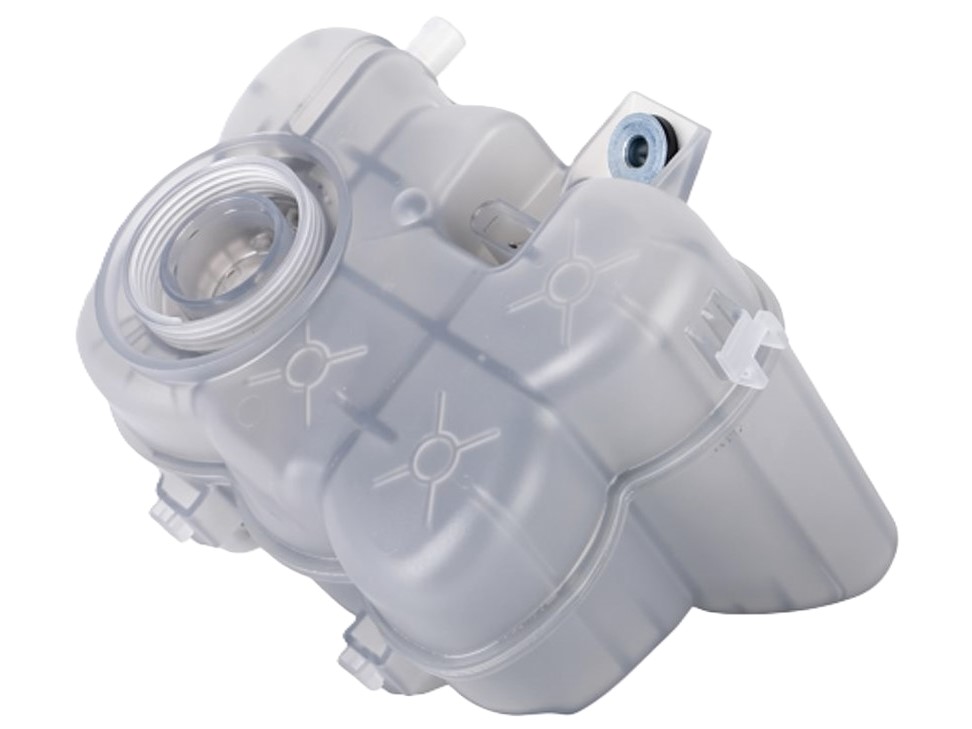
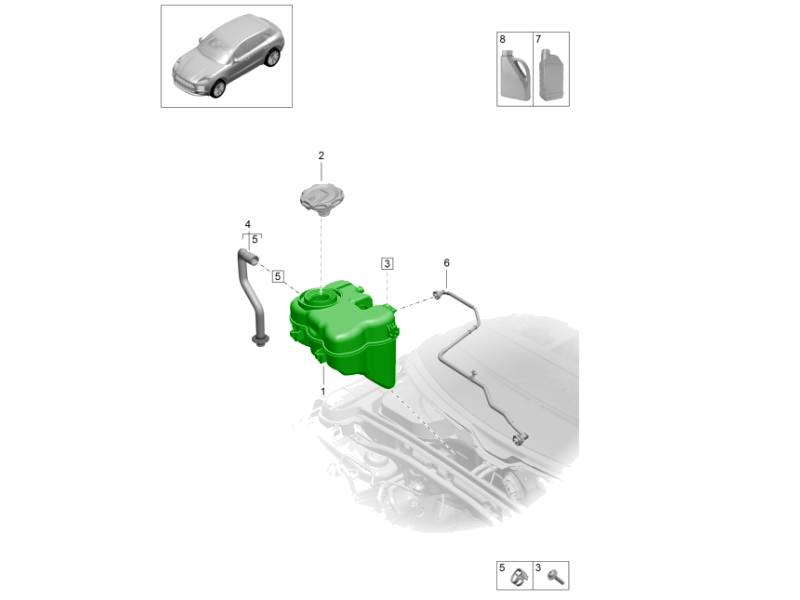
.jpg)
.jpg)
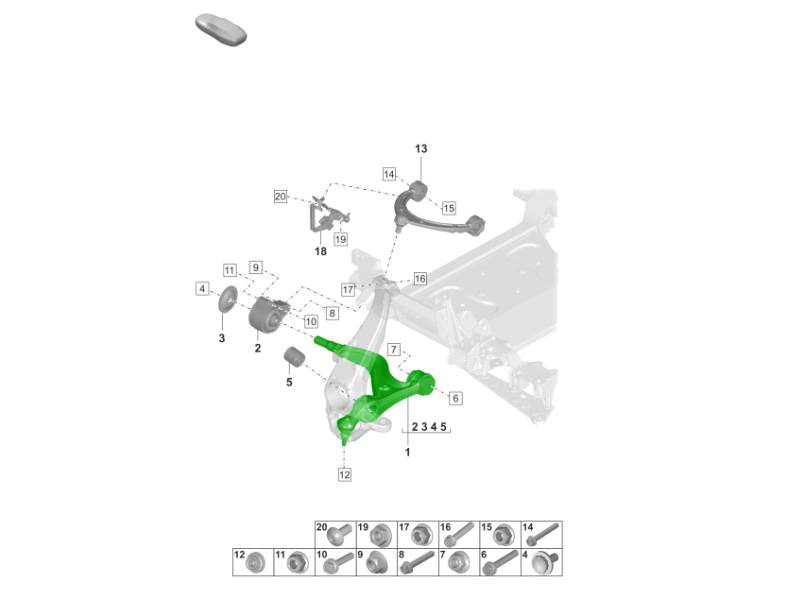
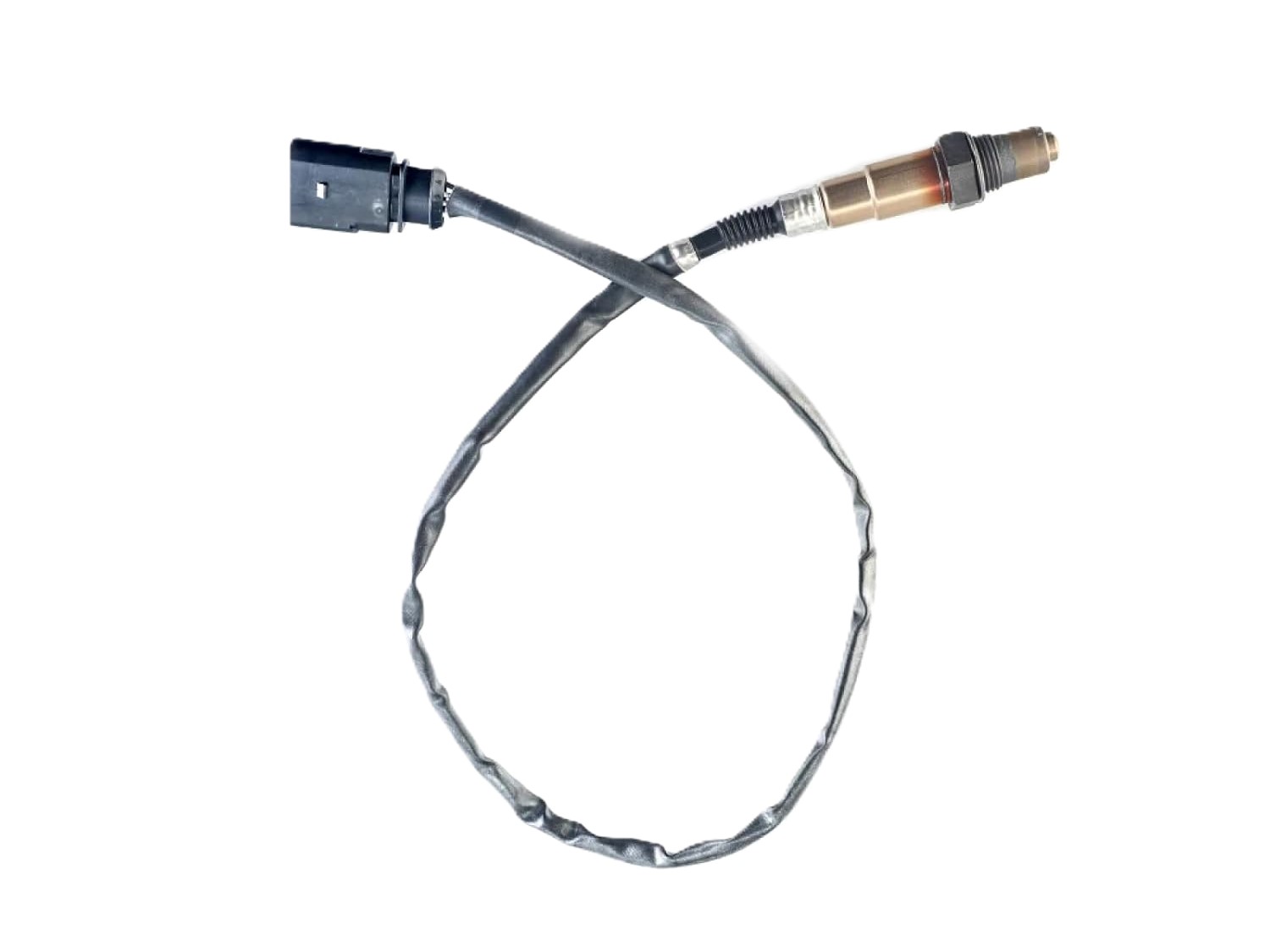
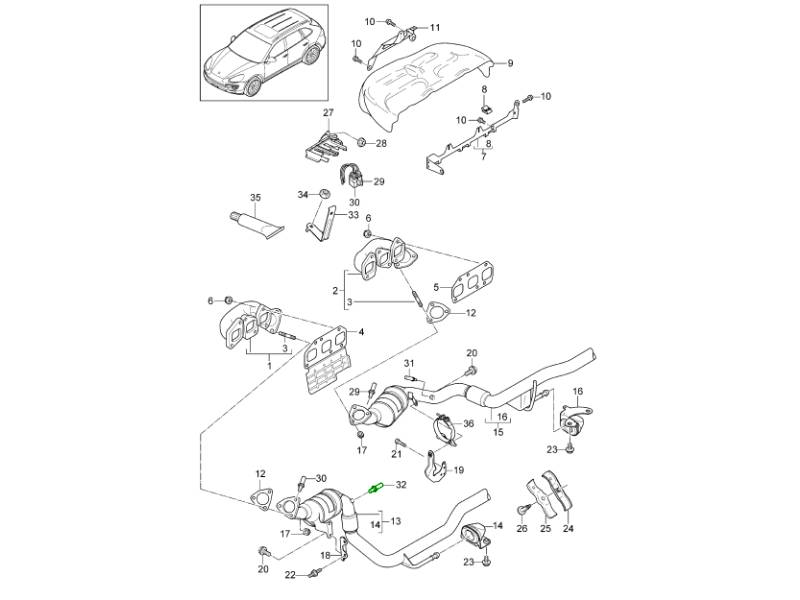


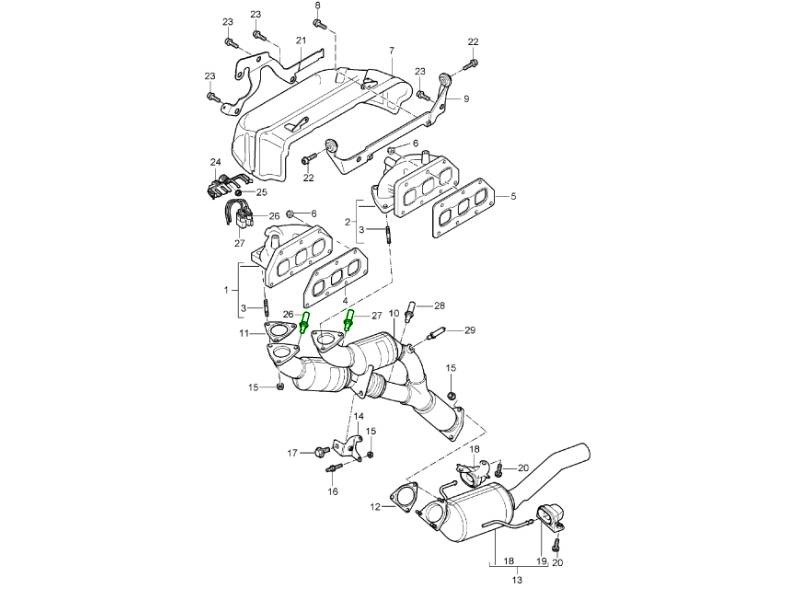
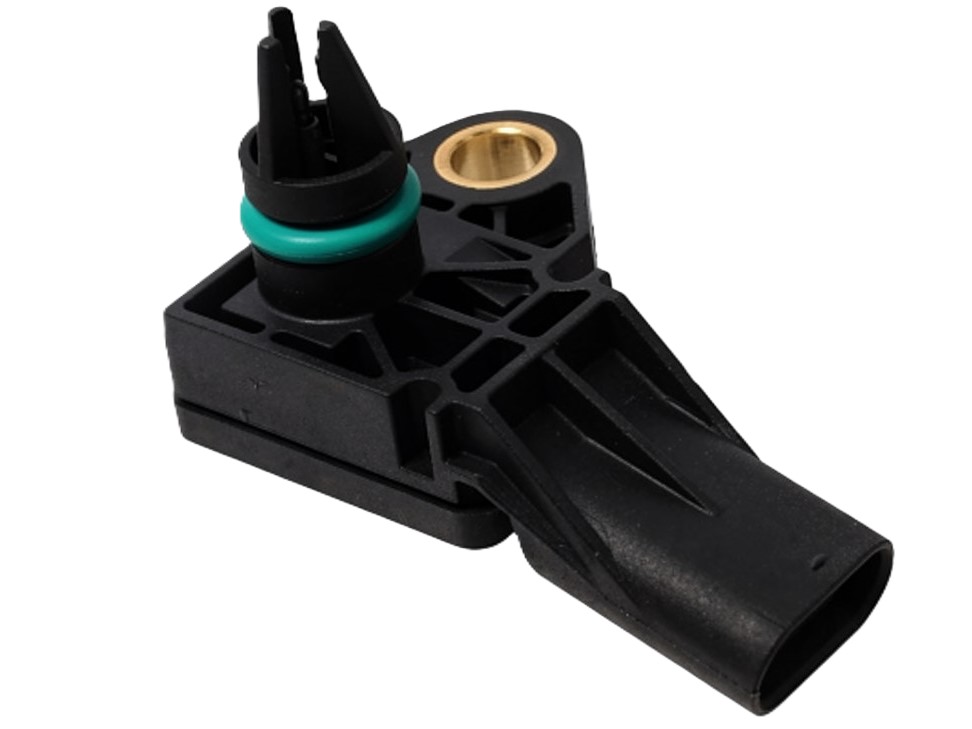
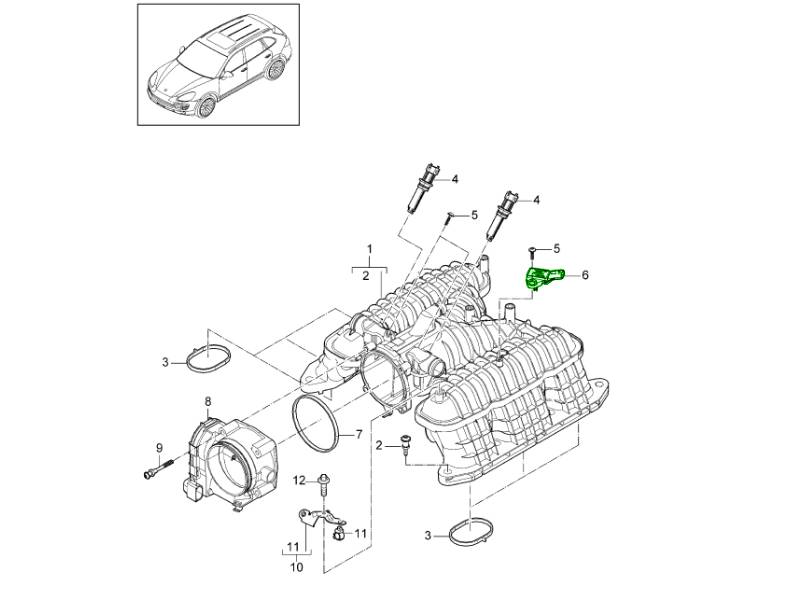
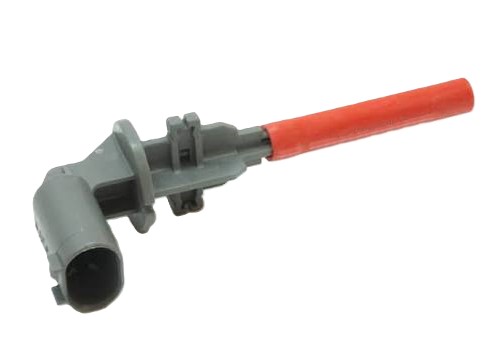
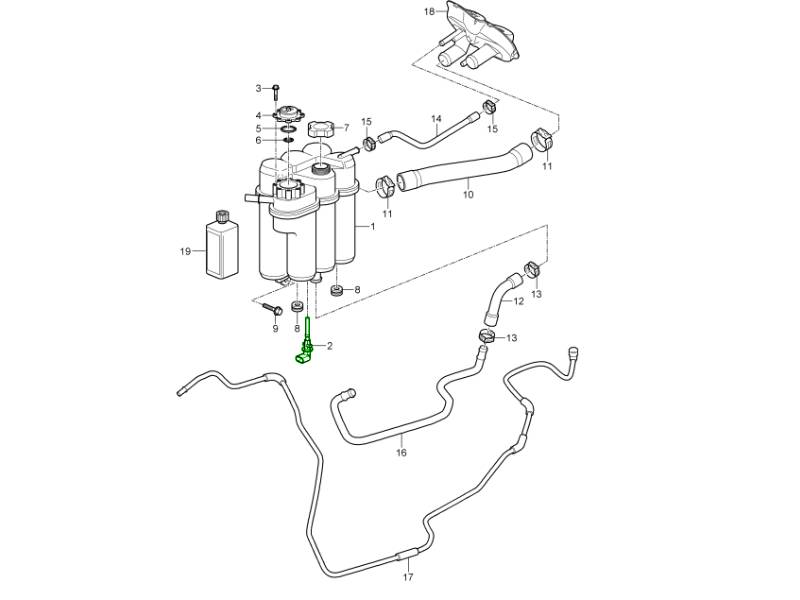
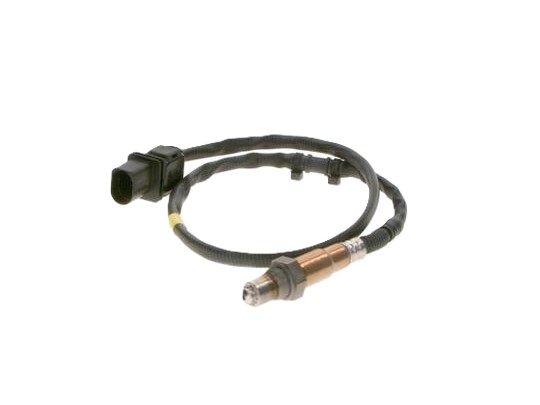
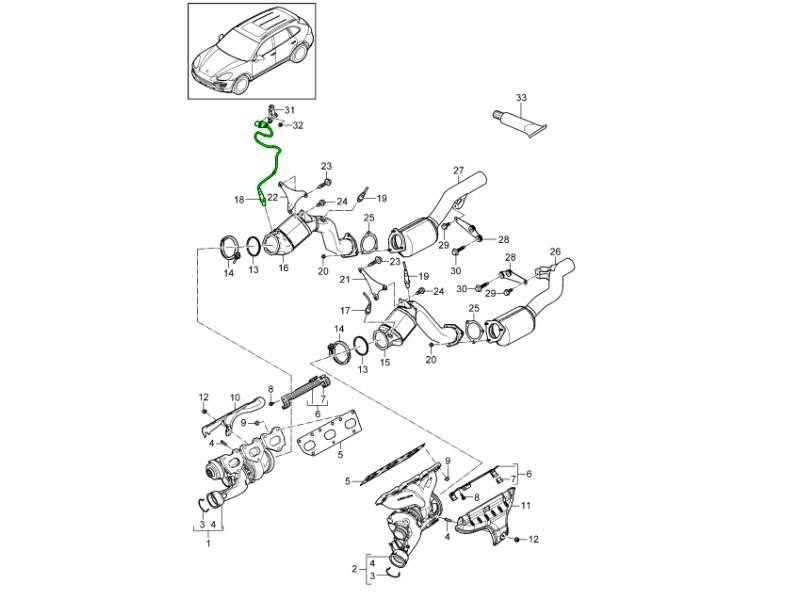
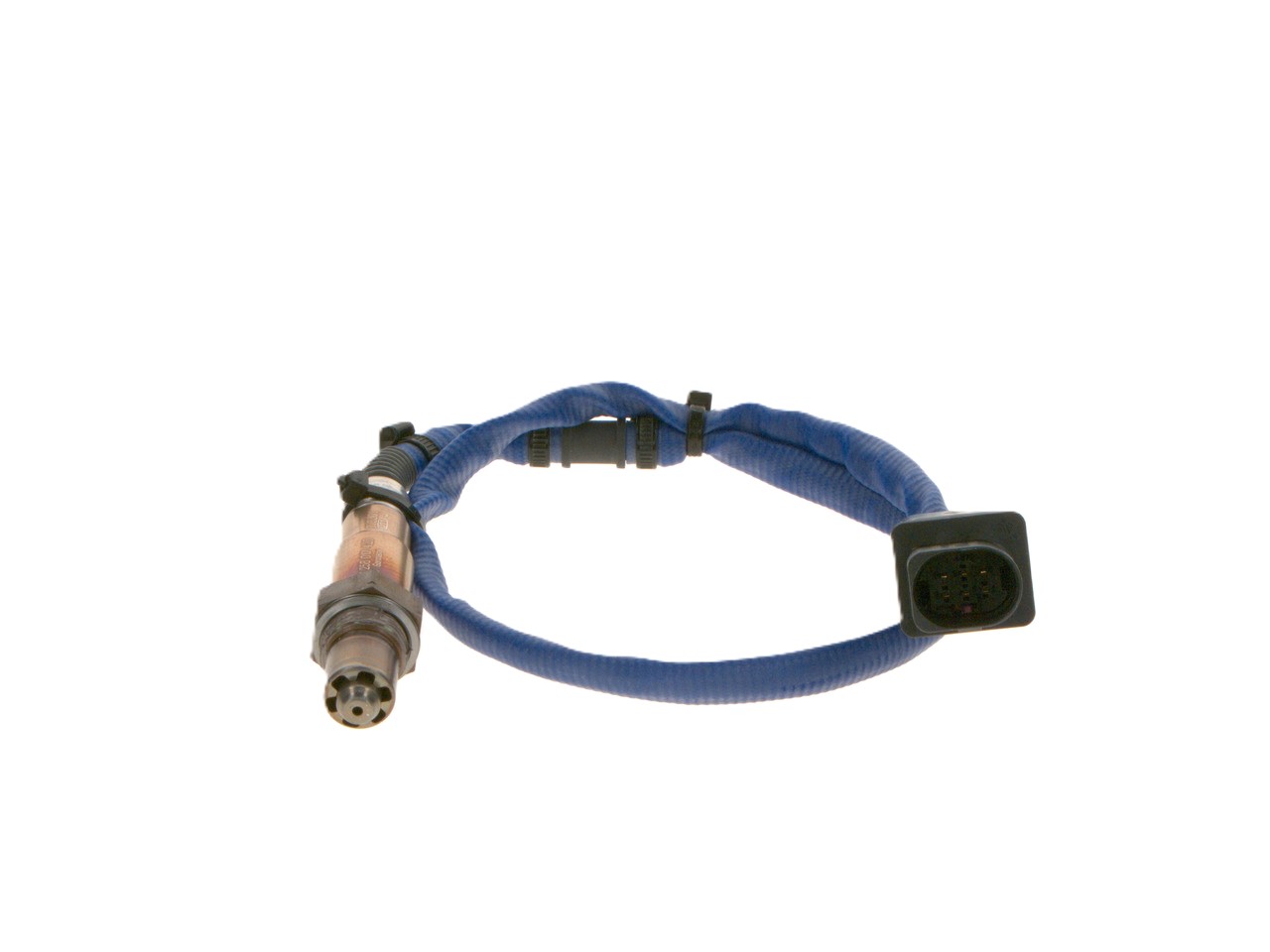
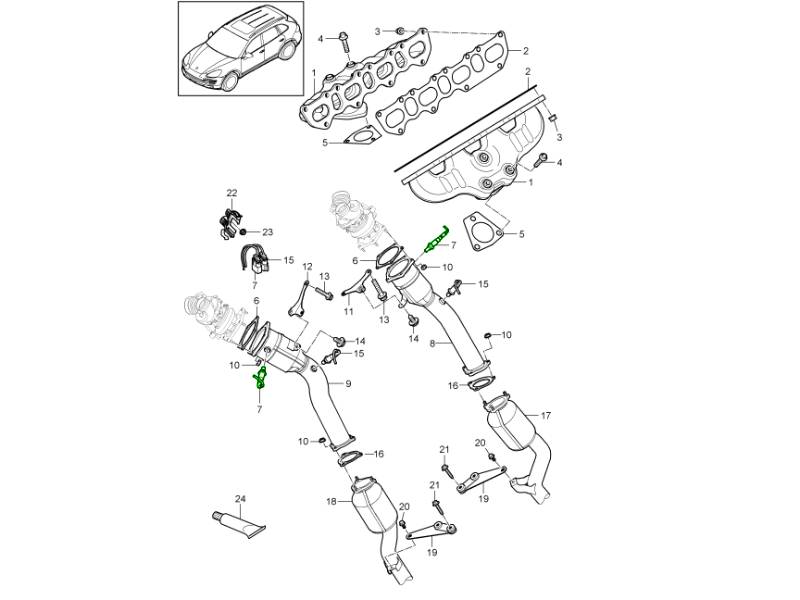
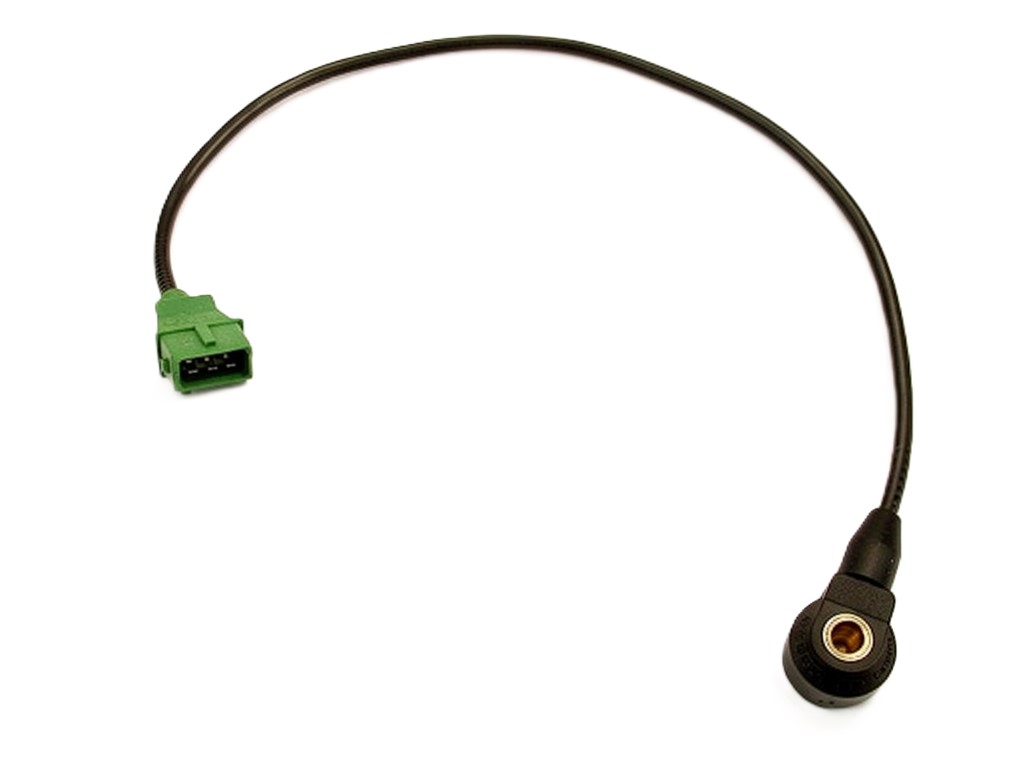
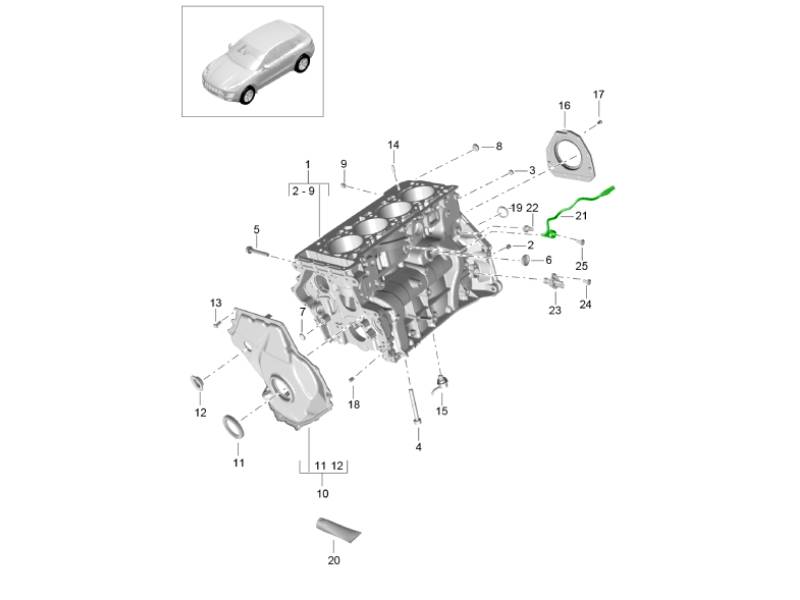
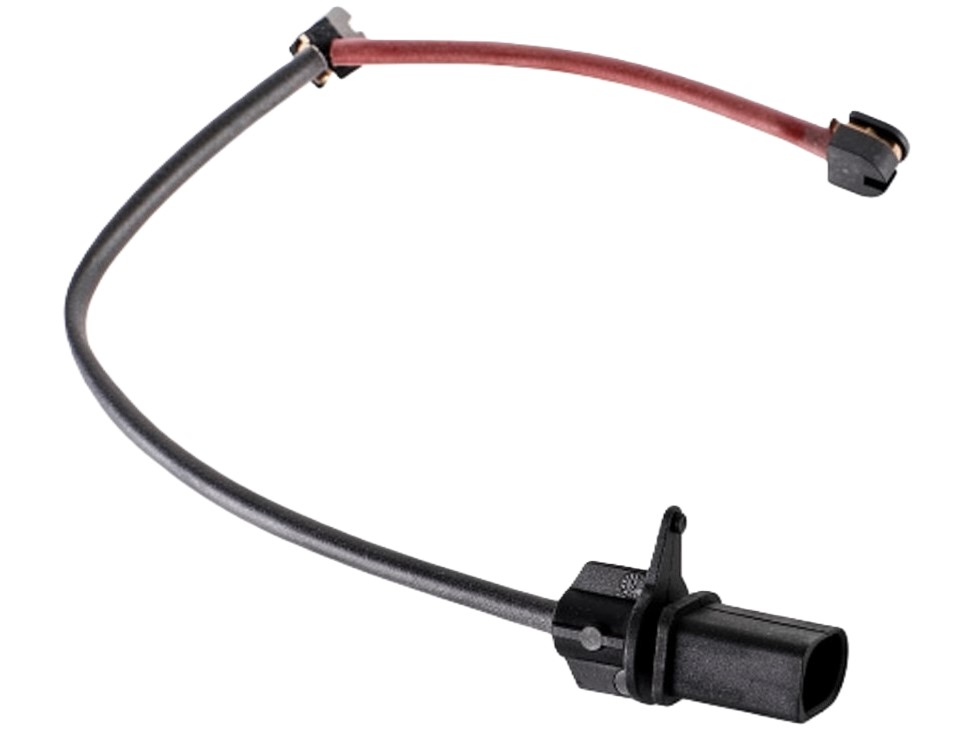
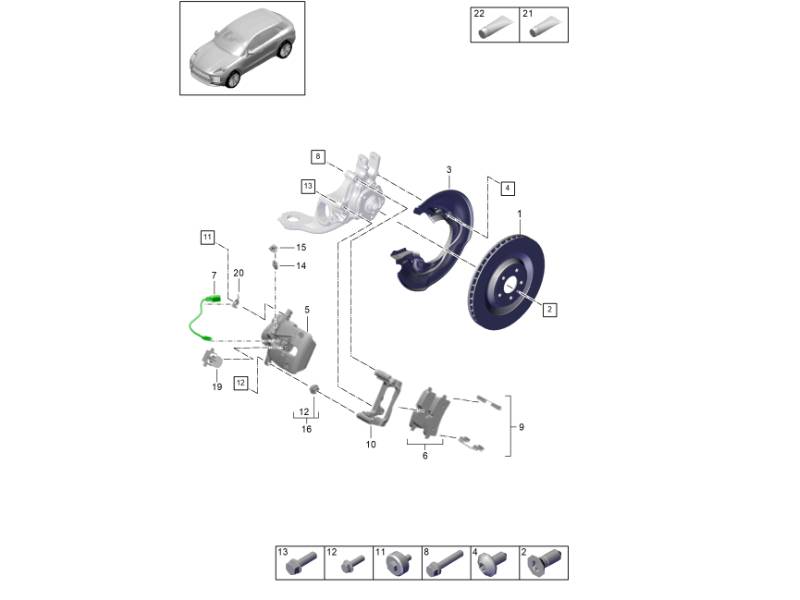
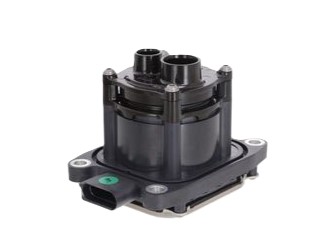
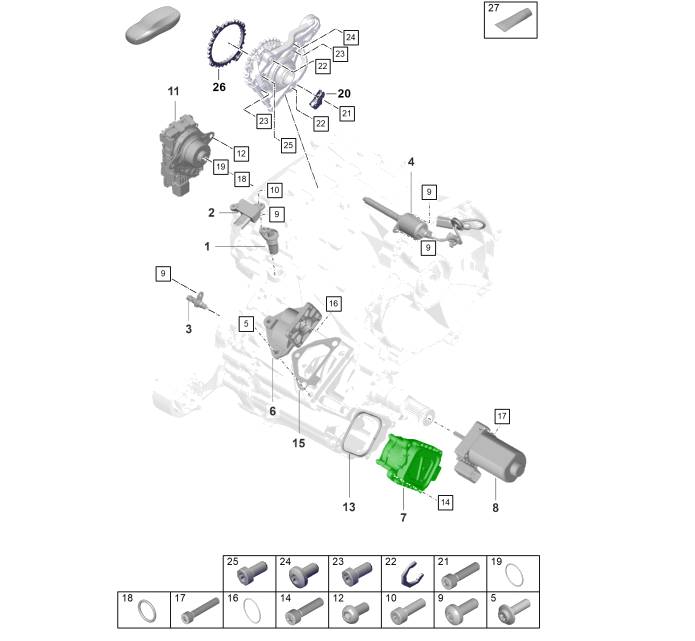
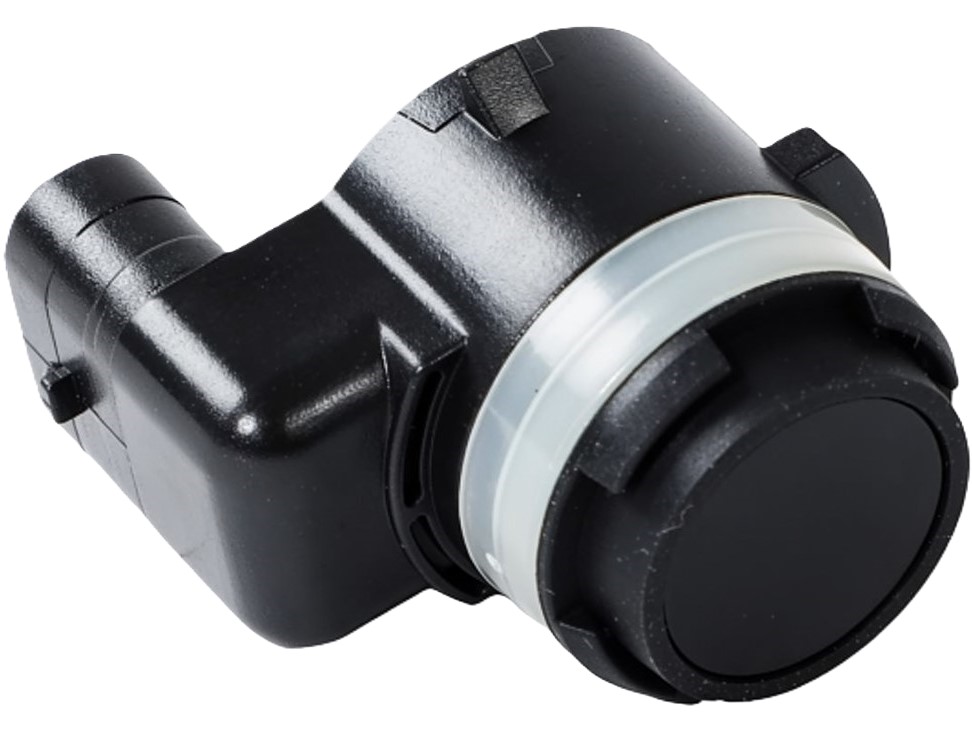
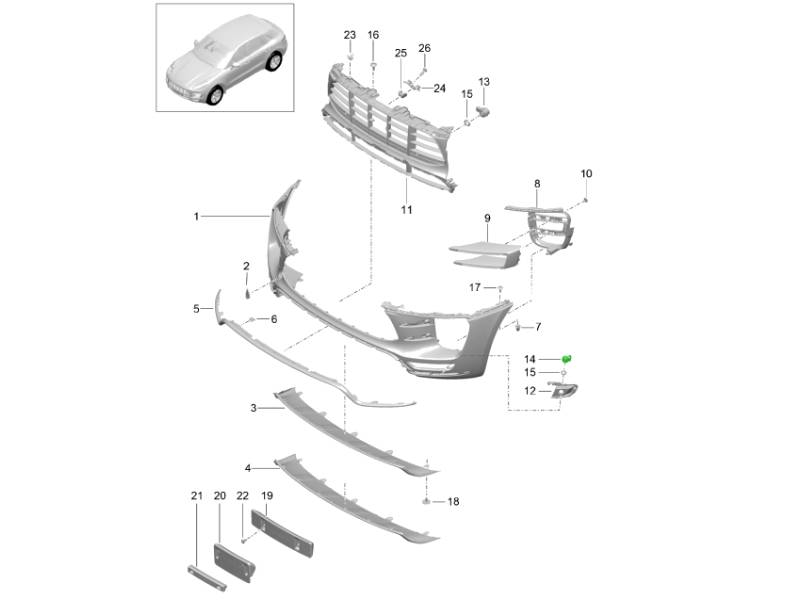
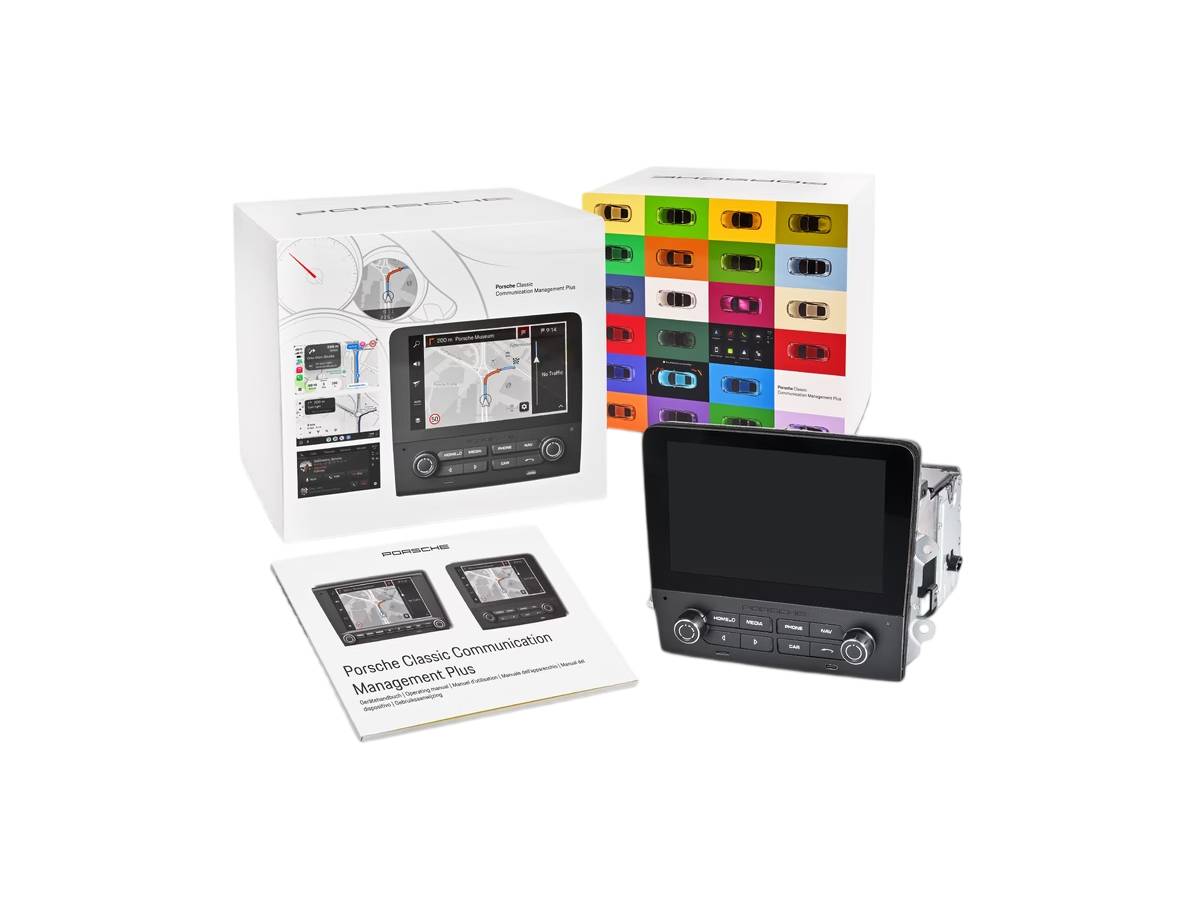
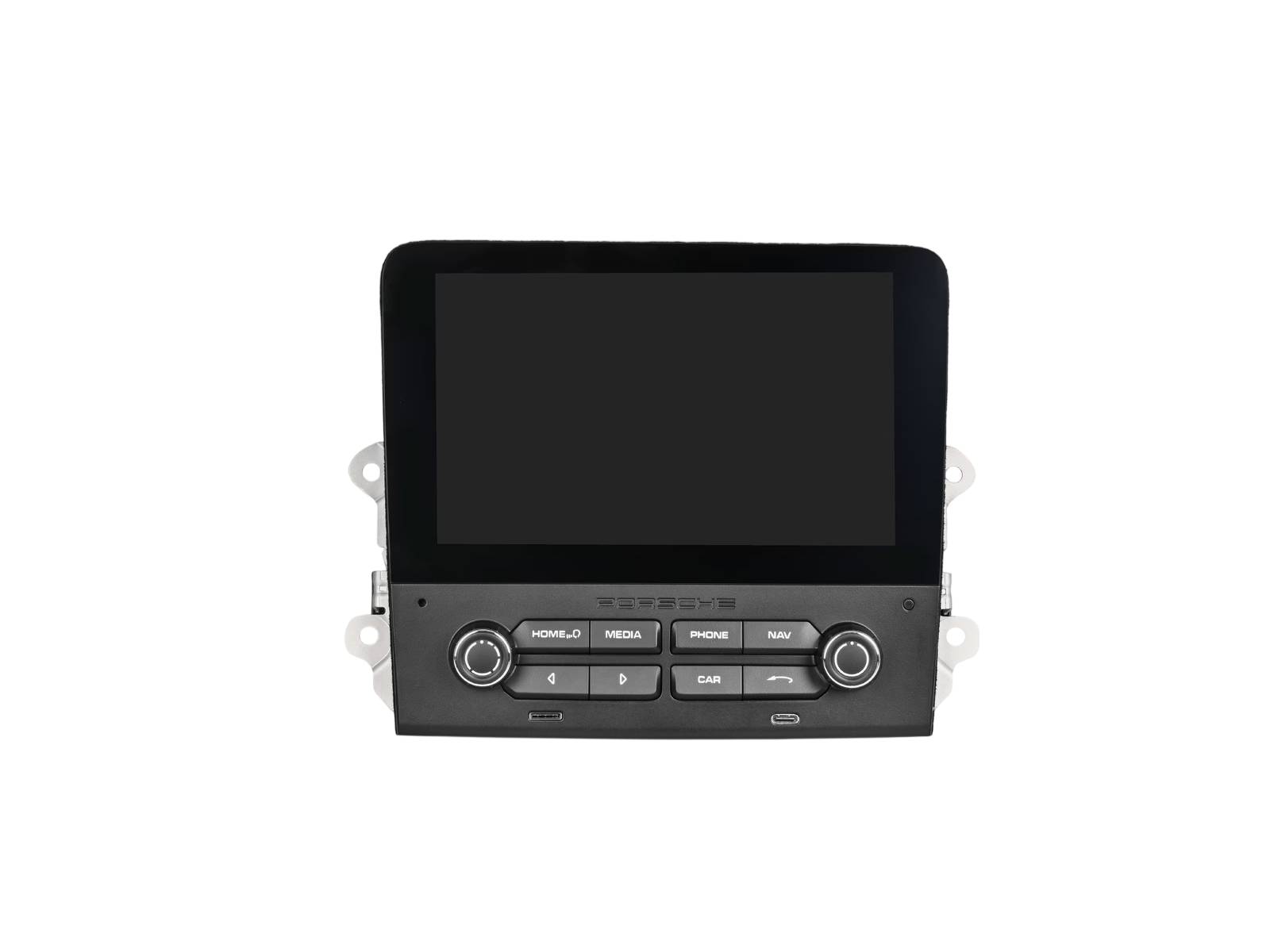
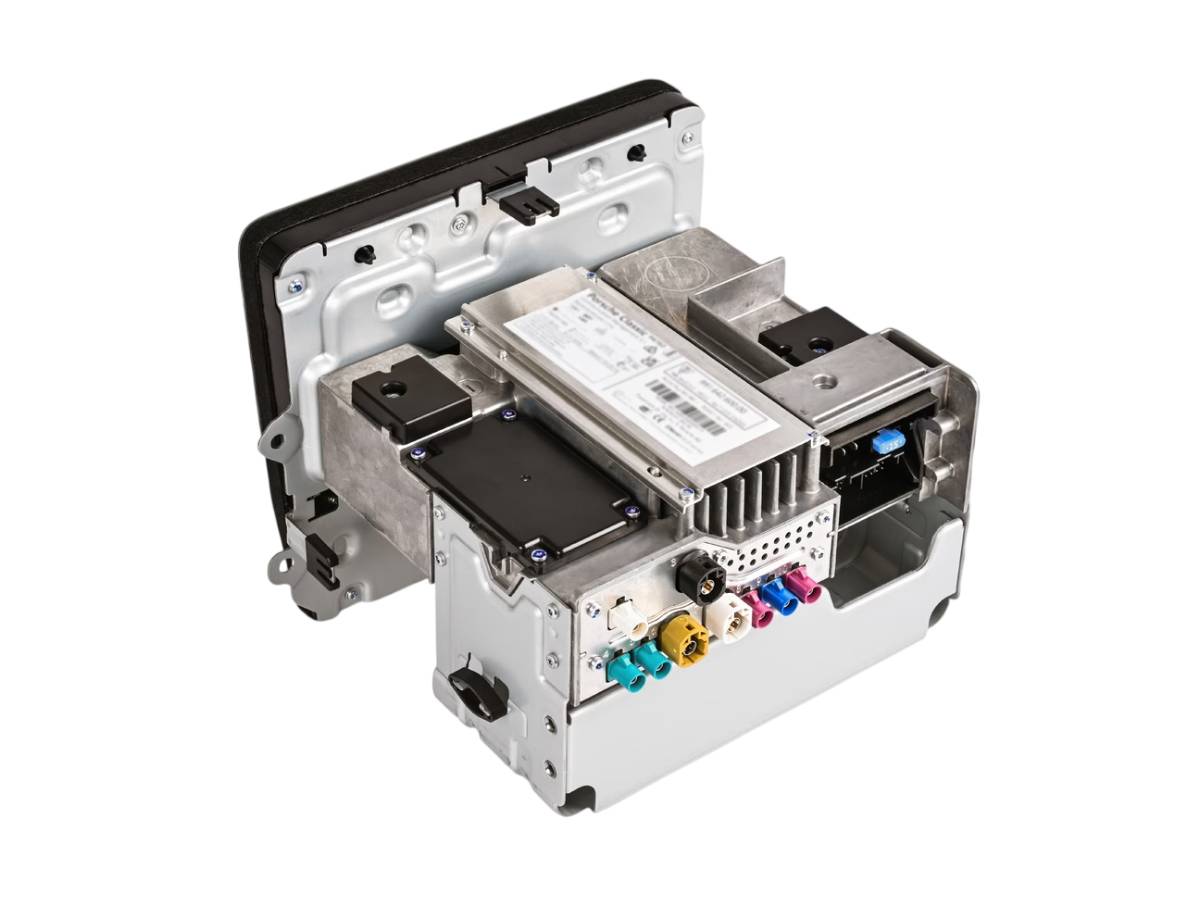


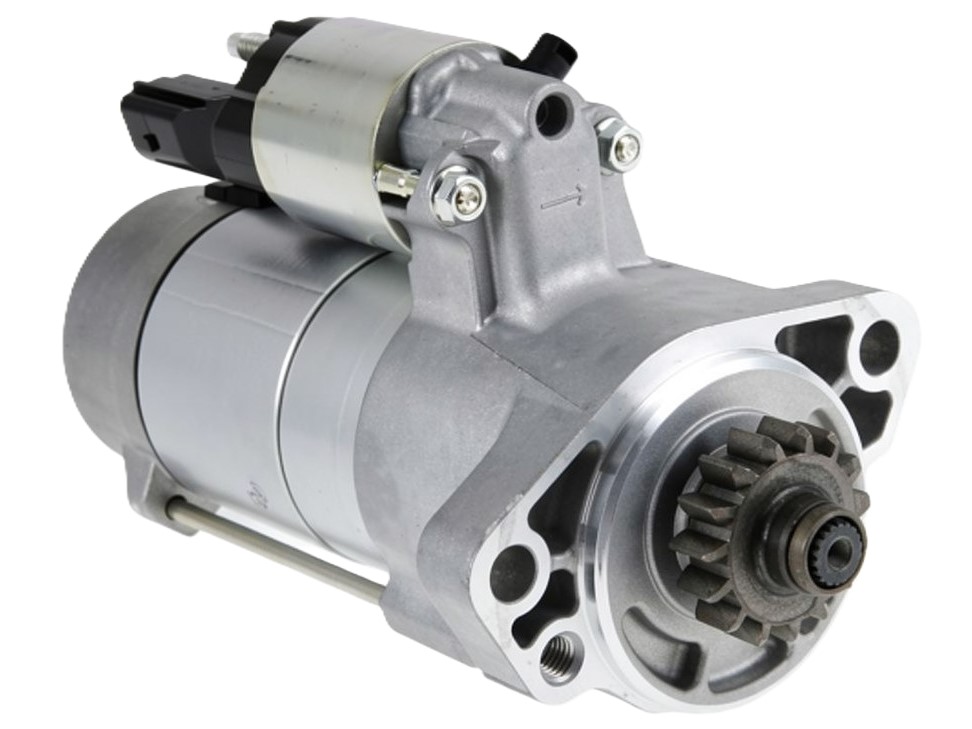
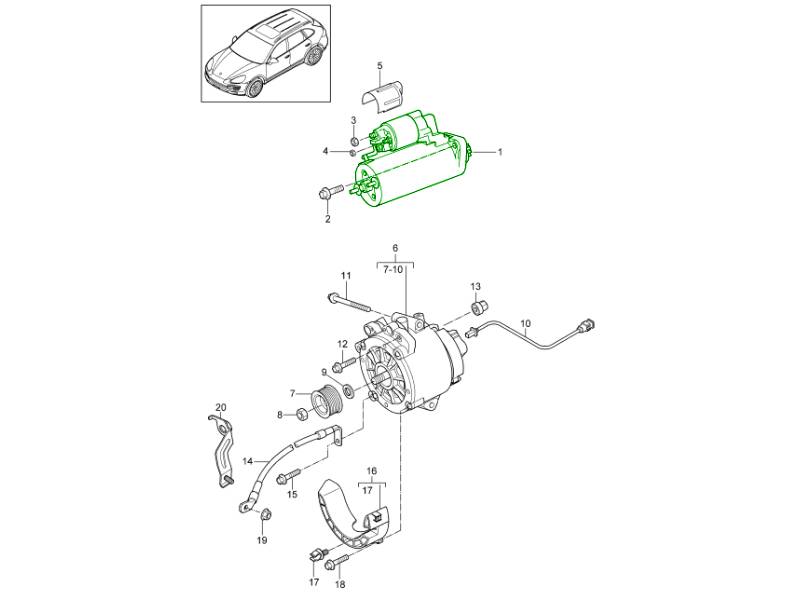
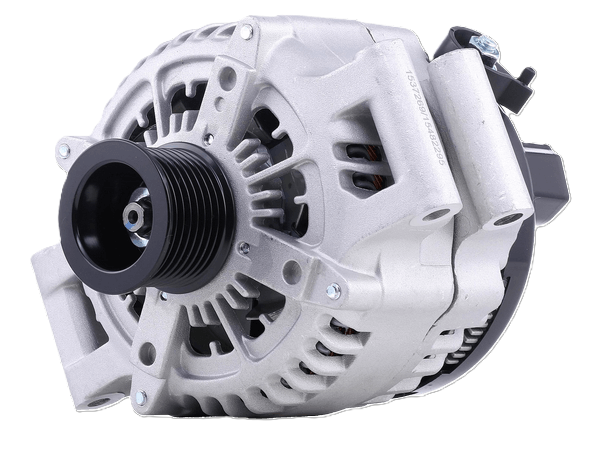
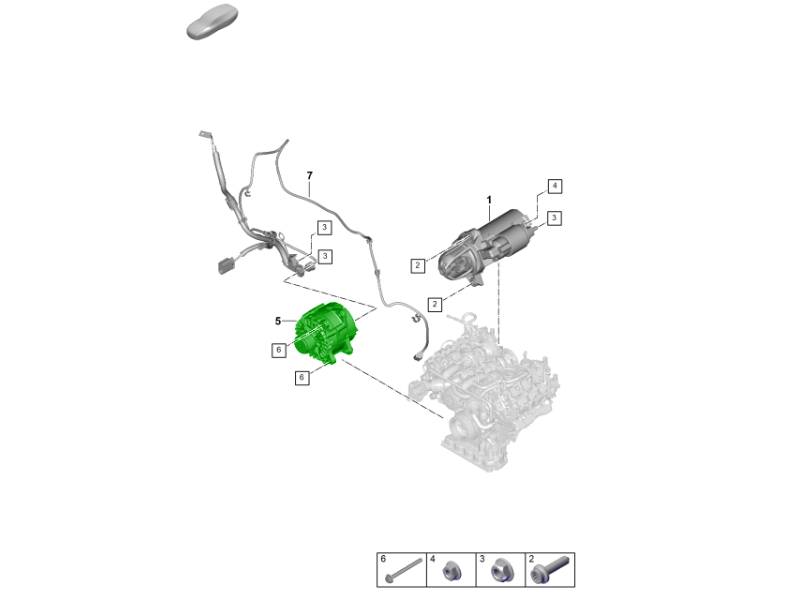
Maintain dependable charging performance and correct operation of your vehicle's electrical systems with this Genuine Porsche Alternator, a direct replacement for 976903024D. Manufactured to Porsche's exact specifications, this alternator generates electrical power while the engine is running, supplying the vehicle's electrical consumers while maintaining the battery at the correct state of charge. Reliable alternator performance is essential for the operation of engine management, lighting, climate control, infotainment, safety systems, and other electronic equipment.
Fits:
- Porsche 976 Panamera GTS V8 4.0L 2023>>
Diagram Ref No 5
Driven by the engine through the auxiliary drive system, the alternator converts mechanical energy into electrical energy and regulates its output according to vehicle demand. Its internal components work together to provide a stable electrical supply across varying engine speeds and operating conditions. Designed for the correct fit, electrical compatibility, and charging performance, this Genuine Porsche unit is an ideal replacement for a weak, noisy, intermittent, or completely failed alternator.
What This Product Does:
- Generates electrical power while the engine is running.
- Recharges and maintains the vehicle battery.
- Provides a stable electrical supply to vehicle systems.
- Supports engine management and other essential electronics.
- Powers lighting, climate control, infotainment, and electrical accessories.
- Regulates charging output according to vehicle electrical demand.
- Replaces a weak, intermittent, noisy, or failed alternator.
- Provides genuine Porsche fit, function, and compatibility.
Symptoms Of Wear Or Failure:
- Battery or charging-system warning light illuminated.
- Battery repeatedly becoming discharged or going flat.
- Difficulty starting or slow engine cranking.
- Low, unstable, or irregular charging voltage.
- Headlights or interior lighting dimming or flickering.
- Electrical equipment operating intermittently or incorrectly.
- Charging-system warning messages or diagnostic fault codes.
- Whining, grinding, or rumbling noises from the alternator area.
- Burning smell or signs of excessive heat.
- Vehicle stalling as battery charge becomes depleted.
- Complete loss of battery charging.
Why Replacement Matters:
- The alternator is a critical component of the vehicle's electrical and charging system. Once the engine is running, it supplies the electrical energy required by the vehicle while replenishing the battery after starting. If alternator output becomes insufficient or unstable, the battery can gradually discharge and sensitive electronic systems may no longer receive the consistent electrical supply required for correct operation.
- A deteriorating alternator can cause starting difficulties, charging warnings, flickering lights, intermittent electrical faults, and unreliable operation of vehicle electronics. If the alternator stops charging completely, the vehicle will continue operating only while sufficient battery energy remains, eventually resulting in the engine shutting down and being unable to restart.
- Mechanical alternator problems, including worn bearings or pulley-related faults, can also produce excessive noise and may place additional strain on the auxiliary drive system if left unresolved.
- Replacing a worn or failed unit with this Genuine Porsche Alternator 976903024D restores dependable battery charging, maintains stable electrical output, and supports reliable operation of the vehicle's electrical systems. Manufactured to Porsche's exacting standards, this genuine component provides precise fit, correct electrical compatibility, dependable performance, and long-term durability for Porsche maintenance and repair.
Related reference numbers
Related, superseded, cross reference or alternative numbers for comparison.
976903024D
The product you are viewing cross references to these numbers
- Porsche 976 Panamera GTS V8 4.0L 2023>>
Shop Securely
12 Month Warranty
Worldwide Delivery


Monday-Friday: 8.30am - 5.30pm (GMT)
Saturday: Closed
Sunday: Closed