




Enter your VAT number here and click Verify:
Your details have been verified. VAT number registered to:
,
.
Your order will now be zero rated for VAT purposes. We reserve the right to verify these details after your order request has been made and reinstate VAT if required.
Your VAT details were not recognised or were invalid. Your VAT number must be matched to your Billing Country as specified above. This is currently specified as . You do not need to enter the country code part of your VAT number as this has already been selected in your billing address details above.
The VAT number checking service is currently offline. Please supply your VAT details within the comments or special instructions field below and we will apply a VAT discount after placing your order request.

- Accessories
- Brakes
- Chassis / Bodywork
- Clothing & Gifts
- Electrical & Relays
- Engine Cooling
- Engine Electrical
- Engine Rebuild Parts
- Engine Tuning
- Exhausts
- Exterior Styling / Spoilers
- Gearbox / Transmission
- Heating / Air Conditioning
- Hydraulics
- Incar / Multimedia
- Interior & Accessories
- Lighting
- Mats & Carpets
- Motorsport and Off-Road
- Parts for Other Cars
- Pedal Cluster
- Rubber Seals
- Seats & Seat Belts
- Service Parts
- Special Offer Parts
- Steering Parts
- Suspension & Axle
- Suspension Upgrades
- Tyres
- Wheel Accessories
- Wheels
OE Match

OE Match for Porsche
OE Match is a specialist replacement-parts brand developed around Porsche applications, covering routine maintenance, mechanical repairs, restoration and difficult-to-source components for classic and modern models. Design911 selects brands for quality and Porsche fitment, with knowledgeable specialists available to help owners and workshops choose suitable parts.
The OE Match story
OE Match is focused on preserving Porsche vehicles by returning hard-to-find and no-longer-available components to the market. Its purpose is to keep Porsche vehicles maintained, repaired, restored and usable for the future, particularly where original components have become expensive, difficult to source or discontinued.
Supplied catalogue information records over 8000 individual part numbers, more than 11,800 OE cross-references and over 100 new products in engineering, while the wider product programme contains more than 9,000 variants; these figures describe different measures of the range. Continuing development involves researching the parts owners and workshops genuinely need, working with specialist manufacturers, reviewing engineering specifications, assessing samples, testing and approving components before release. From small seals, clips and brackets to major mechanical components, the aim is to prevent a difficult-to-source item from holding up an entire repair or restoration: preserving Porsche, one part at a time.
Why choose OE Match for your Porsche
OE Match is a quality aftermarket and OE-equivalent replacement option developed specifically around Porsche applications rather than adapted from a general aftermarket range. Original references, vehicle fitment information, dimensions, materials and component specifications are used to identify suitable replacements for routine service, age-related wear, larger mechanical repairs and restoration work.
Its research, development and quality-control processes assess material and manufacturing quality, dimensions and specification, OE-reference compatibility, vehicle application, fit and function, supplier samples, product consistency, packaging and presentation. Where appropriate, physical inspection and fitment evaluation form part of final approval, and products must meet the programme's requirements before entering the catalogue.
Coverage includes the Porsche 356, 911, 912, 914, 924, 944 and 928, alongside the 964, 993, Boxster 986, 996, Cayenne, Cayman and 997. This gives owners, enthusiasts, independent specialists and professional workshops a Porsche-focused replacement option alongside Genuine Porsche parts. OE Match is intended to provide correctly specified, OE-equivalent replacements with sensible running costs rather than simply serving as a lower-cost alternative. Design911 selects the brands it carries for quality and fitment and can advise customers on suitable options for maintenance, restoration or upgrades.
- A replacement-parts programme developed specifically around Porsche applications.
- More than 9,000 product variants within the wider programme.
- Original Porsche part-number cross-references wherever applicable.
- Dedicated research, development, sample evaluation and quality-control processes.
- Classic and modern Porsche coverage for maintenance, repairs and restoration.
- Development focused on difficult-to-source and discontinued applications.
Categories we stock from this brand
Design911 stocks OE Match across an extensive range of Porsche mechanical, electrical, body, interior and maintenance categories. Original Porsche references help identify replacements where part numbers have been superseded or several versions exist. Always check the model, production year, engine, transmission, side or position, connector type where relevant and individual product notes. Incorrect application, mismatched versions, reused seals or hardware and worn supporting components can cause noise, premature wear, leaks, fitment problems or repeat failures. Safety-critical specifications and installation should be checked by a competent technician.
Engine components
OE Match engine coverage supports maintenance, repair and rebuilding work, ranging from small retaining hardware and brackets to components associated with the cylinder heads, crankcase, valve train and supporting engine systems.
- Confirm the engine type, capacity, production year and original reference.
- Inspect associated seals, fasteners and supporting components during engine work.
- Check whether components require specialist measuring, machining or installation procedures.
Engine seals and gaskets
Replacement seals and gaskets help address oil, coolant, air and vacuum leaks throughout classic and modern Porsche engines. The range supports individual repairs as well as more extensive engine resealing and rebuilding projects.
- Identify the source of a leak before replacing components.
- Check mating surfaces, housings and fasteners for wear or damage.
- Use the correct gasket or seal version for the engine and production year.
Cooling systems and radiators
OE Match cooling-system coverage includes components used to circulate coolant, control temperature and transfer heat away from the engine. These parts support repairs involving radiators, pipework, hoses, fittings and related cooling hardware.
- Investigate coolant loss, overheating, staining and damaged hoses promptly.
- Check pressure caps, clips, seals and connecting pipes during cooling-system work.
- Bleed and refill the system using the correct model-specific procedure.
Oil system components
Oil-system parts support engine lubrication, oil circulation, filtration and leak repair. Coverage can assist with routine servicing as well as work on oil lines, fittings, housings, seals and associated hardware.
- Confirm thread sizes, connection types and component position.
- Inspect flexible lines and seals for age-related hardening or leakage.
- Verify the required oil specification and system capacity separately.
Transmission and drivetrain
OE Match transmission and drivetrain parts support manual and automatic gearbox repairs, clutch operation, gear selection and the transfer of power to the driven wheels.
- Match parts to the exact gearbox or transmission code where specified.
- Check splines, bearings, seals, joints and supporting hardware for related wear.
- Diagnose noise, vibration or difficult gear selection before ordering components.
Engine and gearbox mounts
Replacement mounts help support the powertrain, maintain alignment and control unwanted engine and transmission movement. Worn mounts may contribute to vibration, knocking, drivetrain shunt or unsettled gear changes.
- Inspect mounts for cracking, collapse, separation and oil contamination.
- Check mounting bolts, washers, brackets and surrounding hardware.
- Consider replacing paired mounts together where required by the application.
Suspension and steering
OE Match suspension hardware and steering components support repairs intended to restore accurate wheel control, alignment and predictable steering response. Coverage includes wear-related items used around suspension joints, mounting points and steering assemblies.
- Investigate play, knocking, uneven tyre wear and unstable handling.
- Check left- and right-hand applications and axle position carefully.
- Arrange wheel alignment after replacing components that affect geometry.
Braking components
OE Match braking components form part of its Porsche-specific replacement programme. Brake work may address wear, restore stopping performance or prepare a car for fast-road or track use, but the specification of each component must suit the intended application.
- Symptoms prompting inspection include vibration, longer stopping distances, squealing, pulling to one side, warning lights and visible disc or pad wear.
- Confirm whether the selected component is an OE-equivalent replacement or a performance upgrade.
- Check whether new fitting kits, seals, hardware and pad wear sensors are required.
Electrical and ignition
Electrical and ignition coverage supports Porsche repairs involving starting, charging, ignition and engine-management faults. Correct diagnosis is particularly important because wiring, supply voltage, earth connections and other supporting components can produce similar symptoms.
- Typical symptoms include intermittent no-start, misfires, rough idle, poor charging, warning lights and heat-soak failures.
- Check the original reference, engine, production year and connector type.
- Test power supplies, earths and wiring before replacing electrical components.
Sensors and switches
OE Match sensors and switches provide replacement options for systems that monitor or control engine operation, temperature, pressure, position, lighting and driver warnings.
- Similar-looking sensors may have different calibrations, connectors or applications.
- Use fault codes as a diagnostic guide rather than proof that a sensor has failed.
- Inspect connectors for corrosion, damaged terminals and degraded wiring.
Heating and air conditioning
Heating, ventilation and air-conditioning components support cabin temperature control, airflow and demisting. The range covers replacement needs involving blower assemblies, controls, ducts, valves, fittings and related hardware.
- Check whether parts differ between left- and right-hand-drive vehicles.
- Confirm connector, housing and production-year variations.
- Refrigerant-system work should be completed by an appropriately qualified technician.
Exhaust components
OE Match exhaust coverage supports repairs to worn, corroded or leaking parts of the exhaust system, together with associated brackets, clamps, seals and fittings.
- Inspect joints, flanges, fixings and heat shields when replacing exhaust parts.
- Check emissions equipment and sensor positions for the specific model.
- Corroded fasteners may require additional hardware during installation.
Rubber seals and hoses
Rubber components are important throughout a Porsche for sealing fluids, air, weather and noise. OE Match coverage assists with replacing hardened, split, swollen, leaking or missing hoses, boots, grommets and sealing profiles.
- Match the shape, dimensions, connection points and intended fluid or system.
- Inspect adjoining clips, pipes and sealing surfaces.
- Age-related rubber deterioration can affect several nearby components at once.
Exterior trim and body components
Exterior and body coverage supports accident repair, cosmetic refurbishment and restoration. It includes replacement needs involving trim, lamps, brackets, fixings, seals and other model-specific body fittings.
- Confirm body style, side, position, colour and finish where applicable.
- Check whether clips, seals or mounting hardware are supplied separately.
- Compare the original component and reference before installation.
Interior components
OE Match interior products support the repair and restoration of cabin fittings that may have worn, faded, broken or become difficult to source with age.
- Check colour, finish, side and model-year variations.
- Inspect clips, brackets and fixing points before fitting replacement trim.
- Some interior components may differ according to body style or equipment specification.
Service and maintenance parts
OE Match service components support scheduled upkeep across Porsche generations, helping owners and workshops maintain reliability, efficiency and system protection while addressing everyday wear.
- Hard starting, rough idle, poor fuel economy and warning lights can accompany clogged filters or worn ignition components.
- Select service items against the exact Porsche model, engine, production year and required specification.
- Review related seals, hardware and other maintenance items when planning a larger service.
Restoration hardware
Restoration hardware covers the small but essential fasteners, brackets, clips, fittings and retaining components needed to complete repairs accurately and securely.
- Record the position and orientation of original hardware during dismantling.
- Check thread, length, finish, quantity and model application.
- Replacing damaged or heavily corroded hardware can prevent delays during reassembly.
Difficult-to-source and discontinued applications
A central purpose of the OE Match programme is identifying gaps where original Porsche parts have become difficult to obtain or are no longer available. Reintroduced components can help prevent one missing seal, clip, bracket or mechanical part from delaying an otherwise complete repair or restoration.
- Use OE cross-references and dimensions to verify the intended application.
- Check whether the original number has been superseded.
- Review product-specific fitment notes where several component versions exist.
Brake Pad Wear Sensors
OE Match brake pad wear sensors provide replacement options for Porsche brake servicing. Sensors may need renewal when pads are replaced or when a worn or damaged sensor causes a brake wear warning.
- Warning messages with new pads, damaged sensor cables and broken clips warrant inspection.
- Match the OE reference, caliper application, model year, connector and sensor position.
- Check the quantity required and whether sensors are included with the selected brake parts.
Engine Electrical
OE Match engine electrical parts cover starting, charging, ignition, sensor and switch applications. They support repairs involving intermittent no-start, misfires, rough idle, stalling, battery drain, poor charging, warning lights, inconsistent readings and heat-related failures.
- Similar-looking components may have different electrical or vehicle applications.
- Repeat faults can indicate a mismatched component or a worn supporting item.
- Battery condition, earth straps, connectors and voltage drop should be checked during diagnosis.
Service Parts
OE Match service parts cover everyday maintenance requirements intended to protect the engine, gearbox and other major systems. Routine replacement can address natural wear caused by heat, friction, fluid degradation and environmental exposure.
- Match filters, ignition parts, belts and fluids to the exact vehicle specification.
- Many symptoms overlap, so establishing a sound service baseline can assist diagnosis.
- Keep a service record to support future maintenance and fault finding.
Service Kits
OE Match service kits group key maintenance components to simplify servicing and establish a known baseline. They are particularly useful when catching up on overdue maintenance or assessing sluggish running, inconsistent idle, poor economy and reduced performance.
- Match each kit to the exact Porsche model, engine and production year.
- Contents vary, so review the included components rather than assuming every service item is supplied.
- Add any required while-you-are-there items, such as spark plugs, belts, fluids, seals or hardware.
Explore the range
Browse the OE Match Porsche range at Design911, then narrow your selection by model and category and cross-check the original part references and fitment notes. Whether you are planning routine maintenance, a workshop repair or a complete restoration, Design911's Porsche specialists can help identify suitable components within a programme focused on fitment, quality and long-term vehicle preservation.

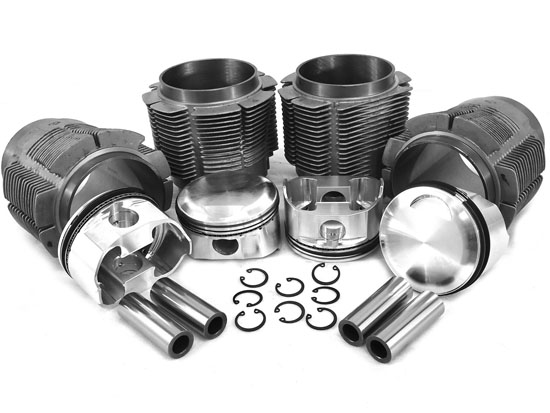
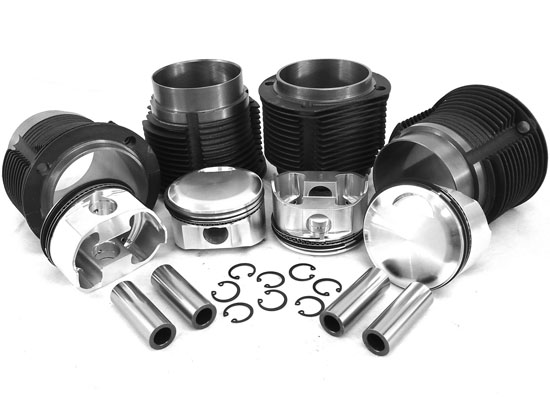
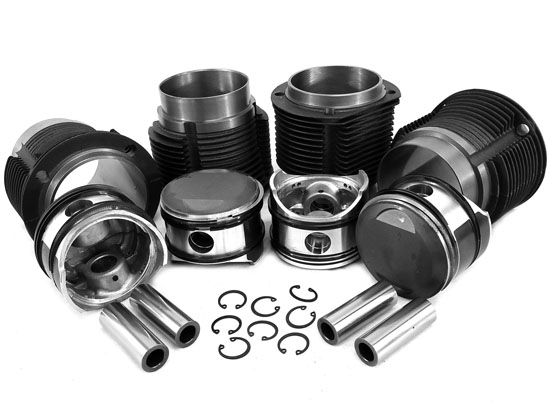
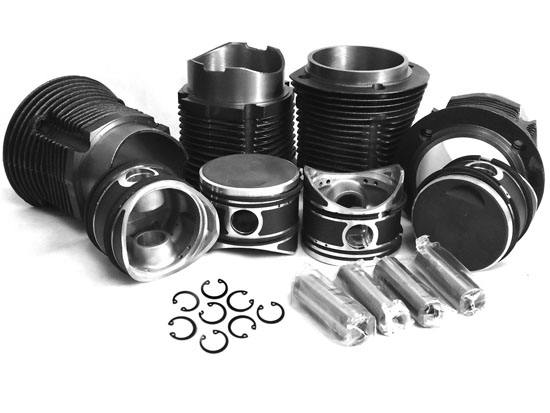
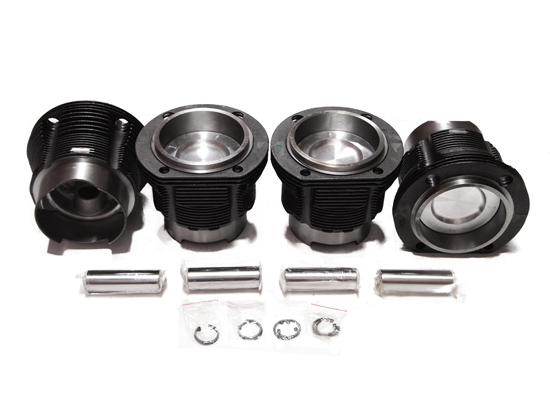
It fits Porsche 356; C, SC, 1963-66 & Porsche 912; 1965 and Up with the 3 piece case. The Cylinders are Biral with JE Forged pistons with 30° Angle.
JE Forgings are made from 2618 Aluminium, They have a 0 offset with extra material under the top for the valve pocket, Biral Liners are a cast iron sleeve with aluminium fins, making them lighter and dissipate heat better . This kit requires no machine work, when installing in factory Porsche case & heads.
Engine size: 1600cc
Stroke: 74mm
Cylinders: Biral.
Pistons: JE 2618 Forged
Dome Height: .155
Compression: 9.5:1
Piston Angle: 30°
Kit includes: 4 Cylinders, 4 Pistons, A set of Piston Rings, and 4 wrist pins and clips.
Related reference numbers
Related, superseded, cross reference or alternative numbers for comparison.
0081186PJE
The product you are viewing cross references to these numbers
- Porsche 911 1965-1968 2.0L / 912 SWB (F)
- Porsche 356C 1963-65
 Shop Securely
 12 Month Warranty
 Worldwide Delivery

It fits Porsche 356; C, SC, 1963-66 & Porsche 912; 1965 and Up with the 3 piece case. The Cylinders are Cast Iron with JE Forged pistons with 30° Angle.
JE Forgings are made from 2618 Aluminum, They have a 0 offset with extra material under the top for the valve pocket. This kit requires no machine work, when installing in factory Porsche case & heads.
Engine size: 1600cc
Stroke: 74mm
Cylinders: Cast Iron
Pistons: JE 2618 Forged
Dome Height: .155
Compression: 9.5:1
Piston Angle: 30°
Kit includes: 4 Cylinders, 4 Pistons, A set of Piston Rings, and 4 wrist pins and clips.
Related reference numbers
Related, superseded, cross reference or alternative numbers for comparison.
0081186CJE
The product you are viewing cross references to these numbers
- Porsche 911 1965-1968 2.0L / 912 SWB (F)
- Porsche 356C 1963-65
Shop Securely
12 Month Warranty
Worldwide Delivery

It fits Porsche 356; A and B, Super 90, 1955-63 with the 3 piece Case. The Cylinders are Biral with JE Forged pistons with 22° Angle.
JE Forgings are made from 2618 Aluminium, They have a 0 offset with extra material under the top for the valve pocket, Biral Liners are a cast iron sleeve with aluminium fins, making them lighter and dissipate heat better . This kit requires no machine work, when installing in factory Porsche case & heads.
Engine size: 1600cc
Stroke: 74mm
Cylinders: Biral.
Pistons: JE 2618 Forged
Dome Height: .155
Compression: 9.5:1
Piston Angle: 22°
Kit includes: 4 Cylinders, 4 Pistons, A set of Piston Rings, and 4 wrist pins and clips.
Related reference numbers
Related, superseded, cross reference or alternative numbers for comparison.
0081186BJE
The product you are viewing cross references to these numbers
- Porsche 356A 1955-59
- Porsche 356B 1959-63
Shop Securely
12 Month Warranty
Worldwide Delivery

It fits Porsche 356; A and B, Super 90, 1955-63 with the 3 piece Case. The Cylinders are Cast Iron with JE Forged pistons with 22° Angle.
JE Forgings are made from 2618 Aluminum, They have a 0 offset with extra material under the top for the valve pocket. This kit requires no machine work, when installing in factory Porsche case & heads.
Engine size: 1600cc
Stroke: 74mm
Cylinders: Cast Iron
Pistons: JE 2618 Forged
Dome Height: .155
Compression: 9.5:1
Piston Angle: 22°
Kit includes: 4 Cylinders, 4 Pistons, A set of Piston Rings, and 4 wrist pins and clips.
Related reference numbers
Related, superseded, cross reference or alternative numbers for comparison.
0081186AJE
The product you are viewing cross references to these numbers
- Porsche 356A 1955-59
- Porsche 356B 1959-63
Shop Securely
12 Month Warranty
Worldwide Delivery

It fits Porsche 356; C, SC, 1963-66 & Porsche 912; 1965 and Up with the 3 piece case. The Cylinders are Biral with JE Forged pistons with 30° Angle.
JE Forgings are made from 2618 Aluminium, They have a 0 offset with extra material under the top for the valve pocket, Biral Liners are a cast iron sleeve with aluminium fins, making them lighter and dissipate heat better. This is a High Compression kit 11.5:1 more commonly used in race-cars . This kit requires no machine work, when installing in factory Porsche case & heads.
Engine size: 1600cc
Stroke: 74mm
Cylinders: Biral.
Pistons: JE 2618 Forged
Dome Height: .295
Compression: 11.5:1
Piston Angle: 30°
Kit includes: 4 Cylinders, 4 Pistons, A set of Piston Rings, and 4 wrist pins and clips.
Related reference numbers
Related, superseded, cross reference or alternative numbers for comparison.
0081183PJE
The product you are viewing cross references to these numbers
- Porsche 911 1965-1968 2.0L / 912 SWB (F)
- Porsche 356C 1963-65
Shop Securely
12 Month Warranty
Worldwide Delivery

It fits Porsche 356; C, SC, 1963-66 & Porsche 912; 1965 and Up with the 3 piece case. The Cylinders are Biral with JE Forged pistons with 30° Angle.
JE Forgings are made from 2618 Aluminium, They have a 0 offset with extra material under the top for the valve pocket, Biral Liners are a cast iron sleeve with aluminium fins, making them lighter and dissipate heat better. This is a High Compression kit 9.5:1 more commonly used in race-cars . This kit requires no machine work, when installing in factory Porsche case & heads
Engine size: 1600cc
Stroke: 74mm
Cylinders: Biral.
Pistons: JE 2618 Forged
Dome Height: .295
Compression: 9.5:1
Piston Angle: 30°
Kit includes: 4 Cylinders, 4 Pistons, A set of Piston Rings, and 4 wrist pins and clips.
Related reference numbers
Related, superseded, cross reference or alternative numbers for comparison.
0081183CJE
The product you are viewing cross references to these numbers
- Porsche 911 1965-1968 2.0L / 912 SWB (F)
- Porsche 356C 1963-65
Shop Securely
12 Month Warranty
Worldwide Delivery

It fits Porsche 356; C, SC, 1963-66 & Porsche 912; 1965 and Up with the 3 piece case. The Cylinders are Biral with JE Forged pistons with 30° Angle.
JE Forgings are made from 2618 Aluminium, They have a 0 offset with extra material under the top for the valve pocket, Biral Liners are a cast iron sleeve with aluminium fins, making them lighter and dissipate heat better. This is a High Compression kit 11.5:1 more commonly used in race-cars . This kit requires no machine work, when installing in factory Porsche case & heads
Engine size: 1600cc
Stroke: 74mm
Cylinders: Biral.
Pistons: JE 2618 Forged
Dome Height: .295
Compression: 11.5:1
Piston Angle: 30°
Kit includes: 4 Cylinders, 4 Pistons, A set Piston Rings, and 4 wrist pins and clips.
Related reference numbers
Related, superseded, cross reference or alternative numbers for comparison.
0081182PJE
The product you are viewing cross references to these numbers
- Porsche 911 1965-1968 2.0L / 912 SWB (F)
- Porsche 356C 1963-65
Shop Securely
12 Month Warranty
Worldwide Delivery

It fits Porsche 356; C, SC, 1963-66 & Porsche 912; 1965 and Up with the 3 piece Case. The Cylinders are Biral with Graphite Coated Hypereutectic pistons with the 30° Angle, valve pockets, and the 22mm Pin. Biral Liners are a cast iron sleeve with aluminium fins, making them lighter and dissipate heat better. This kit requires no machine work, when installing in factory Porsche case & heads.
Engine size: 1600cc
Stroke: 74mm
Cylinders: Biral.
Pistons: Hypereutectic
Dome CC: 17
Compression: 9.2:1
Piston Angle: 30°
Kit includes: 4 Cylinders, 4 Pistons, A set of Piston Rings, and 4 wrist pins and clips.
Related reference numbers
Related, superseded, cross reference or alternative numbers for comparison.
0081186PB
The product you are viewing cross references to these numbers
- Porsche 911 1965-1968 2.0L / 912 SWB (F)
- Porsche 356C 1963-65
Shop Securely
12 Month Warranty
Worldwide Delivery

It fits Porsche 356; C, SC, 1963-66 & Porsche 912; 1965 and Up with the 3 piece Case. The Cylinders are cast iron with Graphite Coated Hypereutectic pistons with the 30° Angle, valve pockets, and the 22mm Pin. This kit requires no machine work, when installing in factory Porsche case & heads.
Engine size: 1600cc
Stroke: 74mm
Cylinders: Cast Iron.
Pistons: Hypereutectic
Dome CC: 17
Compression: 9.2:1
Piston Angle: 30°
Kit includes: 4 Cylinders, 4 Pistons, A set of Piston Rings, and 4 wrist pins and clips.
Related reference numbers
Related, superseded, cross reference or alternative numbers for comparison.
0081186PS
The product you are viewing cross references to these numbers
- Porsche 911 1965-1968 2.0L / 912 SWB (F)
- Porsche 356C 1963-65
Shop Securely
12 Month Warranty
Worldwide Delivery

It fits Porsche 356; A and B, Super 90, 1955-63 with the 3 piece Case. The Cylinders are Biral with Graphite Coated Hypereutectic pistons with the 22° Angle, valve pockets, and the 22mm Pin. This kit requires no machine work, when installing in factory Porsche case & heads.
Engine size: 1600cc
Stroke: 74mm
Cylinders: Biral
Pistons: Hypereutectic
Dome CC: 17
Compression: 9.2:1
Piston Angle: 22°
Kit includes: 4 Cylinders, 4 Pistons, A set of Piston Rings, and 4 wrist pins and clips.
Related reference numbers
Related, superseded, cross reference or alternative numbers for comparison.
0081186PE
The product you are viewing cross references to these numbers
- Porsche 356A 1955-59
- Porsche 356B 1959-63
Shop Securely
12 Month Warranty
Worldwide Delivery

It fits Porsche 356; A and B, Super 90, 1955-63 with the 3 piece Case. The Cylinders are Cast Iron with Graphite Coated Hypereutectic pistons with the 22° Angle, valve pockets, and the 22mm Pin. This kit requires no machine work, when installing in factory Porsche case & heads.
Engine size: 1600cc
Stroke: 74mm
Cylinders: Cast Iron
Pistons: Hypereutectic
Dome CC: 17
Compression: 9.2:1
Piston Angle: 22°
Kit includes: 4 Cylinders, 4 Pistons, A set of Piston Rings, and 4 wrist pins and clips.
Related reference numbers
Related, superseded, cross reference or alternative numbers for comparison.
0081186PA
The product you are viewing cross references to these numbers
- Porsche 356A 1955-59
- Porsche 356B 1959-63
Shop Securely
12 Month Warranty
Worldwide Delivery

It fits 356 Pre A Porsches 1948-55 with the early 2 piece Case.
The Cylinders are cast iron with Graphite Coated Hypereutectic pistons with valve pockets, and the 22mm Pin. This kit requires no machine work, when installing in a factory Porsche case & heads
It is also commonly used as a big bore supplement for the early 36 Horse VW Engine, but requires a lot of machine work.
Engine size: 1500cc
Stroke: 74mm
Cylinders: Cast Iron.
Pistons: Hypereutectic
Dome CC: 0
Piston Angle: Flat top
Kit includes:4 Cylinders, 4 Pistons, A set of Piston Rings, and 4 wrist pins and clips.
Related reference numbers
Related, superseded, cross reference or alternative numbers for comparison.
0081180S
The product you are viewing cross references to these numbers
- Porsche 356 1950-55
Shop Securely
12 Month Warranty
Worldwide Delivery

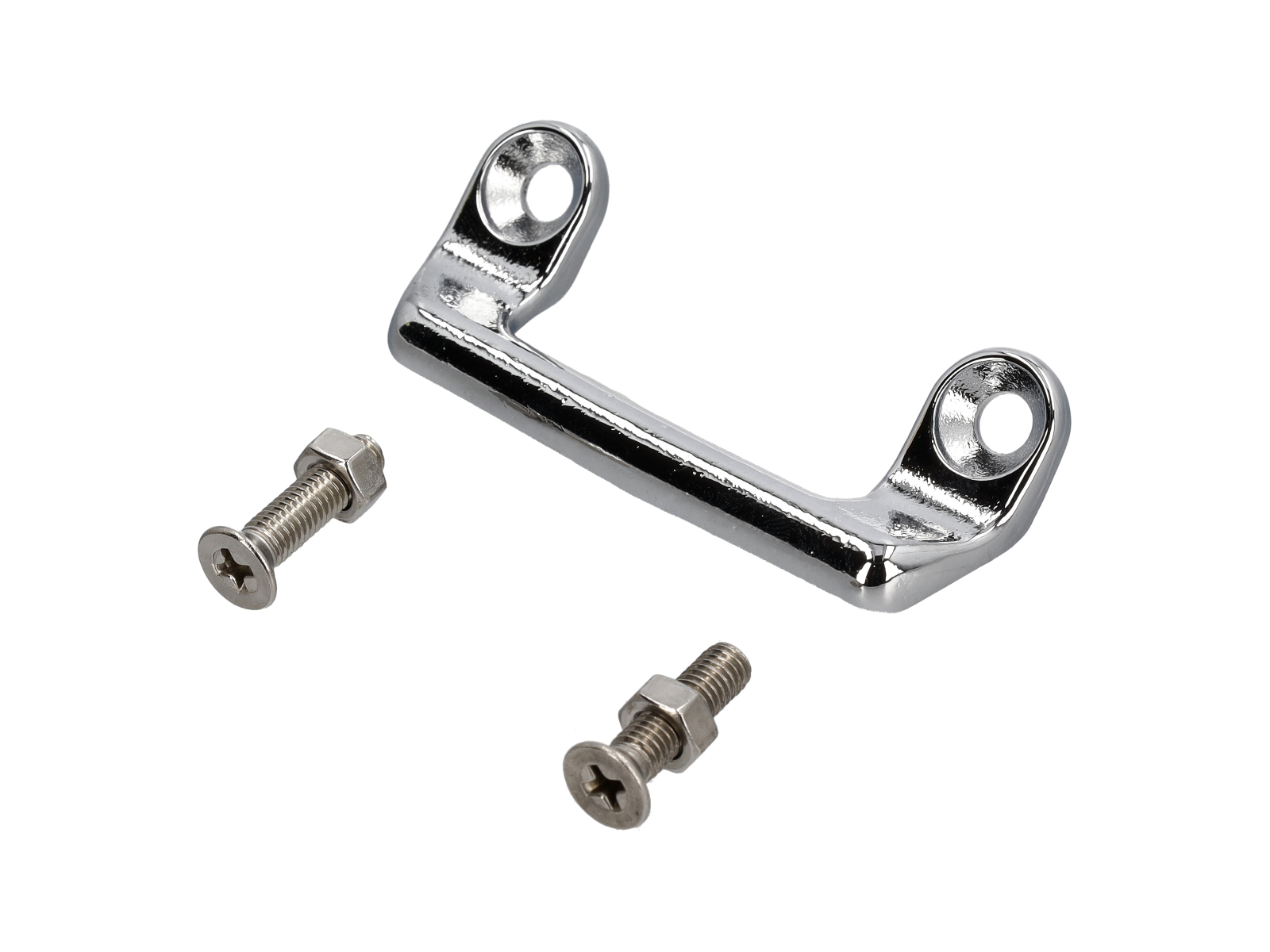
Chrome Rear Seat Strap Locking Hook
Sold each - 4 required per car
Complete your classic Porsche interior restoration with this Chrome Rear Seat Strap Locking Hook. This high-quality chrome-plated hook secures the rear seat retaining strap,
holding the folding rear seat back firmly in position when not in use.
Manufactured to OE specifications, it offers factory-style fitment and an
authentic finish, making it ideal for concours restorations or replacing worn
original components.
Fits:
- Porsche 911 1965-1968 2.0L / 912 SWB (F)
- Porsche 911 1968-1973 2.2L / 2.4L / 2.7L RS LWB (F)
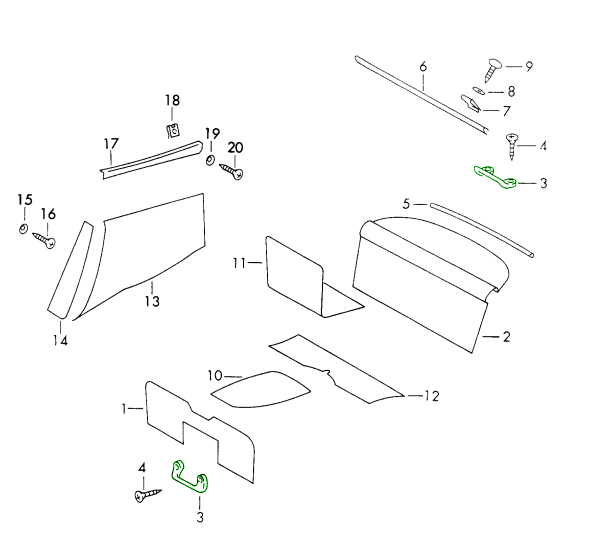
Diagram ref no 3
Although small, this component is an important finishing detail that helps maintain both the functionality and appearance of the rear interior.
What Does the Rear Seat Strap Locking Hook Do?
The locking hook provides a secure fixing point for the rear seat retaining strap. Once fastened, it holds the folding rear seat back in its correct position, preventing unwanted movement while driving and maintaining a neat, factory-correct interior.
Why Do Rear Seat Strap Hooks Fail?
After decades of use, these hooks are often affected by:
- Worn or damaged chrome plating
- Corrosion and surface pitting
- Accidental damage
- Bent or distorted hooks
- Missing components during previous repairs or restorations
A damaged or missing hook prevents the rear seat strap from securing correctly and detracts from the originality of the interior.
When Should It Be Replaced?
Replacement is recommended if the hook is:
- Missing
- Corroded or heavily pitted
- Bent or damaged
- Loose or no longer securing the strap correctly
- Being renewed as part of an interior restoration
Replacing worn interior hardware is an easy way to restore both the function and presentation of your classic Porsche.
Porsche 911 Interior Restoration Components
Attention to detail is what sets an exceptional Porsche restoration apart. Small interior fittings such as seat strap hooks, trim fixings and chrome hardware play an important role in recreating the original factory finish while ensuring every component functions correctly.
OE Match interior components offer excellent quality and factory-style fitment, making them ideal for restoring classic Porsche interiors to their original condition.
Benefits of Replacing the Rear Seat Strap Locking Hook
- Restores correct rear seat operation
- Secures the rear seat retaining strap
- Refreshes the interior appearance
- Replaces corroded or damaged original hardware
- Ideal for concours restorations
Related reference numbers
Related, superseded, cross reference or alternative numbers for comparison.
90155580120
The product you are viewing cross references to these numbers
- Porsche 911 1965-1968 2.0L / 912 SWB (F)
- Porsche 911 1968-1973 2.2L / 2.4L / 2.7L RS LWB (F)
Shop Securely
12 Month Warranty
Worldwide Delivery

2.0 litre 94mm Dished Pistons and cylinders.
Engine size: 2000cc
Stroke: 71mm stroke pistons
Cylinders: Cast Iron
Pistons: Hypereutectic aluminium alloy
Compression Height: 35.5mm
Dish cc: 10cc
Set includes: 4 pistons, 4 cylinders, 4 pins and a set of rings
Fits:
Porsche 914 1970-76
- Porsche 914 (1970-1976)
Shop Securely
12 Month Warranty
Worldwide Delivery

Clear Round Front Turn Signal Lens
Sold each - 2 required per car
Restore the original appearance and visibility of your
classic Porsche with this Clear Round Front Turn Signal Lens. This high-quality
replacement lens replicates the original factory design, providing excellent
clarity, fitment and durability. Whether you're replacing a damaged lens or
completing a concours-quality restoration, this OE Match component offers the
perfect finishing touch while maintaining the authentic look of your vehicle.
Fits:
- Porsche 356B 1959-63
- Porsche 356C 1963-65
Diagram ref no 21
Manufactured from high-quality UV-resistant material, it delivers long-lasting performance and helps keep your front lighting operating safely and effectively.
What Does the Front Turn Signal Lens Do?
The front turn signal lens protects the indicator bulb and reflector while allowing the light to be projected clearly to other road users.
Its functions include:
- Providing a clear and visible turn signal
- Protecting the lamp assembly from dirt and moisture
- Maintaining maximum light output
- Preserving the original appearance of the front lighting
A clear, undamaged lens is essential for both safety and legal road use.
Why Do Turn Signal Lenses Fail?
After years of exposure to sunlight, weather and road debris, original lenses can deteriorate.
Common causes include:
- UV fading and yellowing
- Cracks from stone chips or minor impacts
- Surface scratches and clouding
- Weathering and age-related deterioration
- Water ingress through damaged lenses
A damaged lens can reduce visibility, spoil the appearance of the vehicle and allow moisture to damage the lamp assembly.
When Should It Be Replaced?
Replacement is recommended if the lens is:
- Cracked or chipped
- Faded or cloudy
- Scratched enough to reduce light output
- Allowing water into the lamp housing
- Damaged during repairs
- Being replaced as part of a restoration
Installing a new lens restores both the appearance and effectiveness of the original lighting.
Porsche 356 Lighting & Restoration Parts
The lighting system is one of the defining styling features of the Porsche 356. Over time, original lenses often become faded, cracked or damaged, reducing both the appearance and effectiveness of the vehicle's indicators.
Replacing worn lenses with OE Match components restores the factory look while maintaining reliable signalling and protecting the original lamp units from dirt and moisture. Whether you're completing a concours restoration or simply refreshing tired lighting, quality replacement lenses help preserve the character of your classic Porsche.
Benefits of Replacing the Front Turn Signal Lens
- Restores bright, clear indicator visibility
- Refreshes the front-end appearance
- Protects the lamp assembly from moisture
- Replaces faded or damaged original lenses
- Factory-style fit and finish
- Ideal for restoration projects
Related reference numbers
Related, superseded, cross reference or alternative numbers for comparison.
64463141101
The product you are viewing cross references to these numbers
- Porsche 356B 1959-63
- Porsche 356C 1963-65
Shop Securely
12 Month Warranty
Worldwide Delivery

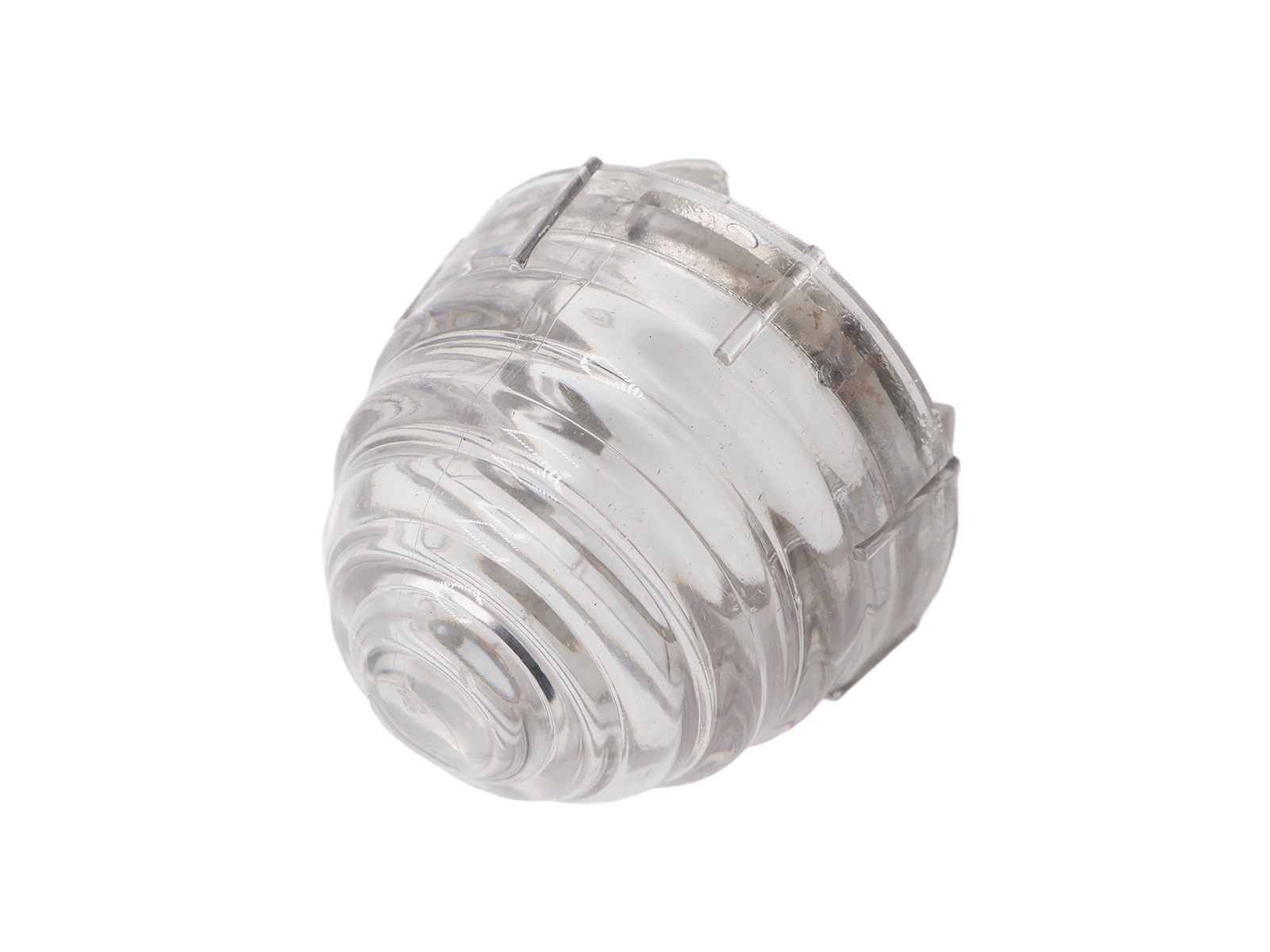
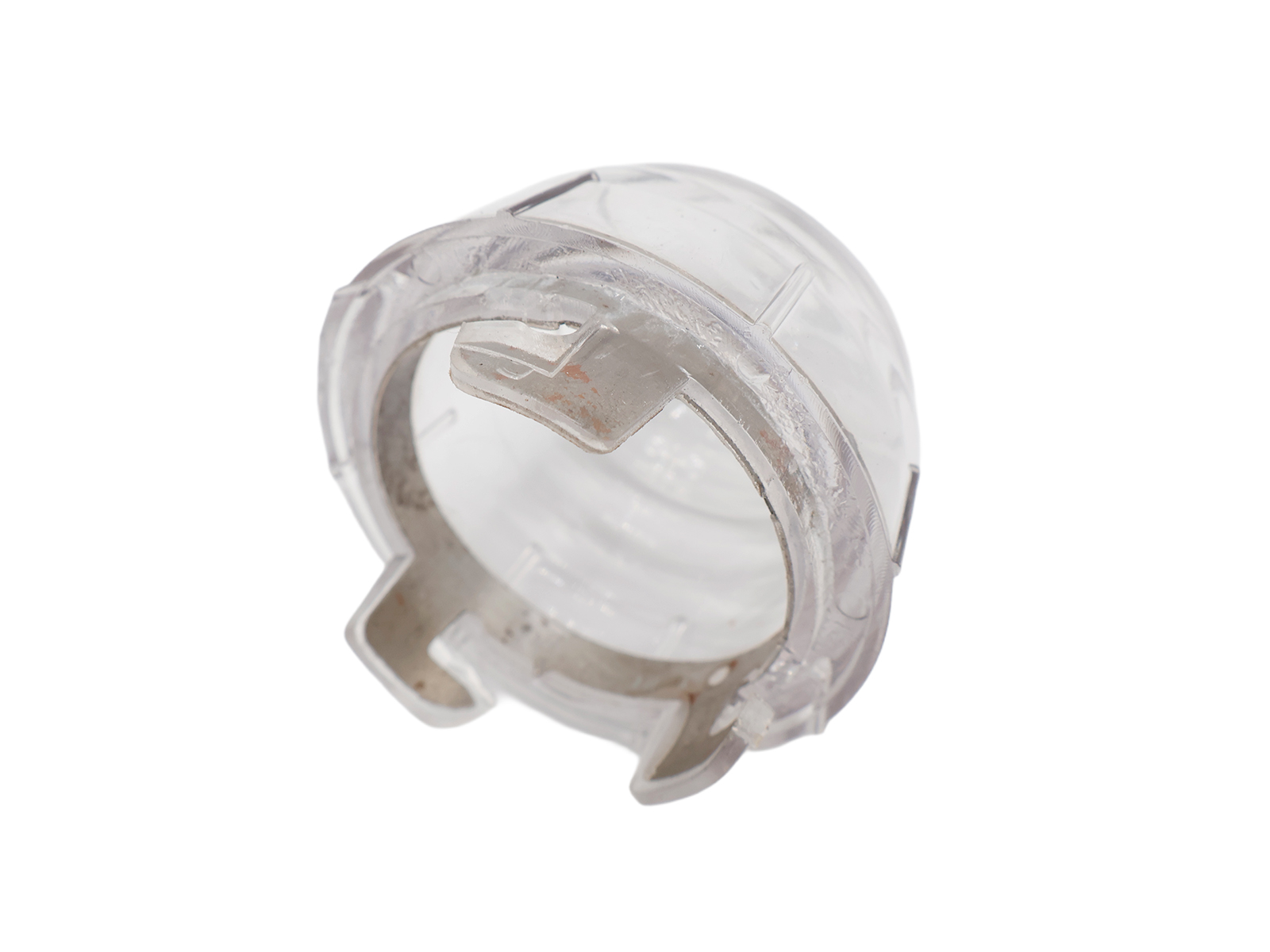
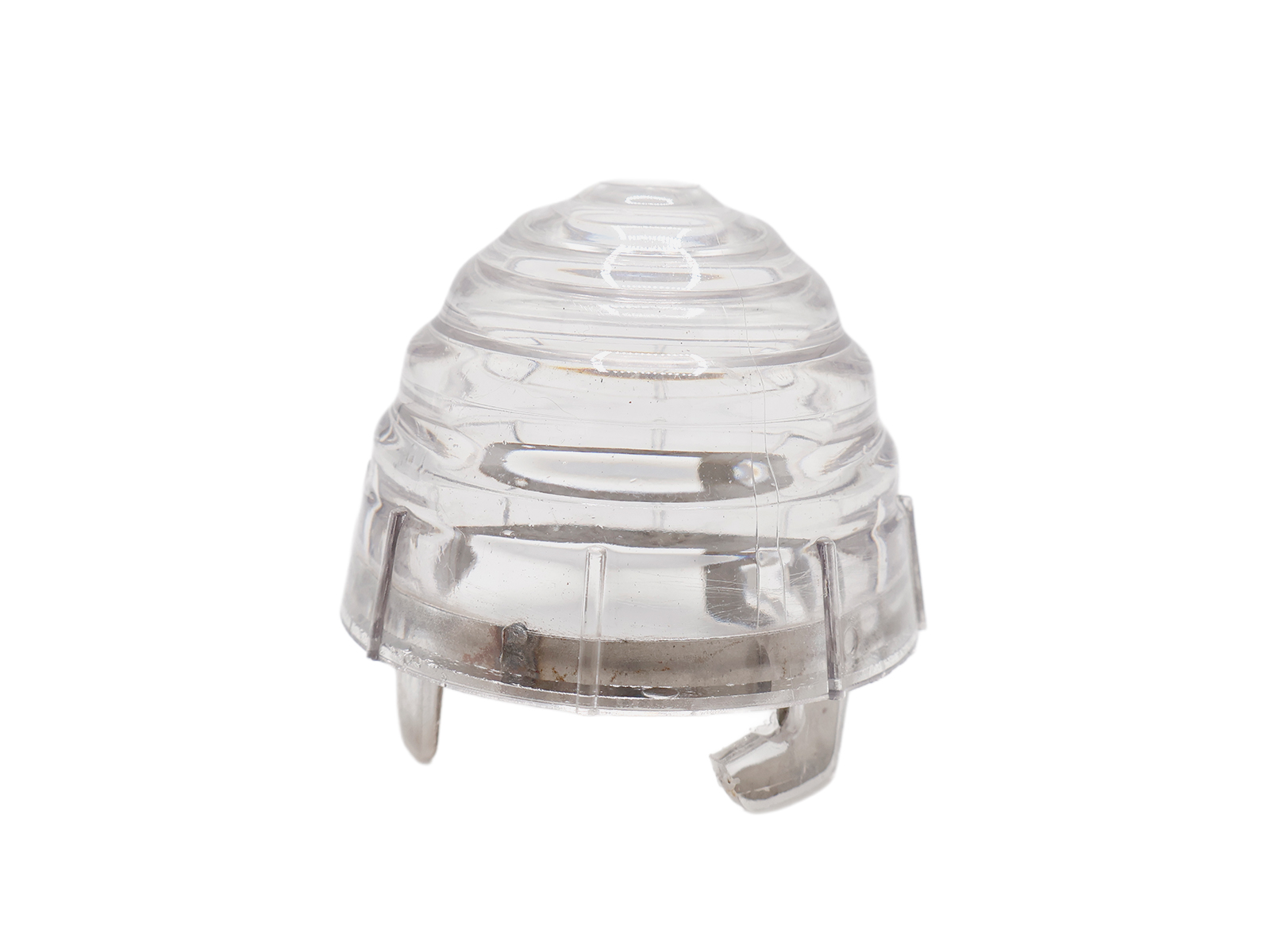
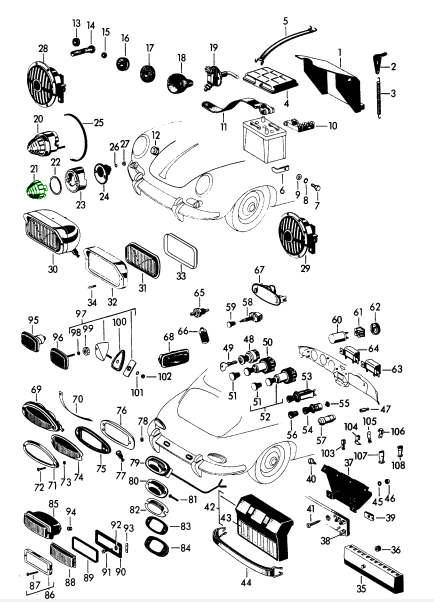
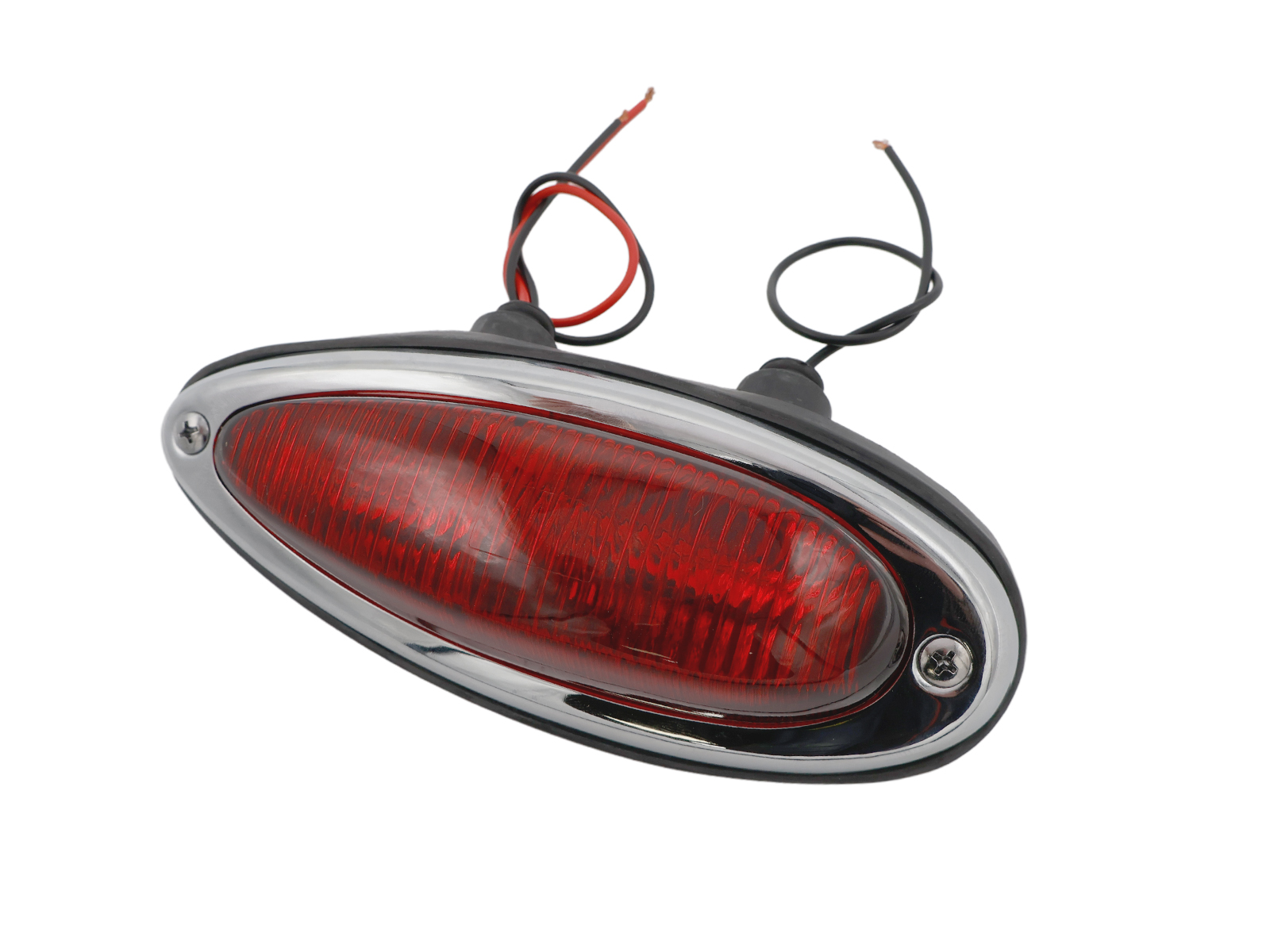
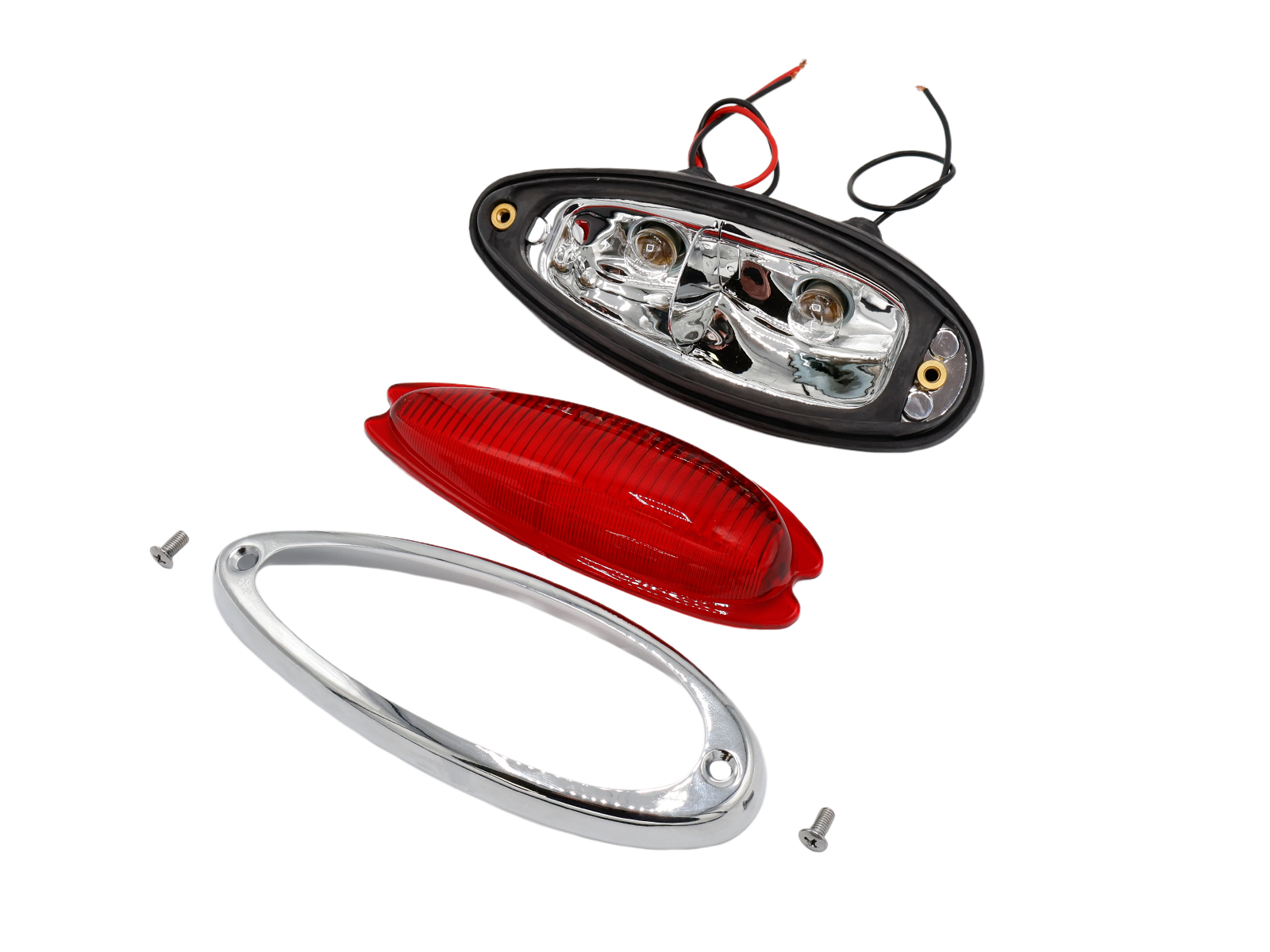
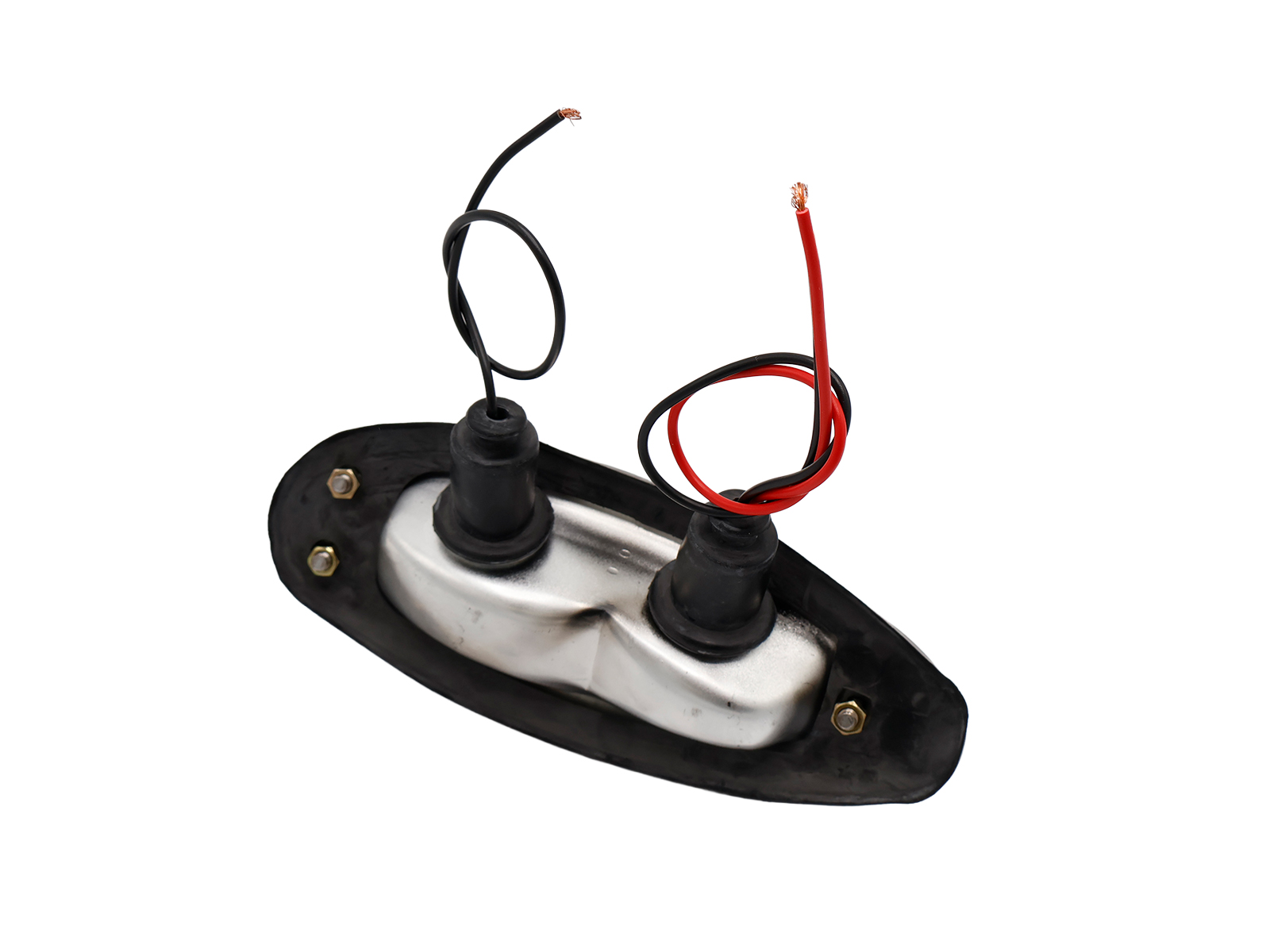
Red Rear Indicator Lens – USA cars
Restore the original appearance and safety of your classic
Porsche with these Red Rear Indicator Lenses. Suitable for USA specification
Porsche 356 models, this high-quality replacement lens faithfully reproduces
the original factory design, providing excellent clarity, fitment and
durability.
Fits:
- Porsche 356A 1955-59
- Porsche 356B 1959-63
- Porsche 356C 1963-65
Whether you're replacing a damaged lens or completing a concours-quality
restoration, this OE Match lens offers a cost-effective solution while
maintaining the authentic appearance of your rear lighting.
Manufactured from durable, UV-resistant material, it is designed to withstand years of exposure to sunlight and the elements while maintaining excellent light transmission.
What Does the Rear Indicator Lens Do?
The rear indicator lens covers and protects the bulb and reflector while ensuring the indicator signal remains bright and clearly visible to other road users.
Its functions include:
- Providing clear rear signalling
- Protecting the lamp assembly from dirt and moisture
- Maintaining maximum light output
- Preserving the original appearance of the rear light unit
A clean, undamaged lens is essential for both road safety and the classic appearance of your Porsche 356.
Why Do Rear Indicator Lenses Fail?
After decades of use, original lenses commonly deteriorate due to continuous exposure to sunlight and road conditions.
Typical causes include:
- UV fading and discolouration
- Cracks from stone chips or minor impacts
- Surface scratches and clouding
- Weathering and ageing
- Water ingress through damaged lenses
As the lens deteriorates, visibility can be reduced and moisture may enter the lamp housing, potentially damaging the reflector or electrical components.
When Should They Be Replaced?
Replacement is recommended if the lens becomes:
- Cracked or chipped
- Faded or heavily discoloured
- Scratched or cloudy
- Allowing water into the lamp housing
- Damaged during repairs
- Being renewed as part of a restoration
Replacing worn lenses restores both the appearance and effectiveness of the rear lighting system.
Porsche 356 Rear Lighting & Restoration Parts
The rear lights are one of the defining styling features of the Porsche 356 and play an essential role in road safety. Over time, original lenses become faded, cracked or weathered, reducing both visibility and the overall appearance of the vehicle.
OE Match replacement lenses provide an economical way to restore the original look of your Porsche while maintaining reliable lighting performance. Manufactured to closely match the factory specification, they are ideal for concours restorations, accident repairs and routine refurbishment.
Benefits of Replacing the Rear Indicator Lens
- Restores bright, clear rear indicator visibility
- Refreshes the appearance of the rear light unit
- Helps prevent moisture entering the lamp assembly
- Replaces faded or damaged original lenses
- Factory-style fit and finish
- Ideal for restoration projects
Related reference numbers
Related, superseded, cross reference or alternative numbers for comparison.
64463140
The product you are viewing cross references to these numbers
- Porsche 356A 1955-59
- Porsche 356B 1959-63
- Porsche 356C 1963-65
Shop Securely
12 Month Warranty
Worldwide Delivery


Monday-Friday: 8.30am - 5.30pm (GMT)
Saturday: Closed
Sunday: Closed