





Enter your VAT number here and click Verify:
Your details have been verified. VAT number registered to:
,
.
Your order will now be zero rated for VAT purposes. We reserve the right to verify these details after your order request has been made and reinstate VAT if required.
Your VAT details were not recognised or were invalid. Your VAT number must be matched to your Billing Country as specified above. This is currently specified as . You do not need to enter the country code part of your VAT number as this has already been selected in your billing address details above.
The VAT number checking service is currently offline. Please supply your VAT details within the comments or special instructions field below and we will apply a VAT discount after placing your order request.
BorgWarner

BorgWarner for Porsche
BorgWarner parts for Porsche models from Design911, focusing on turbochargers and related performance components where listed for your specific vehicle
A Quick Look at BorgWarner
BorgWarner information on this page is based on details supplied by the manufacturer or distributor, plus any OE references provided with the parts.
Choosing the Right Fit for Your Porsche
Where BorgWarner is listed for Porsche, use the supplied model coverage and OE references to confirm suitability. Check details that commonly affect fitment such as model year, engine variant, side/position, and connector or flange type where relevant.
- Typical reasons to choose these parts include resolving boost control issues, addressing drivetrain-related wear, or supporting higher performance targets on turbocharged Porsche models.
- Common symptoms that lead to replacement are boost leaks, loss of power, whistle or smoke, oil contamination, and fault codes related to boost control or sensors.
- Before blaming the turbo or boost hardware, pressure-test the intake and boost system to rule out leaks and simple hose or clamp faults.
- If you are planning a turbo upgrade, professional calibration or tuning is usually required so the engine runs safely and as intended.
Browse by Category
If you already know the area you are working on, start with the category and then filter by Porsche model. Where real-world symptoms and typical reasons to replace are provided, use them to keep the wording grounded.
Engine Cooling — Cooling parts are replaced when there are leaks, overheating, repeated low coolant warnings, or ageing hoses and clamps. For Porsche models this is often driven by sweet smells, puddles, steam, a rising temperature gauge, or gurgling after shutdown, and addressing these issues early helps protect the engine from serious damage.
- Do not continue driving a Porsche that is overheating or losing coolant rapidly, as this can cause severe engine damage.
- Check coolant level and look for staining or dampness around joints, hoses, the expansion tank, radiator, and water pump.
Engine Rebuild Parts — Engine rebuild parts are typically changed during a planned overhaul or when internal wear is suspected, such as loss of compression, heavy oil consumption, persistent oil leaks, abnormal noises, or contamination found in the oil, helping restore long-term reliability once the engine is apart.
- Before committing to a rebuild, confirm the engine’s condition with compression and leak-down tests, bore inspection, and oil/filter checks.
- When the engine is dismantled, it is common to renew chains, guides, tensioners, seals, gaskets, and hard-to-reach wear items to reduce the chance of future strip-downs.
Turbo Chargers / Intercoolers & Parts — Turbo and intercooler components are replaced when there is loss of boost, whining noises, smoke, oil contamination in the intake, or cracked and leaking pipework, and on Porsche turbo engines they are also upgraded to improve charge cooling, reduce intake temperatures, and support stable boost under demanding use.
- A boost leak can feel very similar to a failing turbo, so pressure testing the system is an important diagnostic step.
- Consider renewing turbo oil feed and return lines where recommended, as restricted or contaminated lines can shorten the life of a replacement unit.
Engine Tuning — Engine tuning parts and calibration changes are used to refine drivability, throttle response, and fuelling, or to support hardware upgrades such as intake, exhaust, or forced induction changes on Porsche engines, but they rely on a mechanically healthy base engine.
- Check compression, leak-down results, fuelling, sensor data, and for any boost or vacuum leaks before tuning a Porsche engine.
- Do not use tuning changes to mask underlying mechanical faults; resolve issues such as misfires, oil consumption, or cooling problems first.
Turbo Chargers — Turbochargers are renewed or upgraded when there is excessive shaft play, oil seal failure, damaged wheels, or confirmed inability to reach and hold target boost, and on Porsche applications this often goes hand in hand with checking oil supply, heat management, and associated gaskets and hardware.
- Deciding between rebuilding and replacing a turbo depends on the condition of the housings and the availability of parts; many units are rebuildable if the main castings are sound.
- Always inspect and clean the intake and exhaust paths, and replace recommended gaskets and oil lines, before installing a new or rebuilt turbocharger.
Explore BorgWarner at Design911
View the current BorgWarner range for Porsche at Design911, then filter by model and category to narrow down to the right parts for maintenance, troubleshooting, or performance upgrades.

The BorgWarner Turbocharger is a replacement forced-induction component for compatible Porsche applications. Designed to restore correct turbocharger operation, it helps the engine achieve the required boost pressure, power, torque and acceleration.
Fits:
- Porsche Boxster 718 2.0L Manual (300 Bhp) 2022>>
- Porsche Boxster 718 2.0L PDK (300 Bhp) 2022>>
- Porsche Cayman 718 2.0L Manual (300 Bhp) 2022>>
- Porsche Cayman 718 2.0L PDK (300 Bhp) 2022>>
DDPB / DDP / DDPA / DNY / DNYA / DPG
Diagram Ref No 1
The turbocharger uses energy from the engine's exhaust gases to drive a turbine connected to a compressor. The compressor forces additional air into the engine, allowing the engine management system to produce the required power and torque efficiently.
A worn or damaged turbocharger can cause significant reductions in performance and may lead to excessive oil consumption, smoke, abnormal noise and engine-management faults. Correct diagnosis is essential before replacement because intake leaks, boost-control problems, sensors and other engine faults can produce similar symptoms.
What This Product Does:
The turbocharger increases the amount of air supplied to the engine.
Exhaust gases leaving the engine rotate the turbocharger's turbine wheel. The turbine is connected by a shaft to the compressor wheel on the intake side.
As the compressor rotates, it compresses intake air and supplies it to the engine under pressure.
This process helps the engine produce:
- Increased power
- Increased torque
- Stronger acceleration
- Correct boost pressure
- Improved engine response
- Efficient performance from the available engine capacity
The turbocharger must operate at extremely high rotational speeds and temperatures, making correct lubrication, cooling and clean airflow essential to its service life.
Symptoms Of Wear Or Failure:
Turbocharger problems can develop through bearing wear, lubrication problems, contamination, excessive temperatures, foreign-object damage or faults elsewhere in the engine and boost-control system.
Common symptoms can include:
- Loss of engine power
- Reduced boost pressure
- Slow or delayed boost response
- Poor acceleration
- Engine warning light
- Underboost fault codes
- Overboost fault codes
- Limp-home mode
- Increased oil consumption
- Blue or grey exhaust smoke
- Oil contamination within intake or boost pipes
- Oil accumulation in the intercooler system
- Whining or siren-like turbo noise
- Grinding or scraping noises
- Excessive turbocharger shaft movement
- Damaged compressor or turbine blades
- Inconsistent or fluctuating boost pressure
These symptoms do not always prove that the turbocharger itself has failed. The complete forced-induction system should be diagnosed before replacement.
Why Replacement Matters:
A worn or damaged turbocharger can significantly affect engine performance and reliability.
Replacing a confirmed defective turbocharger can help:
- Restore correct boost pressure
- Restore engine power
- Restore torque
- Improve acceleration
- Restore throttle response
- Correct turbocharger-related noises
- Reduce turbo-related oil leakage
- Resolve confirmed turbocharger-related fault codes
- Restore reliable forced-induction operation
- Reduce the risk of further damage caused by a mechanically failing turbo
Continued operation with a severely damaged turbocharger can potentially cause secondary damage to intake, exhaust or engine components.
Related reference numbers
Related, superseded, cross reference or alternative numbers for comparison.
0PC145701E
The product you are viewing cross references to these numbers
- Porsche Boxster 718 2.0L Manual (300 Bhp) 2017>>
- Porsche Boxster 718 2.0L PDK (300 Bhp) 2017>>
- Porsche Cayman 718 2.0L Manual (300 Bhp)
- Porsche Cayman 718 2.0L PDK (300 Bhp)
 Shop Securely
 12 Month Warranty
 Worldwide Delivery

The BorgWarner Turbocharger is a replacement forced-induction component for compatible Porsche applications. Designed to replace a worn, damaged or failed turbocharger, it helps restore the boost pressure and intake airflow required for correct engine power, torque, acceleration and throttle response.
Fits:
- Porsche 9YA Cayenne Coupe Turbo GT V8 4.0L (640Hp) 2021-23
- Porsche 9YA.2 Cayenne GTS V8 4.0L Bi-Turbo Petrol 2023>>
- Porsche 9YA.2 Cayenne GTS Coupe V8 4.0L Bi-Turbo 2023>>
Diagram Ref No 1 And 2
Turbochargers operate at extremely high rotational speeds and temperatures. Correct lubrication, cooling, intake airflow, exhaust flow and boost control are therefore essential for reliable operation and long service life.
What This Product Does:
The turbocharger uses energy from the engine's exhaust gases to increase the pressure and quantity of air supplied to the engine.
Exhaust gases leaving the engine spin a turbine wheel inside the turbocharger. The turbine is connected by a shaft to a compressor wheel on the intake side. As the compressor rotates, it draws in fresh air, compresses it and supplies it to the engine under boost pressure.
Correct turbocharger operation helps:
- Generate the required boost pressure
- Increase intake airflow
- Support the intended engine power and torque
- Maintain strong acceleration
- Provide responsive power delivery
- Maintain consistent forced-induction performance
- Make effective use of exhaust-gas energy
The turbocharger works alongside the vehicle's engine-management, intake, intercooling, lubrication, cooling, exhaust and boost-control systems.
Symptoms Of Wear Or Failure:
A worn, damaged or malfunctioning turbocharger can produce a range of mechanical, performance and engine-management symptoms.
Common warning signs include:
- Loss of engine power
- Reduced boost pressure
- Slow or delayed boost response
- Poor acceleration
- Inconsistent power delivery
- Engine-management warning light
- Underboost or overboost fault codes
- Limp or reduced-power mode
- Increased engine oil consumption
- Blue or grey exhaust smoke
- Excessive oil in intake or boost pipework
- Unusual whining or siren-like noises
- Grinding or scraping noises
- Excessive turbocharger shaft play
- Compressor or turbine wheel damage
- Abnormal or fluctuating boost pressure
These symptoms do not automatically confirm turbocharger failure. Intake leaks, intercooler faults, sensors, actuators, exhaust restrictions and other boost-control problems can produce similar symptoms.
Why Replacement Matters:
A correctly functioning turbocharger is essential for maintaining the intended performance and operation of a turbocharged Porsche engine.
Replacing a confirmed worn, damaged or failed turbocharger helps:
- Restore correct boost pressure
- Restore engine power
- Restore torque
- Improve acceleration
- Restore throttle response
- Reduce abnormal turbocharger noise
- Address oil leakage caused by internal turbo wear
- Restore consistent forced-induction operation
- Support correct engine-management operation
- Reduce the risk of secondary component damage
A turbocharger suffering severe bearing, shaft, compressor or turbine damage should not remain in service.
Related reference numbers
Related, superseded, cross reference or alternative numbers for comparison.
PAB14565
The product you are viewing cross references to these numbers
- Porsche 9YA Cayenne Coupe Turbo GT V8 4.0L (640Hp) 2021-23
- Porsche 9YA.2 Cayenne GTS V8 4.0L Bi-Turbo Petrol 2023>>
- Porsche 9YA.2 Cayenne GTS Coupe V8 4.0L Bi-Turbo 2023>>
Shop Securely
12 Month Warranty
Worldwide Delivery

The BorgWarner Turbocharger is a replacement forced-induction component for compatible Porsche applications. Designed to replace a worn, damaged or failed turbocharger, it helps restore the boost pressure and increased intake airflow required for correct engine power, torque, acceleration and throttle response.
Fits:
- Porsche 971.1 Panamera Turbo 4.0L Twin-Turbo V8 Sport Turismo 2017-20
Diagram Ref No 1 And 2
Turbochargers operate at extremely high rotational speeds and temperatures. Correct engine oil supply, cooling, intake airflow, exhaust flow and boost control are therefore essential for reliable operation and long service life.
What This Product Does:
A turbocharger uses energy from the engine's exhaust gases to compress the incoming air supplied to the engine.
Exhaust gases drive a turbine wheel inside the turbocharger. The turbine is connected by a shaft to a compressor wheel on the intake side. As the compressor rotates, it draws in fresh air, compresses it and supplies it to the engine under boost pressure.
Correct turbocharger operation helps:
- Generate the required boost pressure
- Increase intake airflow
- Support the intended engine power and torque
- Maintain strong acceleration
- Provide responsive power delivery
- Maintain consistent forced-induction performance
- Make effective use of exhaust-gas energy
The turbocharger operates as part of a complete system that includes the engine management, intake, intercooling, lubrication, cooling, exhaust and boost-control components.
Symptoms Of Wear Or Failure:
A worn, damaged or failing turbocharger can produce a variety of performance, mechanical and engine-management symptoms.
Common warning signs include:
- Loss of engine power
- Reduced boost pressure
- Slow or delayed boost response
- Poor acceleration
- Inconsistent power delivery
- Engine-management warning light
- Underboost or overboost fault codes
- Limp or reduced-power mode
- Increased engine oil consumption
- Blue or grey exhaust smoke
- Excessive oil in intake or boost pipework
- Unusual whining or siren-like noises
- Grinding or scraping noises
- Excessive turbocharger shaft play
- Compressor or turbine wheel damage
- Abnormal or fluctuating boost pressure
These symptoms do not automatically confirm turbocharger failure. Boost leaks, intercooler problems, sensors, actuators, exhaust restrictions and other engine-management faults can produce similar symptoms.
The system should be correctly diagnosed before replacing the turbocharger.
Why Replacement Matters:
A correctly functioning turbocharger is essential for maintaining the intended performance and operation of a turbocharged Porsche engine.
Replacing a confirmed worn or damaged turbocharger helps:
- Restore correct boost pressure
- Restore engine power
- Restore torque
- Improve acceleration
- Restore throttle response
- Reduce abnormal turbocharger noise
- Address oil leakage caused by internal turbo wear
- Restore consistent forced-induction operation
- Support correct engine-management operation
- Reduce the risk of secondary component damage
A turbocharger suffering severe bearing, shaft, compressor or turbine damage should not remain in service.
Related reference numbers
Related, superseded, cross reference or alternative numbers for comparison.
PAB14570
The product you are viewing cross references to these numbers
- Porsche 971.1 Panamera Turbo 4.0L Twin-Turbo V8 Sport Turismo 2017-20
Shop Securely
12 Month Warranty
Worldwide Delivery

The 991.2 Carrera S uses Porsche's turbocharged 3.0-litre flat-six engine with two turbochargers, one dedicated to each cylinder bank. Correct turbocharger specification is essential for maintaining the engine's intended boost response, power delivery and drivability.
The turbochargers are sold individually, allowing you to replace only the affected side when required.
BorgWarner ref no 53039880740
BorgWarner ref no 53039880741
Fits:
Porsche 991.2 Carrera S / Carrera 4S / Targa 4S 3.0L 2017 – 2019
* engine code: DCH, DCHA
* WITHOUT (X51) Powerkit / WITHOUT (147) Carrera Power kit
Important Fitment Information:
These turbochargers are designed for the 420 PS Carrera S-specification 3.0L engine. They should not be confused with the smaller turbochargers fitted to the standard Carrera / Carrera 4 / Targa 4 models. They are also not the same turbocharger specification as that used on the higher-output 991.2 GTS.
BorgWarner Turbocharger Technology
BorgWarner is one of the world's leading manufacturers of turbocharging systems for passenger and performance vehicles.
The K03 turbochargers used on the Porsche 991.2 Carrera S are engineered to provide a balance of fast response, efficient airflow and the boost capacity required by Porsche's 420 PS 3.0L flat-six engine.
A correctly operating turbocharger is essential to maintaining:
• Correct boost pressure
• Strong acceleration
• Responsive throttle behaviour
• Consistent engine power
• Efficient airflow
• Correct engine management operation
• Fuel efficiency
• Exhaust emissions performance
Using the correct BorgWarner replacement unit allows the vehicle to retain the turbocharger specification intended for the standard Porsche ECU calibration.
Signs of a Worn or Failing Turbocharger
Turbochargers operate under extremely demanding conditions, including very high rotational speeds, exhaust temperatures and lubrication requirements.
Possible symptoms of turbocharger wear or failure include:
• Reduced engine power
• Loss of boost pressure
• Slow or inconsistent boost response
• Whining or unusual turbocharger noise
• Excessive exhaust smoke
• Increased oil consumption
• Oil leakage around the turbocharger
• Boost-pressure fault codes
• Check-engine warning
• Excessive shaft play
• Poor acceleration
These symptoms are not always caused by the turbocharger itself. Correct diagnosis should be carried out before replacement.
Diagnose the Cause Before Replacement
Turbocharger failure can sometimes be caused by another engine or intake-system fault.
Before installing a new turbocharger, inspect:
• Engine oil condition
• Turbocharger oil supply lines
• Turbocharger oil return lines
• Engine oil pressure
• Intake pipework
• Air filter
• Charge-air hoses
• Intercoolers
• Exhaust system
• Electronic wastegate actuator system
• Boost-pressure control system
• Crankcase ventilation system
• Foreign-object damage
Failure to correct the original cause can result in premature damage to the replacement turbocharger.
Related reference numbers
Related, superseded, cross reference or alternative numbers for comparison.
9A212303
The product you are viewing cross references to these numbers
- Porsche 991.2 Carrera 2S / GTS 3.0L (420/450 Bhp) 2016-19
- Porsche 991.2 Carrera 4S / GTS 3.0L (420/450 Bhp) 2016-19
- Porsche 991.2 Cabriolet 2S / GTS 3.0L (420/450 Bhp) 2016-19
- Porsche 991.2 Cabriolet 4S / GTS 3.0L (420/450 Bhp) 2016-19
- Porsche 991.2 Targa 4S / GTS 3.0L (420/450 Bhp) 2016-19
Shop Securely
12 Month Warranty
Worldwide Delivery

The 991.2 Carrera introduced Porsche's twin-turbocharged 3.0-litre flat-six engine, using a dedicated turbocharger for each cylinder bank. These BorgWarner units provide a direct replacement solution for the original turbochargers while retaining the factory-style boost characteristics, response and drivability of the standard engine.
The turbochargers are sold individually, allowing you to replace only the affected side when required.
BorgWarner ref no 53039880738
BorgWarner ref no 53039880739
Fits:
Porsche 991.2 Carrera / Carrera 4 / Carrera T 3.0L 2017 - 2019
* engine code: DCK, DCKA
BorgWarner Turbocharger Technology
BorgWarner has extensive experience developing turbocharging systems for modern high-performance petrol engines.
The K03.3 turbochargers used on the 991.2 Carrera are engineered to provide rapid boost response together with the airflow required by Porsche's 3.0L twin-turbo flat-six.
Correct turbocharger operation is critical to:
• Boost pressure control
• Engine performance
• Throttle response
• Airflow delivery
• Fuel efficiency
• Exhaust emissions
• Overall engine reliability
Replacing a failed factory turbo with the correct BorgWarner unit allows the original engine and ECU calibration to operate with the appropriate turbocharger specification.
Signs of a Worn or Failing Turbocharger
A turbocharger operates at extremely high rotational speeds and temperatures. Wear can develop over time due to mileage, lubrication problems, contamination or other engine-related issues.
Possible symptoms can include:
• Reduced engine power
• Loss of boost pressure
• Slow or inconsistent boost response
• Whining or unusual turbocharger noise
• Excessive exhaust smoke
• Increased oil consumption
• Oil leakage around the turbocharger
• Boost-pressure fault codes
• Check-engine warning
• Excessive shaft play
• Poor acceleration
Turbocharger symptoms can also be caused by other components, including boost hoses, actuators, sensors, oil supply problems or intake leaks, so correct diagnosis is recommended before replacement.
Important – Diagnose the Cause of Turbo Failure
Before fitting a replacement turbocharger, the cause of the original failure should be identified and corrected.
We recommend inspecting:
• Turbocharger oil supply and return lines
• Engine oil condition and pressure
• Intake system
• Air filter Charge-air hoses and connections
• Intercoolers
• Exhaust system
• Boost-pressure control system
• Wastegate operation
• Crankcase ventilation system
• Foreign-object damage
Installing a new turbocharger without correcting an underlying oil, intake or boost-control problem can result in premature failure of the replacement unit.
Related reference numbers
Related, superseded, cross reference or alternative numbers for comparison.
9A212302
The product you are viewing cross references to these numbers
- Porsche 991.2 Carrera 2 3.0L (370 Bhp) 2016-19
- Porsche 991.2 Carrera 4 3.0L (370 Bhp) 2016-19
- Porsche 991.2 Cabriolet 2 3.0L (370 Bhp) 2016-19
- Porsche 991.2 Cabriolet 4 3.0L (370 Bhp) 2016-19
- Porsche 991.2 Targa 4 3.0L (370 Bhp) 2016-19
Shop Securely
12 Month Warranty
Worldwide Delivery

The BorgWarner Turbocharger is a replacement forced-induction component for compatible Porsche applications. Designed to replace a worn, damaged or failed turbocharger, it helps restore the boost pressure and airflow required for correct engine power, torque and response.
Fits:
- Porsche Boxster S 718 2.5L Manual (350 Bhp) 07/2022>>
- Porsche Boxster S 718 2.5L PDK (350 Bhp) 07/2022>>
- Porsche Boxster GTS 718 2.5L Manual (365 Bhp) 07/2022>>
- Porsche Boxster GTS 718 2.5L PDK (365 Bhp) 07/2022>>
- Porsche Cayman S 718 2.5L Manual (350 Bhp) 07/2022>>
- Porsche Cayman S 718 2.5L PDK (350 Bhp) 07/2022>>
- Porsche Cayman GTS 718 2.5L Manual (365 Bhp) 07/2022>>
- Porsche Cayman GTS 718 2.5L PDK (365 Bhp) 07/2022>>
Diagram Ref No 1
A turbocharger uses energy contained in the engine's exhaust gases to spin a turbine wheel. This turbine is connected by a shaft to a compressor wheel on the intake side. As the compressor rotates, it draws in and compresses fresh air before supplying it to the engine.
Because a turbocharger operates at extremely high rotational speeds and temperatures, correct lubrication, cooling, intake airflow, exhaust flow and boost control are essential to its reliability.
What This Product Does:
The turbocharger increases the pressure and quantity of air supplied to the engine.
Exhaust gases leaving the engine drive the turbine wheel. A shaft connects this turbine to the compressor wheel on the intake side of the turbocharger.
As the compressor wheel rotates, it compresses incoming air and supplies it to the engine under pressure.
This helps:
- Generate the required boost pressure
- Increase available intake airflow
- Support the intended engine power and torque
- Improve acceleration
- Maintain correct throttle response
- Provide consistent forced-induction performance
- Make effective use of exhaust-gas energy
The turbocharger works together with the engine-management, intake, intercooling, exhaust, lubrication, cooling and boost-control systems.
Symptoms Of Wear Or Failure:
A worn, damaged or malfunctioning turbocharger can cause a variety of mechanical and performance-related symptoms.
Common warning signs include:
- Loss of engine power
- Reduced boost pressure
- Slow or delayed boost response
- Poor acceleration
- Inconsistent power delivery
- Engine-management warning light
- Underboost or overboost fault codes
- Limp or reduced-power mode
- Increased engine oil consumption
- Blue or grey exhaust smoke
- Excessive oil in intake or boost pipework
- Whining or siren-like noises
- Grinding or scraping noises
- Excessive turbocharger shaft play
- Damaged compressor or turbine blades
- Abnormal boost fluctuations
These symptoms do not automatically confirm turbocharger failure. Intake leaks, intercooler problems, sensors, actuators and other boost-control components can produce similar symptoms.
Correct diagnosis should therefore be carried out before replacement.
Why Replacement Matters:
A correctly functioning turbocharger is essential to maintaining the intended performance of a turbocharged Porsche engine.
Replacing a confirmed worn or damaged turbocharger helps:
- Restore correct boost pressure
- Restore engine power
- Restore torqueImprove acceleration
- Restore throttle response
- Reduce abnormal turbocharger noise
- Address oil leakage caused by internal turbo wear
- Restore reliable forced-induction operation
- Support correct engine-management operation
- Reduce the risk of secondary component damage
A turbocharger showing severe mechanical deterioration should not remain in service.
Related reference numbers
Related, superseded, cross reference or alternative numbers for comparison.
0PC145701D
The product you are viewing cross references to these numbers
- Porsche Boxster S 718 2.5L Manual (350 Bhp) 05/2017>>
- Porsche Boxster S 718 2.5L PDK (350 Bhp) 05/2017>>
- Porsche Boxster GTS 718 2.5L Manual (365 Bhp) 05/2017>>
- Porsche Boxster GTS 718 2.5L PDK (365 Bhp) 05/2017>>
- Porsche Cayman S 718 2.5L Manual (350 Bhp)
- Porsche Cayman S 718 2.5L PDK (350 Bhp)
- Porsche Cayman GTS 718 2.5L Manual (365 Bhp)
- Porsche Cayman GTS 718 2.5L PDK (365 Bhp)
Shop Securely
12 Month Warranty
Worldwide Delivery

The BorgWarner Turbocharger is a replacement forced-induction component for compatible Porsche applications. It is designed to restore the boost pressure and airflow required for the engine to produce its intended power, torque and response when the existing turbocharger has become worn, damaged or faulty.
Fits:
- Porsche 992.1 Carrera 2 3.0L 2019-24
- Porsche 992.1 Carrera 4 3.0L 2019-24
- Porsche 992.1 Carrera 2 Cabriolet 3.0L 2019-24
- Porsche 992.1 Carrera 4 Cabriolet 3.0L 2019-24
- Porsche 992.1 Targa 4 3.0L 2020-24
Diagram Ref No 1 And 2
A turbocharger operates by using energy from the engine's exhaust gases to spin a turbine. This turbine is connected by a shaft to a compressor wheel, which compresses the incoming air before it enters the engine.
Because turbochargers operate at extremely high rotational speeds and temperatures, correct lubrication, cooling, intake airflow, exhaust flow and boost control are essential for reliable operation.
What This Product Does:
The turbocharger increases the quantity and pressure of air supplied to the engine.
Exhaust gases leaving the engine drive the turbocharger's turbine wheel. The turbine is connected to a compressor wheel on the intake side.
As the compressor rotates, it draws in and compresses fresh air before supplying it to the engine.
This helps the engine to:
- Generate the required boost pressure
- Receive increased intake airflow
- Produce the intended power and torque
- Deliver strong acceleration
- Maintain correct throttle response
- Provide consistent forced-induction performance
The turbocharger works together with the engine-management, intake, intercooling, exhaust, lubrication, cooling and boost-control systems.
Symptoms Of Wear Or Failure:
A worn or damaged turbocharger can cause a range of performance, mechanical and engine-management symptoms.
Common warning signs include:
- Loss of engine power
- Reduced boost pressure
- Slow boost response
- Poor acceleration
- Inconsistent power delivery
- Engine-management warning light
- Underboost or overboost fault codes
- Reduced-power or limp mode
- Increased engine oil consumption
- Blue or grey exhaust smoke
- Excessive oil in intake or boost pipework
- Unusual whining or siren-like noises
- Grinding or scraping noises
- Excessive turbocharger shaft play
- Damaged compressor or turbine blades
- Abnormal boost fluctuations
These symptoms do not automatically confirm turbocharger failure. Intake leaks, boost-control faults, sensor problems and other engine issues can produce similar symptoms, so correct diagnosis is essential.
Why Replacement Matters:
A correctly functioning turbocharger is essential to the performance of a turbocharged Porsche engine.
Replacing a confirmed worn or damaged turbocharger helps:
- Restore correct boost pressure
- Restore engine power
- Restore torque
- Improve acceleration
- Restore throttle response
- Correct turbocharger-related mechanical noise
- Address oil leakage caused by internal turbo wear
- Restore reliable forced-induction operation
- Support correct engine-management operation
- Reduce the risk of secondary component damage
A turbocharger showing severe mechanical damage should not remain in service.
Related reference numbers
Related, superseded, cross reference or alternative numbers for comparison.
0PB14570
The product you are viewing cross references to these numbers
- Porsche 992.1 Carrera 2 3.0L 2019-24
- Porsche 992.1 Carrera 4 3.0L 2019-24
- Porsche 992.1 Carrera 2 Cabriolet 3.0L 2019-24
- Porsche 992.1 Carrera 4 Cabriolet 3.0L 2019-24
- Porsche 992.1 Targa 4 3.0L 2020-24
Shop Securely
12 Month Warranty
Worldwide Delivery

The BorgWarner Turbocharger is a replacement forced-induction component for compatible Porsche applications, designed to restore correct boost pressure, airflow and engine performance when the existing turbocharger has become worn or damaged.
Fits:
- Porsche 992.1 Carrera 2 3.0L 2019-24
- Porsche 992.1 Carrera 4 3.0L 2019-24
- Porsche 992.1 Carrera 2 Cabriolet 3.0L 2019-24
- Porsche 992.1 Carrera 4 Cabriolet 3.0L 2019-24
- Porsche 992.1 Targa 4 3.0L 2020-24
- Porsche 992.2 Carrera 2 3.0L 2024>>
Diagram Ref No 1 And 2
A turbocharger uses energy from the engine's exhaust gases to drive a turbine connected to a compressor wheel. The compressor increases the pressure and quantity of air supplied to the engine, allowing the engine-management system to deliver the intended levels of power, torque and response.
Turbochargers operate at extremely high rotational speeds and temperatures and depend on clean lubrication, correct cooling, unrestricted intake and exhaust flow, and properly functioning boost-control systems. Bearing wear, oil-supply problems, foreign-object damage, excessive temperatures or control faults can eventually cause turbocharger deterioration or complete failure.
Replacing a confirmed faulty turbocharger helps restore correct boost pressure and engine performance while reducing the risk of further damage to associated intake, exhaust and engine components.
What This Product Does:
The turbocharger increases the amount of air supplied to the engine by using energy that would otherwise leave through the exhaust.
Exhaust gases spin the turbine wheel. A shaft connects this turbine to a compressor wheel on the intake side.
As the compressor rotates, it compresses incoming air and supplies it to the engine under pressure.
This helps:
- Generate the required boost pressure
- Increase available intake airflow
- Increase engine power and torque
- Improve acceleration and engine response
- Make effective use of exhaust-gas energy
The turbocharger works together with the intake, intercooling, exhaust, lubrication, cooling and electronic engine-management systems.
Symptoms Of Wear Or Failure:
Common symptoms associated with turbocharger deterioration can include:
- Loss of engine power
- Reduced boost pressure
- Slow boost response
- Poor acceleration
- Inconsistent power delivery
- Engine-management warning light
- Underboost or overboost fault codes
- Limp or reduced-power mode
- Increased engine oil consumption
- Blue or grey exhaust smoke
- Excessive oil in intake pipework
- Whining or siren-like noises
- Grinding or scraping noises
- Excessive turbocharger shaft play
- Damaged compressor or turbine blades
- Abnormal boost fluctuations
These symptoms can also be caused by faults elsewhere in the engine or boost system. Proper diagnosis should therefore be carried out before replacing the turbocharger.
Why Replacement Matters:
Replacing a confirmed worn or damaged turbocharger helps restore the intended operation of the forced-induction system.
A correctly functioning replacement can help:
- Restore boost pressure
- Restore engine power
- Restore torque
- Improve acceleration
- Restore throttle response
- Correct turbocharger-related mechanical noise
- Address oil leakage caused by internal turbo wear
- Restore reliable forced-induction operation
- Support correct engine-management operation
- Reduce the risk of secondary component damage
A severely damaged turbocharger should not remain in service.
Related reference numbers
Related, superseded, cross reference or alternative numbers for comparison.
0PB14570
The product you are viewing cross references to these numbers
- Porsche 992.1 Carrera 2 3.0L 2019-24
- Porsche 992.1 Carrera 4 3.0L 2019-24
- Porsche 992.1 Carrera 2 Cabriolet 3.0L 2019-24
- Porsche 992.1 Carrera 4 Cabriolet 3.0L 2019-24
- Porsche 992.1 Targa 4 3.0L 2020-24
- Porsche 992.2 Carrera 2 3.0L 2024>>
- Porsche 992.2 Carrera 2S 3.0L 2024>>
- Porsche 992.2 Carrera T 3.0L 2024>>
- Porsche 992.2 Carrera 4S 3.0L 2024>>
Shop Securely
12 Month Warranty
Worldwide Delivery

This turbo is a direct installation in replacement of your factory turbos.
BorgWarner ref no 57439881306
Fits:
Porsche 95B.1 2.0L Macan 2014 - 2018
* engine code: CNCC,CNC, CYNA,CYPA, CYP,CYNB,CYN
The turbocharger is essential for maintaining the performance and efficiency of your Macan's engine. A worn or failing turbo can cause reduced boost pressure, poor acceleration, increased fuel consumption, excessive smoke, and potential engine damage if left unchecked.
When to Replace a Turbocharger
• Loss of power or sluggish acceleration
• Excessive blue or grey exhaust smoke
• Unusual whistling, whining, or rattling noises from the turbo
• Increased oil consumption
• Engine management or boost pressure fault codes
• Visible damage to the turbine or compressor assembly
Related reference numbers
Related, superseded, cross reference or alternative numbers for comparison.
PAC145874A
The product you are viewing cross references to these numbers
- Porsche 95B.1 Macan Petrol 2.0L (237Bhp) 2014-18
Shop Securely
12 Month Warranty
Worldwide Delivery

These turbos are a direct installation in replacement of your factory turbos.
BorgWarner ref no: 53039880844
Fits:
Porsche 95B.2 Macan V4 2.0L 2021>> (T2B)
Porsche 9YA.2 Cayenne V4 2.0L 2021>> (T4H)
Related reference numbers
Related, superseded, cross reference or alternative numbers for comparison.
9A7145702
The product you are viewing cross references to these numbers
- Porsche 95B.2 Macan Petrol 2.0L (245Bhp) 2019-21
Shop Securely
12 Month Warranty
Worldwide Delivery

Fits:
Porsche 918 Spyder 2015
Diagram Ref No 2
Related reference numbers
Related, superseded, cross reference or alternative numbers for comparison.
91810628100
The product you are viewing cross references to these numbers

- Porsche 918 Spyder 4.6L 2014-15
Shop Securely
12 Month Warranty
Worldwide Delivery

Fits:
Porsche 982 (718) Boxster S 2.5L 2017>>
Porsche 982C (718C) Cayman S 2.5L 2017>>
REPLACEMENT
These turbos are a direct installation in replacement of your factory turbos.
Previous part OE numbers:
9A212302205, 9A212302204, 9A212302203, 9A212302202,
Diagram ref no 1
Related reference numbers
Related, superseded, cross reference or alternative numbers for comparison.
9A212302206
The product you are viewing cross references to these numbers
- Porsche Boxster S 718 2.5L Manual (350 Bhp) 05/2017>>
- Porsche Boxster S 718 2.5L PDK (350 Bhp) 05/2017>>
- Porsche Cayman S 718 2.5L Manual (350 Bhp)
- Porsche Cayman S 718 2.5L PDK (350 Bhp)
Shop Securely
12 Month Warranty
Worldwide Delivery

Fits:
Porsche 982 (718) Boxster 2.0L 2017>>
Porsche 982C (718C) Cayman 2.0L 2017>>
REPLACEMENT
These turbos are a direct installation in replacement of your factory turbos.
Previous part OE numbers:
9A212302106, 9A212302105, 9A212302104, 9A212302103, 9A212302102, 9A212302101
Diagram ref no 1
Related reference numbers
Related, superseded, cross reference or alternative numbers for comparison.
9A212302106
The product you are viewing cross references to these numbers
- Porsche Boxster 718 2.0L Manual (300 Bhp) 2017>>
- Porsche Boxster 718 2.0L PDK (300 Bhp) 2017>>
- Porsche Cayman 718 2.0L Manual (300 Bhp)
- Porsche Cayman 718 2.0L PDK (300 Bhp)
Shop Securely
12 Month Warranty
Worldwide Delivery

BorgWarner ref no 53049880298 / 53049880299
Fits:
Porsche 911 (991.2) Carrera S Power Kit 2016-2019
Porsche 911 (991.2) Carrera GTS 2016-2019 (X51) Powerkit 331/340kW
REPLACEMENT
These turbos are a direct installation in replacement of your factory turbos.
Previous part OE numbers:
9A212303155, 9A212303154, 9A212303152
9A212303255, 9A212303254, 9A212303252
Diagram ref no 25
Related reference numbers
Related, superseded, cross reference or alternative numbers for comparison.
9A212303
The product you are viewing cross references to these numbers
- Porsche 991.2 Carrera 2S / GTS 3.0L (420/450 Bhp) 2016-19
- Porsche 991.2 Carrera 4S / GTS 3.0L (420/450 Bhp) 2016-19
- Porsche 991.2 Cabriolet 4S / GTS 3.0L (420/450 Bhp) 2016-19
Shop Securely
12 Month Warranty
Worldwide Delivery

BorgWarner ref no 18559980070
Fits:
Porsche 982 (718) Boxster GTS 2.5L 2017>>
Reconditioned units are sold on an exchange basis, A surcharge of £307.69 will be held and then refunded when the old one is returned.
REPLACEMENT
These turbos are a direct installation in replacement of your factory turbos.
Previous part OE numbers:
0PC145701
Click 'Zoom in' for large parts diagram.
Diagram ref no 1
Related reference numbers
Related, superseded, cross reference or alternative numbers for comparison.
0PC145701A
The product you are viewing cross references to these numbers
- Porsche Boxster GTS 718 2.5L Manual (365 Bhp) 05/2017>>
- Porsche Boxster GTS 718 2.5L PDK (365 Bhp) 05/2017>>
- Porsche Cayman GTS 718 2.5L Manual (365 Bhp)
- Porsche Cayman GTS 718 2.5L PDK (365 Bhp)
Shop Securely
12 Month Warranty
Worldwide Delivery


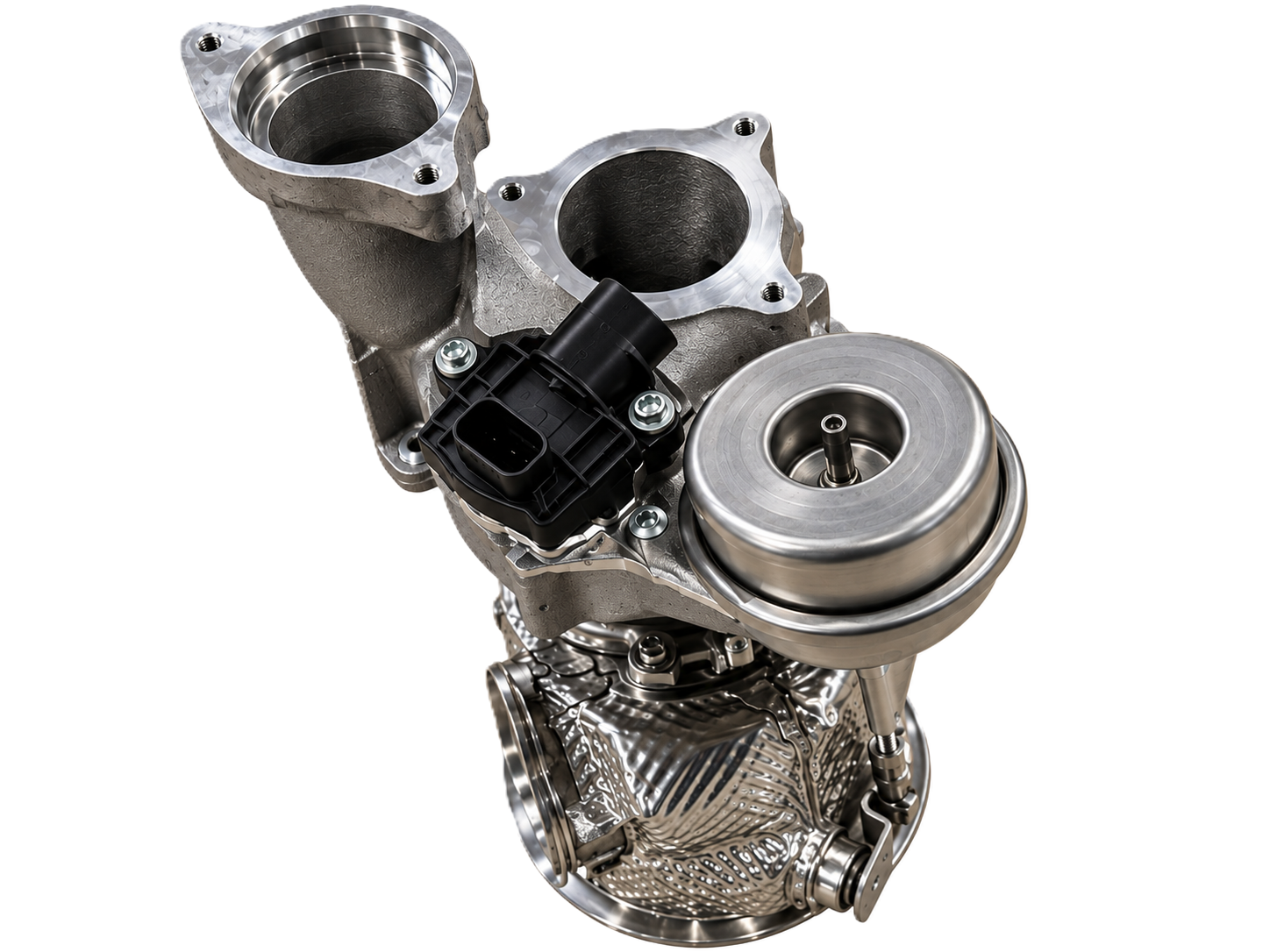
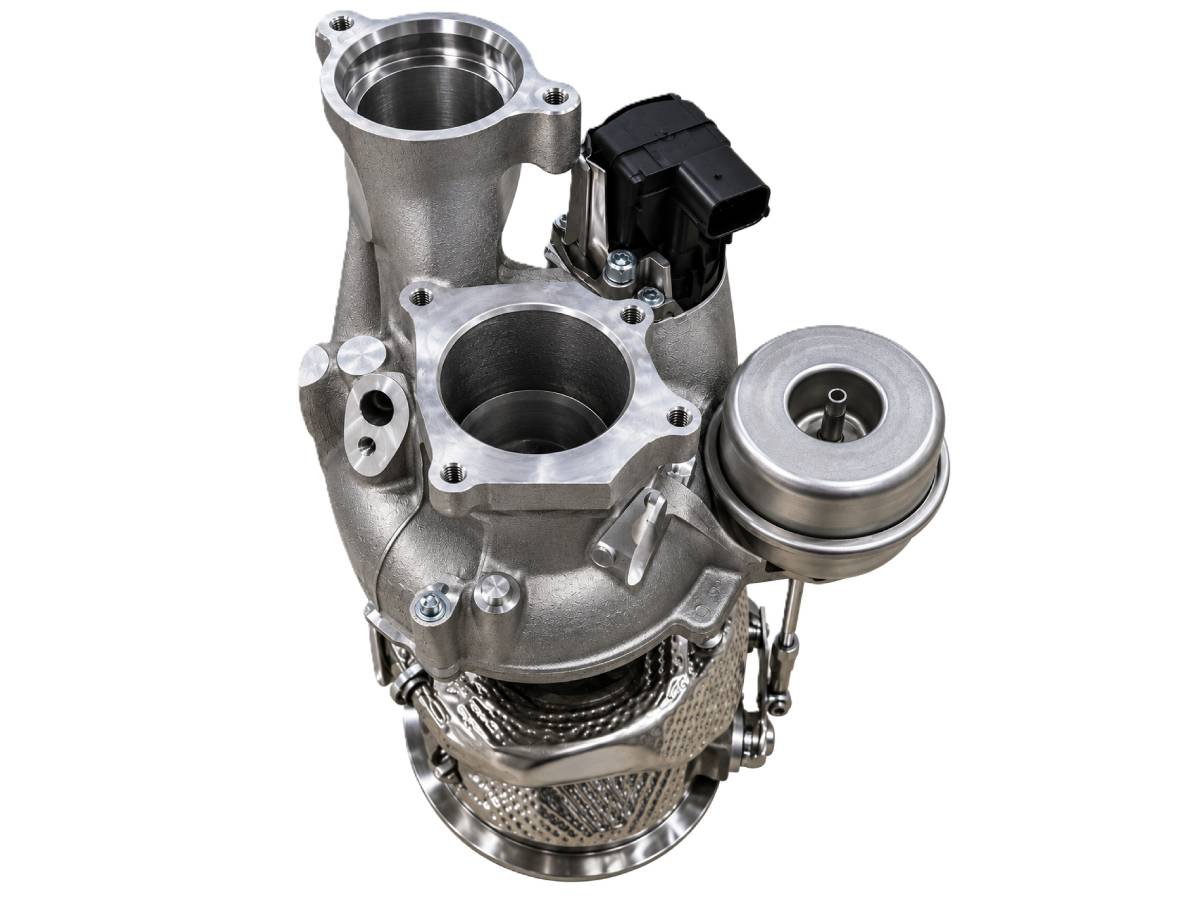
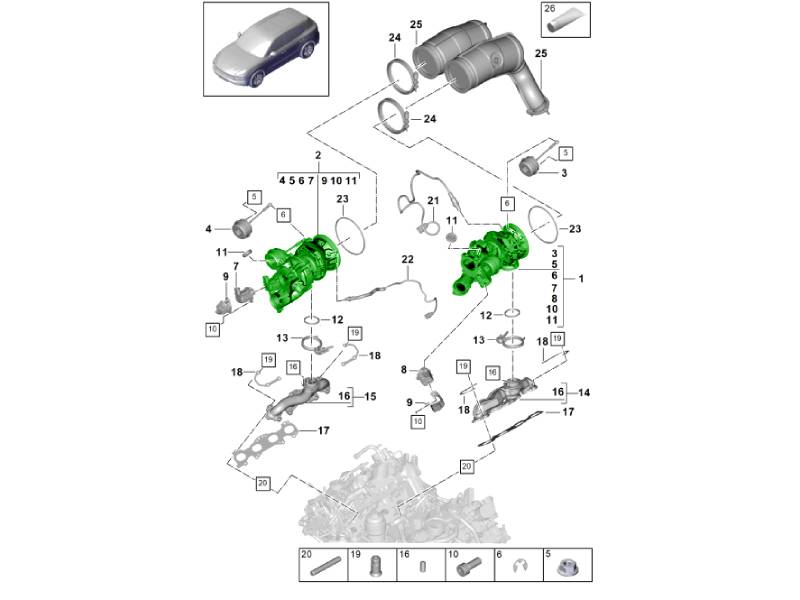
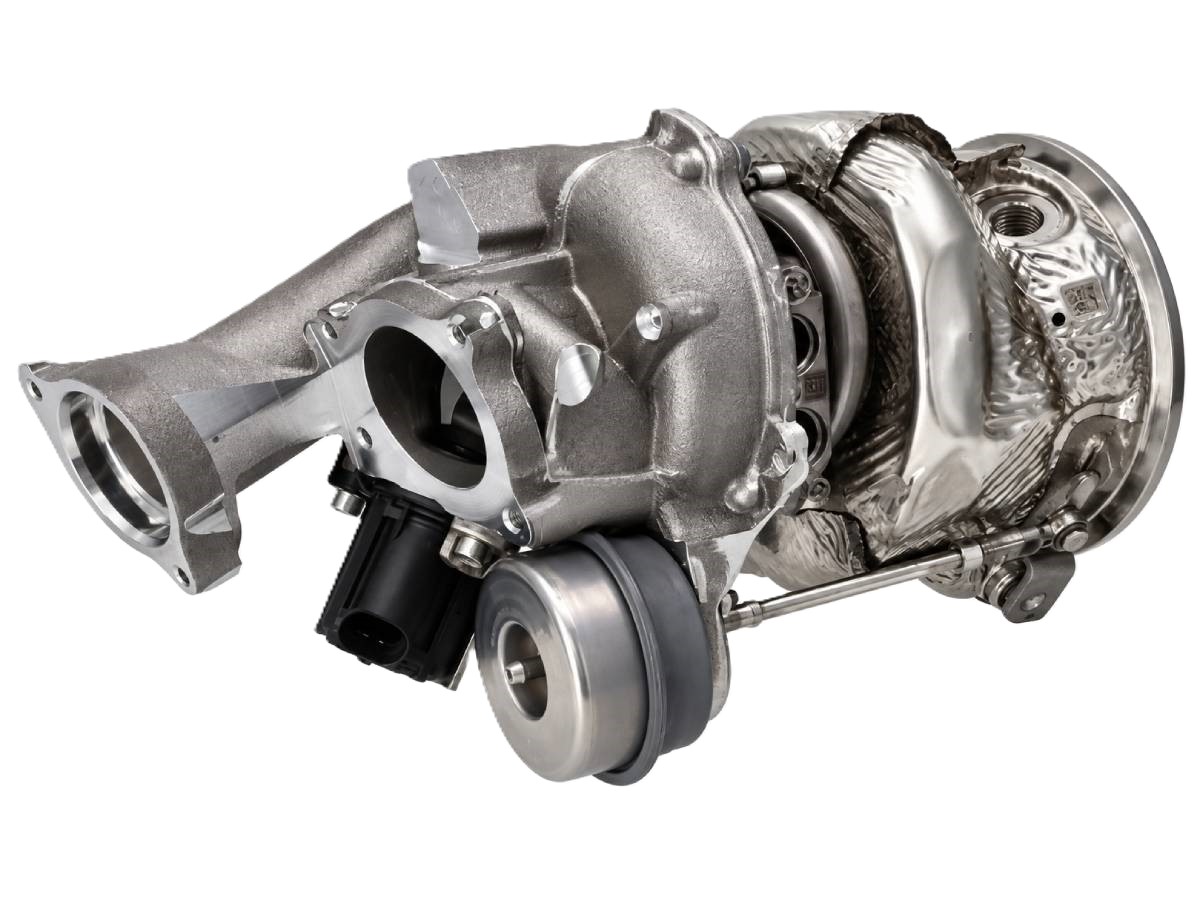
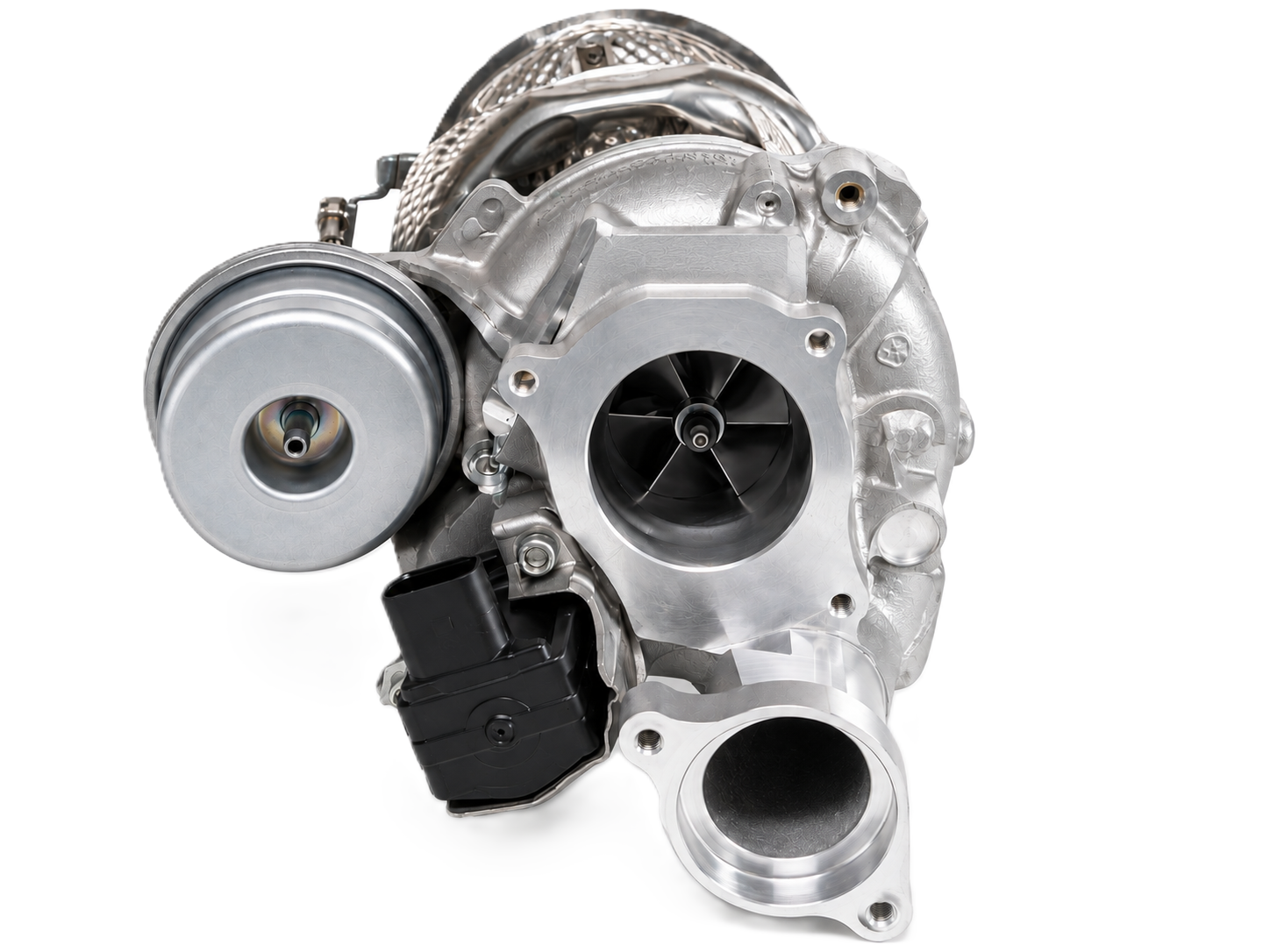
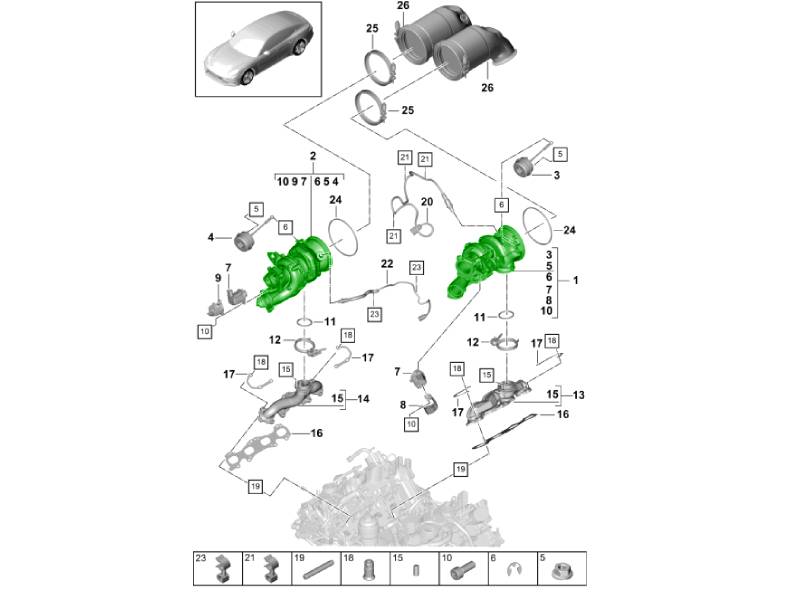
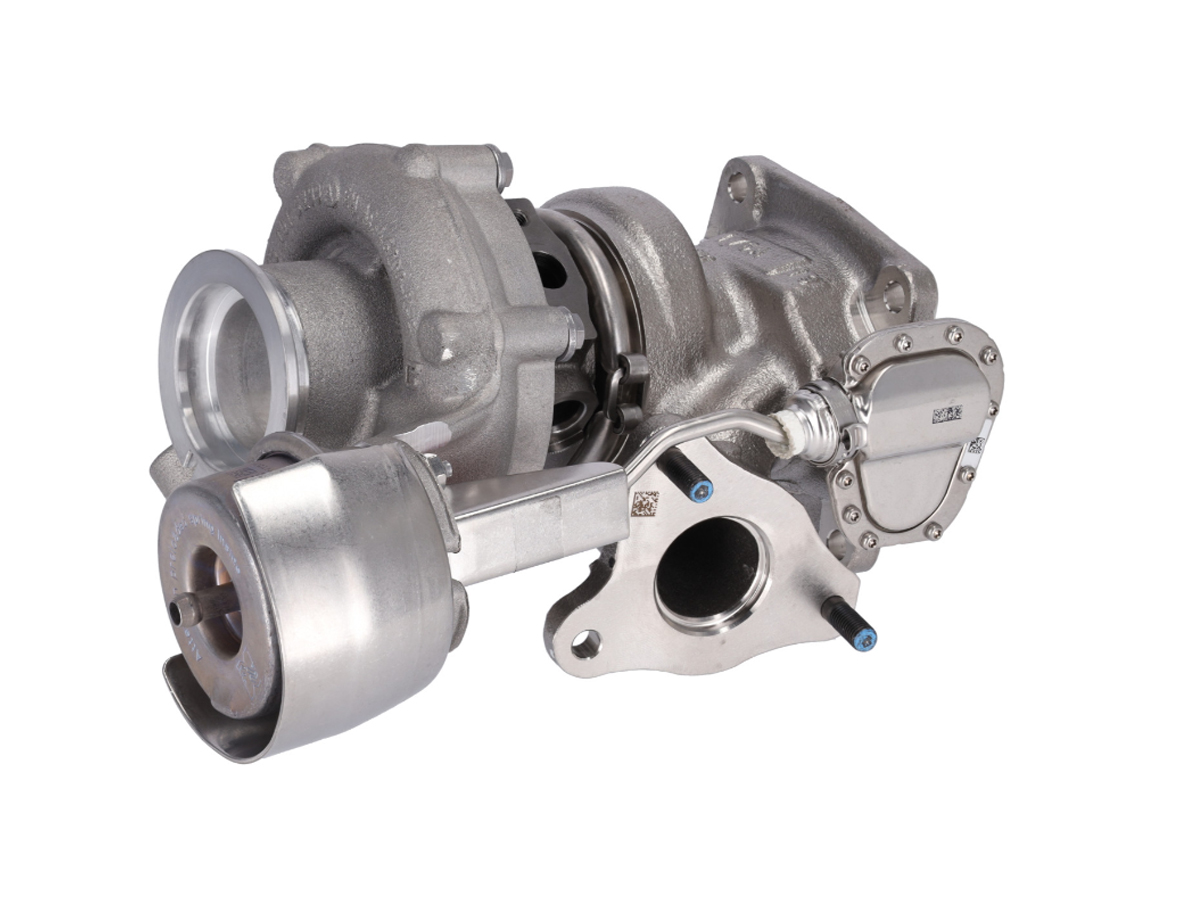
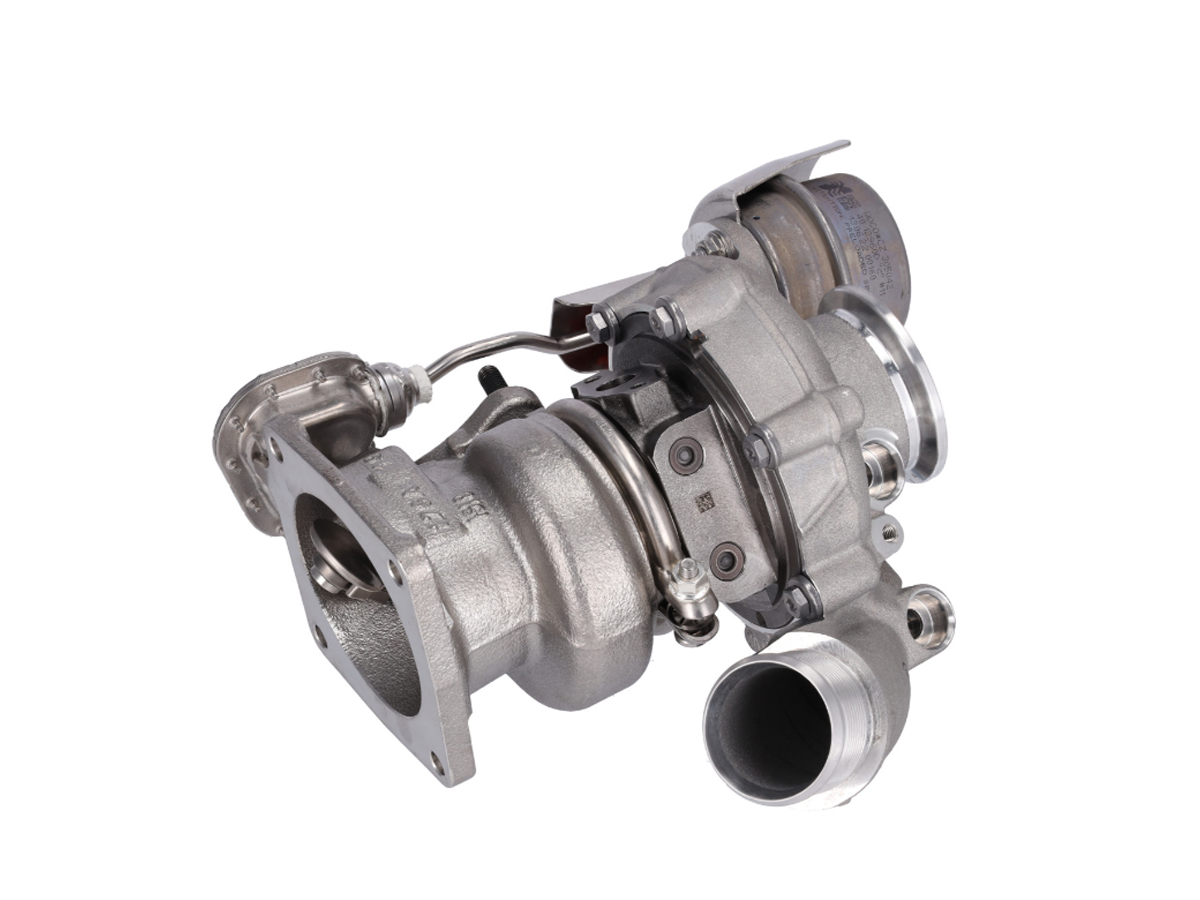
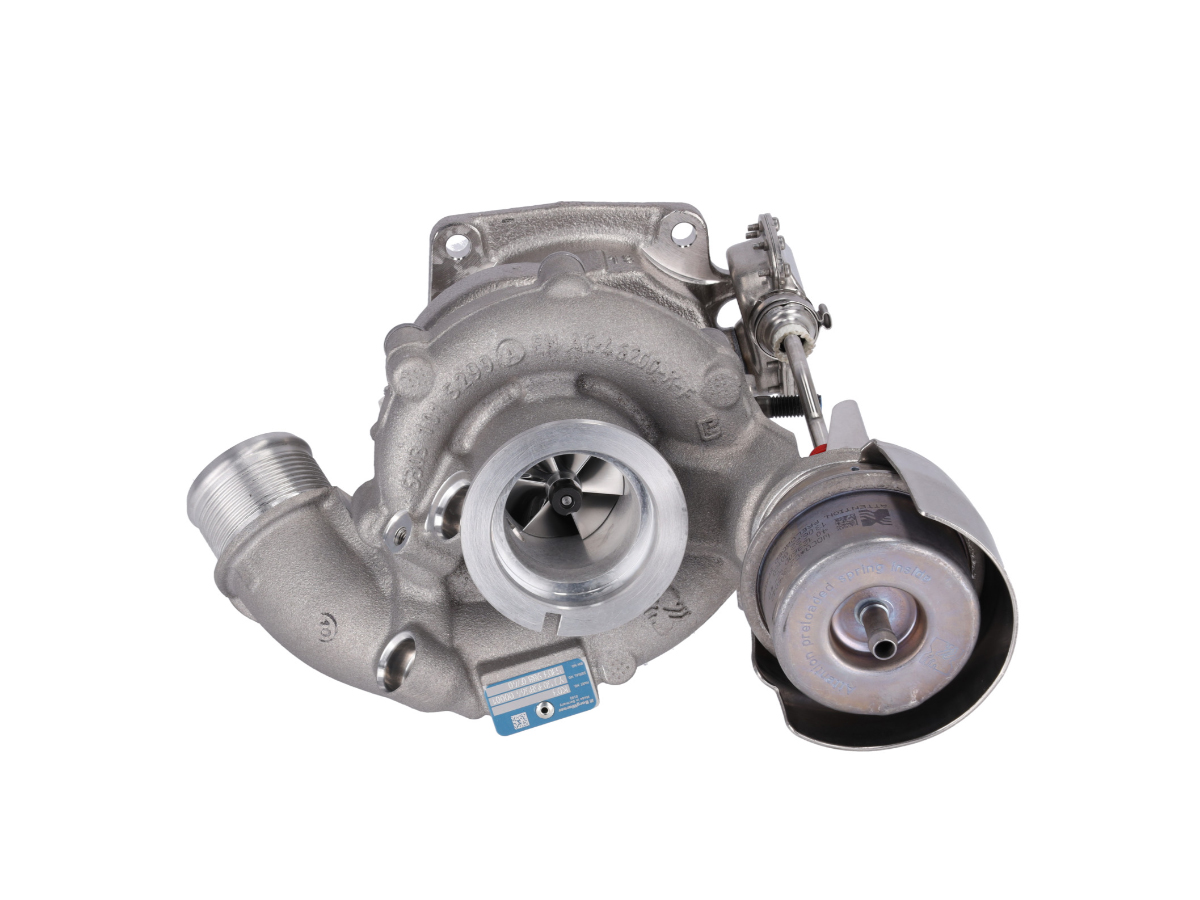
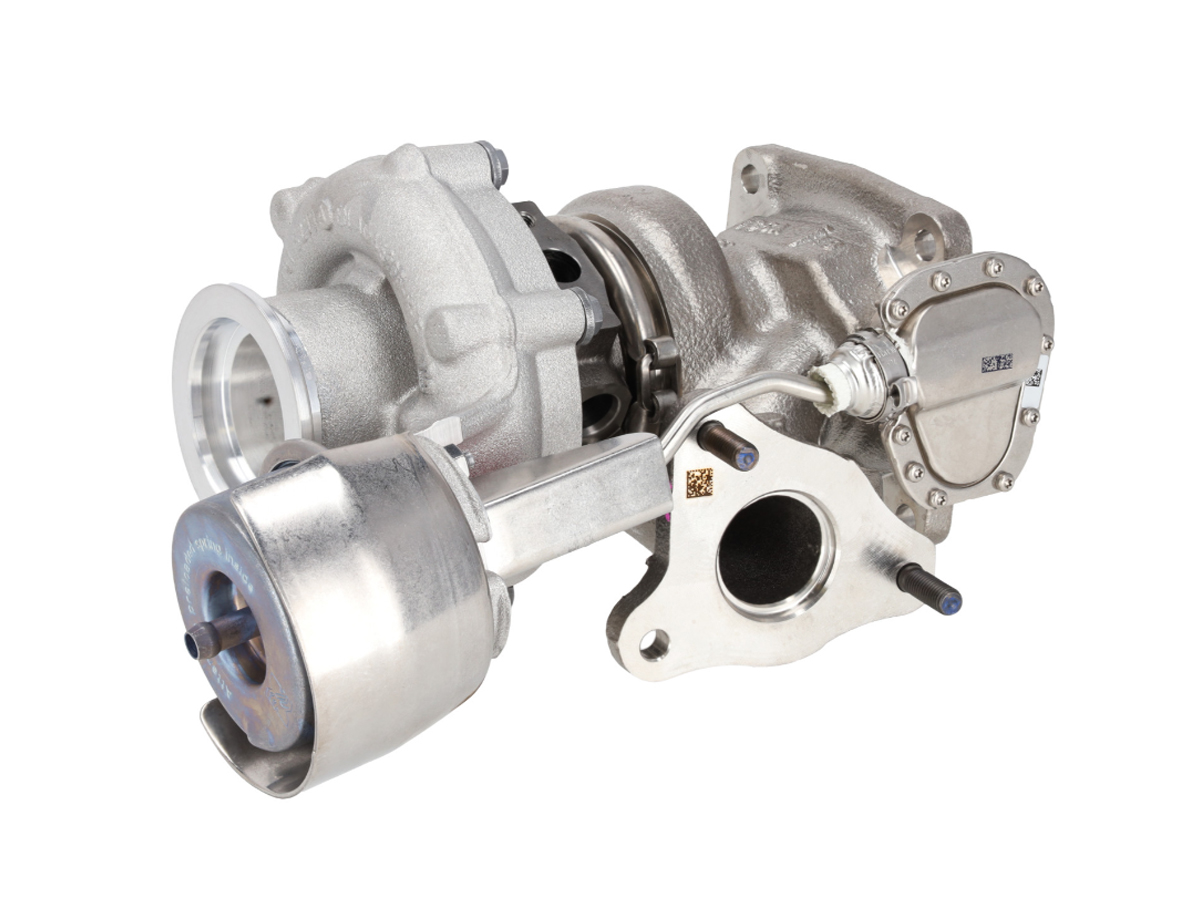
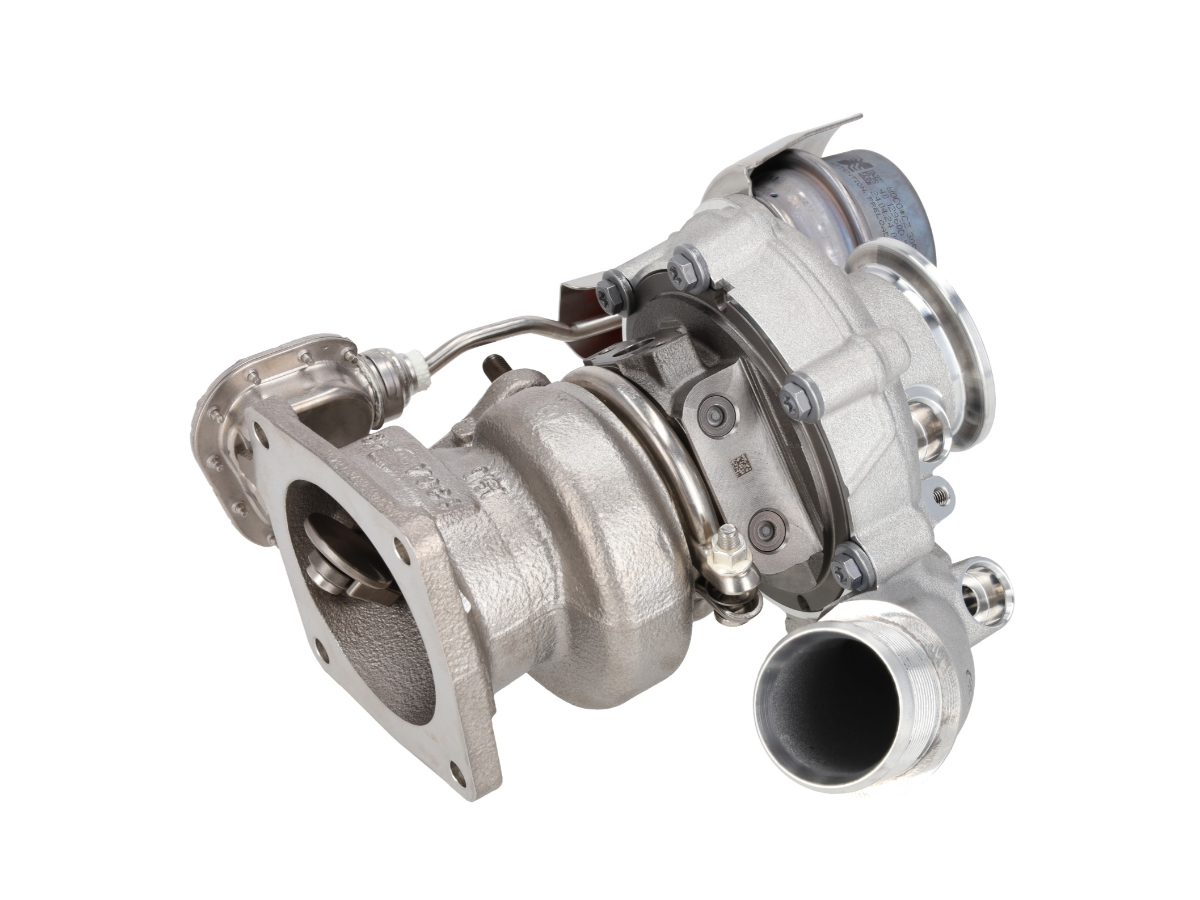
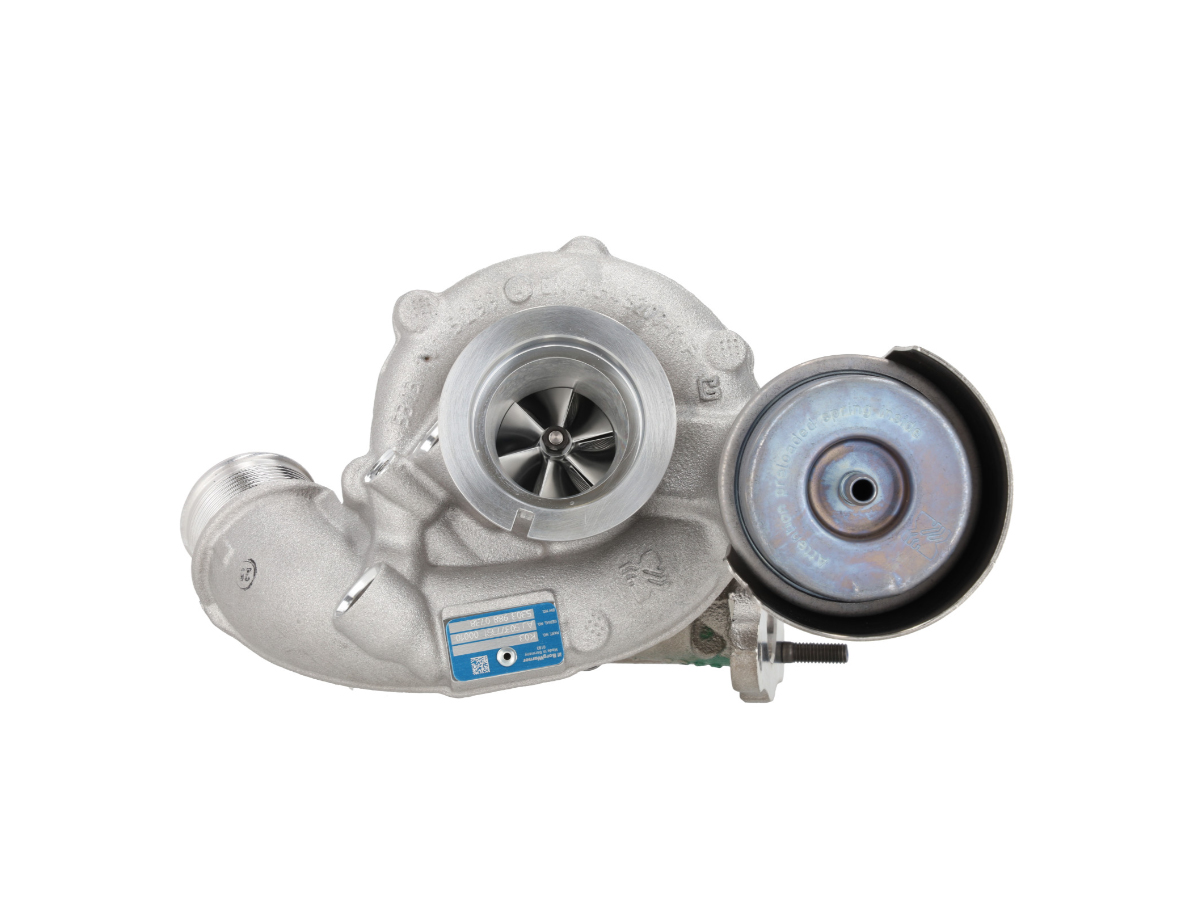
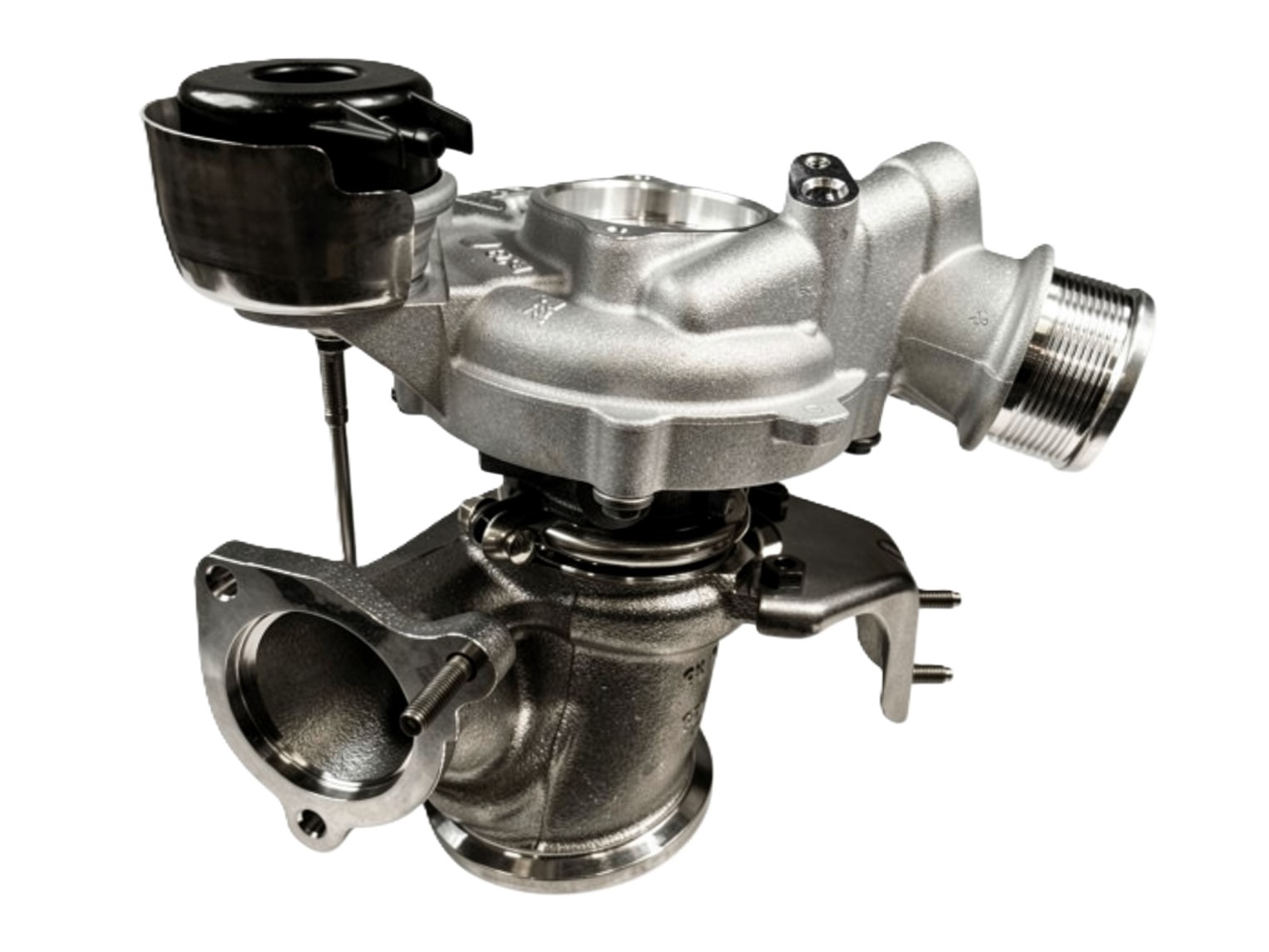
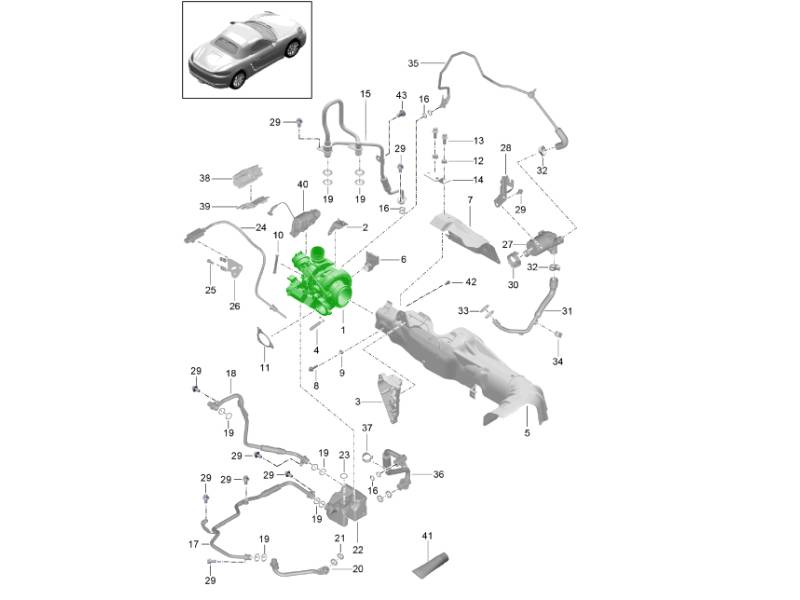
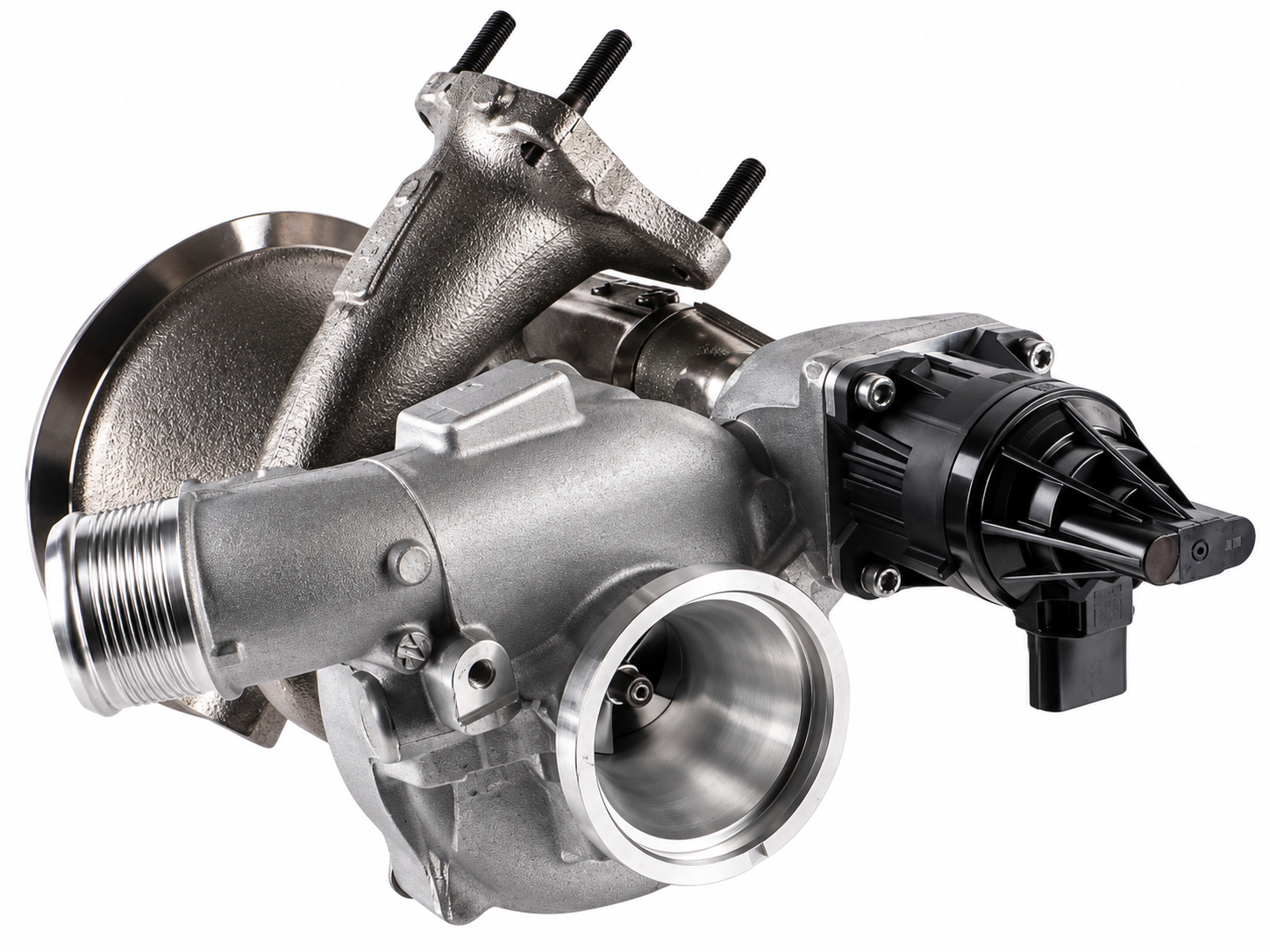
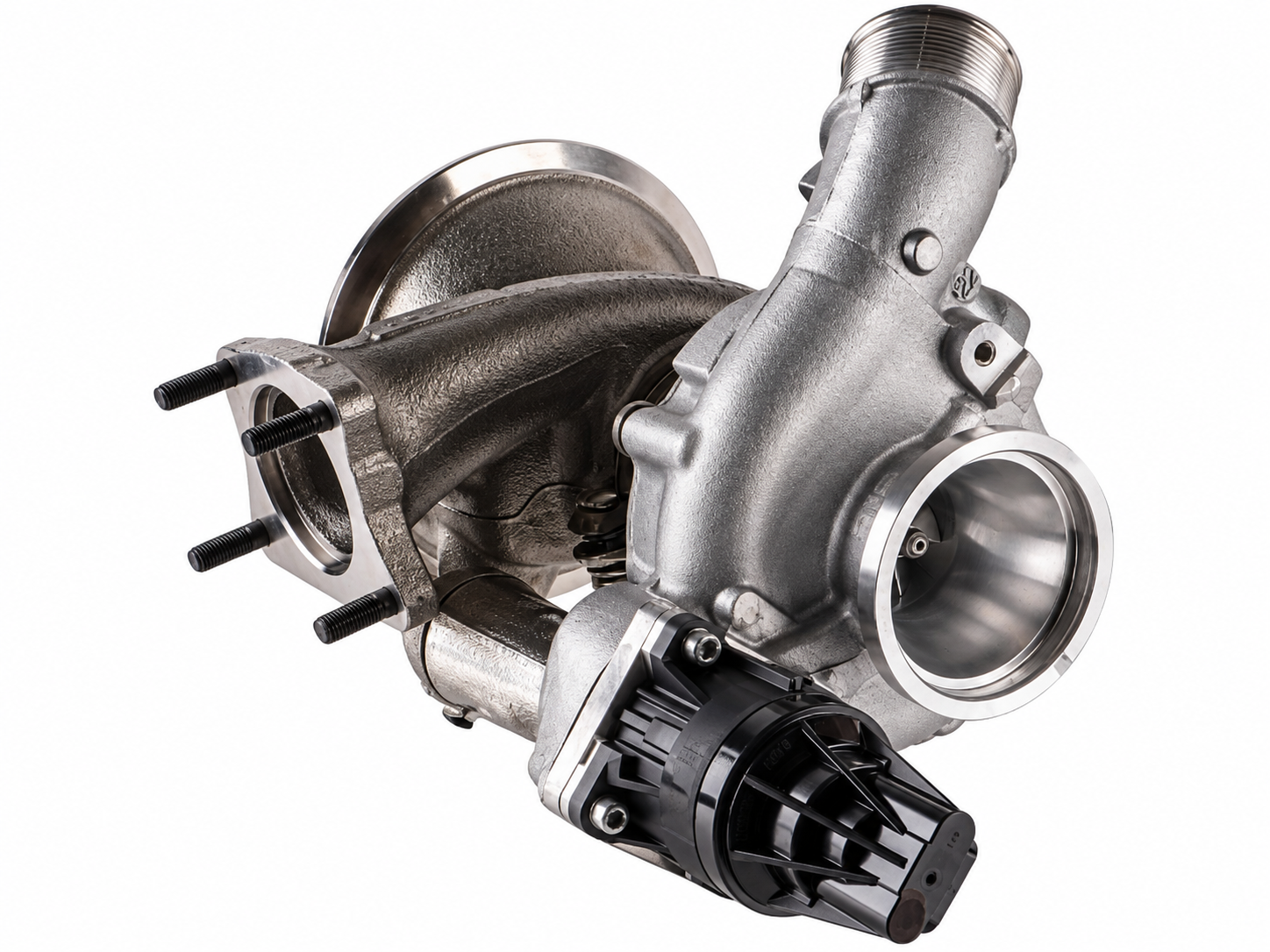
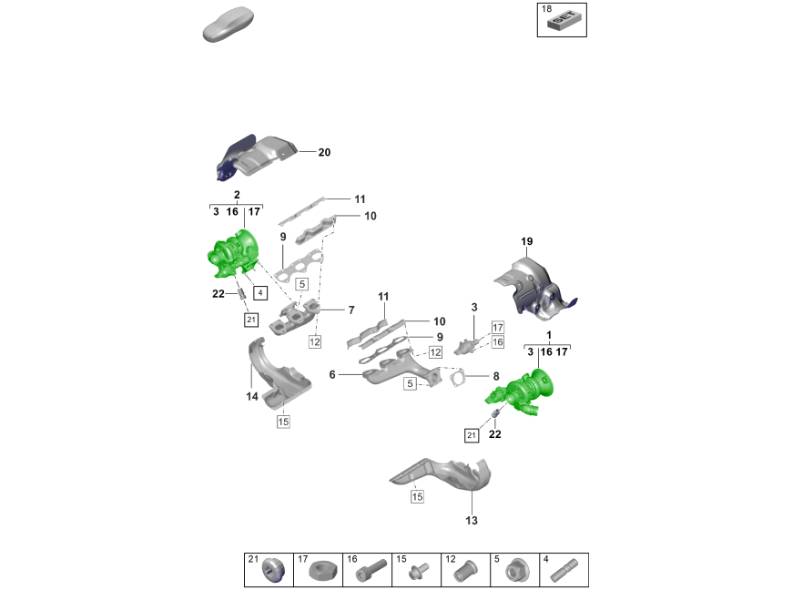
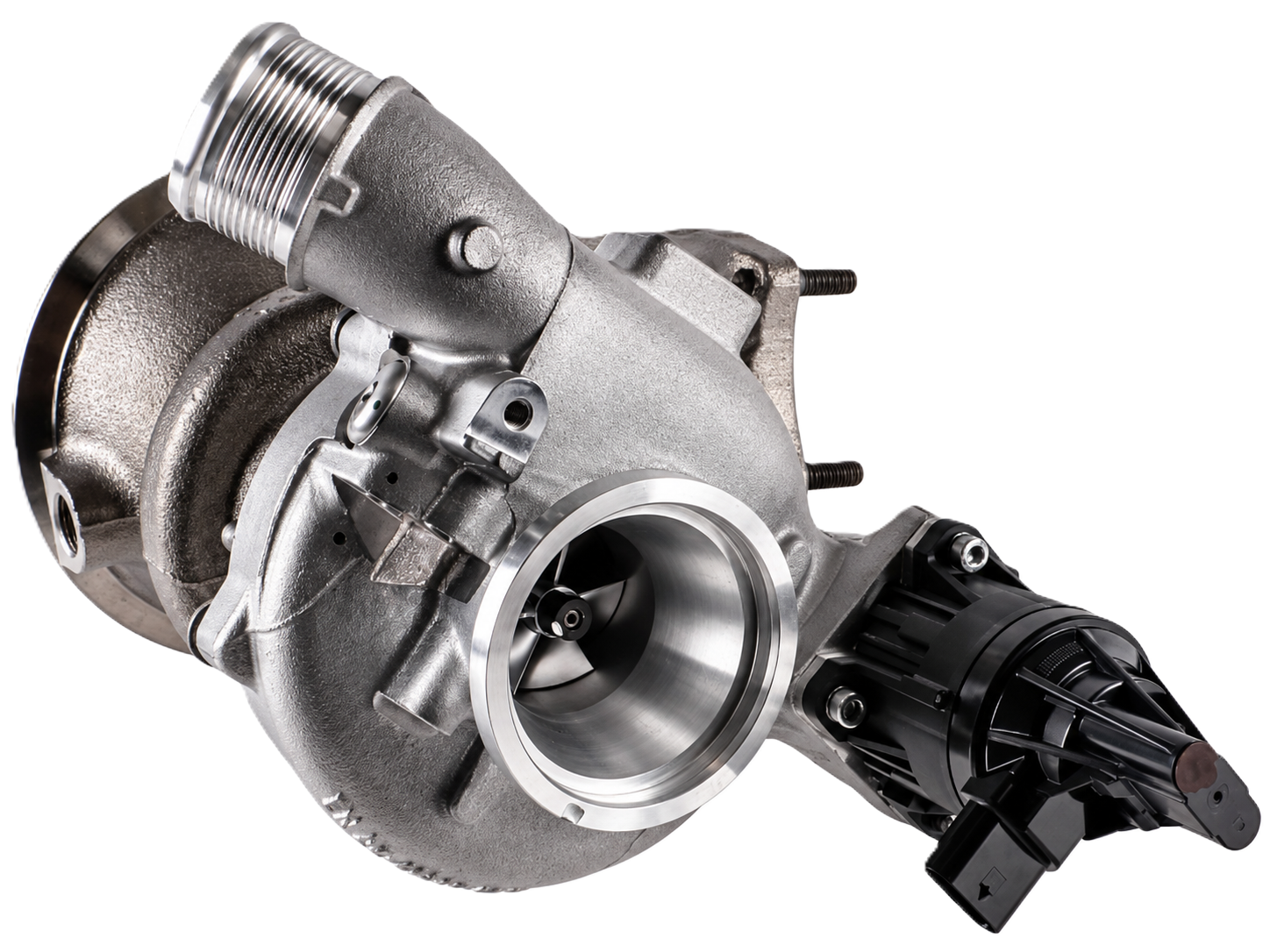
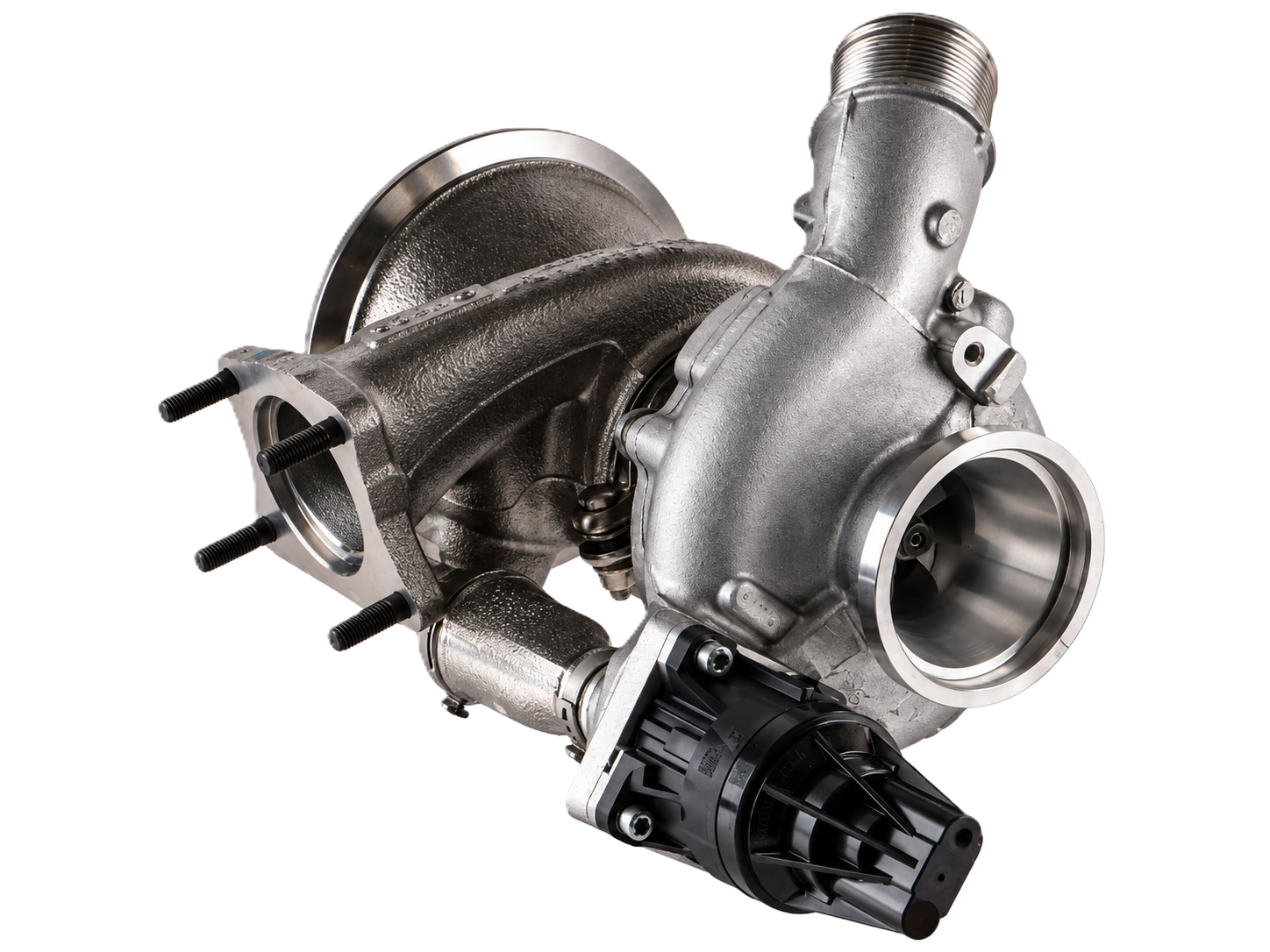
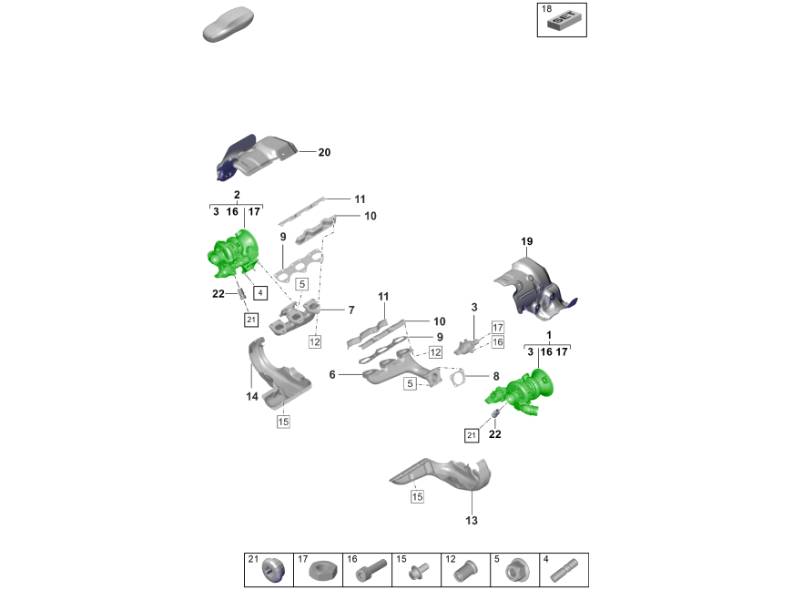
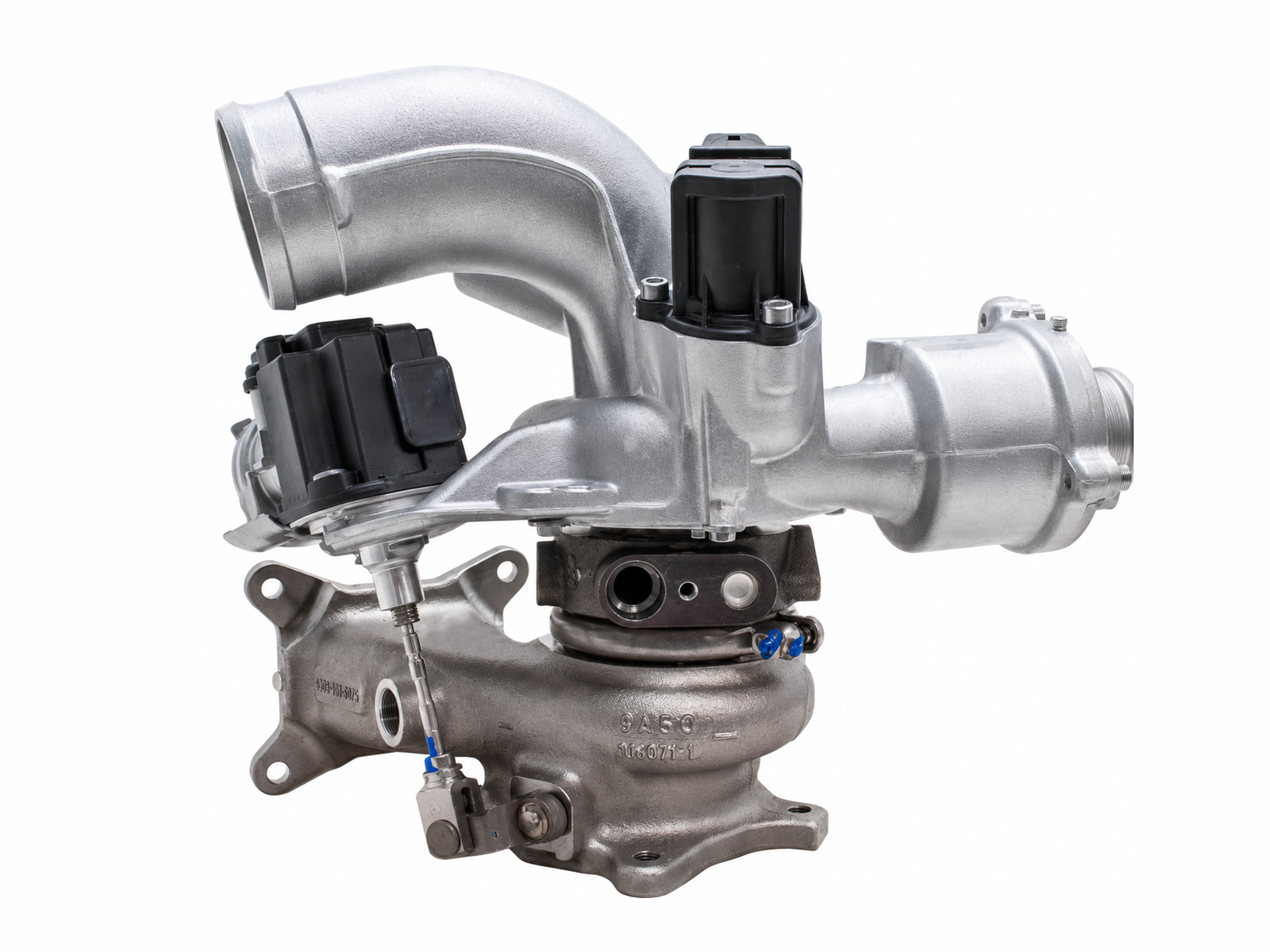
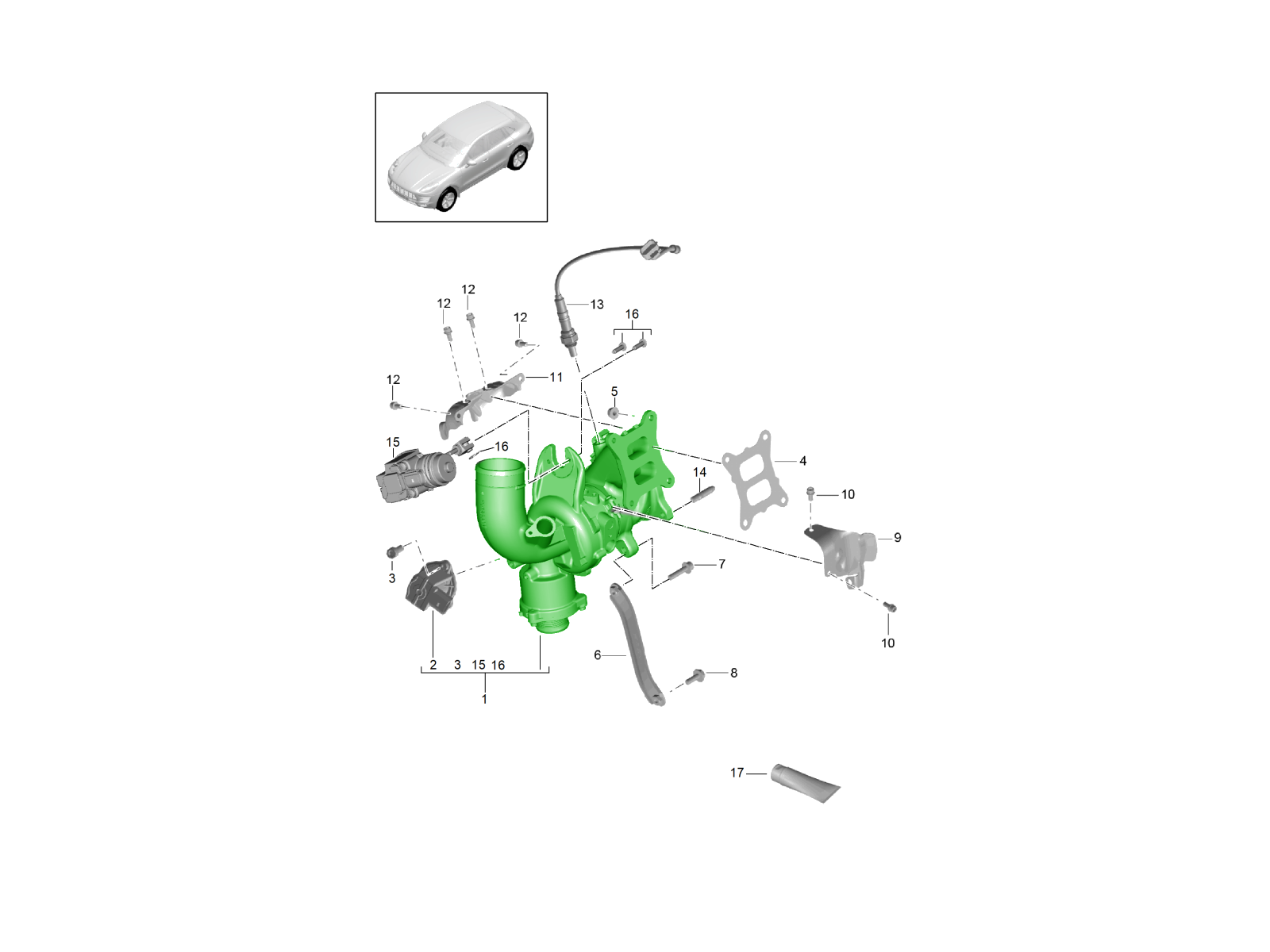
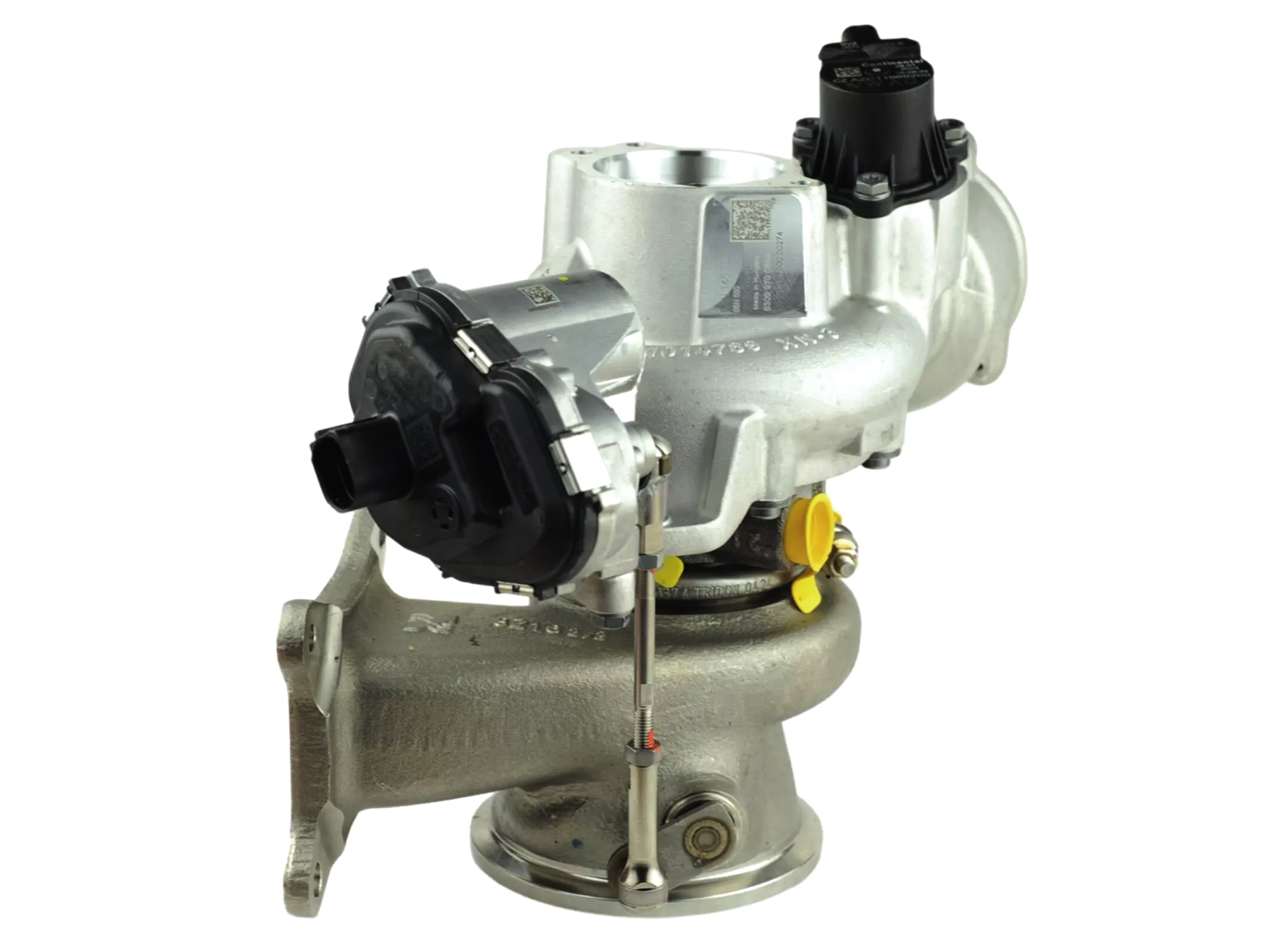
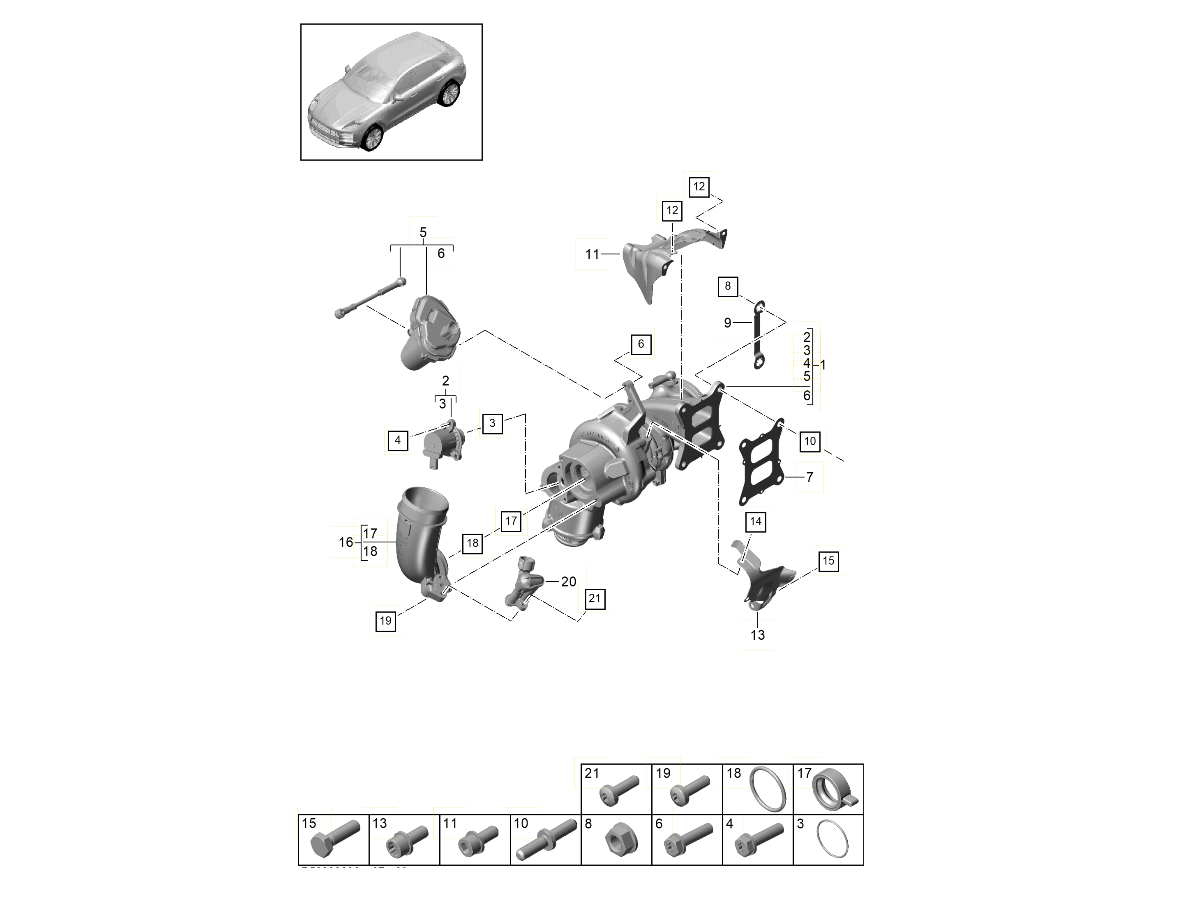
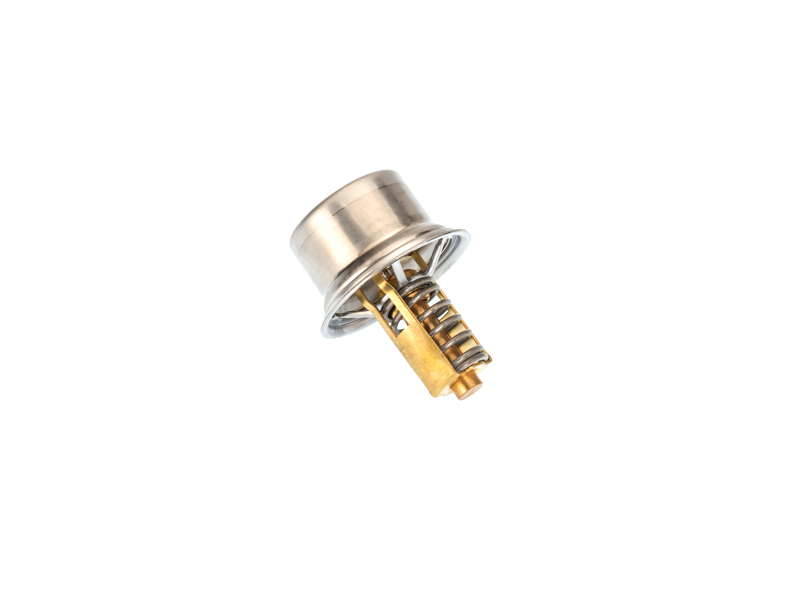
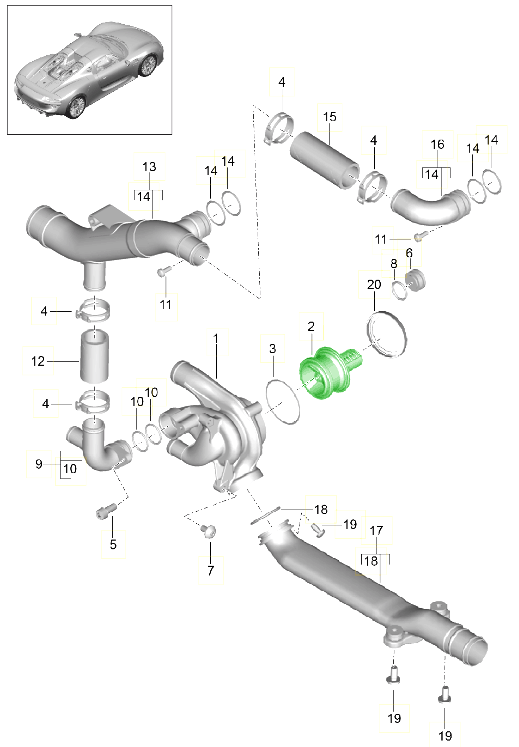
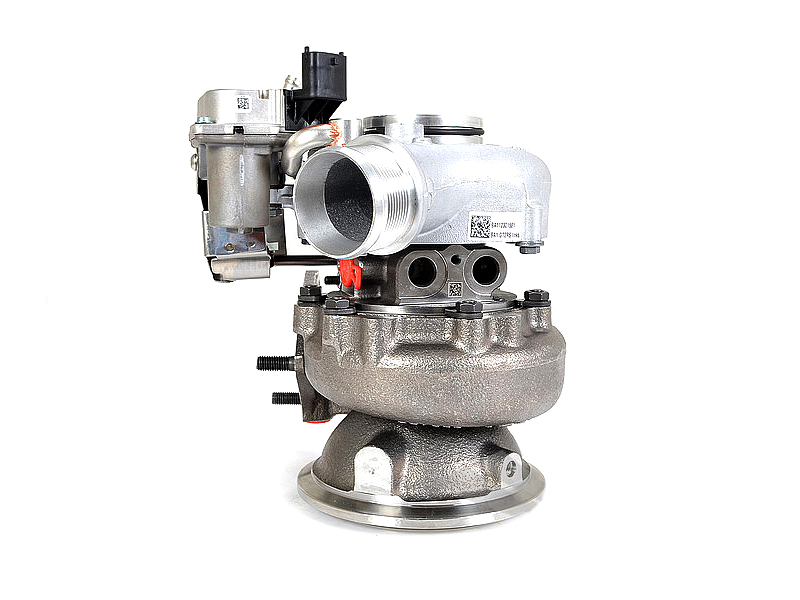
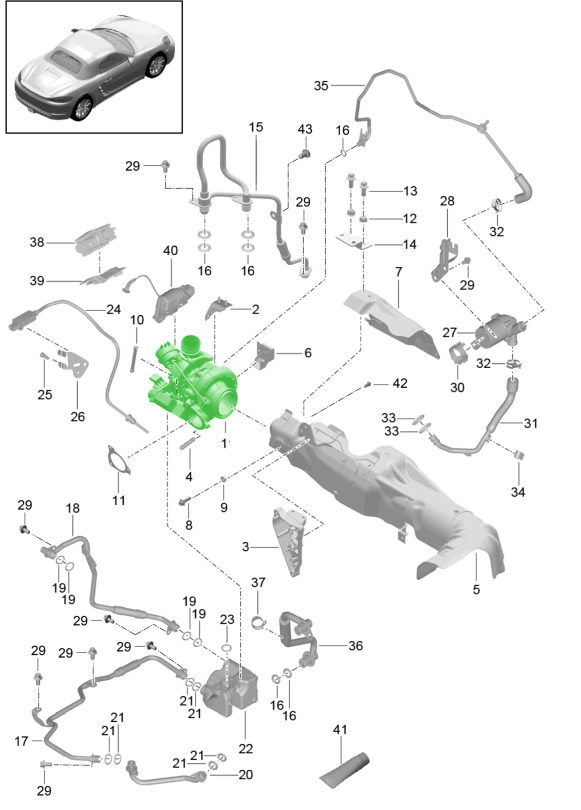
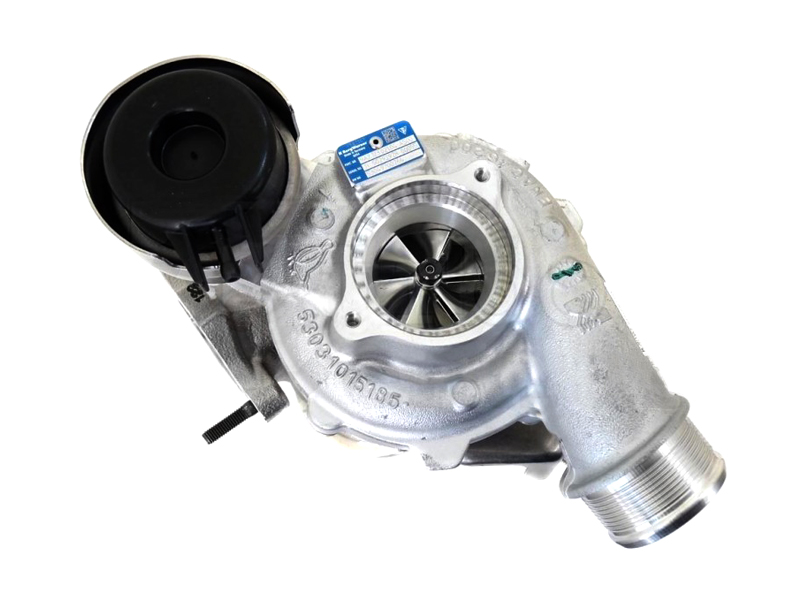
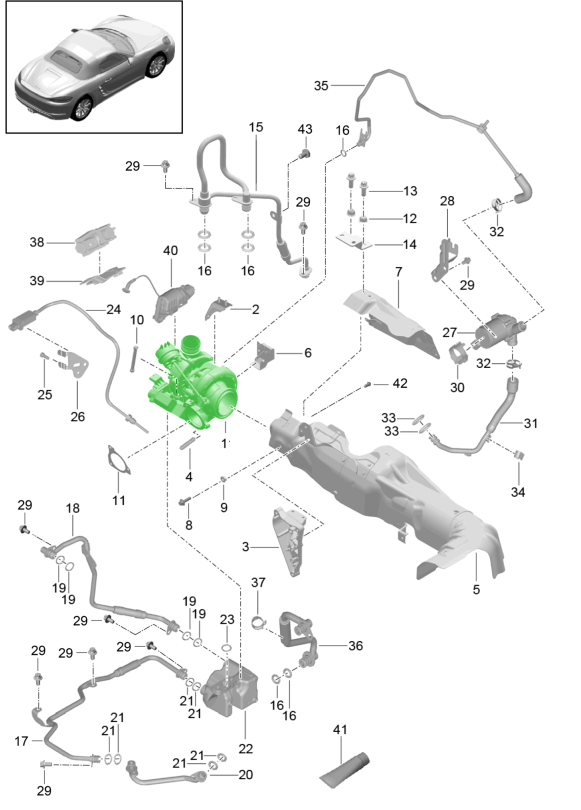
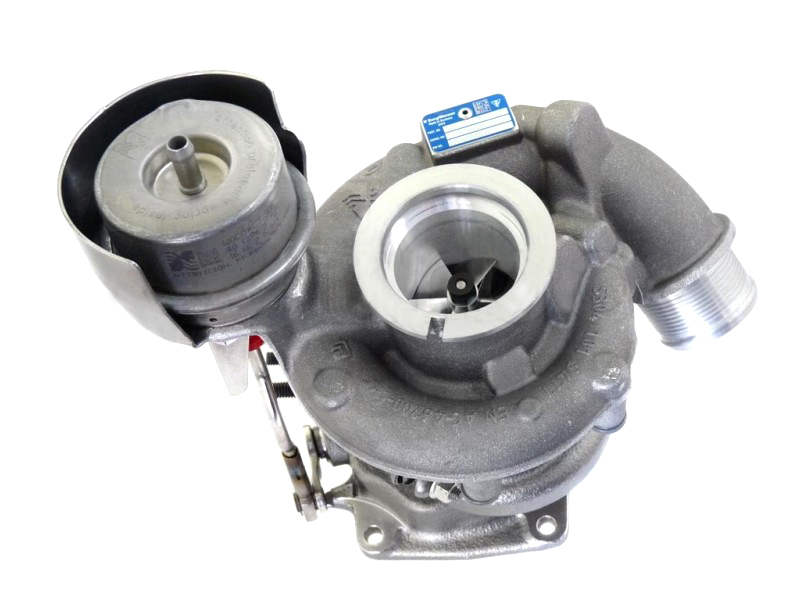
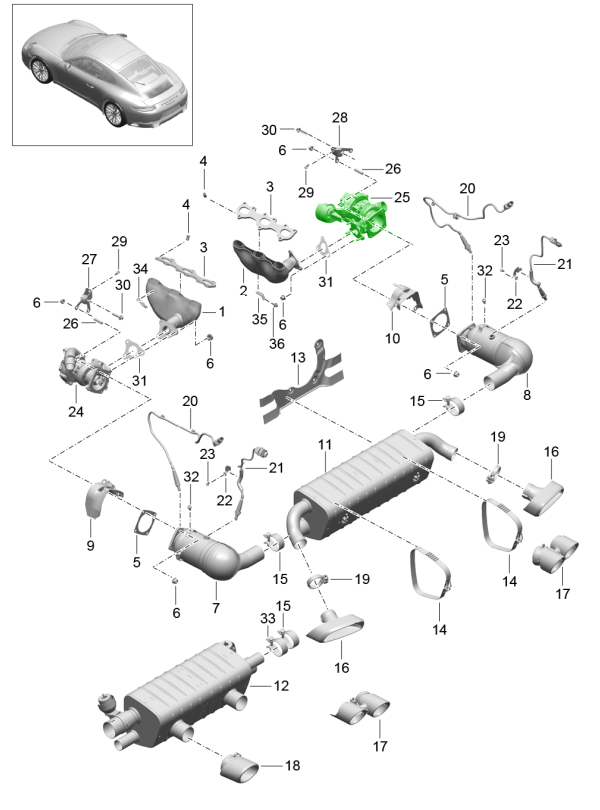
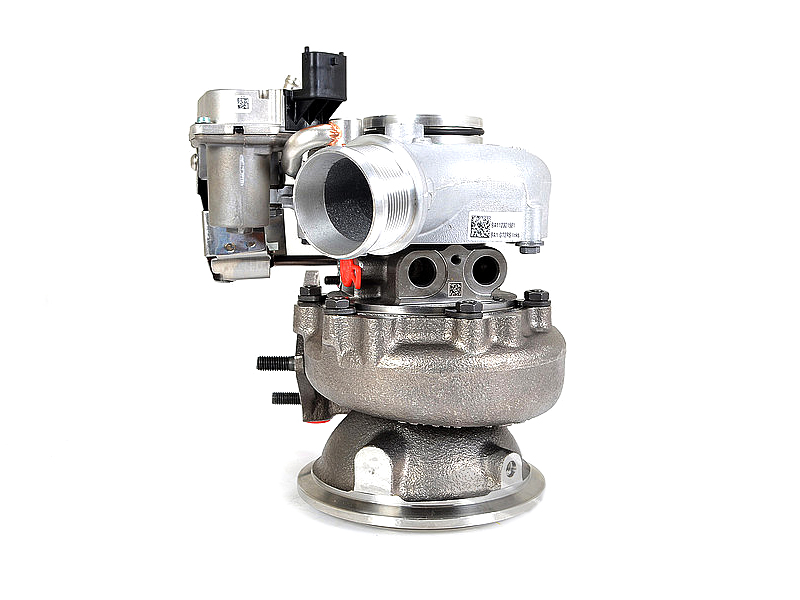
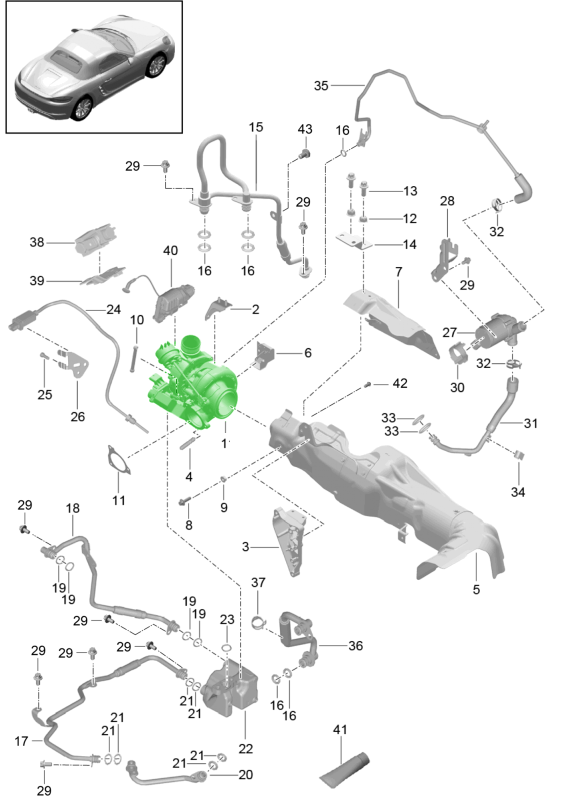
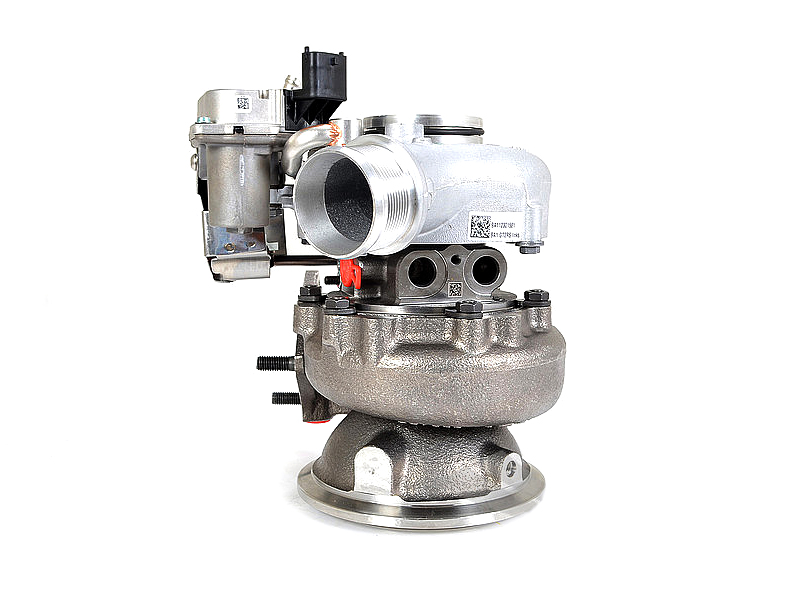
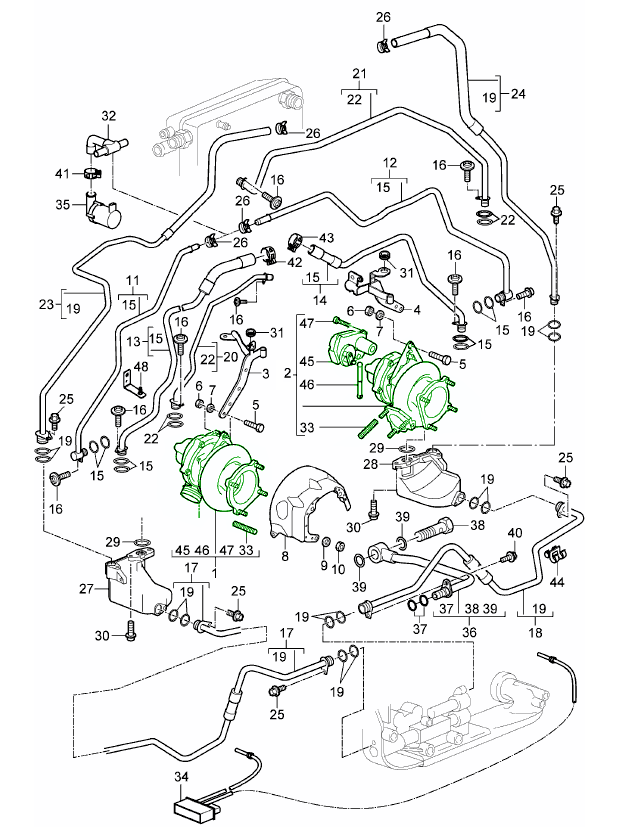

Standard replacement turbocharger.
Units listed are direct replacement for the standard Turbo chargers.
BorgWarner ref no 18559980046 / 18559980047
Fits:
Reconditioned units are sold on an exchange basis, A surcharge of £307.69 will be held and then refunded when the old one is returned.
REPLACEMENT
These turbos are a direct installation in replacement of your factory turbos.
Click 'Zoom in' for large parts diagram.
Diagram ref no 1 (Left, cyl 1-3) or 2 (Right, cyl 4-6)
Related reference numbers
Related, superseded, cross reference or alternative numbers for comparison.
9A112301
The product you are viewing cross references to these numbers
- Porsche 991.2 GT2 RS 3.8L PDK (700 bhp) 2018-19
Shop Securely
12 Month Warranty
Worldwide Delivery


Monday-Friday: 8.30am - 5.30pm (GMT)
Saturday: Closed
Sunday: Closed