





Enter your VAT number here and click Verify:
Your details have been verified. VAT number registered to:
,
.
Your order will now be zero rated for VAT purposes. We reserve the right to verify these details after your order request has been made and reinstate VAT if required.
Your VAT details were not recognised or were invalid. Your VAT number must be matched to your Billing Country as specified above. This is currently specified as . You do not need to enter the country code part of your VAT number as this has already been selected in your billing address details above.
The VAT number checking service is currently offline. Please supply your VAT details within the comments or special instructions field below and we will apply a VAT discount after placing your order request.

Your Porsche
Porsche

Porsche for Porsche
Porsche genuine parts and lifestyle products for Porsche models from Design911
A Quick Look at Porsche
Porsche information on this page is based on details supplied by the manufacturer or distributor, plus any OE references provided with the parts.
Choosing the Right Fit for Your Porsche
Where Porsche is listed for Porsche, use the supplied model coverage and OE references to confirm suitability. Check details that commonly affect fitment such as model year, side/position, and connector type where relevant.
- Typical reasons people replace these parts include maintaining originality, keeping factory specification, and choosing the latest genuine revisions for peace of mind.
- Common real-world issues behind many Porsche repairs are age and mileage: oil leaks, cooling system fatigue, brake and suspension wear, corrosion and electrical faults from moisture or heat cycling.
- Before ordering, confirm part numbers against VIN or option/PR codes, especially for safety‑critical or complex components.
- When upgrading, decide whether you want pure originality or performance changes, as some aftermarket options may suit specific goals better than genuine.
- For bigger jobs, replace related seals, hardware and consumables at the same time to avoid repeat labour and compatibility issues.
- Where available, follow the manufacturer’s fitting and bedding‑in guidance to get the best performance and longevity.
Browse by Category
If you already know the area you are working on, start with the category and then filter by Porsche model. Where real-world symptoms and typical reasons to replace are provided, use them to keep the wording grounded.
Brakes — Brake components are renewed to restore stopping performance, address wear or upgrade a Porsche for fast road or track use. Common symptoms include: Common symptoms include vibration under braking, increased stopping distances, squealing, pulling to one side, warning lights and visible wear to discs and pads.
- Check whether the parts are OE-equivalent replacements or performance upgrades and match this to how the Porsche is used.
- Follow any recommended bedding-in procedure and consider replacing discs, pads, sensors and fitting hardware together where advised.
Clothing & Gifts — Porsche-themed clothing and gifts let owners and enthusiasts show their passion off the road, or make ideal presents for fans of the marque. Common symptoms include: Items may become worn, faded, damaged or go out of style, prompting replacement with newer designs.
- Review available size, colour and material details to help choose the right item and ensure it matches how it will be used.
- Check any care or washing guidance so garments and accessories keep their appearance for longer.
Lifestyle — To explore different Porsche-inspired lifestyle products or gift ideas. Common symptoms include: General wear from handling or display.
- Confirm whether items are official Porsche lifestyle products or from trusted partner brands where stated.
- Consider who the item is for and how it will be used day to day to select the most suitable style or product type.
Keyring — To choose a different design, material or model theme. Common symptoms include: Scratches, worn finishes or loose fittings.
- Keyrings make simple, practical Porsche-themed gifts and can be matched to specific models or heritage designs where available.
- If a keyring shows damage or looseness, replace it to avoid losing keys or further wear to finishes.
Size chart — The size chart acts as a practical reference tool for all apparel purchases. Common symptoms include:
Explore Porsche at Design911
View the current Porsche range for Porsche at Design911, then filter by model and category to narrow down to the right parts.


Big End Bearing Shell, 0.50 mm Inner Undersize
Sold each - 8 required per car
This replacement big end bearing shell is designed for
Porsche 356 and 912 engines with a crankshaft that has been reground to the
corresponding 0.50 mm undersize specification.
Fits:
- Porsche 911 1965-1968 912 SWB (F)
- Porsche 356 1950-55
- Porsche 356A 1955-59
- Porsche 356B 1959-63
- Porsche 356C 1963-65
Diagram Ref No 1
The bearing provides a low-friction surface between the connecting rod and crankshaft journal, helping maintain correct oil clearance and protect internal engine components.
What Does It Do?
The big end bearing supports the connecting rod on the crankshaft journal, allowing smooth rotation while maintaining a protective film of engine oil between moving surfaces.
Why Does It Fail?
Common causes include:
- Insufficient oil pressure or lubrication
- Contaminated engine oil
- Excessive engine wear
- Incorrect bearing clearance
- Engine overheating
When Should It Be Replaced?
Replace during an engine rebuild when the existing bearings show scoring, excessive wear or damage.
A 0.50 mm undersize bearing is required only when the crankshaft journals have been machined to the corresponding specification.
Checks & Installation
Measure crankshaft journal dimensions and bearing oil clearances before installation.
Inspect the connecting rods, crankshaft surfaces and oil passages for wear or damage. Installation should follow Porsche engine rebuilding specifications.
Key Features
- Replacement connecting rod big end bearing shell
- Porsche reference 61610314262 0.50 mm inner undersize
- Suitable for specified Porsche 356 and 912 engines
- Supports correct crankshaft lubrication
- Sold individually – 8 shells required per engine
Porsche 356 & 912 Big End Bearings and Engine Rebuild Parts
Big end bearing shells are essential components of the Porsche 356 and 912 flat-four engine, supporting the connecting rods and protecting crankshaft journals from metal-to-metal contact.
Selecting the correct bearing size is critical when rebuilding an engine with a reground crankshaft.
Related reference numbers
Related, superseded, cross reference or alternative numbers for comparison.
61610314262
The product you are viewing cross references to these numbers
- Porsche 911 1965-1968 2.0L / 912 SWB (F)
- Porsche 356 1950-55
- Porsche 356A 1955-59
- Porsche 356B 1959-63
- Porsche 356C 1963-65
 Shop Securely
 12 Month Warranty
 Worldwide Delivery

The Genuine Porsche Transverse Coolant Breather Line (Part Number 99710676702) is an important engine cooling system component designed to help maintain effective coolant circulation, air removal and reliable cooling system operation on compatible Porsche models.
Fits:
- Porsche Boxster 987 2.7L 2005-08/08
- Porsche Boxster 987 S 3.2/3.4L 2005-08/08
- Porsche Boxster 987 MKII 2.9L 2009-12
- Porsche Boxster S 987 MKII 3.4L 2009-12
- Porsche 997 MK1 Carrera 2 3.6L 2005-08
- Porsche 997 MK1 Carrera 2S 3.8L 2005-08
- Porsche 997 MK1 Carrera 4 3.6L 2005-08
- Porsche 997 MK1 Carrera 4S 3.8L 2005-08
- Porsche 997 MK1 TURBO 2007-09
- Porsche 997 MK1 GT3 / GT3 RS 2007-09
- Porsche 997 MK1 GT2 2007-09
- Porsche 997 MKII Carrera C2 3.6L 2009-12
- Porsche 997 MKII Carrera C4 3.6L 2009-12
- Porsche 997 MKII Carrera C2S 3.8L 2009-12
- Porsche 997 MKII Carrera C4S 3.8L 2009-12
- Porsche 997 MKII GT3 / GT3 RS 2010-11
- Porsche 997 MKII Turbo 2010-13
- Porsche 997 MKII GT2 RS 2011-13
- Porsche Cayman 2.7L 987C 2006-08
- Porsche Cayman S 3.4L 987C 2005-08
- Porsche Cayman 2.9L 987C MKII 2009-12
- Porsche Cayman S / R 3.4L 987C MKII 2009-12
Diagram Ref No 13
Manufactured to Porsche's original equipment specifications, this transverse breather line forms part of the vehicle's coolant ventilation circuit, providing a dedicated passage for air and coolant to move between the relevant cooling system components.
The engine cooling system relies on an effective network of coolant pipes, hoses and ventilation lines to maintain consistent operating temperatures. Air trapped within the cooling circuit can interfere with coolant circulation, reduce heat transfer efficiency and contribute to localised hot spots.
The transverse coolant breather line helps provide the intended ventilation path within the cooling system, supporting the removal of trapped air and the correct distribution of coolant throughout the circuit.
Positioned within the vehicle's cooling system pipework, the line is designed to withstand normal coolant system pressure, temperature fluctuations and vibration.
Over time, the original breather line may become damaged, cracked, corroded or weakened due to ageing, exposure to heat, repeated temperature changes or mechanical stress. A leaking or restricted breather line may contribute to coolant loss, ineffective air removal and cooling system performance problems.
Replacing a damaged or deteriorated transverse coolant breather line with a Genuine Porsche component helps restore the original ventilation arrangement, maintain cooling circuit integrity and support reliable engine temperature regulation.
Ideal for cooling system repairs, coolant leak diagnosis, radiator pipework maintenance, engine servicing and preventative maintenance.
What This Product Does:
The transverse coolant breather line forms part of the engine's cooling system ventilation circuit and performs several important functions.
- Supports Cooling System Ventilation: Provides a passage for air and coolant within the designated cooling system vent circuit.
- Helps Remove Trapped Air: Allows air to migrate through the designed ventilation path, reducing the likelihood of air pockets forming within the cooling system.
- Supports Coolant Circulation: Helps maintain the conditions required for consistent coolant movement throughout the engine cooling circuit.
- Maintains Cooling System Integrity: Provides a sealed connection between the relevant cooling system components.
- Supports Engine Temperature Regulation: Helps the cooling system operate efficiently by maintaining its intended coolant ventilation arrangement.
- Reduces Airlock Risk: Supports the removal of trapped air that could interfere with coolant circulation after servicing or coolant replacement.
- Accommodates Normal System Pressure: Designed to operate under the normal temperature and pressure conditions of the vehicle's cooling system.
- Supports Cooling System Bleeding: Provides part of the intended air removal pathway when the cooling system is filled and bled according to Porsche procedures.
- Helps Protect Engine Components: Supports reliable cooling system operation, reducing the risk of problems associated with insufficient coolant circulation.
- Maintains Original Equipment Fitment: Replaces the original transverse breather line using the specified factory routing and connections.
Symptoms Of Wear Or Failure:
Cooling system breather lines are exposed to coolant, temperature changes, vibration and environmental conditions throughout their service life.
Over time, material deterioration, physical damage or corrosion may compromise the line or its connections.
Common symptoms of a worn or failing transverse coolant breather line include:
- Coolant Leakage: Visible coolant dripping or seeping from the breather line, its fittings or connection points.
- Low Coolant Level: Repeated coolant top-ups may indicate a leak within the breather line or another part of the cooling circuit.
- Visible Cracks or Splits: Damage to the pipe or its connecting sections may allow coolant to escape.
- Corrosion or Surface Deterioration: Ageing and environmental exposure may weaken the line or its fittings.
- Damaged or Loose Connections: Worn connectors, retaining clips or seals may prevent the line from remaining securely attached.
- Dried Coolant Deposits: White, pink or coloured residue around the line may indicate previous coolant seepage.
- Coolant Warning Messages: Significant coolant loss may activate the vehicle's low coolant warning.
- Engine Overheating: Coolant loss or ineffective removal of trapped air may contribute to higher-than-normal engine temperatures.
- Air Trapped in the Cooling System: A restricted or incorrectly connected vent line may contribute to persistent air pockets.
- Unusual Cooling System Noises: Gurgling or bubbling noises may occur when air remains trapped within the coolant circuit.
- Coolant Smell: Escaping antifreeze may produce a noticeable sweet smell around the vehicle.
- Physical Damage Following Repairs: Incorrect handling, accidental impact or improper installation may damage the breather line.
- Blocked or Restricted Vent Passage: Debris or internal deterioration may obstruct the intended air and coolant ventilation path.
Why Replacement Matters:
Replacing a cracked, leaking or damaged transverse coolant breather line is important for maintaining reliable cooling system operation and protecting the engine against excessive temperature.
Key Benefits of Replacement:
- Restores Cooling System Ventilation: Helps maintain the original air removal pathway within the coolant circuit.
- Reduces the Risk of Airlocks: Supports effective removal of trapped air that can interfere with coolant circulation.
- Helps Prevent Coolant Leaks: Replaces damaged lines or connections that allow coolant to escape.
- Supports Efficient Engine Cooling: Helps maintain the conditions required for effective coolant circulation and heat transfer.
- Reduces Overheating Risk: Restoring a leaking or restricted line can help address cooling system problems that may contribute to elevated engine temperatures.
- Maintains Cooling System Pressure Integrity: Provides the specified sealed connection within the cooling circuit.
- Supports Reliable Coolant Bleeding: Helps maintain the intended ventilation route during coolant refilling and servicing.
- Protects Engine Components: Reduces the risk of overheating-related damage caused by unresolved cooling system faults.
- Genuine Porsche Quality: Manufactured to the original equipment specification for compatible vehicles.
- Correct Factory Routing: Designed to match the intended transverse breather line position and connection arrangement.
- Supports Long-Term Cooling System Reliability: Helps prevent recurring problems caused by damaged or deteriorated ventilation pipework.
- Ideal During Cooling System Repairs: Suitable for replacement when surrounding coolant pipes or hoses are being serviced.
- Supports Preventative Maintenance: Allows ageing or damaged cooling system components to be replaced before more significant failures develop.
Although the transverse coolant breather line is a relatively small part of the complete cooling system, it performs an important function in maintaining the intended ventilation arrangement.
A damaged or leaking breather line can allow coolant to escape and may interfere with the cooling system's ability to remove trapped air effectively.
Persistent coolant loss or air pockets can reduce heat transfer efficiency and contribute to overheating, potentially placing additional thermal stress on the engine.
Replacing the defective line with a Genuine Porsche component helps restore the factory cooling system configuration and support dependable engine operation.
Related reference numbers
Related, superseded, cross reference or alternative numbers for comparison.
99710676702
The product you are viewing cross references to these numbers
- Porsche Boxster 987 2.7L 2005-08/08
- Porsche Boxster 987 S 3.2/3.4L 2005-08/08
- Porsche Boxster 987 MKII 2.9L 2009-12
- Porsche Boxster S 987 MKII 3.4L 2009-12
- Porsche 997 MK1 Carrera 2 3.6L 2005-08
- Porsche 997 MK1 Carrera 2S 3.8L 2005-08
- Porsche 997 MK1 Carrera 4 3.6L 2005-08
- Porsche 997 MK1 Carrera 4S 3.8L 2005-08
- Porsche 997 MK1 TURBO 2007-09
- Porsche 997 MK1 GT3 / GT3 RS 2007-09
- Porsche 997 MK1 GT2 2007-09
- Porsche 997 MKII Carrera C2 3.6L 2009-12
- Porsche 997 MKII Carrera C4 3.6L 2009-12
- Porsche 997 MKII Carrera C2S 3.8L 2009-12
- Porsche 997 MKII Carrera C4S 3.8L 2009-12
- Porsche 997 MKII GT3 / GT3 RS 2010-11
- Porsche 997 MKII Turbo 2010-13
- Porsche 997 MKII GT2 RS 2011-13
- Porsche Cayman 2.7L 987C 2006-08
- Porsche Cayman S 3.4L 987C 2005-08
- Porsche Cayman 2.9L 987C MKII 2009-12
- Porsche Cayman S / R 3.4L 987C MKII 2009-12
Shop Securely
12 Month Warranty
Worldwide Delivery

Windscreen Wiper Arm Cap, Driver's Side.
The Genuine Porsche Windscreen Wiper Arm Cap 95562830501 is a replacement protective and finishing cap for the driver's-side front windscreen wiper arm on first-generation Porsche Cayenne models.
Fits:
Diagram Ref No 17
The small black plastic cap fits over the wiper-arm mounting nut at the base of the windscreen wiper.
Its purpose is to cover the exposed fastening hardware, helping protect the nut and spindle area from dirt, moisture and road contamination while providing the clean factory-finished appearance intended by Porsche.
Although it is a simple trim component, the cap is positioned in an exposed area at the base of the windscreen and experiences continuous sunlight, rain, temperature changes, car-washing chemicals and repeated disturbance whenever the wiper arm is removed.
Over time, the original cap can fade, become brittle, crack, loosen or disappear completely.
Replacing a damaged or missing cap restores the correct appearance of the wiper assembly and helps keep the wiper-arm retaining hardware protected from unnecessary environmental exposure.
What This Product Does:
The Windscreen Wiper Arm Cap covers the mounting nut that secures the wiper arm to the wiper spindle.
Its main functions are to:
- Cover the wiper-arm retaining nut.
- Protect the fixing from direct rain and moisture.
- Reduce dirt accumulation around the mounting hardware.
- Reduce exposure of the nut and spindle area to road contamination.
- Provide the correct finished appearance at the wiper-arm base.
- Help keep the wiper mounting area tidy.
- Replace a cracked, faded, loose or missing original cap.
- Restore factory-style exterior detailing.
Symptoms Of Wear Or Failure:
Because this is a protective trim part rather than a moving mechanical component, deterioration is usually visible.
Common signs include:
- Cap completely missing.
- Cracked plastic.
- Split edge.
- Broken retaining tabs.
- Loose fit.
- Cap repeatedly coming off.
- Faded black finish.
- Grey or chalky appearance.
- Warping.
- Distortion.
- Scratches.
- Damage following wiper-arm removal.
- Exposed wiper retaining nut.
- Corrosion visible on the mounting hardware.
Why Replacement Matters:
Replacing a missing or damaged Windscreen Wiper Arm Cap helps restore:
- Protection of the retaining nut.
- Cleaner wiper mounting area.
- Reduced direct moisture exposure.
- Reduced dirt accumulation.
- Correct factory appearance.
- Secure exterior trim fitment.
Related reference numbers
Related, superseded, cross reference or alternative numbers for comparison.
95562830501
The product you are viewing cross references to these numbers
- Porsche 955 Cayenne 3.2L V6 2003-06
- Porsche 955 Cayenne S 4.5L V8 2003-06
- Porsche 955 Cayenne Turbo 4.5L 2003-06
- Porsche 955 Cayenne Turbo S 4.5L 2006>>
- Porsche 957 Cayenne 3.0L Diesel 2007-10
- Porsche 957 Cayenne 3.6L 2007-10
- Porsche 957 Cayenne S / GTS 4.8L 2007-10
- Porsche 957 Cayenne Turbo / Turbo S 4.8L 2007-10
Shop Securely
12 Month Warranty
Worldwide Delivery

The Genuine Porsche Window Regulators 99754207502 and 99754207602 are replacement front door window-lifting mechanisms for selected Porsche 911 997 models.
Fits:
- Porsche 997 MK1 Carrera 2 3.6L 2007-08
- Porsche 997 MK1 Carrera 2S 3.8L 2007-08
- Porsche 997 MK1 Carrera 4 3.6L 2007-08
- Porsche 997 MK1 Carrera 4S 3.8L 2007-08
- Porsche 997 MK1 TURBO 2007-09
- Porsche 997 MK1 GT3 / GT3 RS 2007-09
- Porsche 997 MK1 GT2 2007-09
- Porsche 997 MKII GT3 / GT3 RS 2010-11
Diagram Ref No 1
The regulator sits inside the door and converts the rotational movement produced by the electric window motor into controlled vertical movement of the door glass.
Part number 99754207502 is for the left-hand side, while 99754207602 is for the right-hand side.
These regulators are supplied as the mechanical window-lifting assembly and do not include the electric window motor.
The Porsche 997 uses frameless door glass on applicable Coupe and Targa models, making accurate window positioning particularly important. The regulator must guide the glass smoothly through its full travel while maintaining the correct alignment against the door seals and roof aperture.
Over time, the regulator mechanism can wear through repeated operation. Cables can stretch or fray, pulleys can deteriorate, guides can wear and retaining components can loosen or break.
Typical symptoms include slow or uneven glass movement, clicking or grinding noises, the window dropping into the door, glass sitting crooked, or the motor operating without moving the glass.
Replacing a worn or failed regulator restores correct window support and movement while allowing the original electric motor to be reused if it remains serviceable.
What This Product Does:
The Window Regulator supports and moves the door glass when the electric window system is operated.
Its main functions are to:
- Raise the door glass.
- Lower the door glass.
- Keep the glass properly supported.
- Guide the glass through a controlled vertical path.
- Maintain correct glass alignment.
- Transfer movement from the electric motor to the window.
- Support the frameless-glass drop and raise function where applicable.
- Hold the glass securely in its selected position.
- Replace a worn, damaged or failed original regulator mechanism.
Symptoms Of Wear Or Failure:
Common symptoms include:
- Window moving slowly.
- Window moving unevenly.
- Glass tilting during operation.
- Grinding noise inside the door.
- Clicking noise.
- Scraping noise.
- Window dropping suddenly.
- Glass falling into the door.
- Motor running but glass not moving.
- Window becoming stuck.
- Window stopping halfway.
- Glass failing to close completely.
- Excessive glass movement.
- Window not sealing correctly.
- Increased wind noise.
- Water ingress around the door glass.
- Window drop function operating incorrectly.
Why Replacement Matters:
Replacing a worn or failed Window Regulator helps restore:
- Smooth window operation.
- Correct glass alignment.
- Reliable raising and lowering.
- Proper glass support.
- Correct sealing against weatherstrips.
- Reduced wind noise.
- Reliable frameless-window operation.
- Secure retention of the door glass.
Related reference numbers
Related, superseded, cross reference or alternative numbers for comparison.
99754207
The product you are viewing cross references to these numbers
- Porsche 997 MK1 Carrera 2 3.6L 2005-08
- Porsche 997 MK1 Carrera 2S 3.8L 2005-08
- Porsche 997 MK1 Carrera 4 3.6L 2005-08
- Porsche 997 MK1 Carrera 4S 3.8L 2005-08
- Porsche 997 MK1 TURBO 2007-09
- Porsche 997 MK1 GT3 / GT3 RS 2007-09
- Porsche 997 MK1 GT2 2007-09
- Porsche 997 MKII GT3 / GT3 RS 2010-11
Shop Securely
12 Month Warranty
Worldwide Delivery

Air Conditioning Condenser. It transfers heat from the refrigerant as part of the vehicle's air conditioning circuit.
Fits
- Porsche 996 C2 3.4L 1997–08/01
- Porsche 996 C4 3.4L 1997–08/01
- Porsche 996 C2 3.6L 09/01–2005
- Porsche 996 C4 3.6L 09/01–2005
- Porsche 996 C4S 3.6L 09/01–2005
- Porsche 996 Turbo 2000–05
- Porsche 996 GT2 2001–05
- Porsche 997 MK1 Carrera 2 3.6L 2005–08
- Porsche 997 MK1 Carrera 2S 3.8L 2005–08
- Porsche 997 MK1 Carrera 4 3.6L 2005–08
- Porsche 997 MK1 Carrera 4S 3.8L 2005–08
- Porsche 997 MK1 Turbo 2007–09
- Porsche 997 MK1 GT2 2007–09
- Porsche 997 MK1 GT3 / GT3 RS 2007–09
- Porsche 997 MKII Carrera C2 3.6L 2009–12
- Porsche 997 MKII Carrera C4 3.6L 2009–12
- Porsche 997 MKII Carrera C2S 3.8L 2009–12
- Porsche 997 MKII Carrera C4S 3.8L 2009–12
- Porsche 997 MKII GT3 / GT3 RS 2010–11
- Porsche 997 MKII Turbo 2010–13
- Porsche 997 MKII GT2 RS 2011–13
- Porsche Boxster 987 2.7L 2005–08/08
- Porsche Boxster 987 S 3.2/3.4L 2005–08/08
- Porsche Boxster 987 MKII 2.9L 2009–12
- Porsche Boxster S 987 MKII 3.4L 2009–12
- Porsche Cayman 2.7L 987C 2006–08
- Porsche Cayman S 3.4L 987C 2005–08
- Porsche Cayman 2.9L 987C MKII 2009–12
- Porsche Cayman S / R 3.4L 987C MKII 2009–12
What This Product Does
The condenser receives hot, high-pressure refrigerant from the compressor and releases its heat through the cooling fins. This changes the refrigerant from a gas into a liquid before it continues through the air conditioning system.
Functions
- Releases heat carried by the refrigerant
- Condenses high-pressure refrigerant gas into liquid
- Supports consistent cabin cooling
- Maintains the required refrigerant flow through the A/C circuit
Technical Details
- Product type: air conditioning condenser
- Porsche part number: 99757391105
- Brand: genuine Porsche
- Diagram quantity: two condensers per listed assembly
The condenser appears in Porsche refrigerant-circuit and front water-cooling diagrams for the 996, 997, 987 Boxster and 987C Cayman. The 996 diagram data includes the production note 02- and C4S application.
Symptoms of Fault
- Gradual reduction in air conditioning performance
- Warm or inconsistently cooled air from the vents
- Visible corrosion, bent fins or impact damage
- Oily residue or leak-detection dye around the condenser
- Refrigerant loss after the system has been recharged
- Restricted airflow caused by debris between the cooling fins
Why Replacement Matters
Condensers are positioned at the front of the vehicle, where moisture, road salt, debris and stone impacts can cause corrosion or leaks. Replacing a damaged or leaking unit helps restore correct refrigerant circulation and heat transfer. The system should be leak-tested and evacuated before being refilled, and the condition of the desiccator, seals and connected refrigerant lines should also be checked.
FAQs
- Can a condenser be cleaned? External debris may be removed carefully, but a leaking, heavily corroded or physically damaged condenser requires replacement.
- Should the desiccator also be renewed? Replacement is normally recommended when the refrigerant circuit has been open or contaminated.
- Is a vacuum test required? The repaired circuit should be evacuated and checked for leak tightness before the correct refrigerant charge is added.
Check fitment for your specific vehicle, including model, year and engine, before ordering.
Related reference numbers
Related, superseded, cross reference or alternative numbers for comparison.
99757391105
The product you are viewing cross references to these numbers
- Porsche Boxster 987 2.7L 2005-08/08
- Porsche Boxster 987 S 3.2/3.4L 2005-08/08
- Porsche Boxster 987 MKII 2.9L 2009-12
- Porsche Boxster S 987 MKII 3.4L 2009-12
- Porsche 996 C2 3.4L 1997-08/01
- Porsche 996 C4 3.4L 1997-08/01
- Porsche 996 C2 3.6L 09/01-2005
- Porsche 996 C4 3.6L 09/01-2005
- Porsche 996 C4S 3.6L 09/01-2005
- Porsche 996 TURBO 2000-05
- Porsche 996 GT2 2001-05
- Porsche 997 MK1 Carrera 2 3.6L 2005-08
- Porsche 997 MK1 Carrera 2S 3.8L 2005-08
- Porsche 997 MK1 Carrera 4 3.6L 2005-08
- Porsche 997 MK1 Carrera 4S 3.8L 2005-08
- Porsche 997 MK1 TURBO 2007-09
- Porsche 997 MK1 GT3 / GT3 RS 2007-09
- Porsche 997 MK1 GT2 2007-09
- Porsche 997 MKII Carrera C2 3.6L 2009-12
- Porsche 997 MKII Carrera C4 3.6L 2009-12
- Porsche 997 MKII Carrera C2S 3.8L 2009-12
- Porsche 997 MKII Carrera C4S 3.8L 2009-12
- Porsche 997 MKII GT3 / GT3 RS 2010-11
- Porsche 997 MKII Turbo 2010-13
- Porsche 997 MKII GT2 RS 2011-13
- Porsche Cayman 2.7L 987C 2006-08
- Porsche Cayman S 3.4L 987C 2005-08
- Porsche Cayman 2.9L 987C MKII 2009-12
- Porsche Cayman S / R 3.4L 987C MKII 2009-12
Shop Securely
12 Month Warranty
Worldwide Delivery

Speedometer Drive Fitting Bushing
Fits
- 911 1968–1973 2.2L / 2.4L / 2.7L RS LWB (F)
- 911 1974–1977 2.7L / 1976–1977 3.0 Carrera
Diagram Ref No
What This Product Does
This small sleeve forms a locating point within the applicable 915 gearbox casing assembly. When installed correctly, it positions the adjoining housing or shaft-related components in accordance with the original transmission arrangement.
Functions
- Provides a defined locating interface inside the gearbox assembly
- Assists alignment of the associated transmission components
- Supports accurate positioning when the casing is assembled
- Replaces an original sleeve that is worn, distorted, damaged or absent
Technical Details
- Porsche part number: 91531830701
- Catalogue descriptions: fitting bushing, sleeve and dowel sleeve
- Applicable transmission variants listed in the diagram data: 915/06/16/40/43/45/48
- Quantity shown for each applicable diagram assembly: 1
- Assembly context: gear housing, transmission case front and transmission suspension
- Assembly context: gear housing and transmission cover
Symptoms of Fault
- Scoring, deformation or other visible damage found during dismantling
- Unwanted movement around the sleeve location
- A missing locating sleeve discovered during transmission work
- Difficulty positioning the related components during reassembly
Transmission noise, leakage and poor gear selection can have many causes. Inspect the casing, shafts, bearings, seals and linkage before identifying this sleeve as the source of a fault.
Why Replacement Matters
A damaged or missing fitting bushing may prevent the adjoining transmission parts from being located as intended. Replacement is appropriate when inspection reveals wear, distortion or loss during dismantling. Related casing surfaces, bearings, circlips, seals and fixings should also be examined during a gearbox overhaul.
FAQs
- Is this the complete transmission housing?
No. This is the individual fitting bushing or dowel sleeve shown within the housing assemblies. - Where is the sleeve fitted?
It appears in exploded diagrams covering the complete gear housing, front transmission casing, transmission suspension and transmission cover. - What quantity is listed?
The supplied diagram information specifies one for each applicable assembly. - Is it suitable for every Type 915 transmission?
No. The supplied catalogue context identifies 915/06/16/40/43/45/48 variants, so the transmission number must be checked. - What else should be inspected?
Check the surrounding casing surfaces and associated bearings, seals, circlips and hardware before reassembly.
Related reference numbers
Related, superseded, cross reference or alternative numbers for comparison.
91531830701
The product you are viewing cross references to these numbers
- Porsche 911 1968-1973 2.2L / 2.4L / 2.7L RS LWB (F)
- Porsche 911 1974-1977 2.7L / 1976-77 3.0 Carrera
Shop Securely
12 Month Warranty
Worldwide Delivery

The Genuine Porsche Oil Filler Tube Neck 91110772611 is an original equipment replacement component designed for the engine oil filling system of classic Porsche 911 models.
Fits:
- Porsche 964 (911) C2 1989-93
- Porsche 964 (911) C4 1989-93
- Porsche 964 (911) RS 3.6L 1991-93
- Porsche 964 (911) RS 3.8L 1991-93
- Porsche 964 (911) TURBO 3.3L 1991-93
- Porsche 964 (911) TURBO 3.6L 1991-93
Diagram Ref No 12
Manufactured to Porsche's original specifications, this oil filler neck forms part of the engine's lubrication system, providing a secure and accessible connection for adding engine oil to the oil reservoir.
Also known as an oil filler neck or oil filler tube connection, this component helps maintain the correct oil filling arrangement while supporting proper sealing around the oil filler assembly.
The filler neck provides an important interface between the oil filling opening and the associated oil tank components, helping ensure engine oil can be added safely and efficiently during routine servicing.
Over time, exposure to engine heat, oil residue, vibration and general ageing can cause original filler neck components or their associated seals to deteriorate. Damage or poor sealing may result in oil seepage, unwanted oil vapour smells or contamination around the filling area.
The Genuine Porsche Oil Filler Tube Neck provides a practical original equipment replacement solution for restoring the integrity and functionality of the oil filling system.
Ideal for routine engine maintenance, oil tank refurbishment and classic Porsche restoration projects, this component helps preserve the original configuration and dependable operation of the vehicle's lubrication system.
What This Product Does:
The oil filler tube neck provides an accessible passage for adding engine oil into the lubrication system, forming part of the connection between the oil filler opening and the oil reservoir.
It works alongside the oil filler cap, adjoining filler tube and associated sealing components to maintain a secure oil filling arrangement.
Its key functions include:
- Engine Oil Filling: Provides a designated opening and passage for adding engine oil during routine servicing.
- Oil Filler Connection: Forms part of the connection between the oil filler opening and the associated oil reservoir.
- Secure Oil Filling Arrangement: Helps maintain correct positioning of the oil filler components.
- Oil Leak Prevention: Works with the associated seals and connections to reduce the risk of oil escaping around the filler assembly.
- Oil Vapour Containment: Supports the sealed arrangement of the oil reservoir and helps limit unwanted oil vapour escape.
- Contamination Protection: Works with the oil filler cap to help prevent dirt, dust and moisture entering the lubrication system.
- Convenient Maintenance: Provides accessible oil filling during routine engine servicing and oil changes.
- Oil System Integrity: Helps maintain the intended connection and sealing arrangement of the engine oil reservoir.
- Original Equipment Fitment: Maintains Porsche's specified oil filler component configuration.
- Restoration Support: Provides a genuine replacement for damaged or deteriorated original filler neck components.
Symptoms Of Wear Or Failure:
Over time, heat exposure, engine vibration, repeated servicing and general ageing can cause the oil filler tube neck and its surrounding components to deteriorate.
Common signs include:
- Visible Oil Leaks: Oil collecting around the filler neck or adjoining connection may indicate damage or ineffective sealing.
- Oil Seepage Around the Filler Assembly: Small amounts of oil appearing around the neck may suggest a worn seal, loose connection or damaged component.
- Cracked or Damaged Filler Neck: Visible cracks, fractures or deterioration may compromise the integrity of the oil filling assembly.
- Loose Filler Neck Connection: Damaged mounting or retaining points can cause unwanted movement around the oil filler opening.
- Oil Vapour Smell: A damaged or poorly sealed filler arrangement may allow oil vapours to escape, producing an unpleasant smell.
- Damaged Sealing Surfaces: Wear, corrosion or deformation around the contact surfaces may prevent effective sealing.
- Oil Residue Accumulation: Excessive oil deposits around the filler area may indicate leakage or previous oil spillage.
- Difficulty Securing the Oil Filler Cap: Damage or deformation around the filler opening may prevent the cap from fitting correctly.
- Corrosion or Surface Deterioration: Moisture exposure and ageing can cause corrosion on susceptible metal components.
- Deformed or Damaged Neck: Previous repairs, accidental impacts or excessive force during servicing may affect the filler neck's original shape.
- Contamination Around the Opening: A damaged or poorly fitting assembly may allow dirt and moisture to collect around the oil filling point.
- Damaged Associated Seals: Hardened, flattened or deteriorated gaskets may cause oil seepage around the filler connection.
Why Replacement Matters:
- Replacing a damaged or deteriorated oil filler tube neck is important for maintaining the integrity, cleanliness and reliable operation of your classic Porsche's engine lubrication system.
- The oil filling system provides an essential access point for replenishing engine oil during routine maintenance. The filler neck must remain correctly positioned and securely connected to the associated oil reservoir components to allow oil to be added without unnecessary leakage or contamination.
- If the filler neck becomes cracked, damaged or incorrectly sealed, oil may escape around its mounting points or adjoining connections.
- Oil seepage can cause unwanted deposits around the engine compartment, attract dirt and potentially create unpleasant oil vapour smells.
- Maintaining a correctly sealed oil filling arrangement also helps prevent dust, moisture and other contaminants from entering the lubrication system.
- Contaminated engine oil can contribute to increased wear of internal engine components, making it important to maintain the condition of the filler opening, cap and associated connections.
- A correctly fitted Genuine Porsche replacement neck helps restore the original oil filling configuration and supports dependable operation during routine servicing.
- Replacing a damaged filler neck can also help prevent additional stress on the associated filler hose, oil tank connections and sealing components.
- For classic Porsche owners, maintaining the original equipment arrangement is particularly important when carrying out engine refurbishment, oil tank repairs or detailed restoration work.
- The genuine Porsche component helps preserve the factory-style appearance and fitment of the oil filling assembly without unnecessary modifications.
- During replacement, inspecting the adjoining oil filler cap, seals and connecting components provides an opportunity to address other age-related deterioration before it develops into a more significant problem.
- The Genuine Porsche Oil Filler Tube Neck 91110772611 provides an original equipment replacement solution designed to maintain secure oil filling, reduce leakage risks and preserve the long-term condition of the engine lubrication system.
Related reference numbers
Related, superseded, cross reference or alternative numbers for comparison.
91110772611
The product you are viewing cross references to these numbers
- Porsche 964 (911) C2 1989-93
- Porsche 964 (911) C4 1989-93
- Porsche 964 (911) RS 3.6L 1991-93
- Porsche 964 (911) RS 3.8L 1991-93
- Porsche 964 (911) TURBO 3.3L 1991-93
- Porsche 964 (911) TURBO 3.6L 1991-93
Shop Securely
12 Month Warranty
Worldwide Delivery

This Porsche Genuine OE O-Ring (Part No. 99970751741) is a precision-engineered sealing ring (22 x 3 mm) used within the engine cooling system, specifically at water/coolant pipe connections. It is commonly referred to as a coolant pipe O-ring, water inlet O-ring, or thermostat housing seal.
Sold individually
Fits:
O-Ring 99970751741 is widely used across multiple Porsche models, including:
Porsche Cayenne (955 / 9YA)
Porsche Panamera (971 / 976)
Fitment / Position on car
• Fitting position: Engine cooling system
• Location: At coolant pipe joints / water inlet connections / thermostat housing
• System: Engine cooling / coolant circulation
Cross Reference / Superseded Numbers: 99970751740 - replaced by 99970751741
The Porsche Genuine OE Coolant Pipe O-Ring 99970751741 is a small but essential sealing component used across many Porsche models. It ensures a leak-free connection within the cooling system, maintaining proper coolant flow, pressure, and engine temperature control. As a genuine Porsche part, it guarantees exact fitment and durability.
Related reference numbers
Related, superseded, cross reference or alternative numbers for comparison.
99970751741
The product you are viewing cross references to these numbers
- Porsche 955 Cayenne 3.2L V6 2003-06
- Porsche 955 Cayenne S 4.5L V8 2003-06
- Porsche 955 Cayenne Turbo 4.5L 2003-06
- Porsche 955 Cayenne Turbo S 4.5L 2006>>
- Porsche 9YA Cayenne V6 3.0L Petrol (340Hp) 2018-23
- Porsche 9YA Cayenne Coupe V6 3.0L Petrol (340Hp) 2019-23
- Porsche 9YA Cayenne E-Hybrid V6 3.0L V6 (340Hp) 2018-23
- Porsche 9YA Cayenne Coupe E-Hybrid V6 3.0L (340Hp) 2020-23
- Porsche 9YA Cayenne S V6 2.9L Petrol (440Hp) 2018-23
- Porsche 9YA Cayenne Coupe S V6 2.9L Petrol (440Hp) 2019-23
- Porsche 9YA Cayenne GTS V8 4.0L Petrol (460Hp) 2020-23
- Porsche 9YA Cayenne Coupe GTS V8 4.0L Petrol (460Hp) 2021-23
- Porsche 9YA Cayenne Turbo V8 4.0L Petrol (550Hp) 2020-23
- Porsche 9YA Cayenne Coupe Turbo V8 4.0L Petrol (550Hp) 2019-23
- Porsche 9YA Cayenne Turbo S E-Hybrid V8 4.0L (550Hp) 2019-23
- Porsche 9YA Cayenne Coupe Turbo S E-Hybrid V8 4.0L (550Hp) 2020-23
- Porsche 9YA Cayenne Coupe Turbo GT V8 4.0L (640Hp) 2021-23
- Porsche 9YA.2 Cayenne V6 3.0L Petrol (353Hp) 2023>>
- Porsche 9YA.2 Cayenne Coupe V6 3.0L (353Hp) 2023>>
- Porsche 9YA.2 Cayenne E-Hybrid V6 3.0L (470Hp) 2023>>
- Porsche 9YA.2 Cayenne E-Hybrid Coupe V6 3.0L (470Hp) 2023>>
- Porsche 9YA.2 Cayenne S V8 4.0L Petrol (474Hp) 2023>>
- Porsche 9YA.2 Cayenne S Coupe V8 4.0L (474Hp) 2023>>
- Porsche 9YA.2 Cayenne S E-Hybrid V6 3.0L (519Hp) 2023>>
- Porsche 9YA.2 Cayenne S E-Hybrid Coupe V6 3.0L (519Hp) 2023>>
- Porsche 9YA.2 Cayenne GTS V8 4.0L Bi-Turbo Petrol 2023>>
- Porsche 9YA.2 Cayenne GTS Coupe V8 4.0L Bi-Turbo 2023>>
- Porsche 9YA.2 Cayenne Turbo E-Hybrid V8 4.0L (739Hp) 2023>>
- Porsche 9YA.2 Cayenne Turbo E-Hybrid Coupe V8 4.0L (739Hp) 2023>>
- Porsche 9YA.2 Cayenne Turbo E-Hybrid Coupe with GT Package V8 4.0 (739Hp) 2023>>
- Porsche 971.1 Panamera V6 3.0L 2WD (330 Hp) 2017-20
- Porsche 971.1 Panamera 4 V6 3.0L 4WD (330 Hp) 2017-20
- Porsche 971.1 Panamera 4 V6 3.0L 4WD Executive 2017-20
- Porsche 971.1 Panamera 4 3.0L Turbocharged V6 Sport Turismo 2017-20
- Porsche 971.1 Panamera 4S V6 3.0L 4WD (440 Hp) 2017-20
- Porsche 971.1 Panamera 4S V6 3.0L 4WD Executive 2017-20
- Porsche 971.1 Panamera 4S 2.9L Twin-Turbo V6 Sport Turismo 2017-20
- Porsche 971.1 Panamera 4S Diesel V8 4.0L 4WD (422 Hp) 2017-18
- Porsche 971.1 Panamera 4S Diesel 4.0L Twin-Turbo V8 Sport Turismo 2017-18
- Porsche 971.1 Panamera 4 E-Hybrid V6 2.9L 4WD 2017-20
- Porsche 971.1 Panamera 4 E-Hybrid V6 2.9L 4WD Executive 2017-20
- Porsche 971.1 Panamera 4 E-Hybrid 2.9L Twin-Turbo V6 Sport Turismo 2017-20
- Porsche 971.1 Panamera Turbo V8 4.0L 4WD (550 Hp) 2017-20
- Porsche 971.1 Panamera Turbo V8 4.0L 4WD Executive 2017-20
- Porsche 971.1 Panamera Turbo 4.0L Twin-Turbo V8 Sport Turismo 2017-20
- Porsche 971.1 Panamera Turbo S E-Hybrid V8 4.0L 4WD 2017-20
- Porsche 971.1 Panamera Turbo S E-Hybrid V8 4.0L 4WD Executive 2017-20
- Porsche 971.2 Panamera 2.9L V6 2021-23
- Porsche 971.2 Panamera 4 2.9L V6 2021-23
- Porsche 971.2 Panamera 4 Sport Turismo 2.9L V6 2021-23
- Porsche 971.2 Panamera 4S 2.9L V6 2021-23
- Porsche 971.2 Panamera 4S Sport Turismo 2.9L V6 2021-23
- Porsche 971.2 Panamera 4 E-Hybrid 2.9L V6 2021-23
- Porsche 971.2 Panamera 4 E-Hybrid Sport Turismo 2.9L V6 2021-23
- Porsche 971.2 Panamera 4S E-Hybrid 2.9L V6 2021-23
- Porsche 971.2 Panamera 4S E-Hybrid Sport Turismo 2.9L V6 2021-23
- Porsche 971.2 Panamera GTS 4.0L V8 2021-23
- Porsche 971.2 Panamera GTS Sport Turismo 4.0L V8 2021-23
- Porsche 971.2 Panamera Turbo S 4.0L V8 2021-23
- Porsche 971.2 Panamera Turbo S Sport Turismo 4.0L V8 2021-23
- Porsche 971.2 Panamera Turbo S E-Hybrid 4.0L V8 2021-23
- Porsche 971.2 Panamera Turbo S E-Hybrid Sport Turismo 4.0L V8 2021-23
- Porsche 976 Panamera V6 2.9L 2023>>
- Porsche 976 Panamera 4 V6 2.9L 2023>>
- Porsche 976 Panamera 4 E-Hybrid V6 2.9L 2023>>
- Porsche 976 Panamera 4S E-Hybrid V6 2.9L 2023>>
- Porsche 976 Panamera GTS V8 4.0L 2023>>
- Porsche 976 Panamera Turbo E-Hybrid V8 4.0L 2023>>
- Porsche 976 Panamera Turbo S E-Hybrid V8 4.0L 2023>>
Shop Securely
12 Month Warranty
Worldwide Delivery

Air Conditioning Refrigerant Line
Fits
- Porsche 996 C4S 3.6L 09/01-2005
- Porsche 996 TURBO 2000-05
Diagram Ref No 11
What This Product Does
This line provides a sealed route for refrigerant travelling between designated components in the air-conditioning system. The supplied exploded-parts information describes the component as both a pressure line and a refrigerant line within the applicable 996 assemblies.
Functions
- Carries refrigerant through the air-conditioning circuit
- Connects the relevant factory climate-control components
- Helps retain the refrigerant charge within a sealed system
- Supports normal cooling and dehumidification when the system is correctly serviced
Technical Details
- Genuine Porsche component
- Part number: 99657309405
- Exploded-diagram descriptions: pressure line and refrigerant line
- Quantity shown: one per applicable diagram assembly
- Identified for C4S in the refrigerant circuit 996 1998–05 diagram
- Also referenced in the refrigerant circuit 996 TURBO 2001–05 diagram
Symptoms of Fault
- Cooling performance gradually becomes weaker or warm
- The system loses its refrigerant charge after servicing
- Oily residue or leak-detection dye appears near the line or connections
- Corrosion, abrasion, cracking or impact damage is visible
- Hissing may be present where a significant leak has developed
- Demisting performance is reduced when cooling and dehumidification are needed
Why Replacement Matters
A leaking or damaged line prevents the air-conditioning circuit from retaining the correct refrigerant charge. Renewing the affected component enables the system to be leak-tested, evacuated and recharged correctly rather than relying on repeated regassing. Inspect the connection seals, retaining supports and adjacent pipework during installation. Refrigerant recovery and charging require suitable air-conditioning service equipment.
FAQs
- Does weak cooling confirm that this line is faulty?
No. Refrigerant may escape from several points in the circuit, so diagnosis and leak testing should be completed before replacement. - Can the system be used without recharging after installation?
No. Once opened, the circuit must be evacuated, checked for leak tightness and filled with the specified refrigerant quantity. - Should the connection seals also be inspected?
Yes. Hardened or damaged O-rings can cause leakage even when the line itself remains sound. - How should compatibility be checked?
Confirm part number 99657309405 against the vehicle identification number, model year and exact air-conditioning configuration.
Related reference numbers
Related, superseded, cross reference or alternative numbers for comparison.
99657309405
The product you are viewing cross references to these numbers
- Porsche 996 C4S 3.6L 09/01-2005
- Porsche 996 TURBO 2000-05
Shop Securely
12 Month Warranty
Worldwide Delivery

The Genuine Porsche Control Line (Part Number: 99711016194) is an engine control system component associated with Porsche's vacuum-operated control arrangements.
Fits:
- Porsche 997 MK1 GT3 2007-09
Diagram Ref No 10
Porsche uses vacuum control lines in selected high-performance 911 engines to transmit vacuum between control valves, actuators and other components. These systems allow the engine management system to operate functions such as variable intake or exhaust-related mechanisms, depending on the particular engine configuration.
The 997-generation GT3 and GT3 RS engines use a network of control lines, change-over valves, connecting pieces and vacuum actuators. These components work together to operate the relevant engine control systems under different driving conditions.
A correctly functioning control line provides a secure, airtight passage through which vacuum can be transmitted. This allows the associated actuator to respond to the control system as intended.
Over time, engine vacuum lines may deteriorate because of prolonged heat exposure, vibration, ageing or physical damage. Cracked tubing, loose connectors and damaged fittings can cause vacuum leakage or prevent a controlled mechanism from operating correctly.
A damaged control line may contribute to reduced actuator response, inconsistent operation of vacuum-controlled components or engine management faults.
Replacing a defective line with the correct Genuine Porsche component helps restore the intended vacuum circuit, maintain reliable actuator operation and preserve the original engine control arrangement.
This component may be relevant to engine servicing, vacuum leak investigations and specialist Porsche GT engine maintenance.
What This Product Does:
A vacuum control line provides a passage through which vacuum is transmitted between components of an engine control system.
On the Porsche 997 GT3, vacuum-operated systems use change-over valves and actuators to control specific engine functions.
The control valves respond to the engine management system by directing vacuum to the appropriate actuator.
A securely connected control line is necessary for this operation because vacuum leakage can reduce the force available to move the controlled mechanism.
Its main functions include:
- Transmitting vacuum: Provides an airtight passage between connected control components.
- Supporting actuator operation: Allows the relevant vacuum-operated mechanism to respond to control signals.
- Maintaining vacuum integrity: Helps prevent air leakage within the control circuit.
- Supporting change-over valve operation: Works with the relevant control valve to direct vacuum where required.
- Maintaining consistent engine system response: Helps vacuum-controlled components operate according to their intended sequence.
- Supporting performance-related control functions: Contributes to correct operation of the system to which the line is connected.
- Maintaining correct routing: Preserves the specified installation arrangement around the engine.
- Supporting system diagnosis: Provides a defined vacuum connection that can be checked for leaks or restrictions.
- Preserving factory functionality: Maintains the original Porsche vacuum control arrangement.
The control line is a passive component. It does not generate vacuum or electronically control an actuator by itself.
Symptoms Of Wear Or Failure:
Engine vacuum control lines operate in an environment exposed to high temperatures, vibration and repeated heating and cooling cycles.
Over time, the line and its connections may become brittle, loose or damaged.
Common symptoms of a worn or defective control line include:
- Visible cracking: Ageing or excessive heat exposure may cause the line to develop splits.
- Brittle or hardened material: Deterioration may reduce flexibility and increase the likelihood of breakage.
- Vacuum leakage: Cracks or damaged connections may allow air into the vacuum circuit.
- Hissing noises: A significant vacuum leak may produce an audible hissing sound.
- Loose connections: Deteriorated hose ends or fittings may prevent secure attachment.
- Disconnected control line: A detached line may prevent the associated actuator from receiving vacuum.
- Kinked or crushed tubing: Incorrect routing or physical damage may restrict the vacuum passage.
- Damaged connectors: Broken connecting pieces may interrupt vacuum transmission.
- Inconsistent actuator operation: A vacuum-operated mechanism may fail to respond reliably.
- Reduced performance in certain operating conditions: A faulty vacuum-controlled intake or exhaust mechanism may affect the engine's intended operating characteristics.
- Engine management warning lights: Certain vacuum control faults may trigger diagnostic codes, depending on the system.
- Intermittent control system faults: A small leak may cause inconsistent operation under changing conditions.
- Incorrect component positioning: A vacuum actuator may remain in its default position when the required vacuum is unavailable.
- Damage during engine maintenance: Control lines can be cracked, displaced or broken while neighbouring components are removed.
Why Replacement Matters:
Replacing a cracked, leaking or restricted vacuum control line is important for maintaining the correct operation of the associated engine control system.
A defective line can prevent vacuum from reaching the relevant actuator, leaving the controlled mechanism unable to operate as intended.
On a performance-focused Porsche GT engine, correct operation of vacuum-controlled components is important for maintaining the manufacturer's specified engine and exhaust system behaviour.
Installing the correct Genuine Porsche replacement Control Line helps to:
- Restore vacuum integrity: Replace cracked or leaking sections within the control circuit.
- Support reliable actuator operation: Allow the relevant component to receive the necessary vacuum.
- Maintain correct system response: Restore operation of the associated change-over valve and actuator arrangement.
- Reduce intermittent faults: Address inconsistent control caused by confirmed vacuum leakage.
- Prevent further deterioration: Replace ageing or brittle components before complete failure.
- Maintain correct component routing: Preserve the intended Porsche installation arrangement.
- Support engine performance: Help the relevant controlled system operate according to its original design.
- Prevent unwanted air leakage: Restore a secure connection within the vacuum circuit.
- Support fault diagnosis and repair: Replace damaged pipework identified during vacuum testing.
- Preserve vehicle originality: Maintain the factory vacuum control configuration.
- Support specialist engine servicing: Provide replacement line components during GT engine maintenance.
- Maintain Genuine Porsche specifications: Use the correct original equipment reference once fitment has been confirmed.
Replacement is particularly recommended when inspection identifies visible cracking, damaged connectors, loss of vacuum or restricted tubing.
When replacing the line, adjoining hoses, change-over valves and actuators should also be inspected to ensure there are no additional faults.
Related reference numbers
Related, superseded, cross reference or alternative numbers for comparison.
99711016194
The product you are viewing cross references to these numbers
- Porsche 997 MK1 GT3 / GT3 RS 2007-09
Shop Securely
12 Month Warranty
Worldwide Delivery

Pressure Pipe.
The Genuine Porsche Pressure Pipe 95511004650 is a replacement charge-air pipe used within the turbocharged intake system of the Porsche Cayenne 955 Turbo and Turbo S.
Fits:
Diagram Ref No 8
Located within the pressurised section of the intake system, the pipe forms part of the connection between the intercooler system and the engine intake.
After the turbochargers compress the incoming air, the air passes through the charge-air coolers before continuing through the pressure-pipe system towards the engine.
This component helps collect and route that compressed air while maintaining the sealed intake path required for correct turbocharger boost pressure.
Because it operates on the pressurised side of the intake system, any crack, split, damaged sealing surface or loose connection can allow boost pressure to escape.
A boost leak can result in reduced engine performance, slower turbo response, hissing noises, fault codes and inconsistent power delivery.
Replacing a damaged pressure pipe helps restore the sealed charge-air system and allows the turbocharged engine to operate at the boost pressure intended by Porsche.
What This Product Does:
The Pressure Pipe forms part of the turbocharged engine's charge-air delivery system.
Its primary functions are to:
- Carry compressed air through the intake system.
- Connect the intercooler/charge-air system to the engine intake.
- Maintain boost pressure between the turbochargers and engine.
- Provide a sealed pathway for pressurised intake air.
- Support correct boost-pressure measurement.
- Help maintain consistent turbocharger response.
- Support correct engine-management calculations.
- Reduce pressure loss within the charge-air system.
- Replace a cracked, leaking or damaged original pressure pipe.
Symptoms Of Wear Or Failure:
Possible symptoms include:
- Loss of engine power.
- Reduced turbocharger boost.
- Slower acceleration.
- Increased turbo lag.
- Hissing under acceleration.
- Whooshing from the engine bay.
- Boost-pressure warning or fault codes.
- Check-engine light.
- Inconsistent power delivery.
- Engine entering reduced-power mode.
- Visible cracks in the pipe.
- Damaged pipe connections.
- Oil mist around a leaking charge-air joint.
- Loose boost-pressure sensor.
- Damaged sealing O-ring.
Why Replacement Matters:
Replacing a leaking or damaged Pressure Pipe helps restore:
- Correct charge-air sealing.
- Target boost pressure.
- Engine power.
- Turbocharger response.
- Consistent acceleration.
- Correct boost-pressure sensor operation.
- Engine-management stability.
- Reliable turbocharged intake operation.
Related reference numbers
Related, superseded, cross reference or alternative numbers for comparison.
95511004650
The product you are viewing cross references to these numbers
- Porsche 955 Cayenne S 4.5L V8 2003-06
- Porsche 955 Cayenne Turbo 4.5L 2003-06
- Porsche 955 Cayenne Turbo S 4.5L 2006>>
Shop Securely
12 Month Warranty
Worldwide Delivery

Gearshift bracket, is the ball housing for the gearshift lever, fits selected manual-transmissions
Fits
- Porsche 997.1 Carrera 2 / Carrera 2S / Carrera 4 / Carrera 4S 2005–08 with applicable manual transmission
- Porsche 997.1 Turbo 2007–09 with I480 six-speed manual transmission
- Porsche 997.1 GT2 2007–09 with applicable manual transmission
- Porsche 997 GT3 / GT3 RS 2007–08
- Porsche 997.2 Carrera C2 / C2S / C4 / C4S 2009–12 with PR:480 manual gearbox; excludes PR:XCZ where applicable
- Porsche 997.2 Turbo / GT2 RS 2010–13 with PR:480 six-speed manual transmission
- Porsche 987 Boxster / Boxster S 2005–08 with applicable I480 six-speed or I481 five-speed manual transmission
- Porsche 987.2 Boxster / Boxster S 2009–12 with manual gearbox
- Porsche 987C.1 Cayman / Cayman S 2006–08 with manual gearbox
- Porsche 987C.2 Cayman / Cayman S / Cayman R 2009–12 with PR:480 manual gearbox
Check fitment for your specific vehicle (model, year, engine) before ordering. The transmission type and relevant option or PR code must also be confirmed.
Diagram ref no 1
What This Product Does
The bracket is part of the manual transmission-control assembly beneath the gear lever. It houses and positions the lever mechanism so driver input can be passed to the gearbox through the selector cables while maintaining the required operating geometry.
Functions
- Holds the manual gear-lever assembly in its intended position
- Provides the ball housing used by the lever mechanism
- Links gear-lever movement with the cable-operated selector system
- Maintains the alignment required for consistent gear selection
Technical Details
- Part number: 99742401000
- Gearshift bracket and ball housing – gearshift lever
- For applicable manual transmission-control assemblies
- Equipment references include I480, I481 and PR:480
- Quantity specified in the relevant diagrams: 1
Symptoms of Fault
- Noticeable free play or unwanted movement at the gear lever
- Loose, vague or irregular selection across several gears
- Difficulty guiding the lever into the correct shift gate
- Rattling from the gear-lever housing or centre-console area
- Stiff or notchy operation associated with wear or incorrect alignment
Why Replacement Matters
Damage or wear within the bracket can allow the lever mechanism to move out of its correct position, reducing shift accuracy and changing the feel of the controls. Renewing the housing can re-establish proper support and alignment. Similar symptoms may also arise from worn selector cables, bushes, transmission mounts, clutch faults or internal gearbox wear, so these areas should be inspected during diagnosis.
FAQs
- Does this bracket fit PDK or automatic transmissions?
No. The supplied applications relate to manual transmission-control systems. - Is the gear knob or selector cable included?
No. This is the gearshift bracket or ball housing within the lever mechanism. Knobs, cables, nuts and other associated parts are separate components. - Will replacing this part cure every gear-selection problem?
No. The clutch, cables, bushes, mounts and gearbox should also be checked because faults in these areas can create similar symptoms. - Does it fit cars with the factory short-shift option?
Applications marked PR:XCZ are excluded where specified. Confirm the vehicle option codes before ordering.
Related reference numbers
Related, superseded, cross reference or alternative numbers for comparison.
99742401000
The product you are viewing cross references to these numbers
- Porsche Boxster 987 2.7L 2005-08/08
- Porsche Boxster 987 S 3.2/3.4L 2005-08/08
- Porsche Boxster 987 MKII 2.9L 2009-12
- Porsche Boxster S 987 MKII 3.4L 2009-12
- Porsche 997 MK1 Carrera 2 3.6L 2005-08
- Porsche 997 MK1 Carrera 2S 3.8L 2005-08
- Porsche 997 MK1 Carrera 4 3.6L 2005-08
- Porsche 997 MK1 Carrera 4S 3.8L 2005-08
- Porsche 997 MK1 TURBO 2007-09
- Porsche 997 MK1 GT3 / GT3 RS 2007-09
- Porsche 997 MK1 GT2 2007-09
- Porsche 997 MKII Carrera C2 3.6L 2009-12
- Porsche 997 MKII Carrera C4 3.6L 2009-12
- Porsche 997 MKII Carrera C2S 3.8L 2009-12
- Porsche 997 MKII Carrera C4S 3.8L 2009-12
- Porsche 997 MKII GT3 / GT3 RS 2010-11
- Porsche 997 MKII Turbo 2010-13
- Porsche 997 MKII GT2 RS 2011-13
- Porsche Cayman 2.7L 987C 2006-08
- Porsche Cayman S 3.4L 987C 2005-08
- Porsche Cayman 2.9L 987C MKII 2009-12
- Porsche Cayman S / R 3.4L 987C MKII 2009-12
Shop Securely
12 Month Warranty
Worldwide Delivery

The Genuine Porsche Rear Support Bracket (Part Number: 98750457100) is an original equipment underbody mounting component designed for selected Porsche Boxster (987) and Porsche Cayman (987C) models.
Sold Each.
x2 Required Per Car.
Fits:
- Porsche Boxster 987 2.7L 2005-08/08
- Porsche Boxster 987 S 3.2/3.4L 2005-08/08
- Porsche Boxster 987 MKII 2.9L 2009-12
- Porsche Boxster S 987 MKII 3.4L 2009-12
- Porsche Cayman 2.7L 987C 2006-08
- Porsche Cayman S 3.4L 987C 2005-08
- Porsche Cayman 2.9L 987C MKII 2009-12
- Porsche Cayman S / R 3.4L 987C MKII 2009-12
Diagram Ref No 7
Also referred to as a Rear Underbody Support Bracket, Rear Floor Pan Support or Rear Underbody Cover Bracket, this component forms part of the vehicle's protective underbody covering assembly.
Its primary function is to provide a secure mounting and supporting point for the rear underbody cover, helping maintain the correct position and attachment of the panel beneath the vehicle.
The Porsche 987 Boxster and Cayman feature a series of underbody protection panels designed to shield components from road debris, water, dirt and other environmental contamination.
These panels also contribute to the vehicle's original underside configuration, helping maintain a smooth and properly assembled underbody surface.
The rear support bracket works alongside the underbody cover, mounting fasteners and associated retaining hardware to hold the relevant panel in its intended position.
Manufactured to Porsche's original equipment specifications, the bracket is designed to match the mounting arrangement of compatible vehicles.
Correct installation helps maintain panel alignment and reduces unwanted movement, vibration or rattling during driving.
The bracket is exposed to moisture, road salt, vibration and debris thrown up from the road surface.
Over time, it may become bent, corroded, cracked or damaged, particularly following contact with road obstacles, kerbs or incorrectly positioned lifting equipment.
A damaged or missing bracket may allow the rear underbody cover to become loose, creating unwanted noise or leaving the protective panel inadequately supported.
Replacing a worn or damaged bracket with a Genuine Porsche component helps restore the original underbody mounting arrangement and maintain secure attachment of the surrounding protective panels.
What This Product Does:
The rear support bracket is a mechanical mounting component within the underbody protection assembly.
Its primary function is to provide the specified attachment and support point for the rear underbody cover.
The underbody covering is made up of several panels secured using retaining brackets, screws, clips and nuts.
These components must be correctly installed to prevent the covers from shifting or vibrating while the vehicle is in motion.
The rear support bracket helps maintain the position of the protective panel and provides a reliable mounting interface.
Its main functions include:
- Supporting the rear underbody cover: Helps hold the protective panel in its intended position.
- Maintaining secure panel attachment: Provides a mounting interface for the associated underbody covering.
- Reducing unwanted movement: Helps prevent the rear underbody panel from shifting during driving.
- Maintaining correct alignment: Supports the original positioning of the underbody protection components.
- Reducing rattling and vibration: Helps prevent unwanted noise from an inadequately secured cover.
- Supporting underbody protection: Keeps the relevant protective panel correctly mounted.
- Maintaining original underbody construction: Preserves Porsche's factory fastening arrangement.
- Supporting correct panel clearance: Helps maintain the intended spacing between the cover and surrounding components.
- Facilitating underbody repairs: Allows damaged retaining hardware to be replaced independently.
- Supporting vehicle restoration: Helps restore missing or damaged original mounting components.
Symptoms Of Wear Or Failure:
The rear support bracket does not contain moving mechanical parts.
Deterioration generally occurs through corrosion, impact damage, incorrect installation or repeated removal during servicing.
Common signs of wear or failure include:
- Loose rear underbody cover: The protective panel may no longer remain securely attached.
- Rattling noises beneath the vehicle: An insecure mounting point may allow the cover to vibrate.
- Visible corrosion: Rust may develop after prolonged exposure to moisture and road salt.
- Bent bracket: Impact damage may distort the original mounting shape.
- Cracked bracket: Mechanical stress may cause fractures around the component or fastening points.
- Damaged mounting holes: Elongated or distorted mounting holes may prevent secure attachment.
- Missing bracket: Previous underbody repairs may have left the original support component absent.
- Partially detached underbody panel: A damaged bracket may allow the protective cover to drop away from its normal position.
- Uneven panel alignment: The rear underbody cover may no longer sit correctly against adjoining panels.
- Scraping or contact noises: A loose cover may make contact with the road or neighbouring components.
- Excessive panel movement: The cover may move when inspected by hand.
- Damaged retaining hardware: Corroded or missing nuts and screws may affect the bracket's attachment.
- Visible impact damage: Contact with speed bumps or road obstacles may deform the bracket.
- Poor fitment after servicing: Incorrect reassembly may leave the bracket misaligned.
- Damage around the mounting points: Cracked surrounding panels or damaged fixings may indicate an insecure support arrangement.
Why Replacement Matters:
Replacing a damaged rear support bracket helps maintain the correct installation of the Porsche Boxster or Cayman rear underbody protection panel.
A corroded, bent or cracked bracket may no longer provide adequate attachment for the underbody cover.
Continued driving with a loose cover may result in additional vibration, damaged mounting points or contact with surrounding components.
In severe cases, an inadequately secured underbody panel may partially detach.
Installing a Genuine Porsche replacement Rear Support Bracket helps to:
- Restore secure underbody cover attachment: Replace damaged or missing support hardware.
- Maintain original panel positioning: Help ensure the protective cover fits correctly.
- Reduce rattling and vibration: Address unwanted movement caused by a defective mounting bracket.
- Prevent further panel damage: Restore support before additional mounting points deteriorate.
- Maintain underbody protection: Keep the protective panel securely positioned.
- Replace corroded components: Renew brackets affected by moisture and road salt.
- Support correct panel alignment: Restore the intended fastening arrangement.
- Reduce the risk of panel detachment: Address insecure underbody mounting points.
- Support bodywork refurbishment: Replace damaged components during underside repairs.
- Maintain original Porsche construction: Preserve the factory-designed underbody assembly.
- Avoid unsuitable mounting modifications: Use the specified Porsche component rather than improvised brackets.
- Support long-term vehicle maintenance: Keep the underbody protection system properly assembled.
- Maintain Genuine Porsche quality: Use original equipment replacement hardware.
Replacement is recommended when the bracket is cracked, severely corroded, distorted, missing or unable to secure the underbody cover correctly.
If the protective cover or its mounting points are also damaged, those components may require separate replacement.
Related reference numbers
Related, superseded, cross reference or alternative numbers for comparison.
98750457100
The product you are viewing cross references to these numbers
- Porsche Boxster 987 2.7L 2005-08/08
- Porsche Boxster 987 S 3.2/3.4L 2005-08/08
- Porsche Boxster 987 MKII 2.9L 2009-12
- Porsche Boxster S 987 MKII 3.4L 2009-12
- Porsche Cayman 2.7L 987C 2006-08
- Porsche Cayman S 3.4L 987C 2005-08
- Porsche Cayman 2.9L 987C MKII 2009-12
- Porsche Cayman S / R 3.4L 987C MKII 2009-12
Shop Securely
12 Month Warranty
Worldwide Delivery

A/C Evaporator Temperature Sensor.
The Porsche A/C Evaporator Temperature Sensor 99657392500 is a genuine replacement temperature sensor for the vehicle's heating, ventilation and air-conditioning system.
Fits:
- Porsche Boxster 986 2.5L 1997-99
- Porsche Boxster 986 2.7L 1999-02
- Porsche Boxster S 986 3.2L 1999-02
- Porsche Boxster 986 2.7L 2003-04
- Porsche Boxster S 986 3.2L 2003-04
- Porsche 996 C2 3.4L 1997-08/01
- Porsche 996 C4 3.4L 1997-08/01
- Porsche 996 C2 3.6L 09/01-2005
- Porsche 996 C4 3.6L 09/01-2005
- Porsche 996 C4S 3.6L 09/01-2005
- Porsche 996 TURBO 2000-05
- Porsche 996 GT2 2001-05
- Porsche 996 GT3 MKI 1999-02
- Porsche 996 GT3 MKII 2003>>
- Porsche 996 GT3 RS 2003-04
Diagram Ref No 7
Installed within the air-conditioning housing, the sensor monitors temperature around the evaporator and intake-air area and sends this information to the climate-control electronics. The system uses the temperature signal to regulate air-conditioning operation and maintain consistent cabin cooling.
A correctly functioning sensor helps the HVAC system react accurately to temperature changes, prevent excessive evaporator cooling and deliver the selected cabin temperature.
What This Product Does:
The evaporator is the part of the air-conditioning system that absorbs heat from air entering the cabin. As refrigerant passes through it, the evaporator becomes cold and cools the airflow passing across it.
The temperature sensor continuously reports temperature information to the climate-control system so that cooling can be regulated correctly.
Its functions include:
- Monitoring temperature within the A/C evaporator housing
- Sending temperature data to the climate-control module
- Helping regulate compressor and cooling operation
- Supporting consistent cabin temperature control
- Helping prevent the evaporator becoming excessively cold
- Reducing the risk of evaporator icing
- Helping the HVAC system respond correctly to driver temperature settings
- Supporting efficient overall air-conditioning operation
Symptoms Of Wear Or Failure:
Temperature sensors can fail electrically or begin providing inaccurate readings with age.
Common symptoms of a faulty A/C evaporator temperature sensor may include:
- Air-conditioning cooling intermittently
- Cabin temperature not matching the selected setting
- A/C becoming cold and then unexpectedly warming
- Compressor cycling too frequently
- Compressor failing to operate when cooling is requested
- Evaporator icing or freezing
- Reduced airflow caused by ice forming on the evaporator
- Air-conditioning switching off prematurely
- Inconsistent vent temperatures
- Poor or erratic automatic climate-control operation
- HVAC fault codes relating to temperature sensing
- Temperature readings that appear implausible during diagnostic testing
Similar symptoms can also be caused by low refrigerant, a faulty expansion valve, compressor problems or other HVAC sensors, so diagnostic testing is recommended before replacement.
Why Replacement Matters:
- The climate-control system relies on accurate temperature information to regulate the air-conditioning system correctly.
- If the evaporator temperature sensor reports an incorrect value, the control system may believe the evaporator is warmer or colder than it actually is. This can cause the compressor to cycle incorrectly, reduce cooling performance or allow the evaporator to become excessively cold.
- An evaporator that becomes too cold can begin to ice over. As ice builds up on the evaporator surface, airflow through the ventilation system can be restricted and cabin cooling performance may deteriorate.
- Conversely, if the sensor incorrectly reports a temperature that is too low, the system may reduce or stop compressor operation too early, resulting in weak or inconsistent cooling.
- Replacing a faulty temperature sensor restores accurate temperature feedback to the HVAC control system and helps return the air-conditioning system to stable and predictable operation.
Related reference numbers
Related, superseded, cross reference or alternative numbers for comparison.
99657392500
The product you are viewing cross references to these numbers
- Porsche Boxster 986 2.5L 1997-99
- Porsche Boxster 986 2.7L 1999-02
- Porsche Boxster S 986 3.2L 1999-02
- Porsche Boxster 986 2.7L 2003-04
- Porsche Boxster S 986 3.2L 2003-04
- Porsche 996 C2 3.4L 1997-08/01
- Porsche 996 C4 3.4L 1997-08/01
- Porsche 996 C2 3.6L 09/01-2005
- Porsche 996 C4 3.6L 09/01-2005
- Porsche 996 C4S 3.6L 09/01-2005
- Porsche 996 TURBO 2000-05
- Porsche 996 GT2 2001-05
- Porsche 996 GT3 MKI 1999-02
- Porsche 996 GT3 MKII 2003>>
- Porsche 996 GT3 RS 2003-04
Shop Securely
12 Month Warranty
Worldwide Delivery

Front Wheel Housing Liner - Tiptronic (M249)
Protect the front wheel arches of your Porsche with this
replacement wheel housing liner for car equipped with the Tiptronic transmission (M249).
Fits:
- Porsche Boxster 987 2.7L 2005-08/08
- Porsche Boxster 987 S 3.2/3.4L 2005-08/08
- Porsche Cayman 2.7L 987C 2006-08
- Porsche Cayman S 3.4L 987C 2005-08
Diagram Ref No 1
The liner fits inside the front wheel arch, helping prevent water, road debris and dirt from reaching vulnerable bodywork and components.
What Does It Do?
The front wheel housing liner forms a protective barrier inside the wheel arch, shielding the bodywork and nearby components from water, stones, mud and road salt.
It also helps reduce dirt accumulation and road noise.
Why Is It Important?
A damaged or missing liner exposes the wheel arch to debris and moisture, increasing the risk of corrosion and damage to surrounding components.
Why Do Wheel Housing Liners Fail?
Common causes include:
- Impact from road debris
- Cracked or brittle plastic
- Broken retaining clips or fixings
- Contact with tyres or road obstacles
- Damage during servicing
When Should It Be Replaced?
Replace the liner if it is cracked, loose, distorted or missing sections.
It should also be renewed if damaged mounting points prevent it from sitting securely inside the wheel arch.
Key Features
- Front wheel arch protective liner
- Designed for Porsche 987.1 Boxster and Cayman
- Tiptronic M249 transmission applications only
- Protects against water, stones and road debris
- Helps preserve surrounding bodywork and components
- Replacement for damaged original liners
Installation Notes
Select the correct left or right-hand liner and inspect all mounting screws, clips and retaining points before fitting.
Ensure the liner is securely positioned and does not contact the tyre or suspension components.
Wheel Housing Liners
Front wheel housing liners protect the inner wheel arches of Porsche 987.1 Boxster and 987.1 Cayman models from road dirt, moisture and stone damage.
These replacement front wheel arch liners are specifically designed for Tiptronic automatic vehicles with option code M249. Available for the left or right front wheel arch, they help restore the original protection when existing liners become cracked, loose or damaged.
Related reference numbers
Related, superseded, cross reference or alternative numbers for comparison.
98750412
The product you are viewing cross references to these numbers
- Porsche Boxster 987 2.7L 2005-08/08
- Porsche Boxster 987 S 3.2/3.4L 2005-08/08
- Porsche Cayman 2.7L 987C 2006-08
- Porsche Cayman S 3.4L 987C 2005-08
Shop Securely
12 Month Warranty
Worldwide Delivery

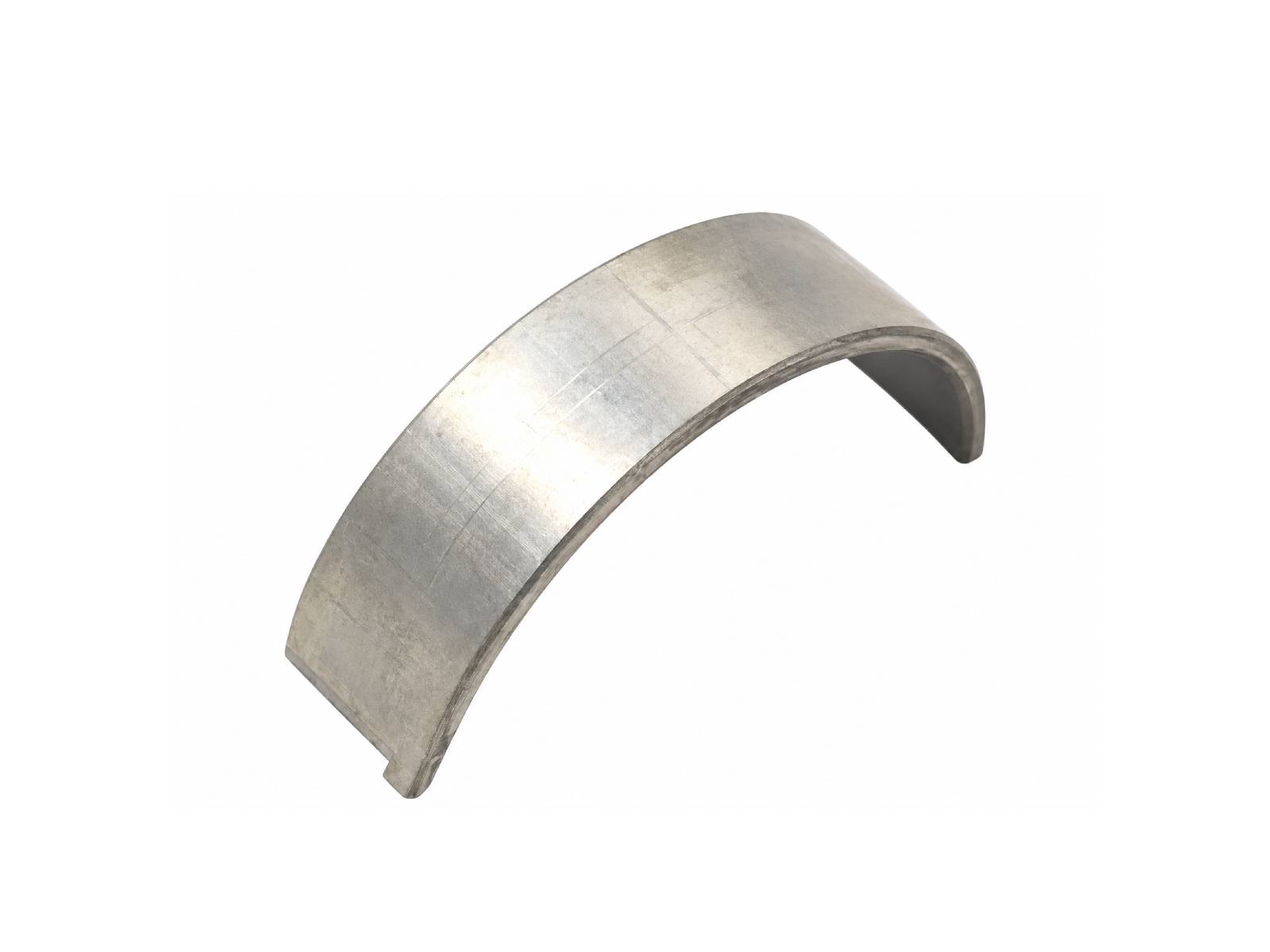
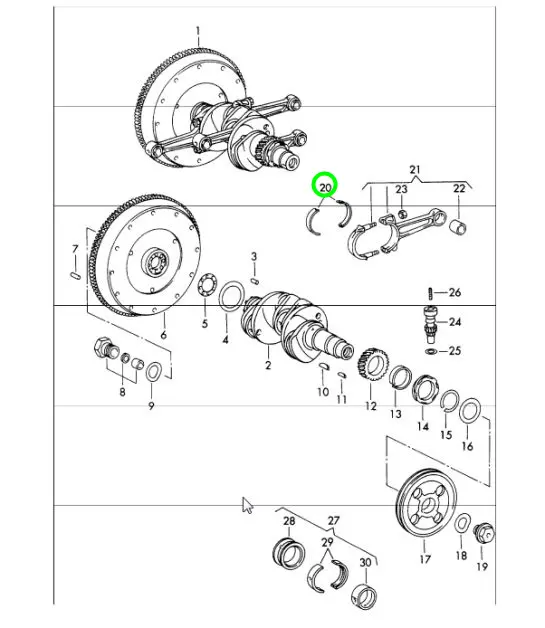

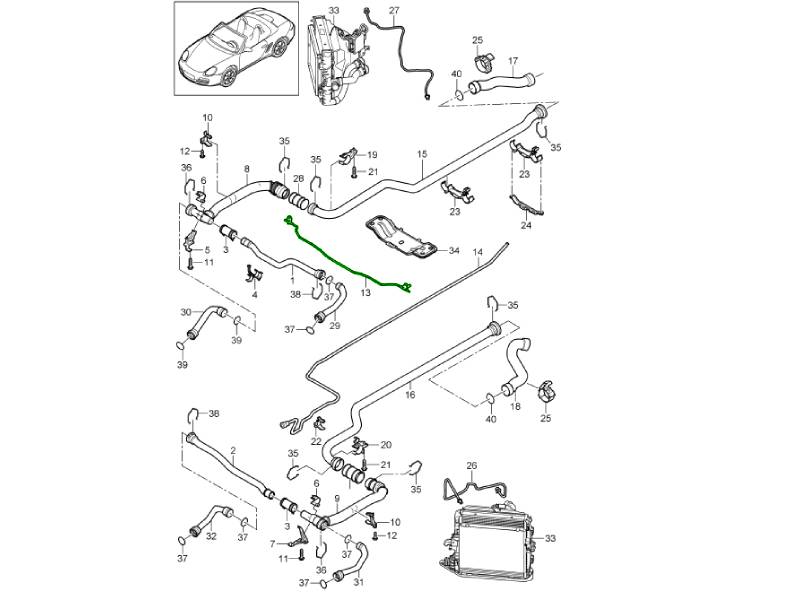

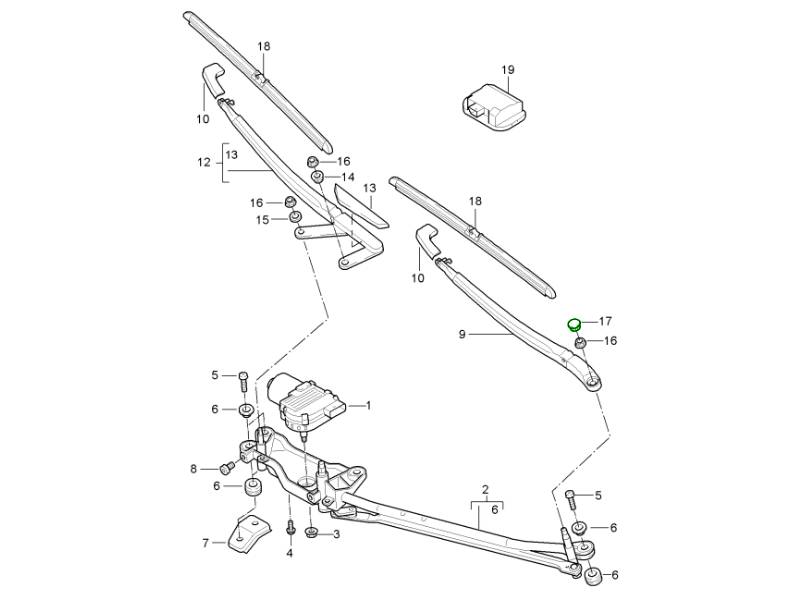
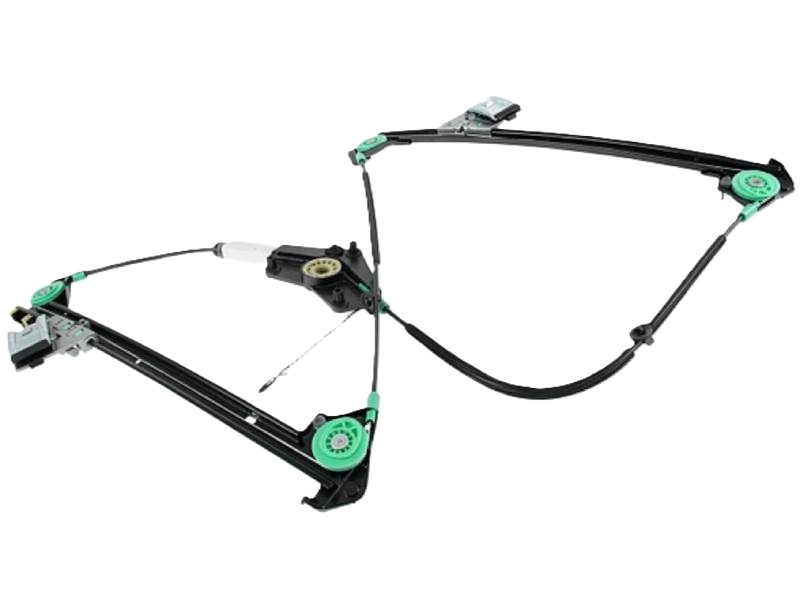
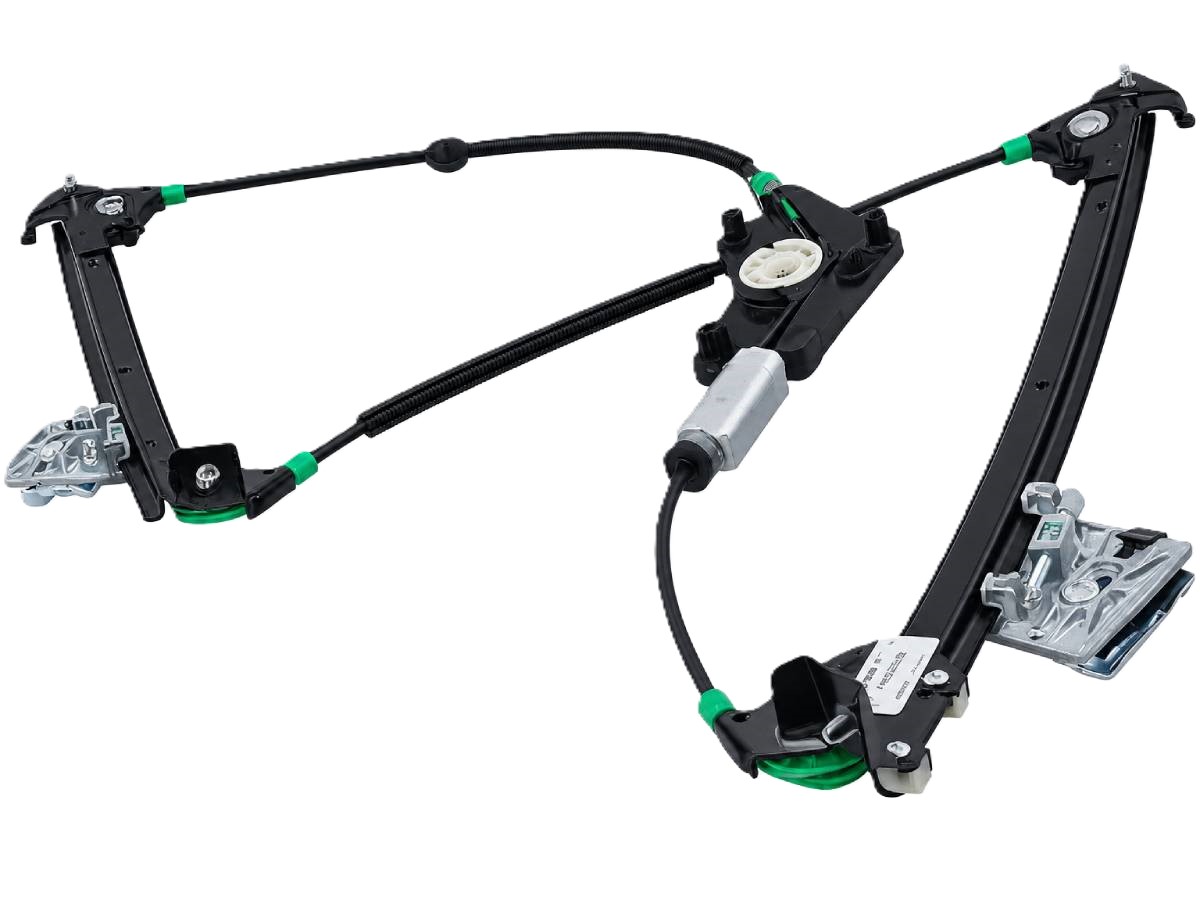
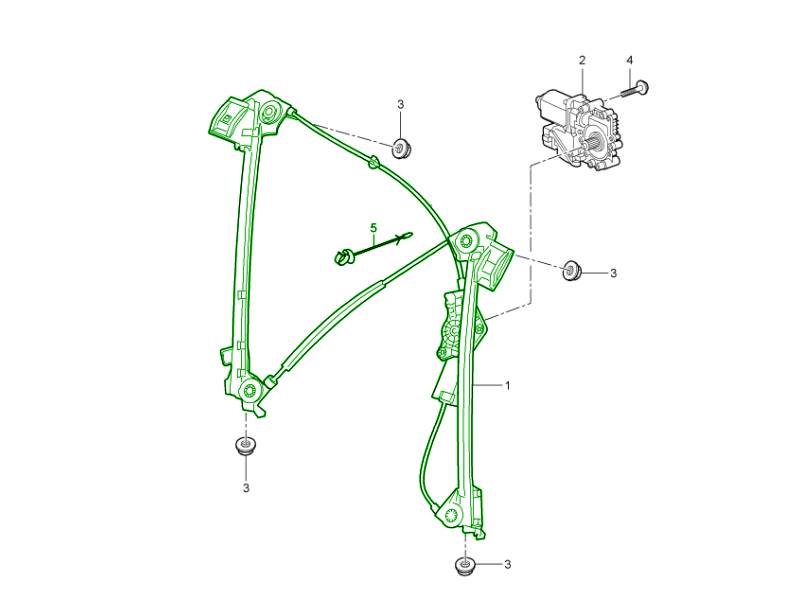
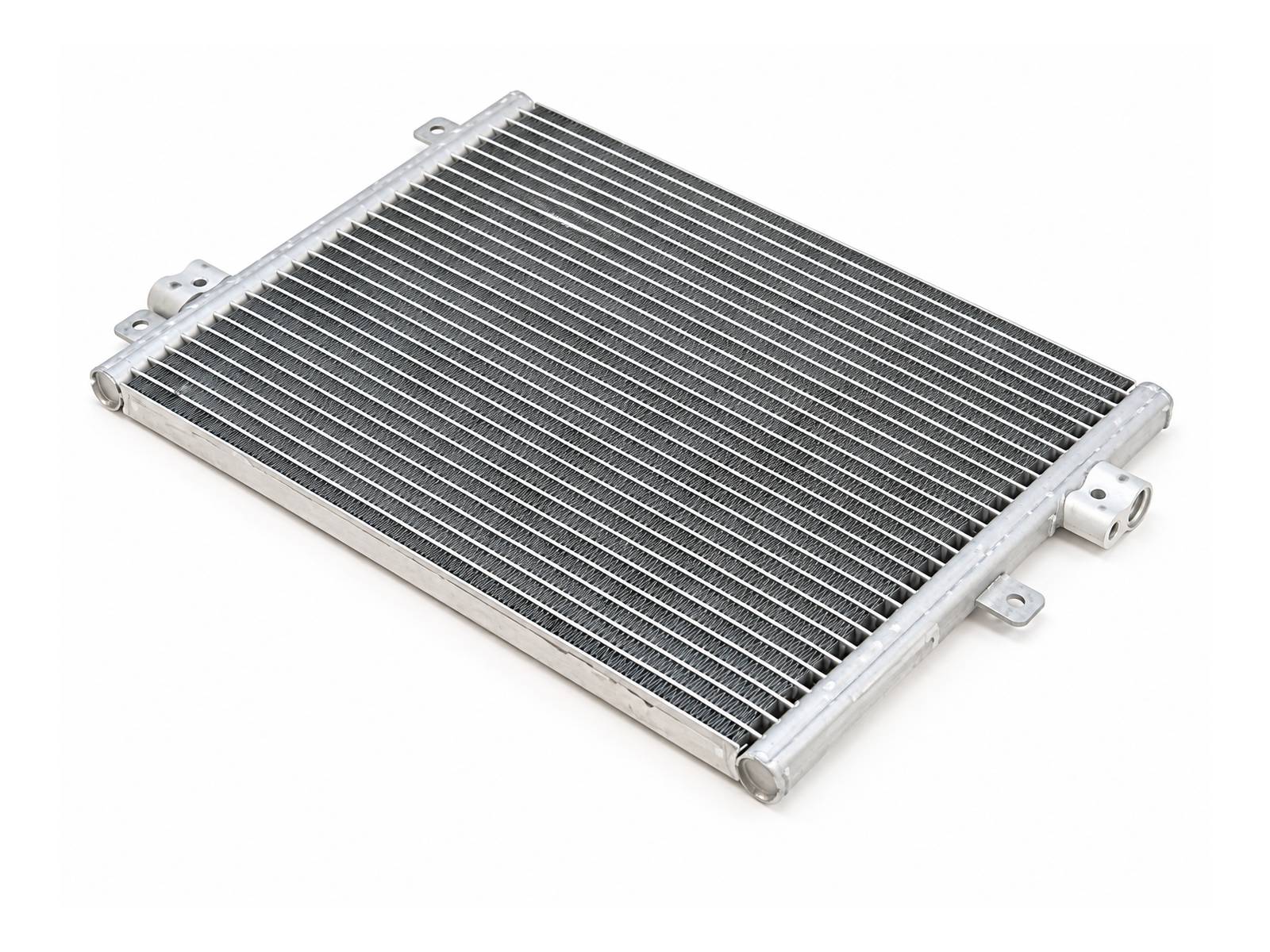
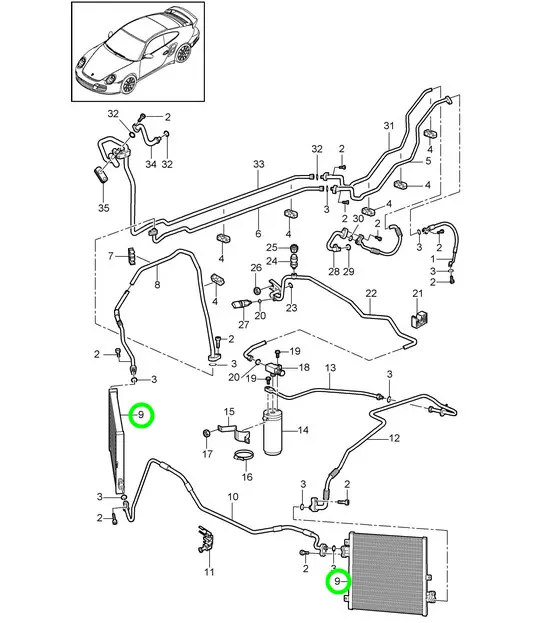
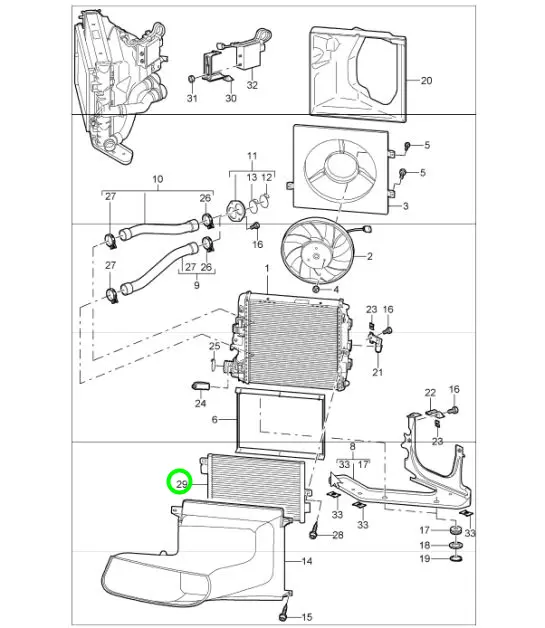

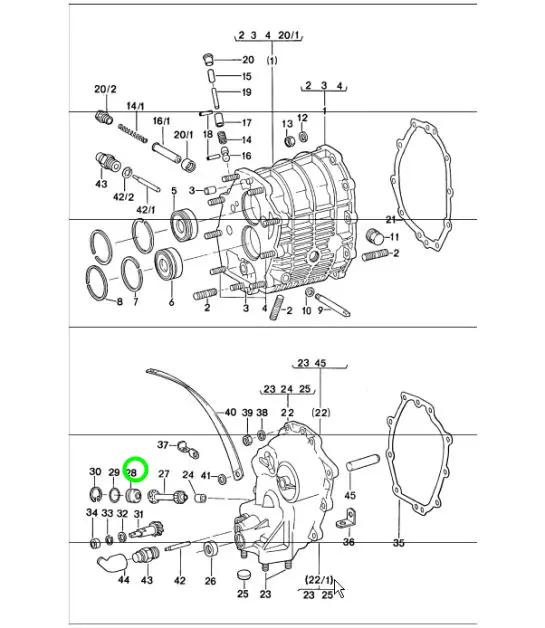
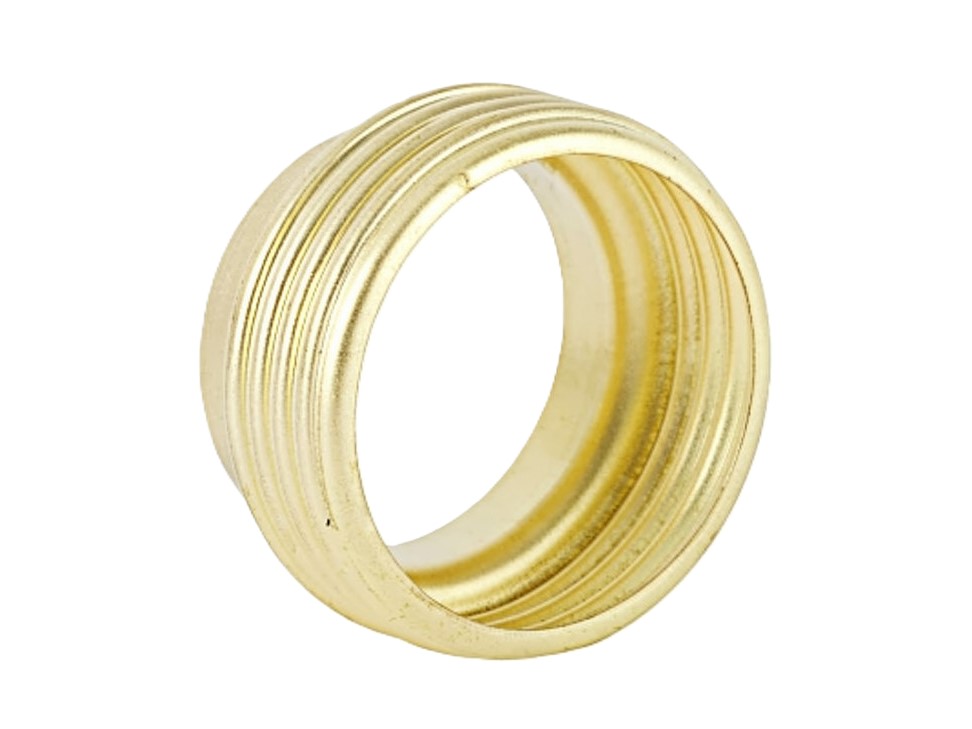
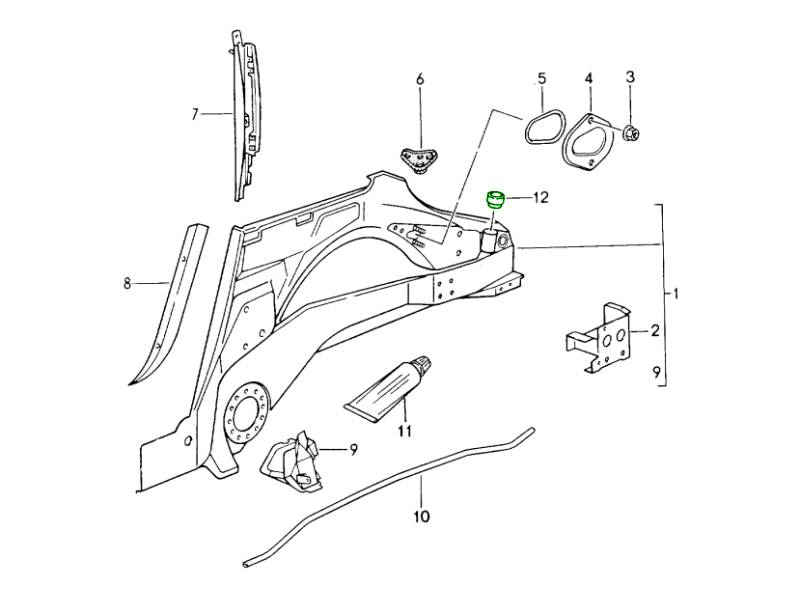

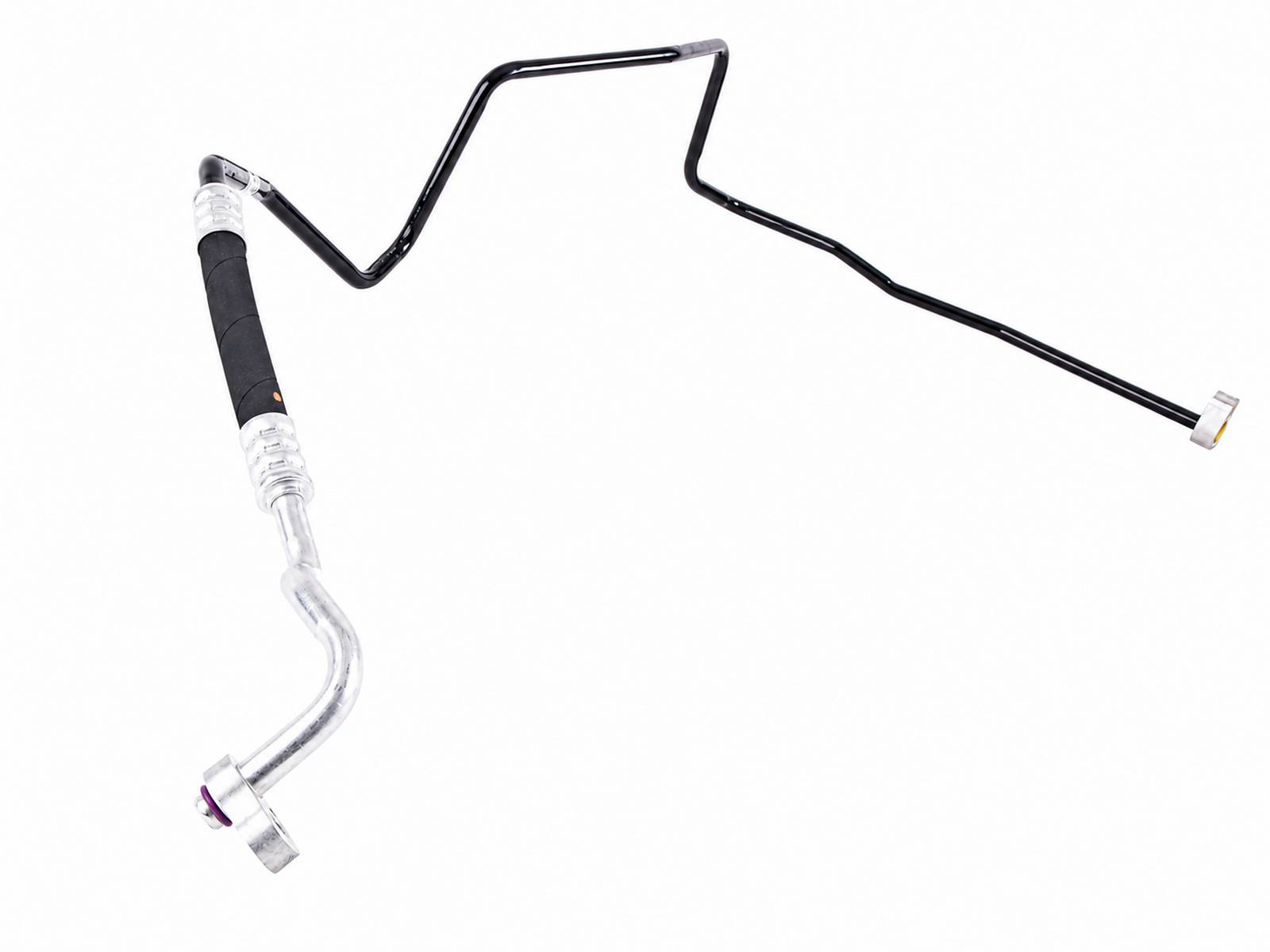
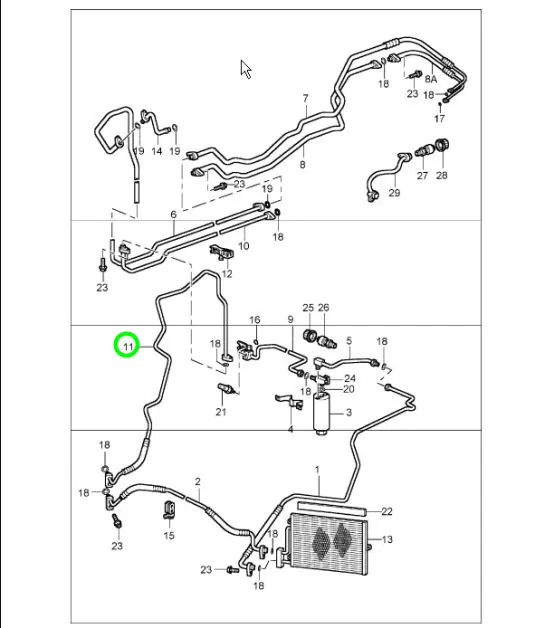
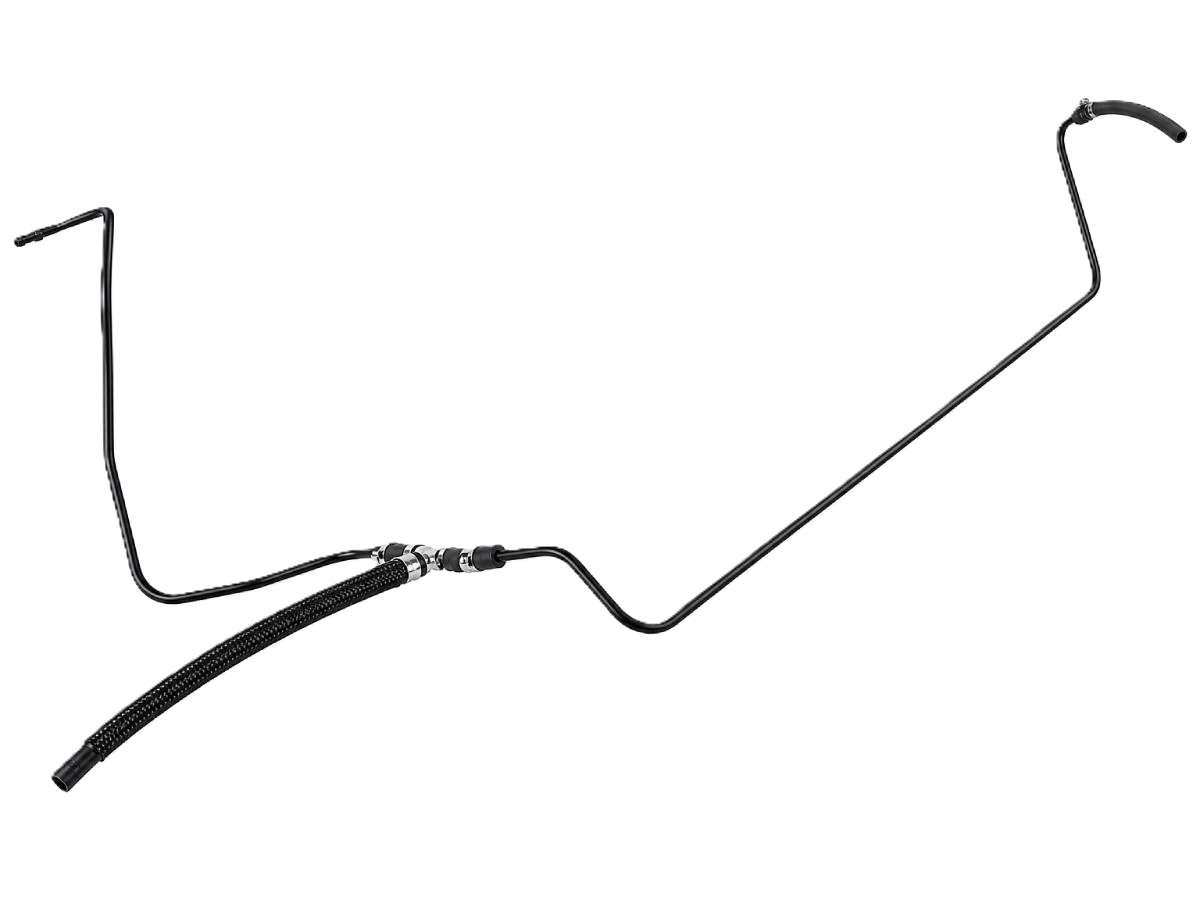
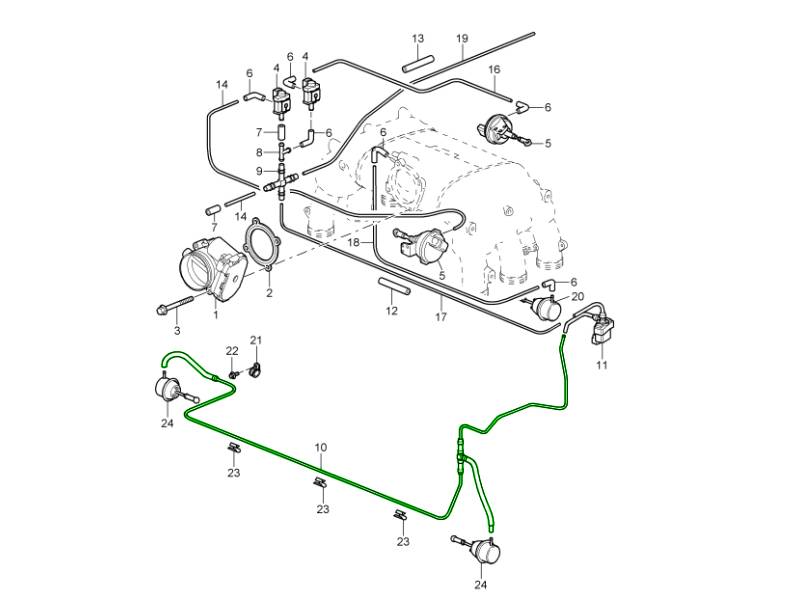
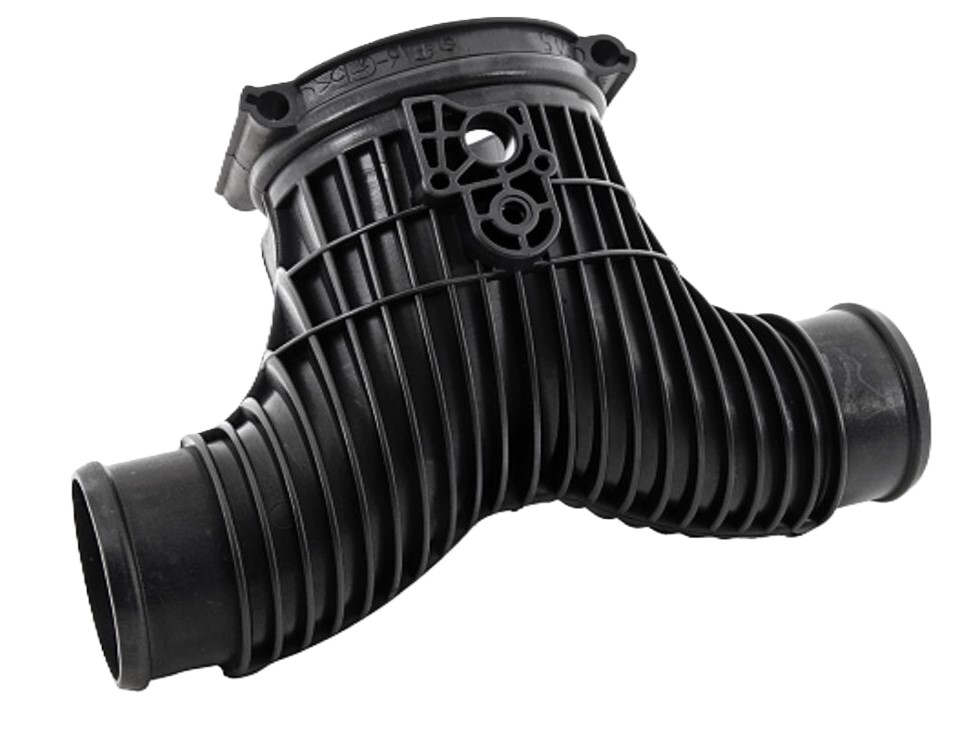
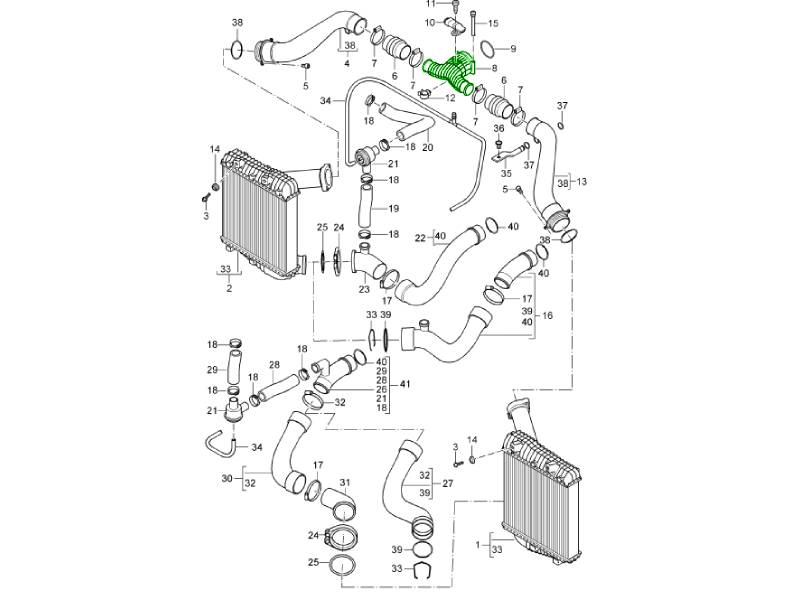

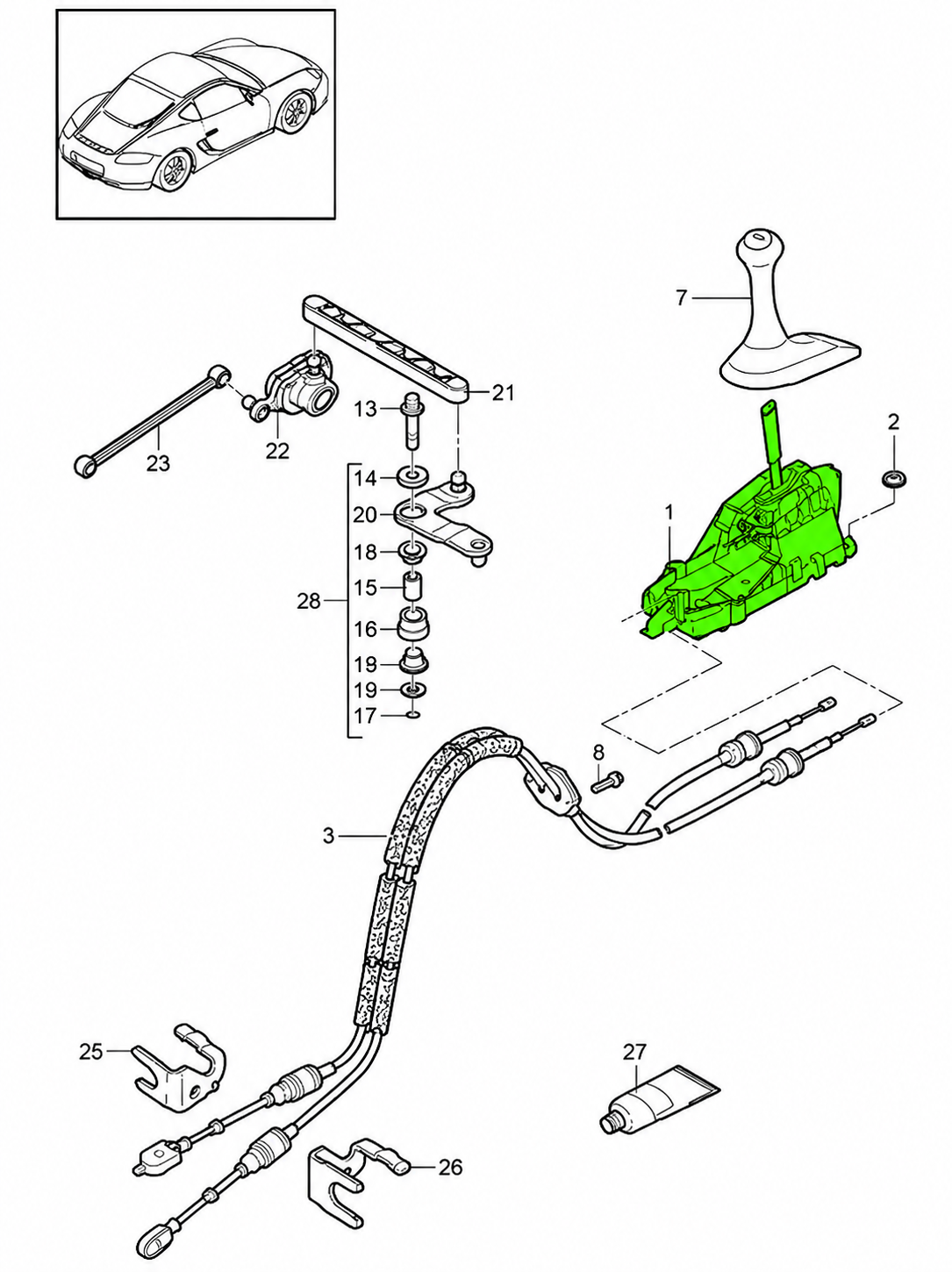
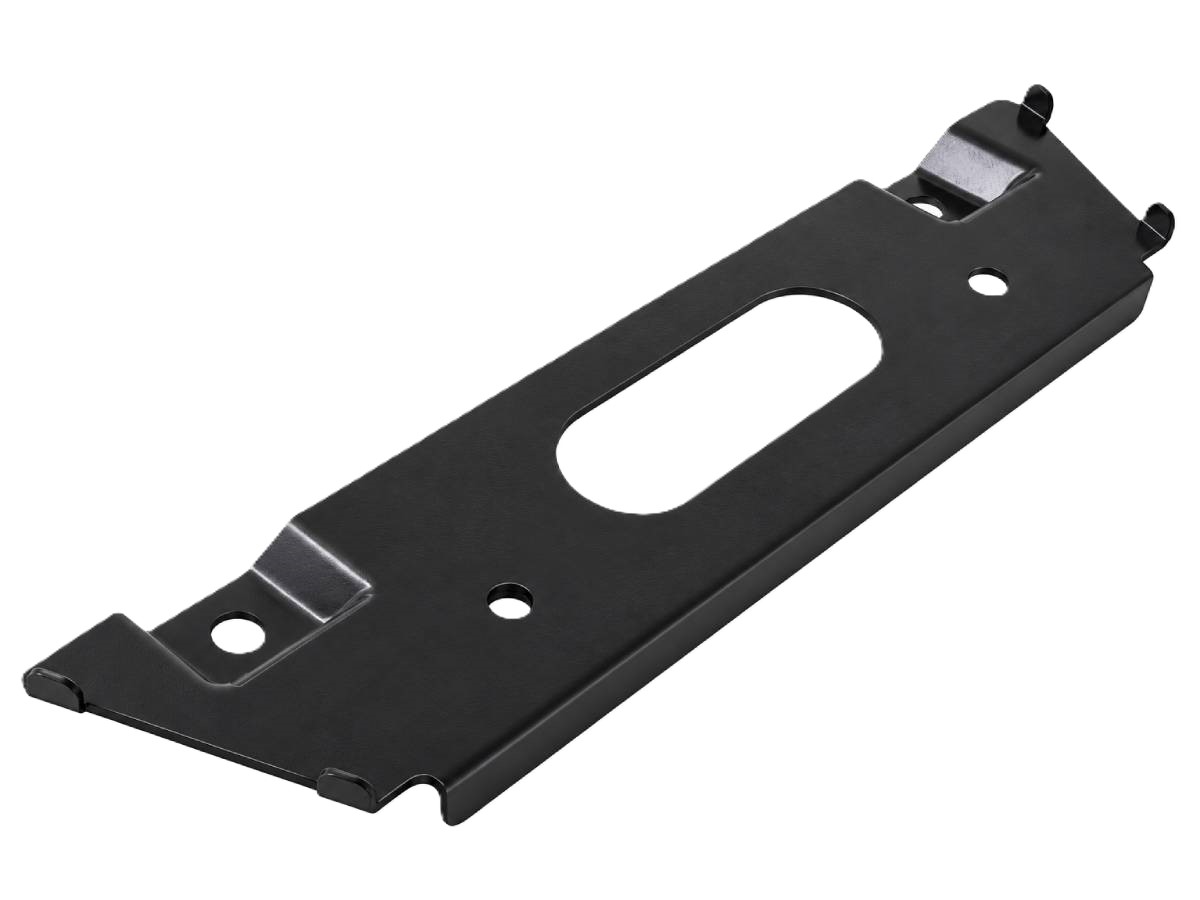
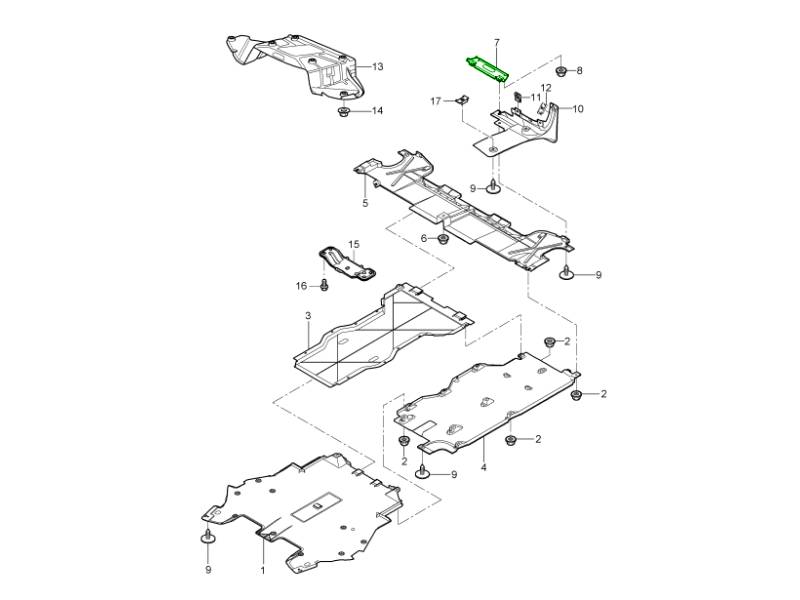
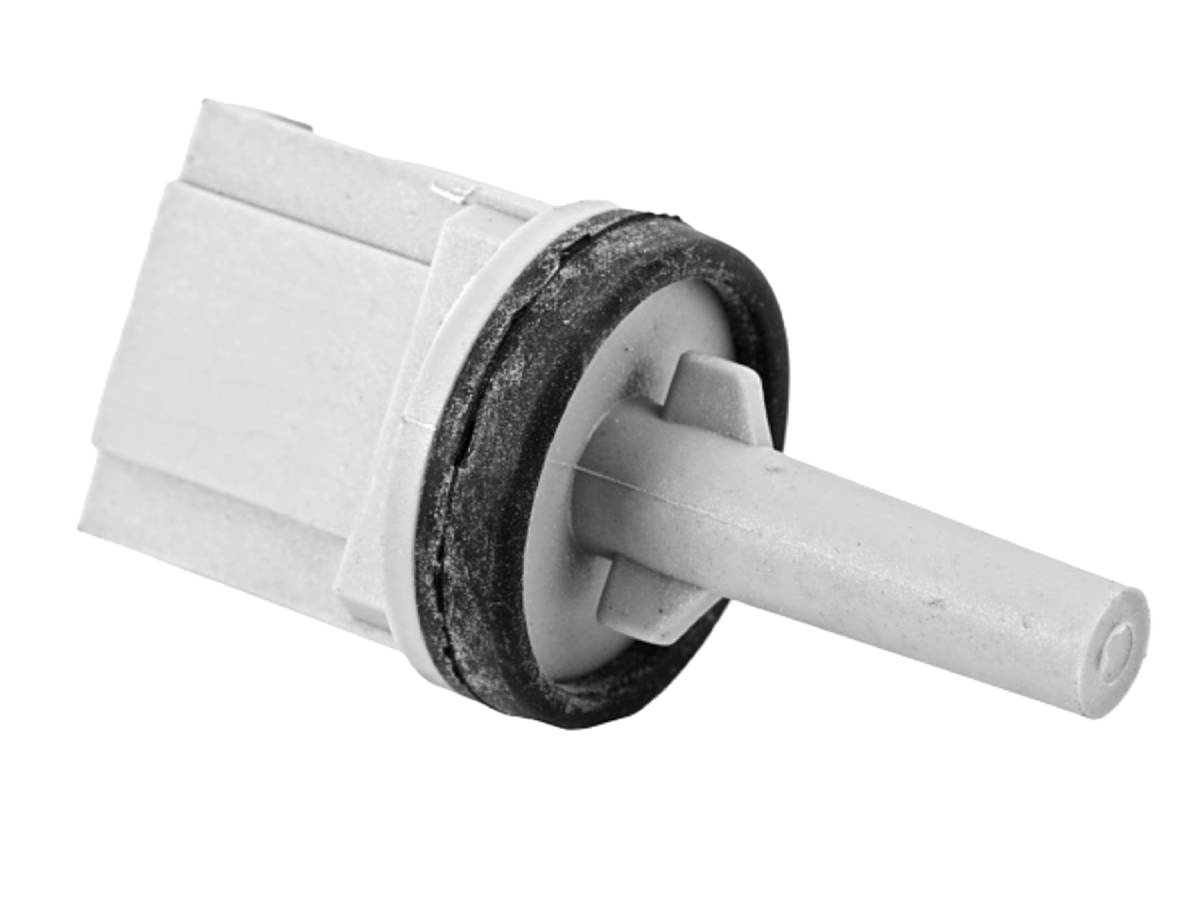
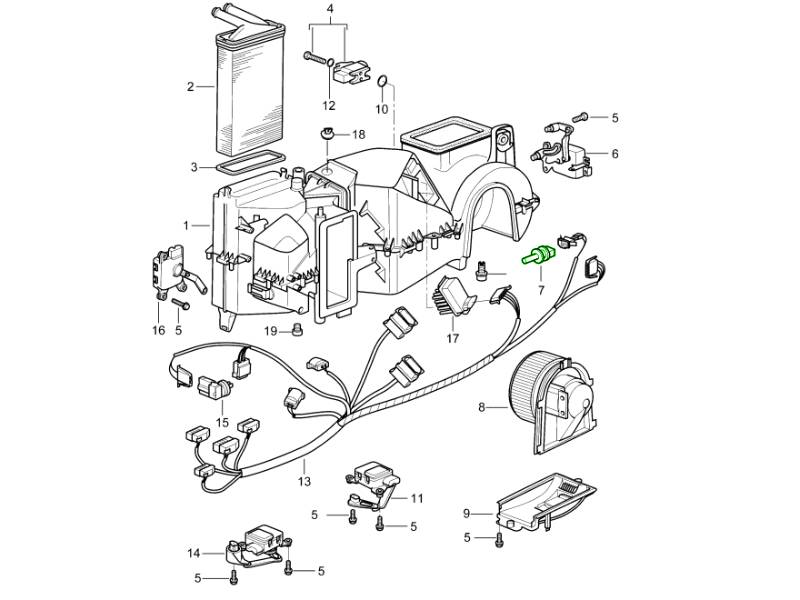
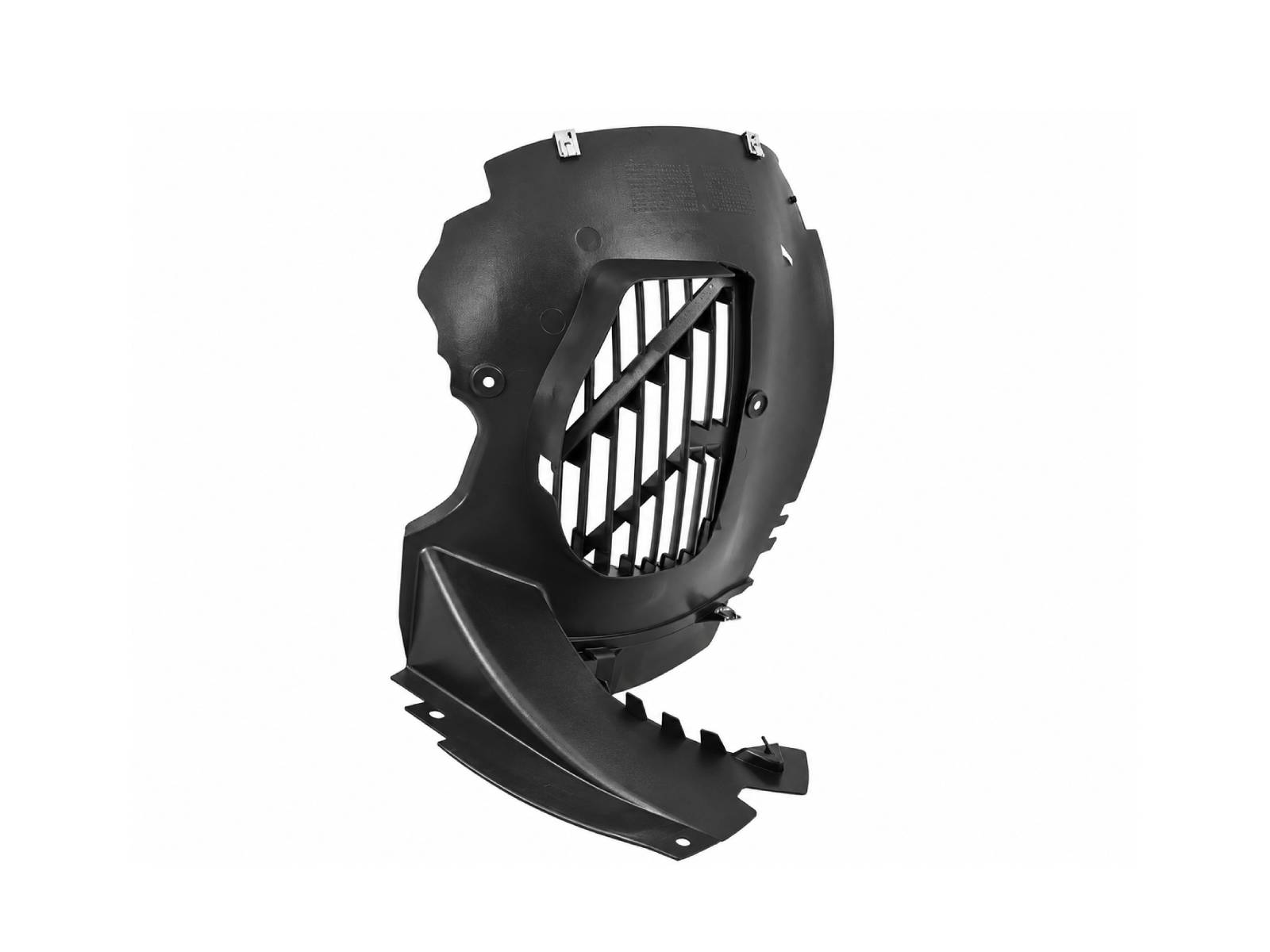
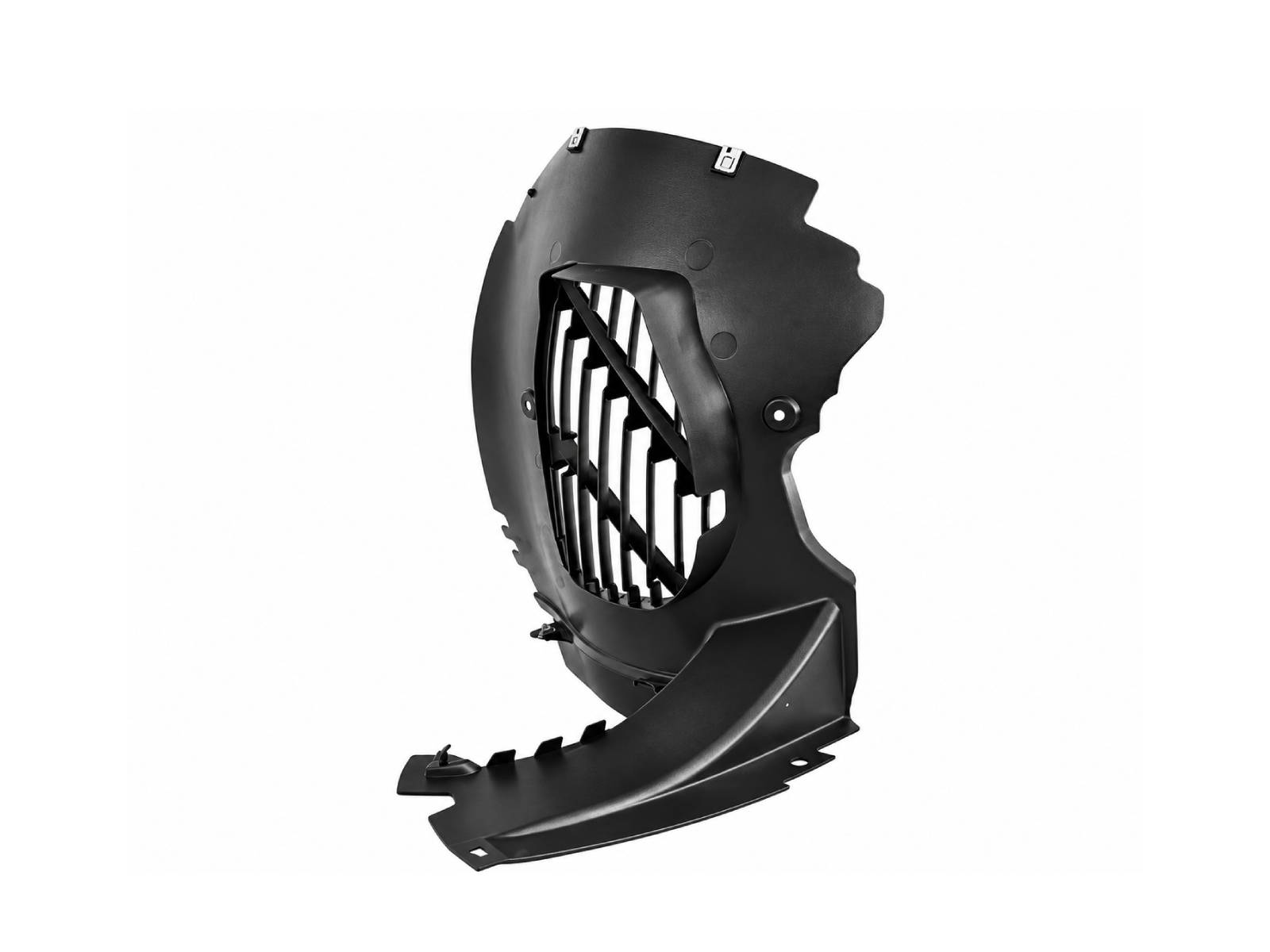
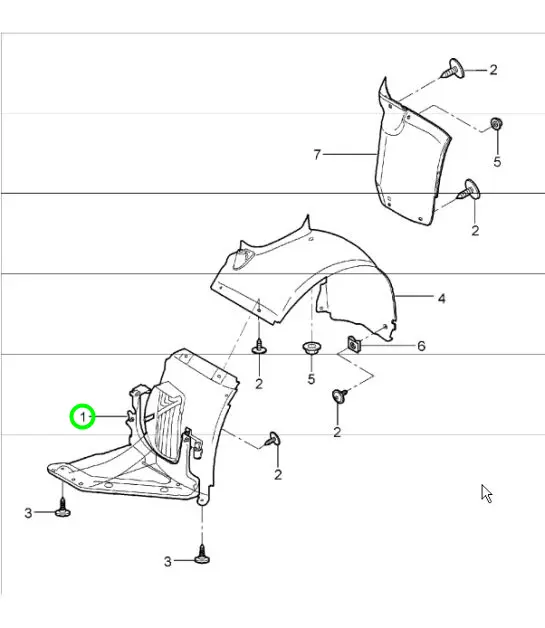
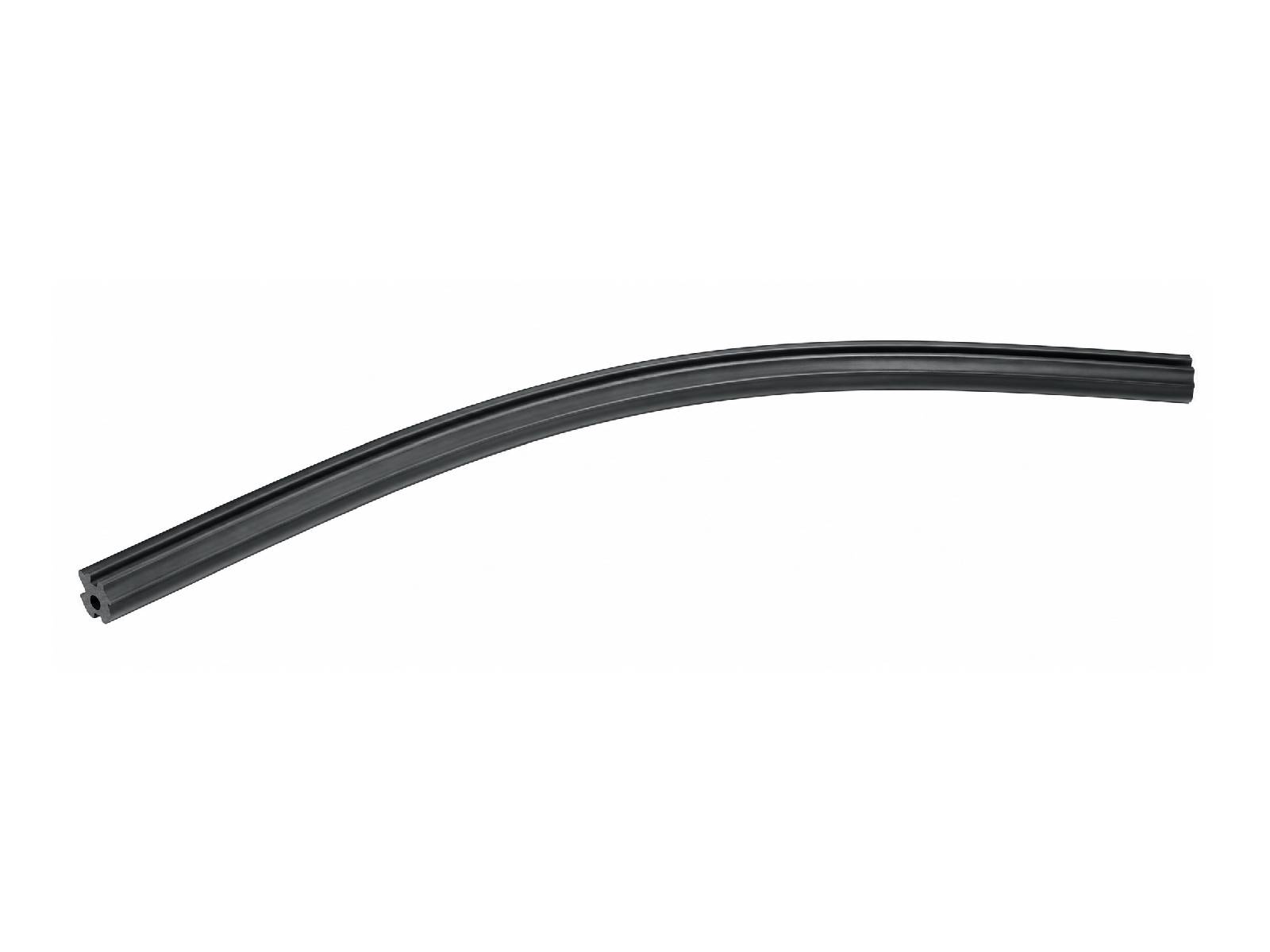
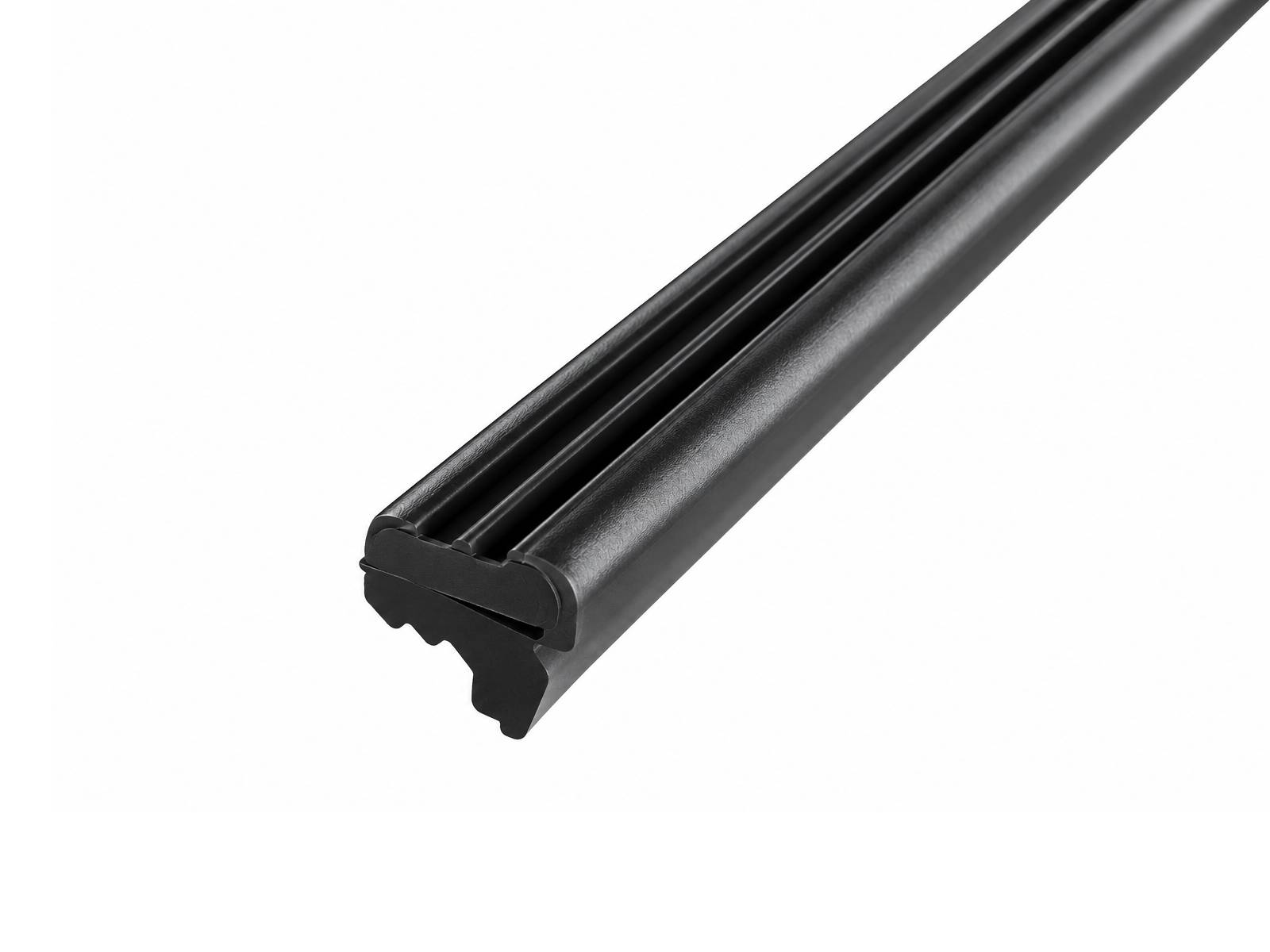
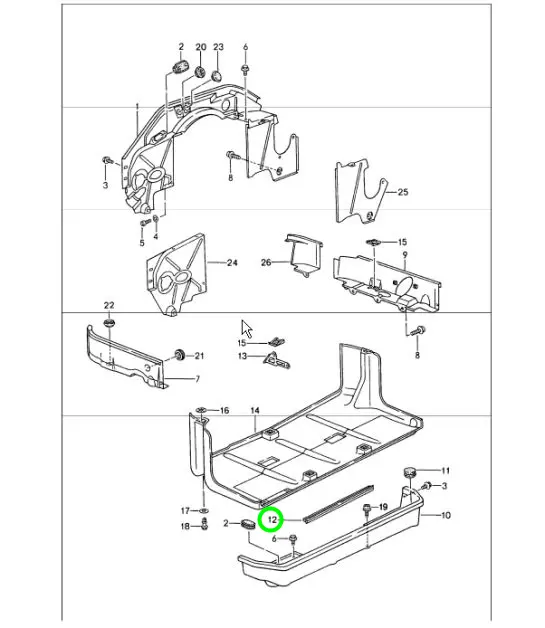
Engine Compartment Seal
Sold each – 2 required per car
Designed to help seal the engine compartment, it reduces
unwanted gaps around the engine bay and supports the correct separation of
airflow within the rear engine compartment.
Fits:
- Porsche 964 (911) C2 1989-93
- Porsche 964 (911) C4 1989-93
- Porsche 964 (911) RS 3.6L 1991-93
- Porsche 964 (911) RS 3.8L 1991-93
- Porsche 964 (911) TURBO 3.3L 1991-93
- Porsche 964 (911) TURBO 3.6L 1991-93
- Porsche 993 (911) C2 1994-97
- Porsche 993 (911) C4 1994-97
- Porsche 993 (911) RS 1994-97
- Porsche 993 (911) C2S 1994-97
- Porsche 993 (911) C4S 1994-97
- Porsche 993 (911) TURBO 1994-96
- Porsche 993 (911) GT2 1994-97
- Porsche 993 (911) TURBO S 1994-97
Diagram Ref No 12
What Does It Do?
The engine compartment seal closes gaps between adjoining engine bay components, helping maintain the intended airflow and reducing the entry of dirt and debris.
Why Does It Fail?
Common causes include:
- Rubber hardening with age
- Cracking or splitting
- Prolonged exposure to engine heat
- Compression and loss of flexibility
- Damage during engine servicing or removal
When Should It Be Replaced?
Replace if the seal is cracked, brittle, torn, flattened or missing.
Deteriorated seals may leave unwanted gaps in the engine compartment and reduce the effectiveness of the original sealing arrangement.
Checks & Installation
Inspect the existing seals for cracking, deformation or missing sections.
Clean the mounting surfaces before installation and ensure the replacement seals are correctly positioned without stretching or twisting.
Key Features
- Replacement engine compartment rubber seal
- Suitable for applicable Porsche 964 and 993 models
- Helps maintain correct engine compartment sealing
- Reduces unwanted gaps and debris entry
- Suitable for engine bay servicing and restoration
- Sold individually – 2 required per car
Porsche 964 / 993 Engine Compartment Seals & Rubber Components
The Porsche 964 and 993 engine compartments rely on correctly fitted rubber seals to maintain the original sealing arrangement and support controlled airflow around the rear-mounted engine.
Replacing deteriorated engine bay seals helps restore proper fitment and maintain the condition of surrounding components.
Related reference numbers
Related, superseded, cross reference or alternative numbers for comparison.
96410622301
The product you are viewing cross references to these numbers
- Porsche 964 (911) C2 1989-93
- Porsche 964 (911) C4 1989-93
- Porsche 964 (911) RS 3.6L 1991-93
- Porsche 964 (911) RS 3.8L 1991-93
- Porsche 964 (911) TURBO 3.3L 1991-93
- Porsche 964 (911) TURBO 3.6L 1991-93
- Porsche 993 (911) C2 1994-97
- Porsche 993 (911) C4 1994-97
- Porsche 993 (911) RS 1994-97
- Porsche 993 (911) C2S 1994-97
- Porsche 993 (911) C4S 1994-97
- Porsche 993 (911) TURBO 1994-96
- Porsche 993 (911) GT2 1994-97
- Porsche 993 (911) TURBO S 1994-97
Shop Securely
12 Month Warranty
Worldwide Delivery


Monday-Friday: 8.30am - 5.30pm (GMT)
Saturday: Closed
Sunday: Closed