





Enter your VAT number here and click Verify:
Your details have been verified. VAT number registered to:
,
.
Your order will now be zero rated for VAT purposes. We reserve the right to verify these details after your order request has been made and reinstate VAT if required.
Your VAT details were not recognised or were invalid. Your VAT number must be matched to your Billing Country as specified above. This is currently specified as . You do not need to enter the country code part of your VAT number as this has already been selected in your billing address details above.
The VAT number checking service is currently offline. Please supply your VAT details within the comments or special instructions field below and we will apply a VAT discount after placing your order request.

Your Porsche
Porsche

Porsche for Porsche
Porsche genuine parts and lifestyle products for Porsche models from Design911
A Quick Look at Porsche
Porsche information on this page is based on details supplied by the manufacturer or distributor, plus any OE references provided with the parts.
Choosing the Right Fit for Your Porsche
Where Porsche is listed for Porsche, use the supplied model coverage and OE references to confirm suitability. Check details that commonly affect fitment such as model year, side/position, and connector type where relevant.
- Typical reasons people replace these parts include maintaining originality, keeping factory specification, and choosing the latest genuine revisions for peace of mind.
- Common real-world issues behind many Porsche repairs are age and mileage: oil leaks, cooling system fatigue, brake and suspension wear, corrosion and electrical faults from moisture or heat cycling.
- Before ordering, confirm part numbers against VIN or option/PR codes, especially for safety‑critical or complex components.
- When upgrading, decide whether you want pure originality or performance changes, as some aftermarket options may suit specific goals better than genuine.
- For bigger jobs, replace related seals, hardware and consumables at the same time to avoid repeat labour and compatibility issues.
- Where available, follow the manufacturer’s fitting and bedding‑in guidance to get the best performance and longevity.
Browse by Category
If you already know the area you are working on, start with the category and then filter by Porsche model. Where real-world symptoms and typical reasons to replace are provided, use them to keep the wording grounded.
Brakes — Brake components are renewed to restore stopping performance, address wear or upgrade a Porsche for fast road or track use. Common symptoms include: Common symptoms include vibration under braking, increased stopping distances, squealing, pulling to one side, warning lights and visible wear to discs and pads.
- Check whether the parts are OE-equivalent replacements or performance upgrades and match this to how the Porsche is used.
- Follow any recommended bedding-in procedure and consider replacing discs, pads, sensors and fitting hardware together where advised.
Clothing & Gifts — Porsche-themed clothing and gifts let owners and enthusiasts show their passion off the road, or make ideal presents for fans of the marque. Common symptoms include: Items may become worn, faded, damaged or go out of style, prompting replacement with newer designs.
- Review available size, colour and material details to help choose the right item and ensure it matches how it will be used.
- Check any care or washing guidance so garments and accessories keep their appearance for longer.
Lifestyle — To explore different Porsche-inspired lifestyle products or gift ideas. Common symptoms include: General wear from handling or display.
- Confirm whether items are official Porsche lifestyle products or from trusted partner brands where stated.
- Consider who the item is for and how it will be used day to day to select the most suitable style or product type.
Keyring — To choose a different design, material or model theme. Common symptoms include: Scratches, worn finishes or loose fittings.
- Keyrings make simple, practical Porsche-themed gifts and can be matched to specific models or heritage designs where available.
- If a keyring shows damage or looseness, replace it to avoid losing keys or further wear to finishes.
Size chart — The size chart acts as a practical reference tool for all apparel purchases. Common symptoms include:
Explore Porsche at Design911
View the current Porsche range for Porsche at Design911, then filter by model and category to narrow down to the right parts.


The Genuine Porsche Hose, 12 × 2.5 mm (Part Number: 99918107240) is an original equipment hose used within the fuel tank ventilation and fuel vapour management systems of selected classic Porsche models.
Fits:
- Porsche 911 1974-1977 2.7L / 1976-77 3.0 Carrera
- Porsche 911 1978-1983 3.0L / SC
- Porsche 911 1984-1986 3.2L
- Porsche 911 1987-1989 3.2L G50
- Porsche 911 1975-1977 3.0L Turbo (930)
- Porsche 911 1978-1989 3.3L Turbo (930)
- Porsche 924 2.0L 1980-85
- Porsche 924S 2.5L 1986-87
- Porsche 924S 2.5L 1988
- Porsche 944 2.5L 8V 1982-87
- Porsche 944 2.7L 8V 1988-89
- Porsche 944S 2.5L 16V 1987-88
- Porsche 944S2 3.0L 16V 1989-91
- Porsche 944 Turbo 2.5L 8V 1985-88
- Porsche 944 Turbo 2.5L 8V 1989-91
- Porsche 944 Turbo S 2.5L 8V 1988
This hose is listed in Porsche parts catalogues for selected Porsche 911 SC, 930 Turbo and 944 applications, where it connects components of the fuel tank ventilation or activated charcoal canister system.
The fuel tank ventilation system manages the movement of air and petrol vapour as fuel is consumed and temperature changes affect pressure inside the tank.
The hose provides a flexible passage between the specified ventilation components, helping maintain the intended vapour routing and allowing the fuel tank to breathe through its designed ventilation circuit.
Manufactured to Porsche's original equipment specification, the hose has nominal dimensions of 12 × 2.5 mm, corresponding to a 12 mm internal diameter and 2.5 mm wall thickness.
The hose is intended to be cut to the correct length for its particular installation, where supplied as bulk hose.
During normal operation, fuel tank ventilation hoses are exposed to petrol vapour, changing temperatures and vehicle vibration. These conditions can gradually affect the flexibility and condition of the hose material.
Over time, an ageing hose may become brittle, cracked, split, swollen or loose at its connection points.
A damaged hose can allow petrol vapours to escape or interfere with the proper operation of the ventilation circuit. This may produce a persistent fuel smell, particularly after refuelling or when the vehicle is parked in warm conditions.
Replacing a defective hose with a Genuine Porsche component helps restore the intended fuel vapour connections, reduce unwanted vapour leakage and maintain the original ventilation arrangement.
Ideal for classic Porsche fuel system repairs, tank ventilation maintenance and restoration projects, this Genuine Porsche Hose provides a correctly specified replacement for compatible applications.
What This Product Does:
The hose forms part of the vehicle's fuel tank ventilation or fuel vapour management circuit.
Its primary function is to provide a flexible passage for air and petrol vapour between designated components.
As the engine consumes fuel, the volume of liquid within the tank decreases. The ventilation system allows the resulting changes in tank pressure to be managed.
Changes in ambient temperature also affect fuel vapour pressure. The tank ventilation arrangement accommodates these changes through its connecting hoses, expansion chambers and other components.
In vehicles fitted with an activated charcoal canister, fuel vapours are routed through the appropriate vapour management system rather than being released freely.
The hose supports these functions by maintaining the intended connection.
Its main functions include:
- Supporting fuel tank ventilation: Provides a passage for air and fuel vapour within the designated circuit.
- Helping manage tank pressure: Supports normal pressure equalisation as fuel volume and temperature change.
- Connecting ventilation components: Links the relevant expansion chambers, pipes, fittings or charcoal canister components.
- Maintaining vapour routing: Helps keep fuel vapour within the intended ventilation pathway.
- Reducing unwanted vapour escape: Maintains a secure connection when correctly installed.
- Accommodating vehicle movement: Provides flexibility between connected components.
- Maintaining unrestricted flow: Allows air and vapour to pass through the specified hose section.
- Supporting emissions equipment: Helps preserve the original vapour management arrangement on vehicles equipped with an activated charcoal canister.
- Maintaining factory hose routing: Restores the correct hose size and installation arrangement.
- Supporting fuel system reliability: Helps prevent faults associated with cracked, collapsed or disconnected ventilation hoses.
Symptoms Of Wear Or Failure:
Ageing fuel tank ventilation hoses can deteriorate through prolonged exposure to petrol vapour, heat, vibration and repeated changes in temperature.
Common symptoms and signs of a worn or damaged hose include:
- Petrol smell around the vehicle: Escaping vapours may create a noticeable fuel odour.
- Fuel smell after refuelling: Vapour leakage may become more noticeable when the tank is full.
- Fuel smell in warm weather: Increased vapour formation may expose weaknesses in the ventilation circuit.
- Visible cracking: The hose surface may develop cracks as the material ages.
- Hardened or brittle hose: Loss of flexibility can affect sealing around the connection fittings.
- Split hose ends: Cracking near connection points may allow vapour leakage.
- Loose hose connections: Deteriorated hose ends may no longer grip fittings securely.
- Disconnected hose: An insecure connection can leave part of the vapour circuit open.
- Swollen or distorted material: Ageing or chemical incompatibility may affect the hose shape.
- Collapsed hose sections: Deformation may restrict airflow through the ventilation circuit.
- Kinked hose routing: Incorrect installation can obstruct the intended ventilation passage.
- Visible abrasion: Contact with sharp edges or neighbouring components may wear through the hose.
- Unusual fuel tank pressure symptoms: A restricted ventilation system may contribute to excessive pressure or vacuum in the tank.
- Damaged hose clamps: Loose or corroded clamps may compromise secure attachment.
- Persistent vapour odours after servicing: Incorrect routing or inadequate sealing may leave a connection leaking.
Why Replacement Matters:
Replacing a deteriorated ventilation hose helps maintain the correct operation of the fuel tank breathing and vapour management system.
An old hose may become cracked or brittle, allowing fuel vapours to escape around its surface or connection points.
A collapsed or incorrectly routed hose may also restrict the normal movement of air and vapour through the system.
Installing a Genuine Porsche replacement Hose 99918107240 helps to:
- Restore the intended ventilation connection: Replace a defective section of hose.
- Reduce petrol vapour leakage: Address unwanted fuel odours caused by a confirmed hose defect.
- Maintain fuel tank breathing: Support the intended movement of air and vapour.
- Help prevent ventilation restrictions: Replace collapsed or obstructed hose sections.
- Restore secure hose attachment: Renew hardened or split hose ends.
- Preserve original hose dimensions: Use the specified 12 × 2.5 mm hose reference.
- Maintain factory hose routing: Cut and fit the correct length for the relevant application.
- Support vapour management components: Maintain connections to expansion chambers or activated charcoal canisters.
- Reduce further deterioration: Replace ageing hose material before complete failure.
- Support fuel system refurbishment: Renew old hoses during fuel tank or emissions system servicing.
- Preserve classic Porsche originality: Maintain the factory-style ventilation system.
- Provide Genuine Porsche quality: Use an original equipment hose reference for the specified application.
Replacement is recommended when the hose shows cracks, brittleness, swelling, damage, persistent vapour leakage or an insecure fit.
The surrounding clamps, connection fittings, expansion chambers and other ventilation hoses should also be inspected.
Related reference numbers
Related, superseded, cross reference or alternative numbers for comparison.
99918107240
The product you are viewing cross references to these numbers
- Porsche 911 1974-1977 2.7L / 1976-77 3.0 Carrera
- Porsche 911 1978-1983 3.0L / SC
- Porsche 911 1984-1986 3.2L
- Porsche 911 1987-1989 3.2L G50
- Porsche 911 1975-1977 3.0L Turbo (930)
- Porsche 911 1978-1989 3.3L Turbo (930)
- Porsche 924 2.0L 1980-85
- Porsche 924S 2.5L 1986-87
- Porsche 924S 2.5L 1988
- Porsche 944 2.5L 8V 1982-87
- Porsche 944 2.7L 8V 1988-89
- Porsche 944S 2.5L 16V 1987-88
- Porsche 944S2 3.0L 16V 1989-91
- Porsche 944 Turbo 2.5L 8V 1985-88
- Porsche 944 Turbo 2.5L 8V 1989-91
- Porsche 944 Turbo S 2.5L 8V 1988
 Shop Securely
 12 Month Warranty
 Worldwide Delivery

Genuine Porsche parking brake cable guide tube for selected 964 and 993 models.
Fits
- Porsche 964 (911) C2 1989–93
- Porsche 964 (911) C4 1989–93
- Porsche 964 (911) RS 3.6L 1991–93
- Porsche 964 (911) RS 3.8L 1991–93
- Porsche 964 (911) TURBO 3.3L 1991–93
- Porsche 964 (911) TURBO 3.6L 1991–93
- Porsche 993 (911) C2 1994–97
- Porsche 993 (911) C4 1994–97
- Porsche 993 (911) RS 1994–97
- Porsche 993 (911) C2S 1994–97
- Porsche 993 (911) C4S 1994–97
- Porsche 993 (911) TURBO 1994–96
- Porsche 993 (911) GT2 1994–97
- Porsche 993 (911) TURBO S 1994–97
Check fitment for your specific vehicle (model, year, engine) before ordering.
Diagram ref no; 3
What This Product Does
This tube guides the parking brake cable through the relevant body section. It is a cable-routing component associated with the rear cross-tube and centre-frame assemblies, rather than the handbrake cable itself or a complete chassis repair panel.
Functions
- Provides a guide passage for the parking brake cable.
- Forms part of the cable routing through the body structure.
Technical Details
- Application: parking brake cable guide.
- This part is handed and requires left or right side
Symptoms of Fault
Inspect the guide tube for corrosion, visible damage or distortion during cable servicing or body restoration. Stiff handbrake operation or incomplete release can also involve the cable and other components, so these symptoms alone do not identify a faulty guide tube.
Why Replacement Matters
Renewing a damaged guide tube addresses deterioration in the cable-routing passage. During restoration, assess its condition alongside the surrounding bodywork and parking brake cable rather than assuming that replacing the cable will also resolve damage to its guide.
FAQs
Is this a replacement handbrake cable?
No. It is the guide tube through which the parking brake cable is routed.
Which side does it fit?
Both, select left or rights side as needed
Related reference numbers
Related, superseded, cross reference or alternative numbers for comparison.
99350169
The product you are viewing cross references to these numbers
- Porsche 964 (911) C2 1989-93
- Porsche 964 (911) C4 1989-93
- Porsche 964 (911) RS 3.6L 1991-93
- Porsche 964 (911) RS 3.8L 1991-93
- Porsche 964 (911) TURBO 3.3L 1991-93
- Porsche 964 (911) TURBO 3.6L 1991-93
- Porsche 993 (911) C2 1994-97
- Porsche 993 (911) C4 1994-97
- Porsche 993 (911) RS 1994-97
- Porsche 993 (911) C2S 1994-97
- Porsche 993 (911) C4S 1994-97
- Porsche 993 (911) TURBO 1994-96
- Porsche 993 (911) GT2 1994-97
- Porsche 993 (911) TURBO S 1994-97
Shop Securely
12 Month Warranty
Worldwide Delivery

Inner Door Seal, Front.
The Genuine Porsche Inner Door Seal, Front (Part Number: 64453190300) is an original equipment body sealing component designed for selected Porsche 356A, 356B and 356C models.
Sold Each.
x2 Required Per Car.
Fits:
Diagram Ref No 79
This rubber weather seal is fitted along the front, or leading, edge of the door, helping create a protective seal between the door and surrounding bodywork when the door is closed.
The seal is designed to limit the entry of water, wind, dust and road debris into the vehicle's interior while maintaining the original door sealing arrangement.
Unlike a complete door aperture weatherstrip, this component seals a specific section of the door assembly. It is traditionally bonded to the door using an appropriate adhesive.
The Porsche 356 features a classic body and door construction that relies on correctly positioned rubber seals to protect the passenger compartment from the elements.
When the door is closed, the front inner door seal helps close the gap between the leading edge of the door and the adjacent bodywork.
A properly fitted seal also provides a degree of cushioning between the mating surfaces, helping reduce unwanted vibration and rattling.
Over time, original rubber seals can deteriorate because of age, exposure to sunlight, moisture, temperature fluctuations and repeated compression.
The rubber may become brittle, cracked, flattened or detached from the door, reducing its ability to provide an effective weather-resistant seal.
Deteriorated door seals may contribute to increased wind noise, water entering the cabin, damp interior trim and moisture accumulation around the door opening.
Replacing a damaged or perished front inner door seal with a Genuine Porsche component helps restore the original sealing arrangement, improve weather protection and preserve the classic vehicle's interior condition.
Ideal for door refurbishment, bodywork repairs and Porsche 356 restoration projects, this Genuine Porsche Inner Door Seal provides an original equipment replacement for compatible applications.
What This Product Does:
The front inner door seal forms part of the Porsche 356 body weatherproofing system.
Its primary function is to provide a flexible seal between the front edge of the door and the adjacent bodywork when the door is closed.
As the door closes, the rubber seal contacts the corresponding body surface and compresses to help close the gap.
This reduces the movement of water, air and road contamination through the door opening.
Its main functions include:
- Sealing the front edge of the door: Helps close the gap between the door and adjacent bodywork.
- Reducing water ingress: Helps prevent rainwater and road spray from entering through the door opening.
- Limiting wind intrusion: Reduces airflow through gaps around the leading edge of the door.
- Reducing wind noise: Helps minimise whistling and rushing-air sounds caused by inadequate door sealing.
- Preventing dust entry: Reduces the amount of dirt and road debris entering the passenger compartment.
- Cushioning the door connection: Provides a flexible contact surface between the door and body.
- Reducing vibration and rattling: Helps minimise unwanted movement-related noises at the sealing interface.
- Protecting interior trim: Helps reduce moisture exposure around the footwell, carpets and adjacent trim.
- Supporting bodywork preservation: Reduces prolonged moisture exposure that may contribute to corrosion.
- Maintaining original door weatherproofing: Restores the factory-style sealing arrangement.
The inner door seal does not adjust the door hinges, latch or mechanical alignment.
It should work alongside correctly adjusted door hardware and the remaining door seals.
Symptoms Of Wear Or Failure:
Door seals are exposed to repeated compression, changing temperatures, moisture and environmental contamination.
On classic Porsche 356 vehicles, ageing rubber and deteriorated adhesive can compromise the original seal.
Common signs of a worn or damaged front inner door seal include:
- Water entering the cabin: Rainwater or road spray may pass through gaps around the door.
- Increased wind noise: A defective seal may allow rushing-air or whistling sounds during driving.
- Cracked rubber: Ageing may cause visible splits or cracks.
- Hardened seal material: Rubber may lose its original flexibility and sealing ability.
- Flattened seal profile: Repeated compression may permanently deform the rubber.
- Shrunken seal: Ageing material may pull away from the intended sealing surfaces.
- Loose or detached sections: Deteriorated adhesive may allow the seal to separate from the door.
- Torn rubber: Mechanical damage can create gaps within the sealing surface.
- Damp carpets or interior trim: Moisture entering through the door opening may affect the interior.
- Visible gaps around the door: Missing or deteriorated sealing material may leave sections inadequately sealed.
- Dust accumulation inside the cabin: Road dust may enter through poorly sealed door openings.
- Door rattling: Loss of sealing contact may contribute to vibration or movement-related noise.
- Uneven sealing contact: Distorted or incorrectly fitted rubber may not contact the body consistently.
- Visible perishing: The rubber may develop a rough, dry or deteriorated surface.
- Seal detachment during door opening: A poorly bonded seal may lift away from the door.
- Corrosion around the door opening: Repeated moisture exposure may contribute to deterioration of surrounding metalwork.
Why Replacement Matters:
Replacing a deteriorated front inner door seal helps restore the weather-resistant properties of the Porsche 356 door assembly.
A worn seal may no longer compress correctly against the body, allowing water, air and road contamination to pass through the door opening.
Prolonged moisture exposure can damage carpets, interior trim and painted metal surfaces.
On a classic vehicle, preventing water ingress is especially important because hidden corrosion can develop around door apertures, sills and lower bodywork.
Installing a Genuine Porsche replacement Inner Door Seal helps to:
- Restore effective door sealing: Renew the protective barrier along the front edge of the door.
- Reduce water ingress: Help prevent rainwater entering through the affected sealing area.
- Improve cabin comfort: Reduce draughts and wind noise associated with a damaged seal.
- Protect interior trim: Limit moisture exposure to carpets, upholstery and adjacent components.
- Reduce corrosion risk: Help protect vulnerable bodywork from repeated water exposure.
- Replace aged rubber: Renew hardened, cracked or flattened sealing material.
- Maintain correct seal compression: Restore the intended contact between the door and body.
- Reduce unwanted rattling: Reinstate the flexible sealing contact where deterioration has caused noise.
- Maintain original door appearance: Replace missing or incorrectly fitted rubber with the proper component.
- Support body restoration: Complete door repairs and repainting with the specified sealing components.
- Preserve original Porsche construction: Maintain the factory-style front door sealing arrangement.
- Support long-term reliability: Replace deteriorated weatherstripping before further damage occurs.
- Maintain Genuine Porsche quality: Use the corresponding original equipment component.
Replacement is particularly recommended when the rubber is visibly cracked, torn, hardened, excessively compressed or no longer securely bonded to the door.
If the original seal has deteriorated on one side, inspecting the opposite door seal is advisable because both may have experienced similar ageing.
Related reference numbers
Related, superseded, cross reference or alternative numbers for comparison.
64453190300
The product you are viewing cross references to these numbers
- Porsche 356A 1955-59
- Porsche 356B 1959-63
- Porsche 356C 1963-65
Shop Securely
12 Month Warranty
Worldwide Delivery

Pressure Hose.
The Genuine Porsche Pressure Hose is an original equipment turbocharger charge-air system component designed for selected Porsche 911 (996) Turbo and GT2 models manufactured between 2001 and 2005.
Fits:
Diagram Ref No 4
These pressure hoses form part of the engine's forced-induction system, providing flexible connections within the turbocharger and intercooler pipework. They help carry compressed intake air through the charge-air system while maintaining secure, pressure-resistant connections.
Available in separate left-hand and right-hand configurations, the hoses are specifically shaped to match the corresponding installation positions.
99611063174 – Left-Hand Pressure Hose
99611063075 – Right-Hand Pressure Hose
The Porsche 996 Turbo and GT2 use twin turbochargers to compress the intake air supplied to the engine. This compressed air passes through the charge-air cooling and intake system before entering the engine's cylinders.
Correctly sealed pressure hoses are essential for ensuring that the compressed air remains contained within the intended pipework. Any leakage can reduce the effective boost pressure reaching the engine and interfere with the performance of the turbocharging system.
Manufactured to Porsche's original equipment specifications, these hoses provide the intended fitment, flexibility and connection arrangement for the relevant charge-air components.
During operation, turbocharger pressure hoses are exposed to changing boost pressures, elevated temperatures, engine vibration and repeated expansion and contraction.
Over time, the original hoses may deteriorate due to ageing, heat exposure, oil vapour contamination or mechanical stress. Cracks, splits, loose connections or damaged hose ends can result in boost-pressure leaks.
A leaking pressure hose may cause reduced acceleration, inconsistent turbocharger response, hissing noises or engine management fault codes.
Replacing a damaged or deteriorated hose with a Genuine Porsche component helps restore the integrity of the charge-air system, maintain the intended boost-pressure delivery and support reliable turbocharged engine performance.
Ideal for boost leak repairs, turbocharger servicing, intercooler maintenance and Porsche 996 Turbo restoration projects, these Genuine Porsche Pressure Hoses provide factory-specified replacements for compatible vehicles.
What This Product Does:
The pressure hose is an essential component of the Porsche 996 Turbo and GT2 charge-air system.
Its primary function is to carry compressed intake air between the relevant turbocharging and intercooler components while maintaining a secure, airtight connection.
When the turbochargers compress incoming air, both its pressure and temperature increase.
The intercoolers help reduce the temperature of this compressed air before it reaches the engine intake system.
Flexible pressure hoses connect sections of the charge-air pipework, accommodating engine movement and vibration while maintaining the intended airflow passage.
Their main functions include:
- Transporting compressed intake air: Carries pressurised air through the applicable turbocharger and intercooler circuit.
- Maintaining boost pressure: Helps prevent compressed air from escaping through damaged connections.
- Supporting intercooler operation: Forms part of the pipework that directs charge air through the cooling system.
- Maintaining airtight connections: Provides a secure connection between the relevant charge-air components.
- Accommodating movement and vibration: Allows limited movement between connected components without compromising the air passage.
- Supporting turbocharger performance: Helps ensure compressed air reaches the downstream intake system as intended.
- Maintaining engine responsiveness: Supports consistent boost-pressure delivery during acceleration.
- Reducing unwanted air leakage: Helps prevent loss of charge air through the hose connection.
- Preserving correct airflow routing: Maintains the factory-specified left-hand or right-hand hose arrangement.
- Supporting engine management accuracy: Helps the boost-control system operate with the expected pressure conditions.
The pressure hose does not generate boost pressure. Boost is produced by the turbochargers and managed by the associated control system.
Symptoms Of Wear Or Failure:
Turbocharger pressure hoses operate in demanding conditions, with repeated exposure to heat, boost pressure, vibration and oil vapour.
Although designed for durability, ageing materials and weakened hose connections may eventually cause leakage or physical failure.
Common symptoms of a worn or damaged pressure hose include:
- Reduced engine power: Escaping compressed air may reduce the boost pressure available to the engine.
- Poor acceleration: The vehicle may feel less responsive, particularly under heavy throttle.
- Hissing noises under boost: A split hose or loose connection may produce a noticeable rushing-air sound.
- Whistling noises: Compressed air escaping through a small opening may create an unusual whistle.
- Inconsistent turbocharger response: Boost delivery may become irregular when the charge-air system cannot maintain pressure.
- Boost-pressure fault codes: The engine management system may detect a difference between requested and actual boost pressure.
- Engine warning light: Significant charge-air leaks may trigger an engine management warning.
- Cracked hose material: Ageing and repeated thermal cycling may cause visible cracks or splits.
- Swollen or softened hose sections: Heat and prolonged oil vapour exposure may affect the material's condition.
- Loose hose connections: Deteriorated hose ends or damaged clamps may prevent secure attachment.
- Hose slipping from a connection: Incorrect fastening or damaged hose ends may allow the hose to detach under pressure.
- Oil residue around hose joints: Oily deposits may collect around a leaking connection because charge air can contain oil vapour.
- Collapsed or distorted hose: Physical damage or weakened material may restrict the intended airflow passage.
- Abrasion damage: Contact with surrounding components may gradually wear through the hose surface.
- Repeated loss of boost pressure: Persistent charge-air leakage may prevent the engine from achieving its intended boost level.
Why Replacement Matters:
Replacing a deteriorated turbocharger pressure hose is important for maintaining reliable boost-pressure delivery and preserving the performance of the Porsche 996 Turbo or GT2.
A split or loose hose may allow compressed air to escape before it reaches the engine intake system, resulting in reduced performance and inconsistent turbocharger response.
The engine management system may attempt to compensate for abnormal pressure conditions, but replacing the damaged hose is necessary to restore the original sealed air passage.
A hose with significant deterioration may also detach from its connection during boost operation, causing a sudden loss of engine power.
Installing a Genuine Porsche replacement Pressure Hose helps to:
- Restore boost-pressure integrity: Replace leaking or damaged pipework to maintain compressed-air delivery.
- Improve acceleration: Address reduced performance caused by a confirmed boost leak.
- Maintain turbocharger response: Support consistent delivery of compressed intake air.
- Restore charge-air system sealing: Ensure the hose connections remain secure under normal operating conditions.
- Reduce boost-related warning messages: Address diagnostic faults caused by a confirmed pressure hose leak.
- Eliminate unwanted hissing: Repair air leakage caused by damaged hose material or connections.
- Prevent hose detachment: Replace weakened ends or damaged sections before they fail under pressure.
- Support intercooler efficiency: Maintain the intended air passage through the cooling system.
- Reduce unnecessary turbocharger loading: Help prevent operating conditions associated with compensating for charge-air leaks.
- Maintain original hose routing: Restore the correct left-hand or right-hand installation arrangement.
- Support turbocharger servicing: Provide replacement hoses during intercooler or charge-air system repairs.
- Preserve original Porsche specifications: Maintain the factory-designed pressure hose configuration.
- Support long-term reliability: Replace ageing components before more serious leakage develops.
- Maintain Genuine Porsche quality: Use original equipment components intended for the applicable vehicle.
Replacement is particularly recommended when inspection confirms cracking, swelling, splits, loose connections or loss of boost pressure through the hose.
When replacing one pressure hose, inspecting the corresponding hose on the opposite side is advisable because both components experience similar operating conditions.
Related reference numbers
Related, superseded, cross reference or alternative numbers for comparison.
99611063
The product you are viewing cross references to these numbers
- Porsche 996 TURBO 2000-05
- Porsche 996 GT2 2001-05
Shop Securely
12 Month Warranty
Worldwide Delivery

The Genuine Porsche Seat Belt Protection Cap (Part Number: 90180313420) is an original equipment interior trim component designed for the upper seat belt anchorage of selected classic Porsche 911 and 912 models.
Sold Each.
x2 Required Per Car.
Fits:
- Porsche 911 1969 2.0L / 912 SWB (F)
- Porsche 911 1970-1972 2.2L / 2.4L / 2.7L RS LWB (F)
Diagram Ref No 30
Also referred to as a seat belt anchor cover, upper B-pillar protection cap or seat belt mounting bolt cover, this component provides a protective and decorative finish over the corresponding seat belt anchorage hardware.
The cap is designed to fit over the original-style upper shoulder belt mounting arrangement, concealing the exposed metal fitting and helping maintain the factory appearance of the passenger compartment.
On early Porsche 911 and 912 vehicles, the seat belt anchorage is a prominent part of the interior trim. The protection cap provides a neat finishing detail, helping the mounting assembly blend with the surrounding interior.
The cap is commonly associated with the distinctive cloverleaf-style upper seat belt anchorage cover used on selected early models.
Manufactured as a Genuine Porsche original equipment component, it is intended to match the relevant original seat belt mounting arrangement.
Although the cap does not form part of the seat belt's load-bearing structure, it helps cover exposed hardware, reducing direct contact with the metal fitting and limiting the accumulation of dust around the mounting area.
Over time, original seat belt protection caps may deteriorate because of age, sunlight exposure, repeated contact or removal during seat belt servicing.
The material may become brittle, cracked or loose, while retaining features can break and prevent the cap from remaining securely fitted.
A damaged or missing cap leaves the seat belt anchorage exposed and can detract from the appearance of an otherwise well-maintained classic Porsche interior.
Replacing a damaged cap with a Genuine Porsche component helps restore the original trim finish, maintain correct coverage of the anchorage hardware and preserve the vehicle's period-correct interior appearance.
What This Product Does:
The seat belt protection cap is fitted over the designated upper seat belt anchorage assembly.
Its primary function is to cover the exposed mounting hardware and provide a finished appearance to the seat belt installation.
The seat belt anchorage connects the restraint assembly to the vehicle body using a specified mechanical fastening arrangement.
The protection cap conceals the visible anchorage fitting without replacing or altering the structural mounting hardware.
Its main functions include:
- Covering seat belt anchorage hardware: Conceals the exposed upper mounting fitting.
- Providing a finished interior appearance: Maintains the original trim detail around the seat belt attachment.
- Reducing contact with exposed metal: Provides a covering over the designated mounting hardware.
- Limiting dust accumulation: Helps protect the covered area from everyday dirt and debris.
- Maintaining original seat belt trim: Preserves the factory-style anchorage cover arrangement.
- Supporting interior restoration: Replaces missing or deteriorated trim following seat belt repairs.
- Maintaining correct visual fitment: Provides the specified shape for the corresponding anchorage fitting.
- Reducing loose trim movement: Restores secure coverage where the original cap has become detached.
- Completing the seat belt assembly appearance: Provides the finishing component around the upper mounting point.
- Preserving vehicle originality: Maintains a period-correct interior detail on compatible classic Porsche models.
Symptoms Of Wear Or Failure:
The seat belt protection cap is a passive interior trim component without moving mechanical parts.
Ageing, repeated handling, previous seat belt repairs and exposure to sunlight may cause deterioration.
Common signs of a worn or damaged protection cap include:
- Visible cracks: The cap may develop cracks as the material ages.
- Broken retaining features: Damaged attachment points may prevent secure fitment.
- Loose cap: The component may no longer remain firmly positioned over the anchorage.
- Missing protection cap: The upper seat belt mounting hardware may be left exposed.
- Brittle material: Age-related deterioration may cause the cap to break during handling.
- Discolouration: Prolonged exposure to sunlight may change the original appearance.
- Scratched surface: Normal use or previous servicing may damage the finish.
- Distorted shape: Physical damage may prevent the cap from seating correctly.
- Poor fitment: Incorrect replacement components may leave gaps around the mounting.
- Partial detachment: The cap may sit unevenly or separate from the anchorage fitting.
- Rattling or movement: A loose cover may produce minor trim noise.
- Damage following seat belt servicing: Removal and refitting may damage an ageing cap.
- Uneven interior appearance: A missing or discoloured cap may contrast with the opposite side.
- Visible exposed hardware: Loss of the cover may leave the original mounting assembly unfinished.
Why Replacement Matters:
Replacing a damaged seat belt protection cap helps restore the original appearance and completeness of the seat belt anchorage assembly.
A cracked, loose or missing cap leaves the mounting hardware exposed and may detract from the interior finish.
On early Porsche 911 and 912 models, small trim details are important to maintaining a faithful restoration and original factory appearance.
Installing a Genuine Porsche replacement Seat Belt Protection Cap helps to:
- Restore the original interior finish: Replace damaged or missing seat belt anchorage trim.
- Conceal exposed mounting hardware: Reinstate the intended cover over the upper anchorage.
- Maintain period-correct appearance: Preserve the original-style Porsche interior detailing.
- Replace deteriorated material: Renew cracked, brittle or distorted caps.
- Improve component fitment: Restore secure attachment where the original cover is defective.
- Reduce unwanted trim movement: Replace a loose cap that no longer seats correctly.
- Maintain visual consistency: Match the original appearance of the left- and right-hand anchorage areas.
- Support seat belt refurbishment: Complete the trim installation following seat belt servicing.
- Protect the covered mounting area: Help limit everyday contact and dust accumulation.
- Support classic Porsche restoration: Renew an often-missing interior detail.
- Preserve vehicle originality: Use the corresponding Genuine Porsche part.
- Avoid unsuitable universal covers: Maintain compatibility with the specified anchorage arrangement.
Replacement is recommended when the cap is missing, cracked, heavily discoloured, distorted or unable to remain securely fitted.
If the underlying seat belt anchorage is loose, damaged or corroded, the anchorage must be inspected and repaired independently before the cap is fitted.
Related reference numbers
Related, superseded, cross reference or alternative numbers for comparison.
90180313420
The product you are viewing cross references to these numbers
- Porsche 911 1965-1968 2.0L / 912 SWB (F)
- Porsche 911 1968-1973 2.2L / 2.4L / 2.7L RS LWB (F)
Shop Securely
12 Month Warranty
Worldwide Delivery

Porsche connecting hose for selected classic 911 fuel systems equipped with a rear-mounted fuel pump. The specific diagram entry identifies 911 E/S CARRERA 2.7, with the application remark 73-.
Fits
- 911 & 912 (1965-1989)=>911 1968-1973 2.2L / 2.4L / 2.7L RS LWB (F)
- Specific diagram application: 911 E/S CARRERA 2.7; remark: 73-.
The broader assembly coverage below is diagram context, not confirmation that this hose suits every model shown. Use the specific hose entry when checking compatibility.
Diagram: Fuel system lines with fuel pump rear for 911 T/E/S 1971 ONWARDS and 911 T-V / CARRERA 2.7 / 911 T-K 1972 ONAWRDS.
Check fitment for your specific vehicle (model, year, engine) before ordering.
What This Product Does
This hose provides a connection within the fuel-system pipework shown in the exploded assembly. It is a connecting component, rather than the fuel pump, tank or threaded fittings illustrated alongside it.
Functions
- Connects the relevant sections of fuel-system pipework.
- Forms part of the fuel-line assembly on the specified applications.
Technical Details
- Manufacturer: Porsche.
- Part number: 90120110800.
- Diagram component description: connecting hose.
- Specific model entry: 911 E/S CARRERA 2.7.
- Application remark: 73-.
- Quantity recorded in the assembly: 1.
Symptoms of Fault
- Visible cracks or deterioration in the existing hose.
- Petrol odour close to the hose or its connections.
- Dampness or fuel staining around the connection.
Why Replacement Matters
Renewing a deteriorated connecting hose addresses a potential leak point in ageing fuel-system pipework. Inspect adjoining connections during diagnosis, since nearby hoses and fittings can produce similar signs; a fuel smell alone does not identify this particular component as faulty.
FAQs
Does the assembly title establish fitment for every listed 911?
No. The assembly covers several variants, while this hose has its own model entry and application remark. Confirm both against the vehicle before selecting the part.
Related reference numbers
Related, superseded, cross reference or alternative numbers for comparison.
90120110800
The product you are viewing cross references to these numbers
- Porsche 911 1968-1973 2.2L / 2.4L / 2.7L RS LWB (F)
Shop Securely
12 Month Warranty
Worldwide Delivery

Genuine Porsche spark plug connector this connector is for cylinder 3 on the exhaust side; it is a spark plug connector.
Fits
- Porsche 964 (911) C2 1989–93
- Porsche 964 (911) C4 1989–93
- Porsche 964 (911) RS 3.6L 1991–93
- Porsche 964 (911) RS 3.8L 1991–93
- Porsche 964 (911) TURBO 3.3L 1991–93
- Porsche 964 (911) TURBO 3.6L 1991–93
- Porsche 993 (911) C2 1994–97
- Porsche 993 (911) C4 1994–97
- Porsche 993 (911) RS 1994–97
- Porsche 993 (911) C2S 1994–97
- Porsche 993 (911) C4S 1994–97
- Porsche 993 (911) TURBO 1994–96
- Porsche 993 (911) GT2 1994–97
- Porsche 993 (911) TURBO S 1994–97
Check fitment for your specific vehicle (model, year, engine) before ordering.
Diagram ref no 26
What This Product Does
This connector forms the connection between an ignition lead and its spark plug. It is an ignition connection component, rather than the spark plug itself or a complete ignition lead set.
Functions
- Connects the ignition lead to the spark plug terminal.
- Provides the plug-end connection within the ignition circuit.
- Allows renewal of the connector when inspection identifies deterioration.
Technical Details
- Porsche part number: 91160231300.
- Porsche identification: cylinder 3, exhaust-side spark plug connector.
Symptoms of Fault
- Misfiring or an uneven idle.
- Hesitation, particularly under engine load.
- Ignition problems that become more noticeable in damp conditions.
- Cracked insulation, loose connections or corroded terminals.
- Tracking marks indicating electrical leakage.
Why Replacement Matters
A deteriorated connector can interrupt the ignition connection or allow electrical leakage. Replace it when inspection confirms damage, corrosion or poor contact, rather than assuming that a misfire identifies this component alone. Check the associated lead and spark plug during diagnosis, as faults elsewhere in the ignition system can produce similar symptoms.
FAQs
Is this a spark plug or a complete lead set?
No. Part 91160231300 is the spark plug connector.
Should replacement be based only on a misfire?
No. Inspect the connector, lead and plug, and confirm the fault before replacing components.
Related reference numbers
Related, superseded, cross reference or alternative numbers for comparison.
91160231300
The product you are viewing cross references to these numbers
- Porsche 964 (911) C2 1989-93
- Porsche 964 (911) C4 1989-93
- Porsche 964 (911) RS 3.6L 1991-93
- Porsche 964 (911) RS 3.8L 1991-93
- Porsche 964 (911) TURBO 3.3L 1991-93
- Porsche 964 (911) TURBO 3.6L 1991-93
- Porsche 993 (911) C2 1994-97
- Porsche 993 (911) C4 1994-97
- Porsche 993 (911) RS 1994-97
- Porsche 993 (911) C2S 1994-97
- Porsche 993 (911) C4S 1994-97
- Porsche 993 (911) TURBO 1994-96
- Porsche 993 (911) GT2 1994-97
- Porsche 993 (911) TURBO S 1994-97
Shop Securely
12 Month Warranty
Worldwide Delivery

The Genuine Porsche Exhaust Clamp (Part Number: 98111128001) is an original equipment exhaust-system fastening component designed for selected Porsche Boxster, Cayman, Cayman GT4, Boxster Spyder and 718 models.
Fits:
- Porsche Boxster 981 2.7L 2012-16
- Porsche Boxster 981 S / GTS 3.4L 2012-16
- Porsche Boxster 981 Spyder 3.8L 2016
- Porsche Boxster 718 2.0L Manual (300 Bhp) 2017>>
- Porsche Boxster 718 2.0L PDK (300 Bhp) 2017>>
- Porsche Boxster S 718 2.5L Manual (350 Bhp) 05/2017>>
- Porsche Boxster S 718 2.5L PDK (350 Bhp) 05/2017>>
- Porsche Boxster T 718 2.0L Manual (300 Bhp) 01/2019>>
- Porsche Boxster T 718 2.0L PDK (300 Bhp) 01/2019>>
- Porsche Boxster GTS 718 2.5L Manual (365 Bhp) 05/2017>>
- Porsche Boxster GTS 718 2.5L PDK (365 Bhp) 05/2017>>
- Porsche Boxster GTS 718 4.0L Manual (400 Bhp) 01/2019>>
- Porsche Boxster GTS 718 4.0L PDK (400 Bhp) 01/2019>>
- Porsche Boxster 25 Years 718 4.0L Manual (400 Bhp) 01/2020>>
- Porsche Boxster 25 Years 718 4.0L PDK (400 Bhp) 01/2020>>
- Porsche Cayman 2.7L 981 2013-16
- Porsche Cayman S / GTS 3.4L 981 2013-16
- Porsche Cayman GT4 3.8L 2015-16
- Porsche Cayman 718 2.0L Manual (300 Bhp)
- Porsche Cayman 718 2.0L PDK (300 Bhp)
- Porsche Cayman S 718 2.5L Manual (350 Bhp)
- Porsche Cayman S 718 2.5L PDK (350 Bhp)
- Porsche Cayman T 718 2.0L Manual (300 Bhp)
- Porsche Cayman T 718 2.0L PDK (300 Bhp)
- Porsche Cayman GTS 718 2.5L Manual (365 Bhp)
- Porsche Cayman GTS 718 2.5L PDK (365 Bhp)
- Porsche Cayman GTS 718 4.0L Manual (400 Bhp)
- Porsche Cayman GTS 718 4.0L PDK (400 Bhp)
- Porsche Cayman GT4 718 4.0L / GT4 RS 718 4.0L
Diagram Ref No 15
Located within the rear exhaust assembly, the clamp secures the specified exhaust pipe or silencer connection, helping maintain correct component alignment and a secure joint.
The exhaust system operates under demanding conditions, including high temperatures, vibration, exhaust gas pressure and repeated expansion and contraction as the engine heats up and cools down.
The exhaust clamp is designed to hold the relevant exhaust components firmly together while accommodating the requirements of the original Porsche exhaust arrangement.
A correctly fitted clamp helps maintain the integrity of the exhaust connection, reducing unwanted movement and helping prevent exhaust gases from escaping through the joint.
On vehicles equipped with the Porsche Sports Exhaust System, the clamp forms part of the factory exhaust assembly and works alongside the associated silencers, pipework, brackets and mounting hardware.
Over time, an exhaust clamp may deteriorate because of corrosion, repeated thermal cycling, mechanical stress or damage during exhaust servicing.
A weakened or damaged clamp may lose its ability to maintain sufficient clamping force, potentially resulting in an exhaust leak, rattling noise or movement between connected components.
Replacing a defective clamp with a Genuine Porsche component helps restore the intended exhaust connection, maintain correct alignment and support reliable operation of the exhaust system.
Ideal for exhaust repairs, rear silencer replacement, sports exhaust maintenance and Porsche restoration, this Genuine Porsche Exhaust Clamp provides a factory-specified replacement for compatible applications.
What This Product Does:
The exhaust clamp is a fastening component used to secure the designated connection within the rear exhaust system.
Its primary function is to maintain a firm mechanical connection between the associated exhaust components.
During engine operation, hot exhaust gases pass through the exhaust pipework, catalytic converters and rear silencers before exiting through the tailpipes.
The exhaust assembly experiences vibration and temperature changes, which can place repeated stress on its joints and mounting points.
The clamp helps maintain the correct connection between the specified components.
Its main functions include:
- Securing exhaust components: Holds the relevant exhaust connection firmly together.
- Maintaining joint integrity: Helps prevent unwanted movement between connected exhaust sections.
- Supporting exhaust sealing: Maintains the required clamping force at the specified joint.
- Reducing exhaust gas leakage: Helps prevent gases escaping through an inadequately secured connection.
- Maintaining exhaust alignment: Supports correct positioning of connected pipes or silencer components.
- Reducing vibration: Helps limit movement that could otherwise produce rattling noises.
- Supporting rear silencer installation: Provides the required fastening arrangement during exhaust repairs.
- Withstanding thermal cycling: Operates under repeated heating and cooling conditions.
- Preserving original exhaust geometry: Maintains the factory-designed connection arrangement.
- Supporting long-term exhaust reliability: Helps keep the exhaust assembly properly secured during normal vehicle operation.
The clamp does not control exhaust flow, regulate emissions or operate the sports exhaust valves.
Its purpose is to provide secure mechanical fastening at the corresponding exhaust connection.
Symptoms Of Wear Or Failure:
Exhaust clamps are exposed to high temperatures, road moisture, salt, vibration and mechanical stress.
Over time, these conditions may cause corrosion, distortion or deterioration of the fastening mechanism.
Common symptoms of a worn or damaged exhaust clamp include:
- Exhaust blowing noise: A loose or damaged clamp may allow gases to escape through the joint.
- Increased exhaust noise: Leakage may cause the exhaust to sound louder than normal.
- Rattling from the rear exhaust: An insecure connection may produce metallic rattling during driving.
- Vibration under acceleration: Movement between exhaust components may become more noticeable when the engine is under load.
- Visible corrosion: Rust may weaken the clamp or its fastening hardware.
- Cracked clamp body: Repeated mechanical stress or deterioration may cause physical damage.
- Loose exhaust connection: The joint may no longer remain securely fastened.
- Damaged retaining bolt or nut: Corroded or stripped hardware may prevent the clamp from tightening correctly.
- Distorted clamp shape: Excessive tightening or impact damage may affect proper seating.
- Soot deposits around the joint: Black deposits may indicate exhaust gases escaping through the connection.
- Exhaust fumes near the vehicle: A leaking joint may allow gases to escape before reaching the tailpipe outlet.
- Incorrect tailpipe alignment: A loose connection may allow movement that affects the final exhaust position.
- Movement during inspection: The connected exhaust components may show excessive play.
- Repeated loosening: Damaged threads or poor seating may prevent the clamp from maintaining its fastening force.
- Damage during exhaust removal: An older clamp may deform or fracture when removed during servicing.
Why Replacement Matters:
Replacing a defective exhaust clamp is important for maintaining a secure connection within the exhaust system.
A corroded, loose or distorted clamp may no longer provide the necessary fastening force, allowing the exhaust joint to move or leak.
Continued operation with an insecure connection can increase stress on neighbouring exhaust components and may cause additional rattling, vibration or deterioration.
An exhaust leak can also allow hot gases to escape at an unintended location.
Installing a Genuine Porsche replacement Exhaust Clamp helps to:
- Restore secure exhaust fastening: Replace a damaged clamp with the correct original equipment component.
- Reduce exhaust leaks: Help maintain a properly sealed connection where the clamp is responsible for leakage.
- Eliminate unwanted rattling: Address noises caused by an insecure exhaust joint.
- Maintain correct exhaust alignment: Support the intended position of connected exhaust components.
- Prevent unnecessary movement: Reduce vibration-related stress at the connection.
- Replace corroded hardware: Renew components affected by rust or deterioration.
- Support rear silencer replacement: Provide the appropriate clamp during exhaust repairs.
- Maintain sports exhaust integrity: Preserve the original connection arrangement on compatible sports exhaust systems.
- Protect neighbouring exhaust components: Reduce additional stress caused by loose joints.
- Support correct tailpipe positioning: Help maintain the specified alignment of the rear exhaust assembly.
- Preserve original Porsche specifications: Use the correct factory-designed fastening component.
- Support long-term reliability: Maintain secure exhaust connections under normal operating conditions.
Replacement is particularly recommended when the clamp is cracked, heavily corroded, distorted or unable to tighten securely.
It may also be advisable to replace the clamp during exhaust disassembly if the original component cannot be reused reliably.
Related reference numbers
Related, superseded, cross reference or alternative numbers for comparison.
98111128001
The product you are viewing cross references to these numbers
- Porsche Boxster 981 2.7L 2012-16
- Porsche Boxster 981 S / GTS 3.4L 2012-16
- Porsche Boxster 981 Spyder 3.8L 2016
- Porsche Boxster 718 2.0L Manual (300 Bhp) 2017>>
- Porsche Boxster 718 2.0L PDK (300 Bhp) 2017>>
- Porsche Boxster S 718 2.5L Manual (350 Bhp) 05/2017>>
- Porsche Boxster S 718 2.5L PDK (350 Bhp) 05/2017>>
- Porsche Boxster T 718 2.0L Manual (300 Bhp) 01/2019>>
- Porsche Boxster T 718 2.0L PDK (300 Bhp) 01/2019>>
- Porsche Boxster GTS 718 2.5L Manual (365 Bhp) 05/2017>>
- Porsche Boxster GTS 718 2.5L PDK (365 Bhp) 05/2017>>
- Porsche Boxster GTS 718 4.0L Manual (400 Bhp) 01/2019>>
- Porsche Boxster GTS 718 4.0L PDK (400 Bhp) 01/2019>>
- Porsche Boxster 25 Years 718 4.0L Manual (400 Bhp) 01/2020>>
- Porsche Boxster 25 Years 718 4.0L PDK (400 Bhp) 01/2020>>
- Porsche Cayman 2.7L 981 2013-16
- Porsche Cayman S / GTS 3.4L 981 2013-16
- Porsche Cayman GT4 3.8L 2015-16
- Porsche Cayman 718 2.0L Manual (300 Bhp)
- Porsche Cayman 718 2.0L PDK (300 Bhp)
- Porsche Cayman S 718 2.5L Manual (350 Bhp)
- Porsche Cayman S 718 2.5L PDK (350 Bhp)
- Porsche Cayman T 718 2.0L Manual (300 Bhp)
- Porsche Cayman T 718 2.0L PDK (300 Bhp)
- Porsche Cayman GTS 718 2.5L Manual (365 Bhp)
- Porsche Cayman GTS 718 2.5L PDK (365 Bhp)
- Porsche Cayman GTS 718 4.0L Manual (400 Bhp)
- Porsche Cayman GTS 718 4.0L PDK (400 Bhp)
- Porsche Cayman GT4 718 4.0L / GT4 RS 718 4.0L
Shop Securely
12 Month Warranty
Worldwide Delivery

PDK Valve Body
The PDK Valve Body is a replacement hydraulic control unit
for selected Porsche Boxster, Cayman and 911 models fitted with the 7-speed PDK
dual-clutch transmission.
Fits:
- Porsche Boxster 981 2.7L 2012-16
- Porsche Boxster 981 S / GTS 3.4L 2012-16
- Porsche Boxster 718 2.0L PDK (300 Bhp) 2017>>
- Porsche Boxster S 718 2.5L PDK (350 Bhp) 05/2017>>
- Porsche Boxster T 718 2.0L PDK (300 Bhp) 01/2019>>
- Porsche Boxster GTS 718 2.5L PDK (365 Bhp) 05/2017>>
- Porsche Boxster GTS 718 4.0L PDK (400 Bhp) 01/2019>>
- Porsche Boxster 25 Years 718 4.0L PDK (400 Bhp) 01/2020>>
- Porsche 991.1 Carrera C2 3.4L (350 Bhp) 2012-16
- Porsche 991.1 Carrera C2S / GTS 3.8L (400/430 Bhp) 2012-16
- Porsche 991.1 Carrera C4 3.4L (350 Bhp) 2012-16
- Porsche 991.1 Carrera C4S / GTS 3.8L (400/430 Bhp) 2012-16
- Porsche 991.1 Turbo 3.8L (520 Bhp) 2014-16
- Porsche 991.1 Turbo S 3.8L (560 Bhp) 2014-16
- Porsche 991.1 GT3 3.8L (475 Bhp) 2014-16
- Porsche 991.1 GT3 RS 4.0L (500 Bhp) 2015-16
- Porsche 991.2 Carrera 2 3.0L (370 Bhp) 2016-19
- Porsche 991.2 Carrera 2S / GTS 3.0L (420/450 Bhp) 2016-19
- Porsche 991.2 Carrera 4 3.0L (370 Bhp) 2016-19
- Porsche 991.2 Carrera 4S / GTS 3.0L (420/450 Bhp) 2016-19
- Porsche 991.2 Cabriolet 2 3.0L (370 Bhp) 2016-19
- Porsche 991.2 Cabriolet 2S / GTS 3.0L (420/450 Bhp) 2016-19
- Porsche 991.2 Cabriolet 4 3.0L (370 Bhp) 2016-19
- Porsche 991.2 Cabriolet 4S / GTS 3.0L (420/450 Bhp) 2016-19
- Porsche 991.2 Targa 4 3.0L (370 Bhp) 2016-19
- Porsche 991.2 Targa 4S / GTS 3.0L (420/450 Bhp) 2016-19
- Porsche 991.2 Turbo Coupe 3.8L (540 Bhp) 2016-19
- Porsche 991.2 Turbo S Coupe 3.8L (580 Bhp) 2016-19
- Porsche 991.2 Turbo Cabriolet 3.8L (540 Bhp) 2016-19
- Porsche 991.2 Turbo S Cabriolet 3.8L (580 Bhp) 2016-19
- Porsche 991.2 GT3 4.0L (500 Bhp) / GT3 RS 4.0L (520 Bhp) 2017-19
- Porsche 991.2 GT2 RS 3.8L PDK (700 bhp) 2018-19
- Porsche Cayman 2.7L 981 2013-16
- Porsche Cayman S / GTS 3.4L 981 2013-16
- Porsche Cayman 718 2.0L PDK (300 Bhp)
- Porsche Cayman S 718 2.5L PDK (350 Bhp)
- Porsche Cayman T 718 2.0L PDK (300 Bhp)
- Porsche Cayman GTS 718 2.5L PDK (365 Bhp)
- Porsche Cayman GTS 718 4.0L PDK (400 Bhp)
- Porsche Cayman GT4 718 4.0L / GT4 RS 718 4.0L
Diagram Ref No 11
It regulates hydraulic pressure and directs transmission oil to control clutch engagement and gear selection, helping deliver smooth, fast and accurate gear changes.
What Does It Do?
The PDK valve body controls the flow and pressure of transmission oil through the gearbox's hydraulic circuits.
Working with the electronic transmission control system, it operates the clutch and gear selection mechanisms to provide quick, consistent gear changes.
Why Is It Important?
A correctly functioning valve body is essential for reliable PDK operation.
A faulty unit may cause:
- Harsh or delayed gear changes Jerking or hesitation during acceleration
- Difficulty selecting Drive or Reverse
- Irregular clutch engagement
- Gearbox warning messages
- Transmission hydraulic pressure faults
Why Does It Fail?
Common causes include:
- Contaminated or deteriorated transmission oil
- Blocked hydraulic passages
- Worn or sticking internal valves
- Hydraulic pressure regulation problems
- Electrical or solenoid faults
- Internal component wear
When Should It Be Replaced?
Replacement may be required when:
- Diagnostic testing confirms a valve body fault
- Gear changes become consistently harsh or irregular
- Hydraulic pressure faults are traced to the unit
- Internal damage or excessive wear is identified
- Gearbox repairs require a replacement hydraulic control assembly
Always diagnose the transmission before replacing the valve body.
Checks & Installation
Check gearbox fault codes, transmission oil condition and hydraulic pressure before installation.
Replacement should be carried out by a Porsche PDK specialist following the correct workshop procedures.
Transmission oil servicing, diagnostic checks and gearbox adaptation procedures may be required after fitting.
Key Features
- Replacement PDK gearbox valve body
- Hydraulic control of clutch engagement and gear selection
- Regulates transmission oil pressure
- Supports smooth and precise gear changes
- Suitable for selected Porsche 981, 718 and 991 PDK gearboxes
- Replacement for a confirmed faulty hydraulic control unit
Porsche 981 / 718 / 991 PDK Valve Bodies & Transmission Repair Parts
The PDK valve body is an essential part of the Porsche dual-clutch transmission, controlling hydraulic pressure, clutch operation and gear selection.
The hydraulic control unit is suitable for selected Porsche 981 Boxster and Cayman, 718 Boxster and Cayman, and 991.1 / 991.2 Carrera PDK gearboxes. Replacing a faulty unit can help restore correct transmission operation and consistent gear changes.
Related reference numbers
Related, superseded, cross reference or alternative numbers for comparison.
9G131701505
The product you are viewing cross references to these numbers
- Porsche Boxster 981 2.7L 2012-16
- Porsche Boxster 981 S / GTS 3.4L 2012-16
- Porsche Boxster 718 2.0L PDK (300 Bhp) 2017>>
- Porsche Boxster S 718 2.5L PDK (350 Bhp) 05/2017>>
- Porsche Boxster T 718 2.0L PDK (300 Bhp) 01/2019>>
- Porsche Boxster GTS 718 2.5L PDK (365 Bhp) 05/2017>>
- Porsche Boxster GTS 718 4.0L PDK (400 Bhp) 01/2019>>
- Porsche Boxster 25 Years 718 4.0L PDK (400 Bhp) 01/2020>>
- Porsche 991.1 Carrera C2 3.4L (350 Bhp) 2012-16
- Porsche 991.1 Carrera C2S / GTS 3.8L (400/430 Bhp) 2012-16
- Porsche 991.1 Carrera C4 3.4L (350 Bhp) 2012-16
- Porsche 991.1 Carrera C4S / GTS 3.8L (400/430 Bhp) 2012-16
- Porsche 991.1 Turbo 3.8L (520 Bhp) 2014-16
- Porsche 991.1 Turbo S 3.8L (560 Bhp) 2014-16
- Porsche 991.1 GT3 3.8L (475 Bhp) 2014-16
- Porsche 991.1 GT3 RS 4.0L (500 Bhp) 2015-16
- Porsche 991.2 Carrera 2 3.0L (370 Bhp) 2016-19
- Porsche 991.2 Carrera 2S / GTS 3.0L (420/450 Bhp) 2016-19
- Porsche 991.2 Carrera 4 3.0L (370 Bhp) 2016-19
- Porsche 991.2 Carrera 4S / GTS 3.0L (420/450 Bhp) 2016-19
- Porsche 991.2 Cabriolet 2 3.0L (370 Bhp) 2016-19
- Porsche 991.2 Cabriolet 2S / GTS 3.0L (420/450 Bhp) 2016-19
- Porsche 991.2 Cabriolet 4 3.0L (370 Bhp) 2016-19
- Porsche 991.2 Cabriolet 4S / GTS 3.0L (420/450 Bhp) 2016-19
- Porsche 991.2 Targa 4 3.0L (370 Bhp) 2016-19
- Porsche 991.2 Targa 4S / GTS 3.0L (420/450 Bhp) 2016-19
- Porsche 991.2 Turbo Coupe 3.8L (540 Bhp) 2016-19
- Porsche 991.2 Turbo S Coupe 3.8L (580 Bhp) 2016-19
- Porsche 991.2 Turbo Cabriolet 3.8L (540 Bhp) 2016-19
- Porsche 991.2 Turbo S Cabriolet 3.8L (580 Bhp) 2016-19
- Porsche 991.2 GT3 4.0L (500 Bhp) / GT3 RS 4.0L (520 Bhp) 2017-19
- Porsche 991.2 GT2 RS 3.8L PDK (700 bhp) 2018-19
- Porsche Cayman 2.7L 981 2013-16
- Porsche Cayman S / GTS 3.4L 981 2013-16
- Porsche Cayman 718 2.0L PDK (300 Bhp)
- Porsche Cayman S 718 2.5L PDK (350 Bhp)
- Porsche Cayman T 718 2.0L PDK (300 Bhp)
- Porsche Cayman GTS 718 2.5L PDK (365 Bhp)
- Porsche Cayman GTS 718 4.0L PDK (400 Bhp)
- Porsche Cayman GT4 718 4.0L / GT4 RS 718 4.0L
Shop Securely
12 Month Warranty
Worldwide Delivery

PDK Valve Body
The PDK Valve Body is a replacement hydraulic control
component for selected Porsche Boxster, Cayman and 911 models fitted with the
7-speed PDK dual-clutch transmission.
Fits:
- Porsche Boxster 987 MKII 2.9L 2009-12
- Porsche Boxster S 987 MKII 3.4L 2009-12
- Porsche Cayman 2.9L 987C MKII 2009-12
- Porsche Cayman S / R 3.4L 987C MKII 2009-12
- Porsche 997 MKII Carrera C2 3.6L 2009-12
- Porsche 997 MKII Carrera C4 3.6L 2009-12
- Porsche 997 MKII Carrera C2S 3.8L 2009-12
- Porsche 997 MKII Carrera C4S 3.8L 2009-12
- Porsche 997 MKII Turbo 2010-13
Diagram Ref No 11
It controls the flow and pressure of transmission oil within the gearbox, helping operate the clutches and gear selection mechanisms for smooth, precise gear changes.
Not suitable for manual transmissions.
What Does It Do?
The PDK valve body directs pressurised transmission oil through internal hydraulic passages to control gear selection and clutch operation.
Working with the gearbox electronic control system, it helps deliver fast, accurate gear changes in both automatic and manual driving modes.
Why Is It Important?
A correctly functioning valve body is essential for smooth and reliable PDK operation.
A faulty valve body can contribute to:
- Harsh or delayed gear changes Jerking or hesitation when selecting gears
- Difficulty engaging Drive or Reverse
- Transmission warning messages
- Gear selection or hydraulic pressure faults
These symptoms can also have other causes, so diagnosis is essential.
Why Does It Fail?
Common causes of valve body problems include:
- Contaminated or deteriorated transmission oil
- Blocked hydraulic passages
- Internal valve wear or sticking
- Hydraulic pressure regulation faults
- Electrical or solenoid-related problems
When Should It Be Replaced?
Replacement may be required if:
- Diagnostic testing confirms an internal valve body fault
- Gear changes remain irregular despite appropriate servicing
- Hydraulic pressure faults are traced to the valve body
- Internal
damage or excessive wear is identified
- A gearbox repair requires replacement of the hydraulic control assembly
Checks & Installation
Check diagnostic fault codes, transmission oil condition and hydraulic pressure before replacement.
Installation should be carried out by a Porsche PDK transmission specialist using the correct workshop procedures.
The gearbox may require fluid level adjustment, diagnostic checks and relevant adaptation procedures after installation.
Key Features
- Replacement PDK gearbox valve body
- Hydraulic control for gear selection and clutch operation
- Helps regulate transmission oil pressure
- Supports smooth and precise gear changes
- Suitable for selected Porsche 987.2 and 997.2 PDK gearboxes
- Replacement for a confirmed faulty valve body
- Suitable for specialist transmission repairs
Porsche 987.2 & 997.2 PDK Gearbox Valve Bodies and Transmission Parts
The Porsche PDK valve body plays an important role in controlling hydraulic pressure, clutch engagement and gear selection within the dual-clutch transmission.
The valve body is intended for selected Porsche 987.2 Boxster, Cayman and 997.2 911 PDK gearboxes. Replacing a confirmed faulty unit can help restore correct hydraulic operation and improve gear change consistency.
Related reference numbers
Related, superseded, cross reference or alternative numbers for comparison.
9G131701500
The product you are viewing cross references to these numbers
- Porsche Boxster 987 MKII 2.9L 2009-12
- Porsche Boxster S 987 MKII 3.4L 2009-12
- Porsche 997 MKII Carrera C2 3.6L 2009-12
- Porsche 997 MKII Carrera C4 3.6L 2009-12
- Porsche 997 MKII Carrera C2S 3.8L 2009-12
- Porsche 997 MKII Carrera C4S 3.8L 2009-12
- Porsche 997 MKII Turbo 2010-13
- Porsche Cayman 2.9L 987C MKII 2009-12
- Porsche Cayman S / R 3.4L 987C MKII 2009-12
Shop Securely
12 Month Warranty
Worldwide Delivery

Connecting Shaft Oil Seal – PDK Gearbox
The Connecting Shaft Oil Seal is a replacement sealing
component designed to prevent transmission oil leaking around the connecting
shaft of selected Porsche 970 Panamera PDK gearboxes.
Fits:
- Porsche 970.1 Panamera 4 V6 3.6L 4WD 2009-13
- Porsche 970.1 Panamera 4S V8 4.8L 2009-13
- Porsche 970.1 Panamera GTS V8 4.8L 2011-13
- Porsche 970.1 Panamera Turbo V8 4.8L 2009-13
- Porsche 970.1 Panamera Turbo S V8 4.8L 2009-13
- Porsche 970.2 Panamera 4 V6 3.6L 4WD (310Hp) 2014-16
- Porsche 970.2 Panamera 4S V6 Turbo 3.0L 4WD (420Hp) 2014-16
- Porsche 970.2 Panamera 4S V6 Turbo 3.0L 4WD Executive 2014-16
- Porsche 970.2 Panamera GTS V8 4.8L 4WD (440Hp) 2014-16
- Porsche 970.2 Panamera Turbo V8 4.8L (520Hp) 2014-16
- Porsche 970.2 Panamera Turbo V8 Executive 2014-16
- Porsche 970.2 Panamera Turbo S V8 4.8L 2014-16
Diagram Ref No 31
It maintains an oil-tight seal between the rotating shaft and transmission housing, helping preserve gearbox lubrication and protect internal components against premature wear.
Fitment is determined by the PDK gearbox code, not the model name alone. Porsche lists this seal for transmission codes C7030, C7035, C7050, C7031 and C7051.
Confirm compatibility using the vehicle VIN and gearbox code before ordering.
What Does It Do?
The oil seal prevents transmission fluid escaping where the connecting shaft passes through the gearbox housing.
It allows the shaft to rotate while maintaining a sealed transmission assembly, helping retain the lubrication required for reliable gearbox operation.
Why Is It Important?
The Porsche PDK gearbox relies on correct fluid levels to lubricate and protect its internal components.
A damaged connecting shaft seal can cause:
- Transmission oil leaks
- Reduced gearbox fluid levels
- Oil contamination around the gearbox housing
- Increased internal component wear
- Potential gearbox damage if fluid loss continues
Why Does It Fail?
Common causes of oil seal deterioration include:
- Ageing and hardening of the sealing material
- Repeated temperature changes
- Wear against the rotating shaft
- Contaminated transmission fluid Incorrect installation
- Damage to the shaft sealing surface
When Should It Be Replaced?
Replace the connecting shaft oil seal if:
- Transmission oil is leaking from the connecting shaft area
- The seal is cracked, hardened or damaged
- Oil residue is visible around the gearbox housing
- The seal is disturbed during transmission repairs
- The connecting shaft is removed during gearbox servicing
Always confirm the source of the leak before replacing the seal.
Checks & Installation
Inspect the connecting shaft, protective plate and surrounding gearbox housing for wear or damage.
Remove the original seal carefully and install the replacement using the correct Porsche workshop procedure and suitable installation tools.
Check the transmission fluid level and inspect for leaks after completing the repair.
Key Features
- Connecting shaft oil seal
- Designed for selected Porsche 970 Panamera PDK gearboxes
- Seals the transmission connecting shaft
- Helps prevent gearbox oil leaks
- Maintains transmission lubrication
- Replacement for worn or damaged shaft seals
- Suitable for PDK gearbox repairs and servicing
Porsche 970 Panamera PDK Gearbox Oil Seals & Transmission Repair Parts
Correctly functioning gearbox seals are essential for preventing transmission oil leaks and maintaining reliable Porsche PDK operation.
The connecting shaft oil seal provides a replacement for selected Porsche 970 Panamera PDK transmissions, helping retain gearbox fluid and protect internal components against lubrication loss.
Replacing a worn or leaking seal helps restore the original gearbox sealing arrangement and reduce the risk of further transmission damage.
Related reference numbers
Related, superseded, cross reference or alternative numbers for comparison.
97030288500
The product you are viewing cross references to these numbers
- Porsche 970.1 Panamera 4 V6 3.6L 4WD 2009-13
- Porsche 970.1 Panamera 4S V8 4.8L 2009-13
- Porsche 970.1 Panamera GTS V8 4.8L 2011-13
- Porsche 970.1 Panamera Turbo V8 4.8L 2009-13
- Porsche 970.1 Panamera Turbo S V8 4.8L 2009-13
- Porsche 970.2 Panamera 4 V6 3.6L 4WD (310Hp) 2014-16
- Porsche 970.2 Panamera 4S V6 Turbo 3.0L 4WD (420Hp) 2014-16
- Porsche 970.2 Panamera 4S V6 Turbo 3.0L 4WD Executive 2014-16
- Porsche 970.2 Panamera GTS V8 4.8L 4WD (440Hp) 2014-16
- Porsche 970.2 Panamera Turbo V8 4.8L (520Hp) 2014-16
- Porsche 970.2 Panamera Turbo V8 Executive 2014-16
- Porsche 970.2 Panamera Turbo S V8 4.8L 2014-16
Shop Securely
12 Month Warranty
Worldwide Delivery

PDK Gearbox Oil Cooler
The PDK Gearbox Oil Cooler is a replacement
heat exchanger designed to regulate transmission oil temperature in Porsche
Boxster and Cayman models fitted with the PDK dual-clutch gearbox.
Fits:
- Porsche Boxster 987 MKII 2.9L 2009-12
- Porsche Boxster S 987 MKII 3.4L 2009-12
- Porsche Boxster 981 2.7L 2012-16
- Porsche Boxster 981 S / GTS 3.4L 2012-16
- Porsche Boxster 718 2.0L PDK (300 Bhp) 2017>>
- Porsche Boxster S 718 2.5L PDK (350 Bhp) 05/2017>>
- Porsche Boxster T 718 2.0L PDK (300 Bhp) 01/2019>>
- Porsche Boxster GTS 718 2.5L PDK (365 Bhp) 05/2017>>
- Porsche Boxster GTS 718 4.0L PDK (400 Bhp) 01/2019>>
- Porsche Boxster 25 Years 718 4.0L PDK (400 Bhp) 01/2020>>
- Porsche Cayman 2.9L 987C MKII 2009-12
- Porsche Cayman S / R 3.4L 987C MKII 2009-12
- Porsche Cayman 2.7L 981 2013-16
- Porsche Cayman S / GTS 3.4L 981 2013-16
- Porsche Cayman 718 2.0L PDK (300 Bhp)
- Porsche Cayman S 718 2.5L PDK (350 Bhp)
- Porsche Cayman T 718 2.0L PDK (300 Bhp)
- Porsche Cayman GTS 718 2.5L PDK (365 Bhp)
- Porsche Cayman GTS 718 4.0L PDK (400 Bhp)
Diagram Ref No 25
It transfers excess heat from the gearbox oil to the vehicle's cooling system, helping maintain consistent transmission performance and protect internal components against overheating.
What Does It Do?
The gearbox oil cooler helps remove heat generated during PDK operation.
By transferring heat from the transmission oil to the engine cooling circuit, it helps maintain the correct operating temperature for reliable gearbox lubrication and performance.
Why Is It Important?
The Porsche PDK gearbox relies on controlled oil temperatures for efficient operation.
Excessive transmission heat can contribute to:
- Reduced gearbox performance
- Deterioration of transmission oil
- Increased internal component wear
- Gearbox overheating warnings
- Premature transmission damage
A correctly functioning oil cooler helps maintain stable operating temperatures.
Why Does It Fail?
Common causes of gearbox oil cooler failure
include:
- Internal corrosion or deterioration
- Blocked coolant or oil passages
- Age-related damage
- Leaking seals or connections
- Internal heat exchanger failure
These problems can reduce cooling efficiency or allow fluid leakage.
When Should It Be Replaced?
Replace the gearbox oil cooler if:
- The heat exchanger is leaking
- Transmission temperatures are consistently excessive
- Cooling performance has deteriorated
- Internal oil and coolant contamination is confirmed
- The cooler is damaged during gearbox repairs
Always diagnose the cooling system and transmission before replacing the cooler.
Checks & Installation
Inspect the connecting oil pipes, coolant hoses and sealing rings before installation.
Replace damaged seals and follow Porsche workshop procedures when refilling and bleeding the cooling system.
Check the correct PDK oil level and inspect for leaks after installation.
Key
Features
- Designed for selected Porsche 987.2, 981 and 718 models
- Helps regulate transmission oil temperature
- Transfers excess heat to the cooling system
- Supports reliable PDK gearbox operation
- Helps protect transmission components from overheating
- Replacement for leaking or damaged oil coolers
- Suitable for gearbox cooling system repairs
Porsche Boxster & Cayman PDK Gearbox Oil Coolers
Maintaining the correct gearbox oil temperature is essential for reliable Porsche PDK transmission operation.
The 9G230701700 gearbox oil cooler helps regulate transmission temperature in selected Porsche 987.2, 981 and 718 Boxster and Cayman models, protecting internal components against excessive heat.
Related reference numbers
Related, superseded, cross reference or alternative numbers for comparison.
9G230701700
The product you are viewing cross references to these numbers
- Porsche Boxster 987 MKII 2.9L 2009-12
- Porsche Boxster S 987 MKII 3.4L 2009-12
- Porsche Boxster 981 2.7L 2012-16
- Porsche Boxster 981 S / GTS 3.4L 2012-16
- Porsche Boxster 718 2.0L PDK (300 Bhp) 2017>>
- Porsche Boxster S 718 2.5L PDK (350 Bhp) 05/2017>>
- Porsche Boxster T 718 2.0L PDK (300 Bhp) 01/2019>>
- Porsche Boxster GTS 718 2.5L PDK (365 Bhp) 05/2017>>
- Porsche Boxster GTS 718 4.0L PDK (400 Bhp) 01/2019>>
- Porsche Boxster 25 Years 718 4.0L PDK (400 Bhp) 01/2020>>
- Porsche Cayman 2.9L 987C MKII 2009-12
- Porsche Cayman S / R 3.4L 987C MKII 2009-12
- Porsche Cayman 2.7L 981 2013-16
- Porsche Cayman S / GTS 3.4L 981 2013-16
- Porsche Cayman 718 2.0L PDK (300 Bhp)
- Porsche Cayman S 718 2.5L PDK (350 Bhp)
- Porsche Cayman T 718 2.0L PDK (300 Bhp)
- Porsche Cayman GTS 718 2.5L PDK (365 Bhp)
- Porsche Cayman GTS 718 4.0L PDK (400 Bhp)
Shop Securely
12 Month Warranty
Worldwide Delivery

Washer for Mount Flywheel, Retaining for Porsche 911, 911 Turbo and 914-6 applications. This retaining washer secures the flywheel mounting assembly and is listed in the supplied crankshaft diagrams.
Fits
- Crankshaft and connecting rods Porsche 911 1970-73
- Crankshaft Porsche 911 1974-77
- Crankshaft and connecting rods Porsche 911 1965-69
- Crankshaft Porsche 911 TURBO 1975-77
- Crankshaft Porsche 914-6 1970-76
Diagram ref no: 8
What This Product Does
This retaining washer sits in the flywheel mounting assembly, helping maintain the correct securing arrangement between the flywheel and crankshaft.
Functions
- Supports the flywheel mounting assembly
- Retains the flywheel mounting hardware
- Helps maintain the intended fastening arrangement
Technical Details
- Part number: 90110216204
- Part description: washer for mount flywheel
- Product type: retaining washer
Check fitment for your specific vehicle, model, year and engine before ordering.
Related reference numbers
Related, superseded, cross reference or alternative numbers for comparison.
90110216204
The product you are viewing cross references to these numbers
- Porsche 911 1965-1968 2.0L / 912 SWB (F)
- Porsche 911 1968-1973 2.2L / 2.4L / 2.7L RS LWB (F)
- Porsche 911 1974-1977 2.7L / 1976-77 3.0 Carrera
- Porsche 911 1975-1977 3.0L Turbo (930)
- Porsche 914 (1970-1976)
Shop Securely
12 Month Warranty
Worldwide Delivery

Porsche leather door armrest, left side for Left hand drive Macan 95B. A replacement interior component for refurbishment or repair of a worn armrest.
Fits
- Porsche Macan (95B) MK1 2014–2018
- Porsche Macan (95B) MK2 2019–2021
- Porsche Macan (95B) MK3 2022>>
Confirm compatibility with your vehicle’s model, production year and engine before ordering. Match the part number and interior specification as well as the model designation.
What This Product Does
The armrest provides an arm-supporting surface within the door trim. Its leather finish forms part of the cabin’s upholstery, making material and colour matching important when replacing an individual interior component.
Functions
- Provides a resting surface for an occupant’s arm.
- Completes the armrest area of the interior door trim.
- Replaces a worn or damaged leather-covered touch point.
Technical Details
- Brand: Porsche.
- Component: door armrest.
- Finish material: leather.
Symptoms of Fault
Relevant signs of deterioration include scuffed or cracked leather, surface tears and lifting upholstery. Looseness or rattling around the armrest should also prompt an inspection of its attachments and the surrounding door trim before deciding which components require replacement.
Why Replacement Matters
Renewing a damaged armrest addresses wear at a frequently used cabin surface and helps restore a consistent interior appearance. Inspect the adjacent trim and fixings during the repair; replacing the armrest alone will not correct damage elsewhere in the door assembly.
FAQs
Is model identification enough to confirm suitability?
No. Check the complete part number, production details and upholstery specification against the vehicle.
What should be checked during fitting?
Inspect the surrounding trim and attachment points. Use suitable trim-removal tools and replace damaged fixings where required.
Related reference numbers
Related, superseded, cross reference or alternative numbers for comparison.
95B867173J
The product you are viewing cross references to these numbers
- Porsche 95B.1 Macan Petrol 2.0L (237Bhp) 2014-18
- Porsche 95B.1 Macan S Petrol 3.0L V6 (340Bhp) 2014-18
- Porsche 95B.1 Macan S Diesel 3.0L V6 (258Bhp) 2014-18
- Porsche 95B.1 Macan GTS Petrol 3.0L V6 (360Bhp) 2014-18
- Porsche 95B.1 Macan Turbo 3.6L V6 (400Bhp) 2014-18
- Porsche 95B.2 Macan Petrol 2.0L (245Bhp) 2019-21
- Porsche 95B.2 Macan S Petrol 3.0L V6 (354Bhp) 2019-21
- Porsche 95B.2 Macan GTS Petrol 2.9L V6 (380Bhp) 2019-21
- Porsche 95B.2 Macan Turbo 2.9L V6 (440Bhp) 2019-21
- Porsche 95B.3 Macan Petrol 2.0L (265Bhp) 2022>>
- Porsche 95B.3 Macan T Petrol 2.0L (265Bhp) 2022>>
- Porsche 95B.3 Macan S Petrol 2.9L V6 (380Bhp) 2022>>
- Porsche 95B.3 Macan GTS Petrol 2.9L V6 (440Bhp) 2022>>
Shop Securely
12 Month Warranty
Worldwide Delivery

Dashboard / Glove Compartment Side Trim
The Genuine Porsche Dashboard / Glove Compartment Side Trim is an original equipment interior finishing component designed for compatible Porsche 911 (997), Boxster (987) and Cayman (987C) models.
Also known as a dashboard side cover or instrument panel end trim, this component fits along the side of the lower dashboard, providing a neat, factory-correct finish around the glove compartment and dashboard assembly.
Fits:
Porsche 987.1 Boxster 2005 - 2008
Porsche 987.2 Boxster 2009 - 2012
Porsche 987C.1 Cayman 2005 - 2008
Porsche 987C.2 Cayman 2009 - 2012
Porsche 997.1 2005 - 2008
Porsche 997.2 2009 - 2012
Diagram ref no 9
Manufactured to Porsche's original specifications, the trim helps conceal exposed dashboard edges and mounting areas while maintaining the original interior appearance.
Available for the left-hand and right-hand sides, this genuine Porsche replacement is ideal for restoring damaged, scratched or missing dashboard trim during interior maintenance or restoration.
What Does This Part Do? – Functions
- Interior Finishing: Provides a clean, factory-correct dashboard appearance.
- Component Coverage: Conceals exposed dashboard edges and mounting areas.
- Secure Fitment: Fits correctly into the original dashboard mounting position.
- Interior Protection: Helps protect covered dashboard surfaces from minor contact damage.
- Original Appearance: Maintains the factory interior design and finish.
Why Replace This Part?
Over time, dashboard side trim panels may become scratched, cracked, discoloured or damaged through everyday use, interior repairs or repeated removal. A missing or damaged trim panel can leave exposed dashboard edges and detract from the vehicle's interior appearance.
Replacing it with a genuine Porsche component helps restore a clean, secure and factory-correct dashboard finish.
When to Replace This Part?
- Physical Damage: Cracked, broken or deformed trim panel.
- Surface Wear: Visible scratches, scuffs or discolouration.
- Loose Fitment: Damaged mounting clips or insecure attachment.
- Missing Trim: Original dashboard side cover has been lost or removed.
- Interior Restoration: During dashboard or glove compartment repairs.
Where Does It Fit on the Car?
Location: Interior – lower dashboard / glove compartment side area.
The side trim panel is fitted at the outer end of the dashboard, covering the side section of the lower instrument panel assembly.
Separate left-hand and right-hand versions are available, allowing replacement of the corresponding dashboard side cover.
Fitment Note: Compatibility depends on vehicle model, interior colour, trim specification and fitting side.
Related reference numbers
Related, superseded, cross reference or alternative numbers for comparison.
99755240
The product you are viewing cross references to these numbers
- Porsche Boxster 987 2.7L 2005-08/08
- Porsche Boxster 987 S 3.2/3.4L 2005-08/08
- Porsche Boxster 987 MKII 2.9L 2009-12
- Porsche Boxster S 987 MKII 3.4L 2009-12
- Porsche 997 MK1 Carrera 2 3.6L 2005-08
- Porsche 997 MK1 Carrera 2S 3.8L 2005-08
- Porsche 997 MK1 Carrera 4 3.6L 2005-08
- Porsche 997 MK1 Carrera 4S 3.8L 2005-08
- Porsche 997 MK1 TURBO 2007-09
- Porsche 997 MK1 GT3 / GT3 RS 2007-09
- Porsche 997 MK1 GT2 2007-09
- Porsche 997 MKII Carrera C2 3.6L 2009-12
- Porsche 997 MKII Carrera C4 3.6L 2009-12
- Porsche 997 MKII Carrera C2S 3.8L 2009-12
- Porsche 997 MKII Carrera C4S 3.8L 2009-12
- Porsche 997 MKII GT3 / GT3 RS 2010-11
- Porsche 997 MKII Turbo 2010-13
- Porsche 997 MKII GT2 RS 2011-13
- Porsche Cayman 2.7L 987C 2006-08
- Porsche Cayman S 3.4L 987C 2005-08
- Porsche Cayman 2.9L 987C MKII 2009-12
- Porsche Cayman S / R 3.4L 987C MKII 2009-12
Shop Securely
12 Month Warranty
Worldwide Delivery

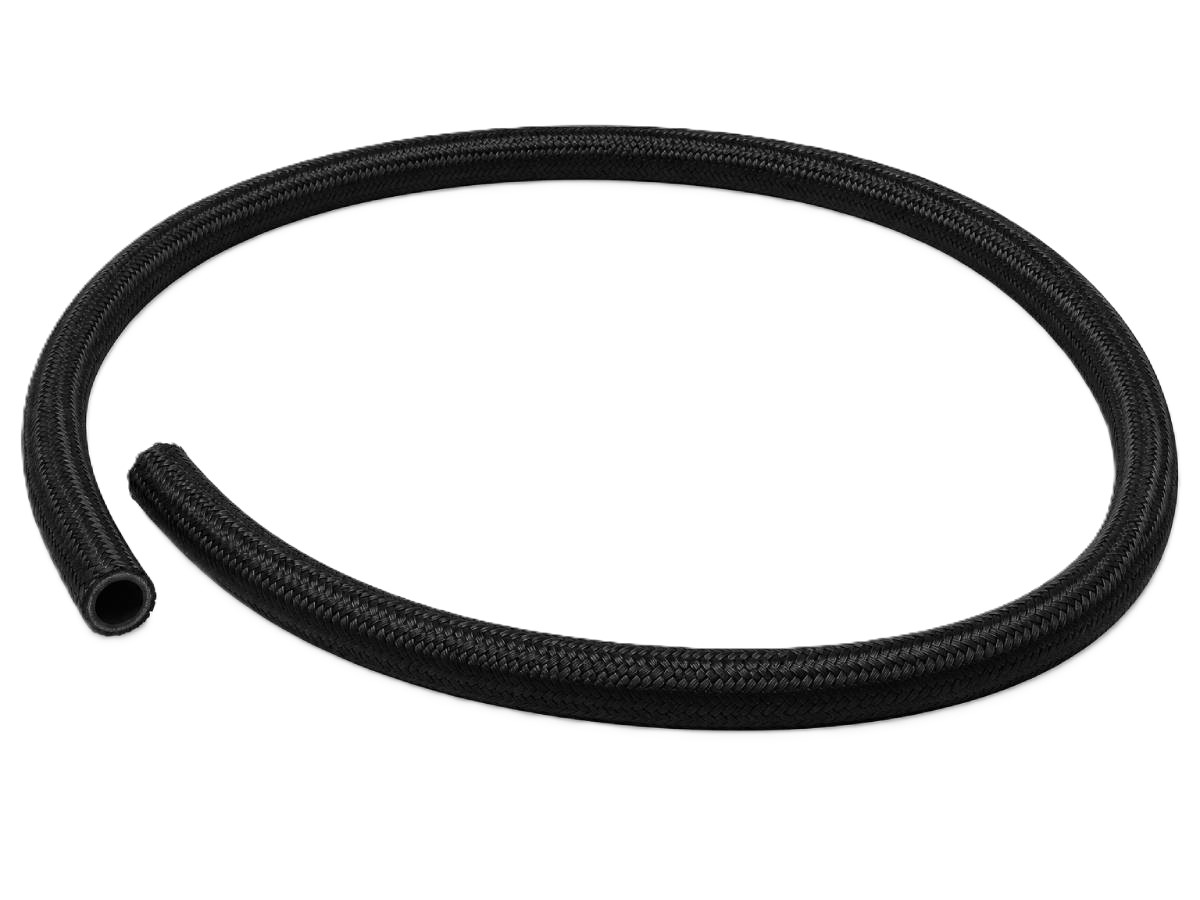
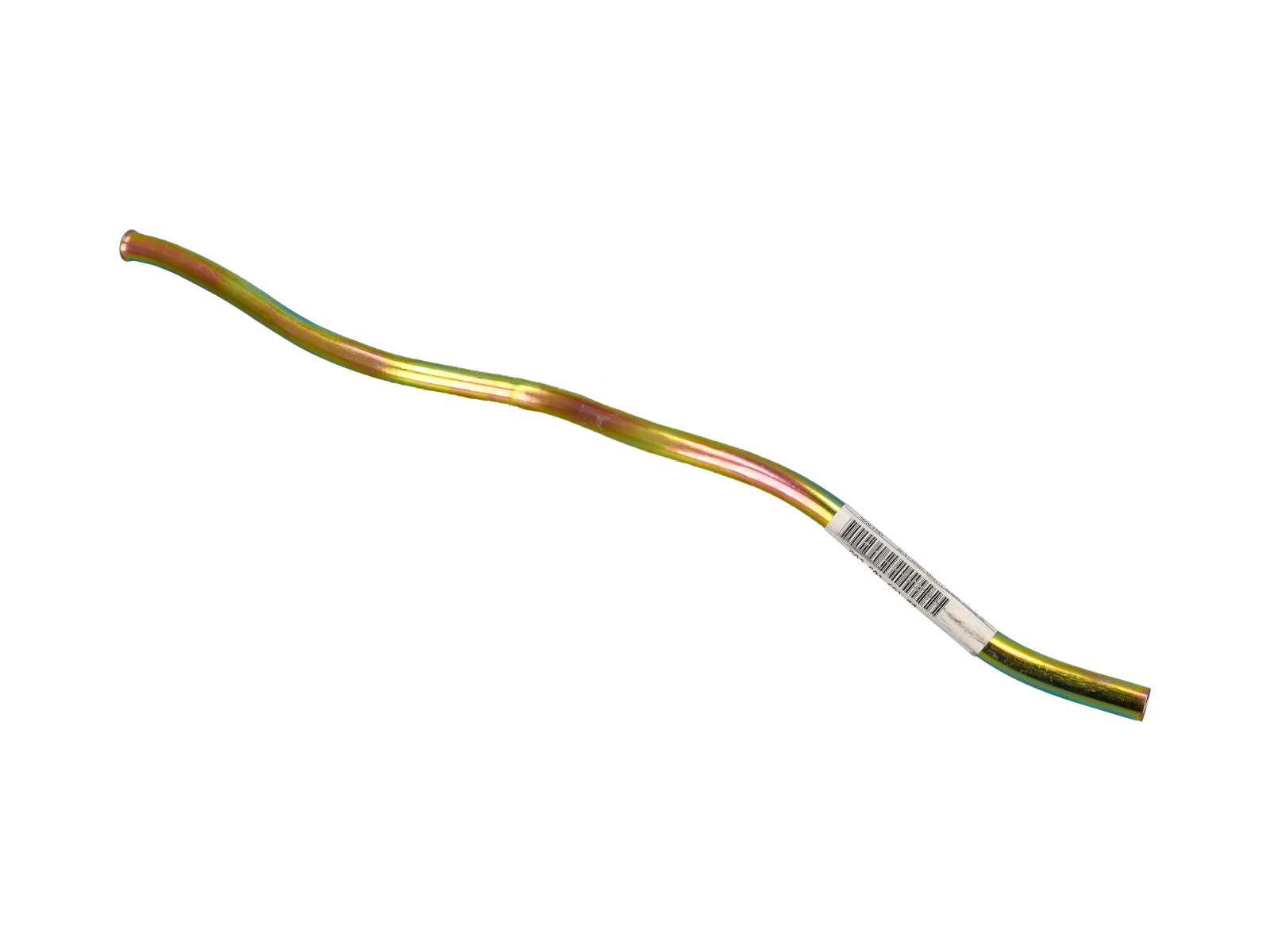
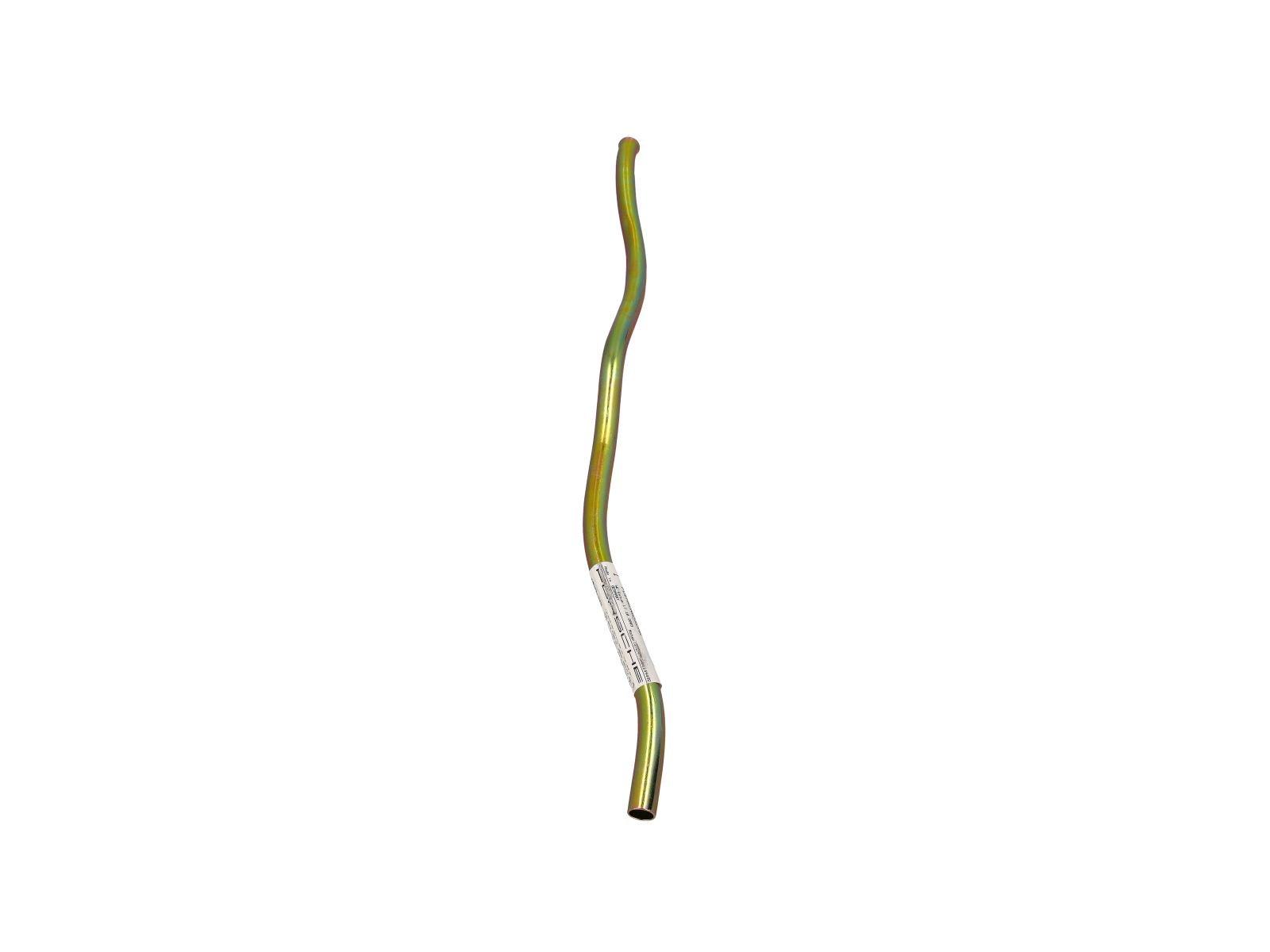
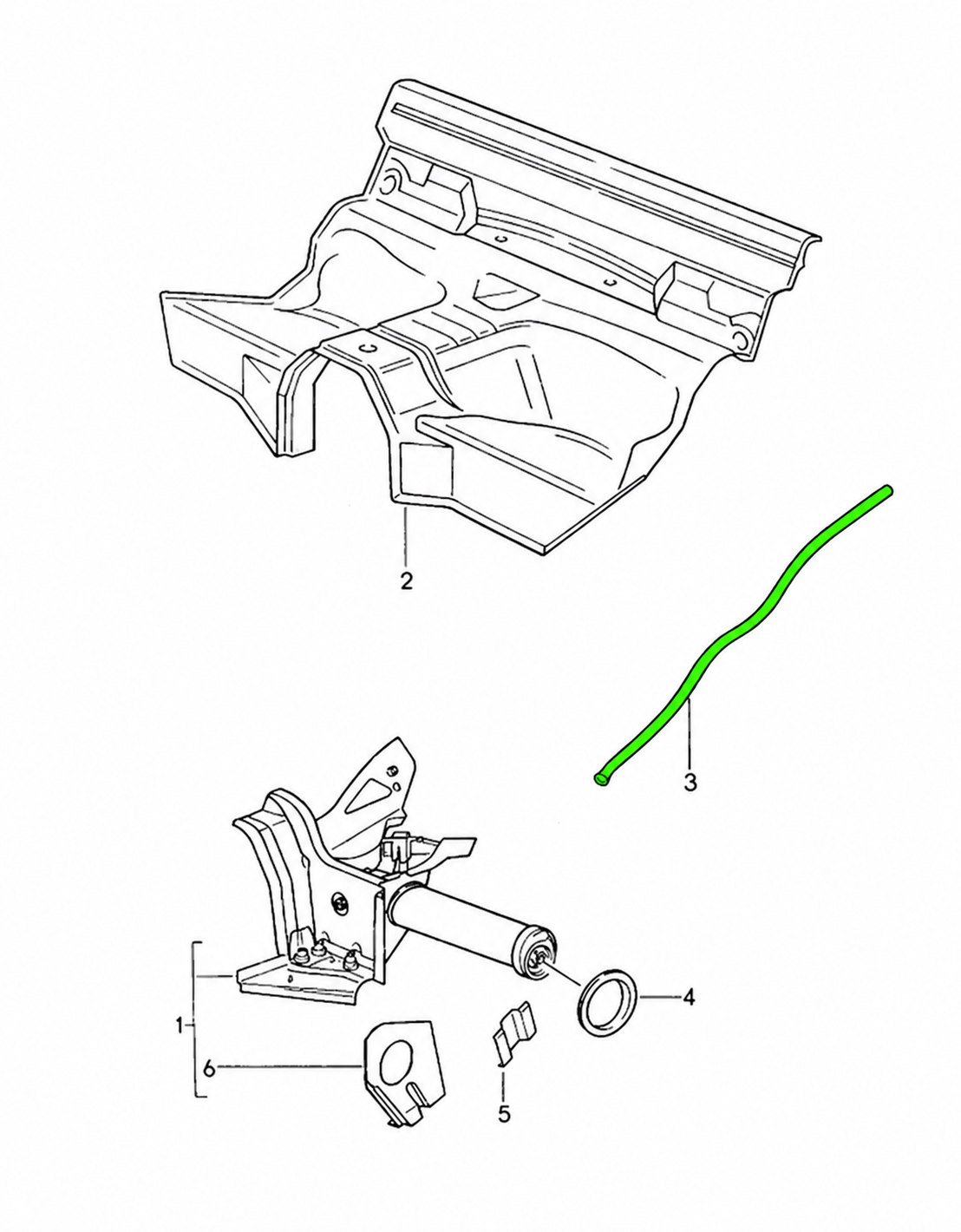
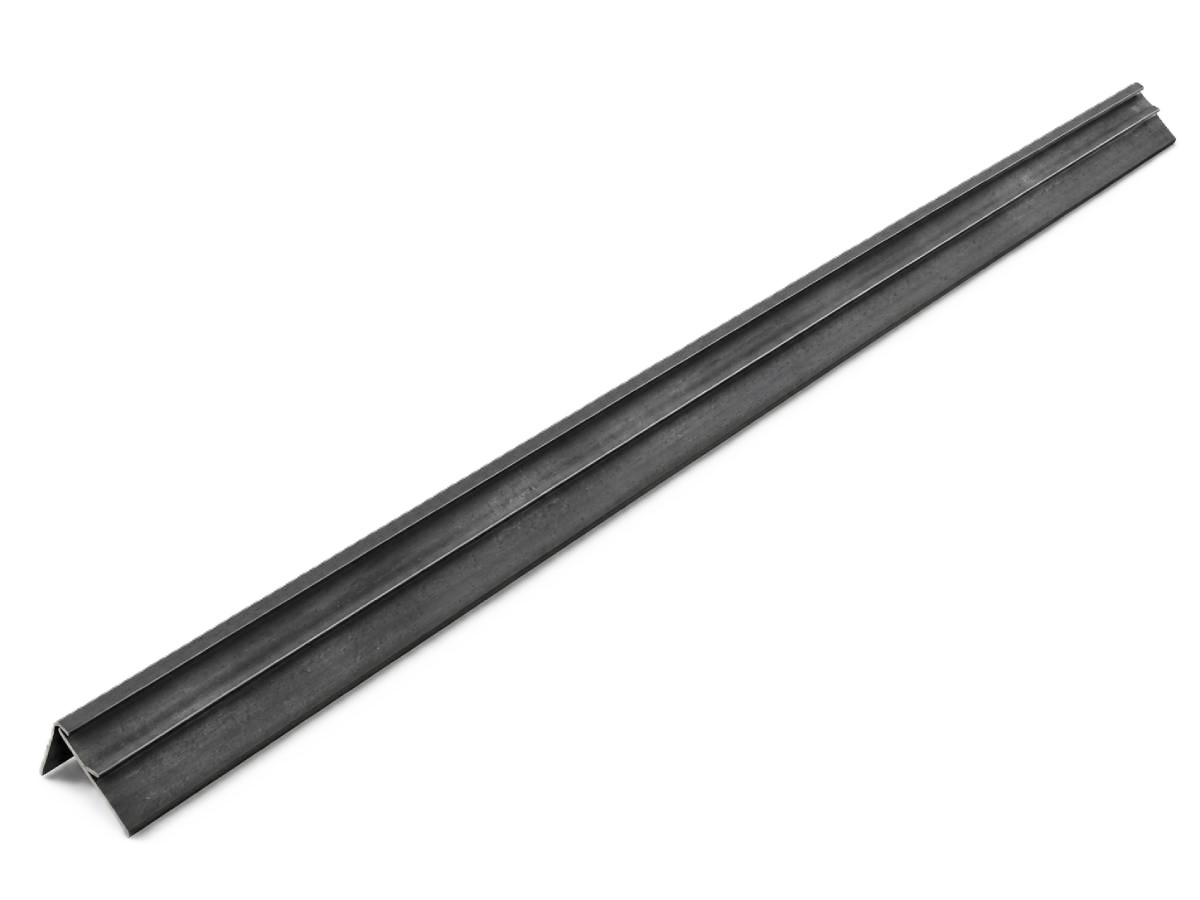
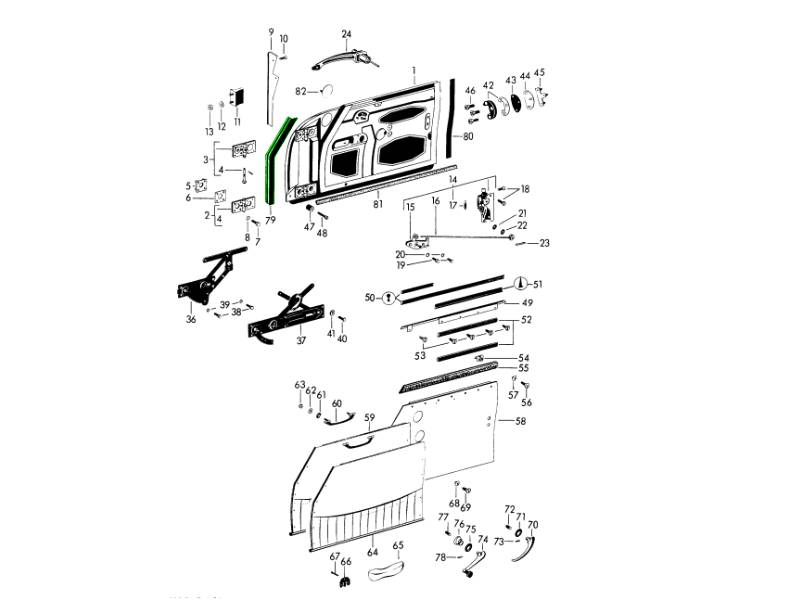
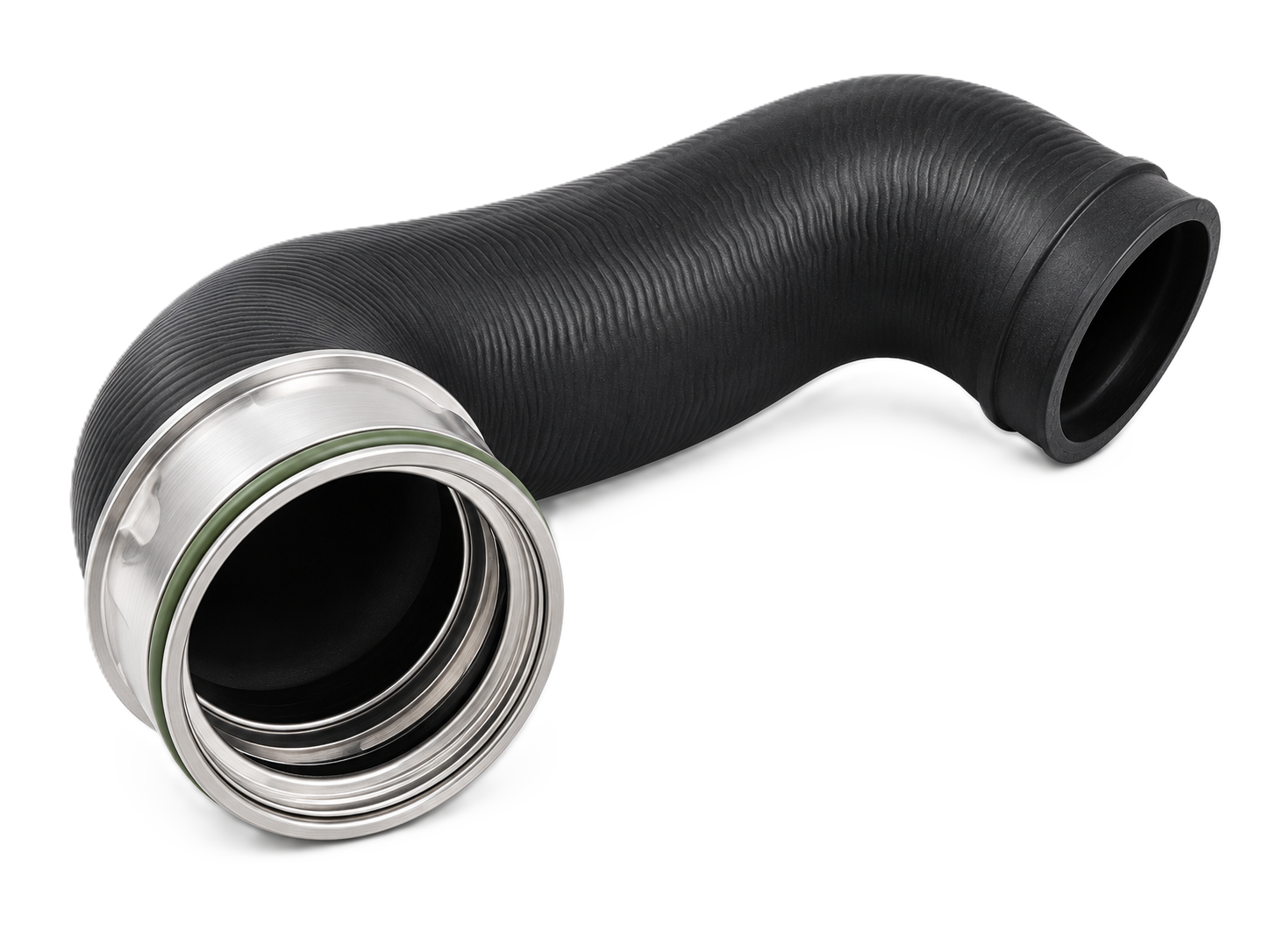
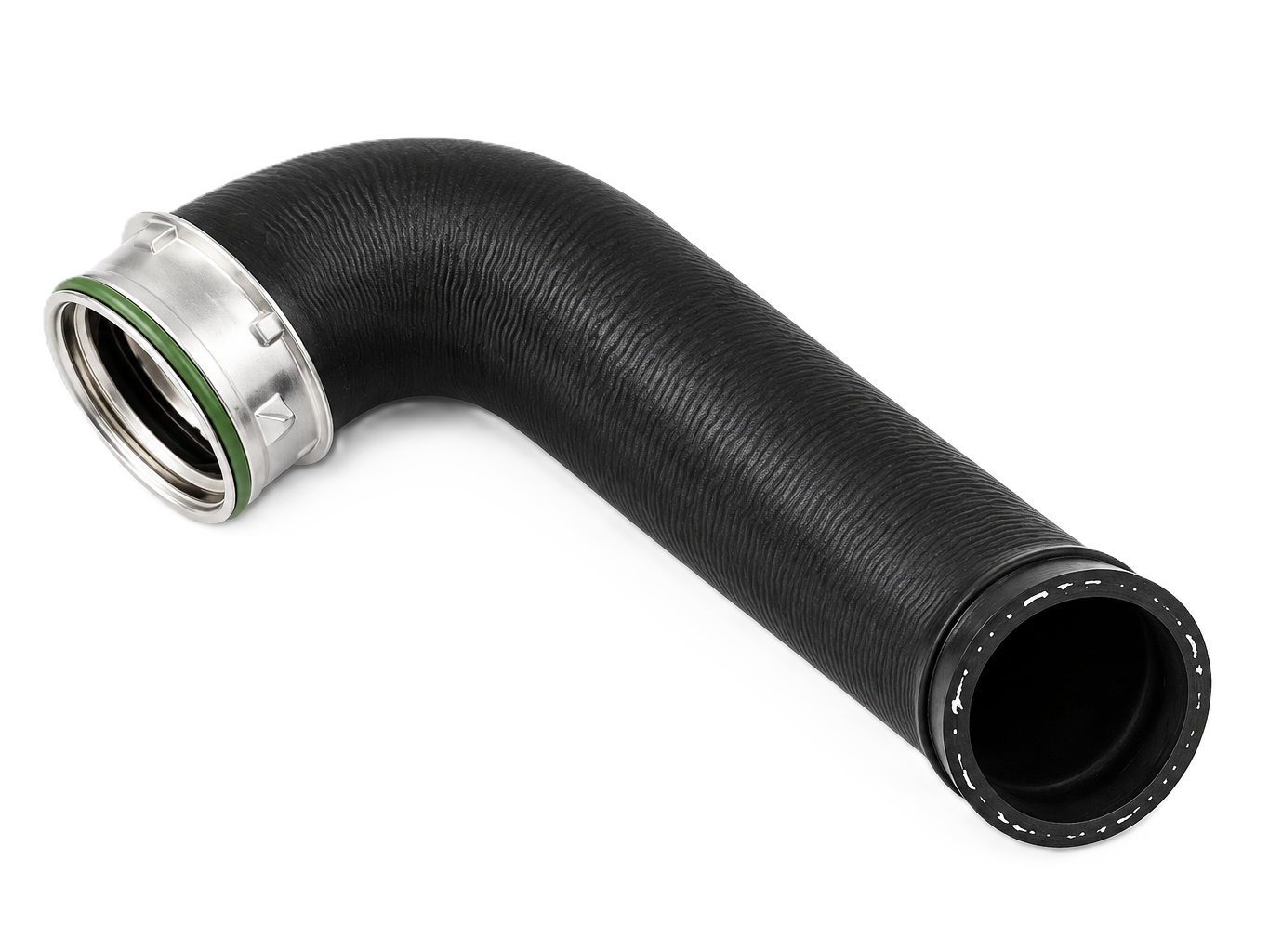
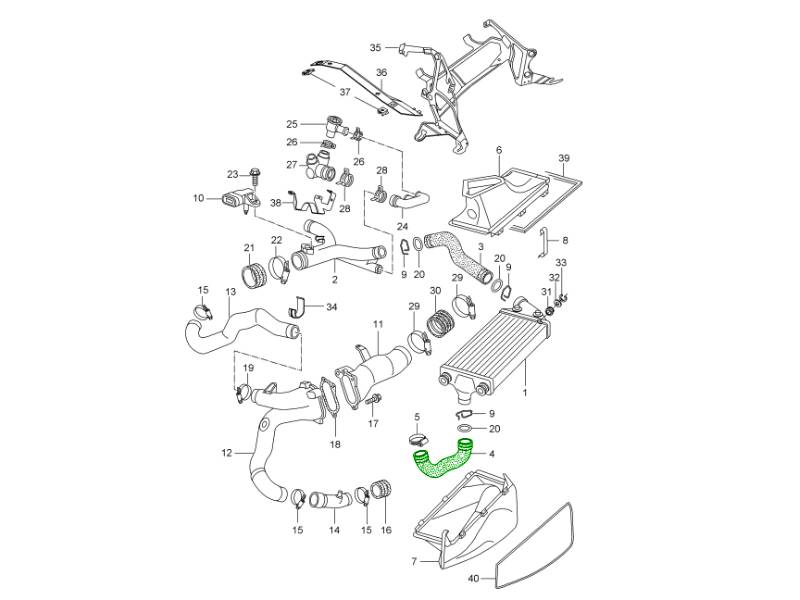
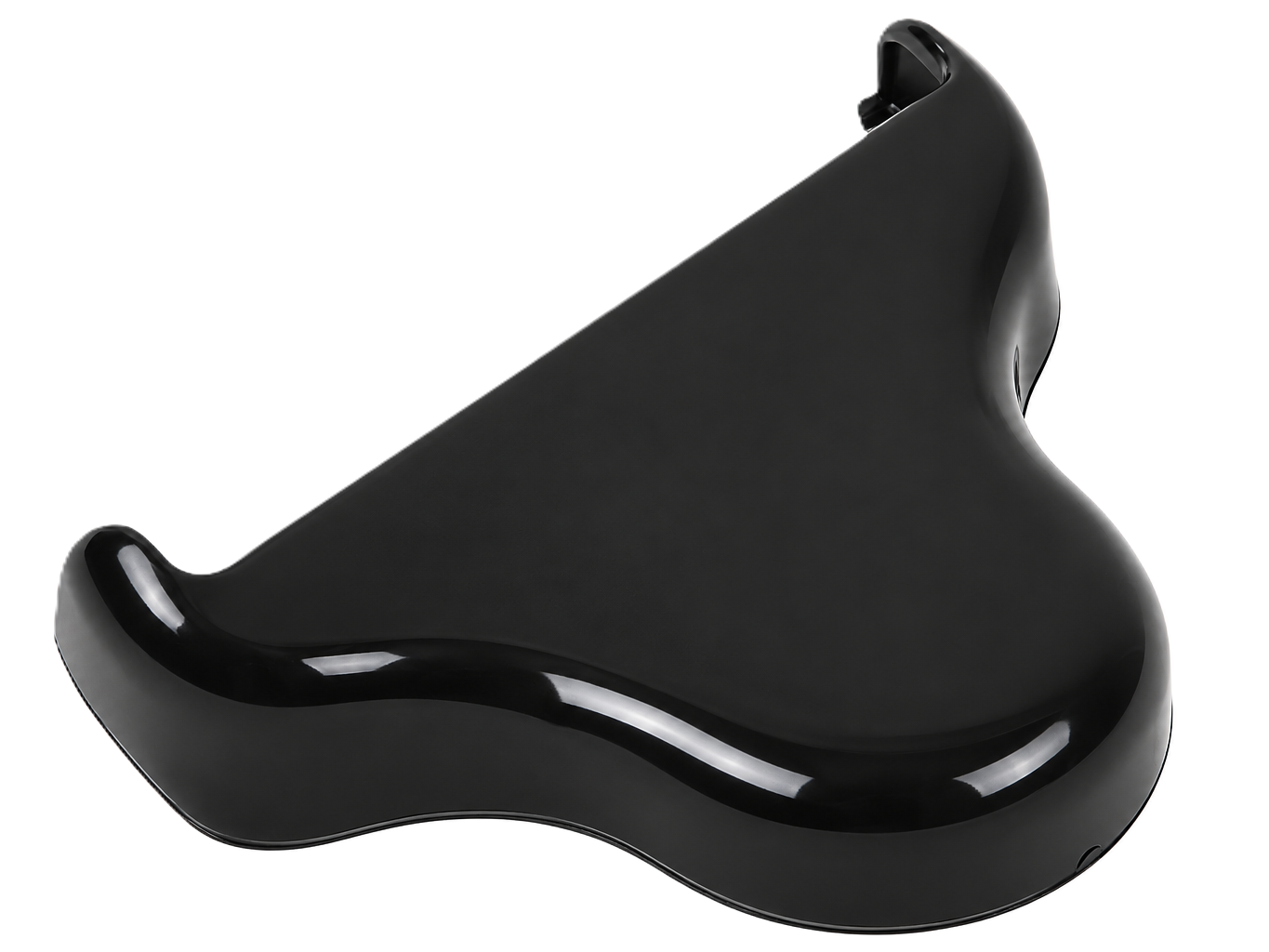
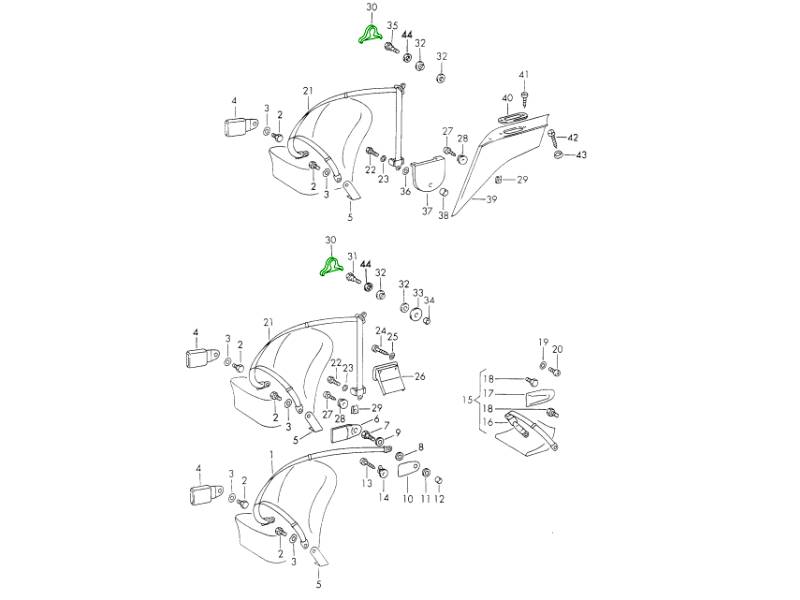
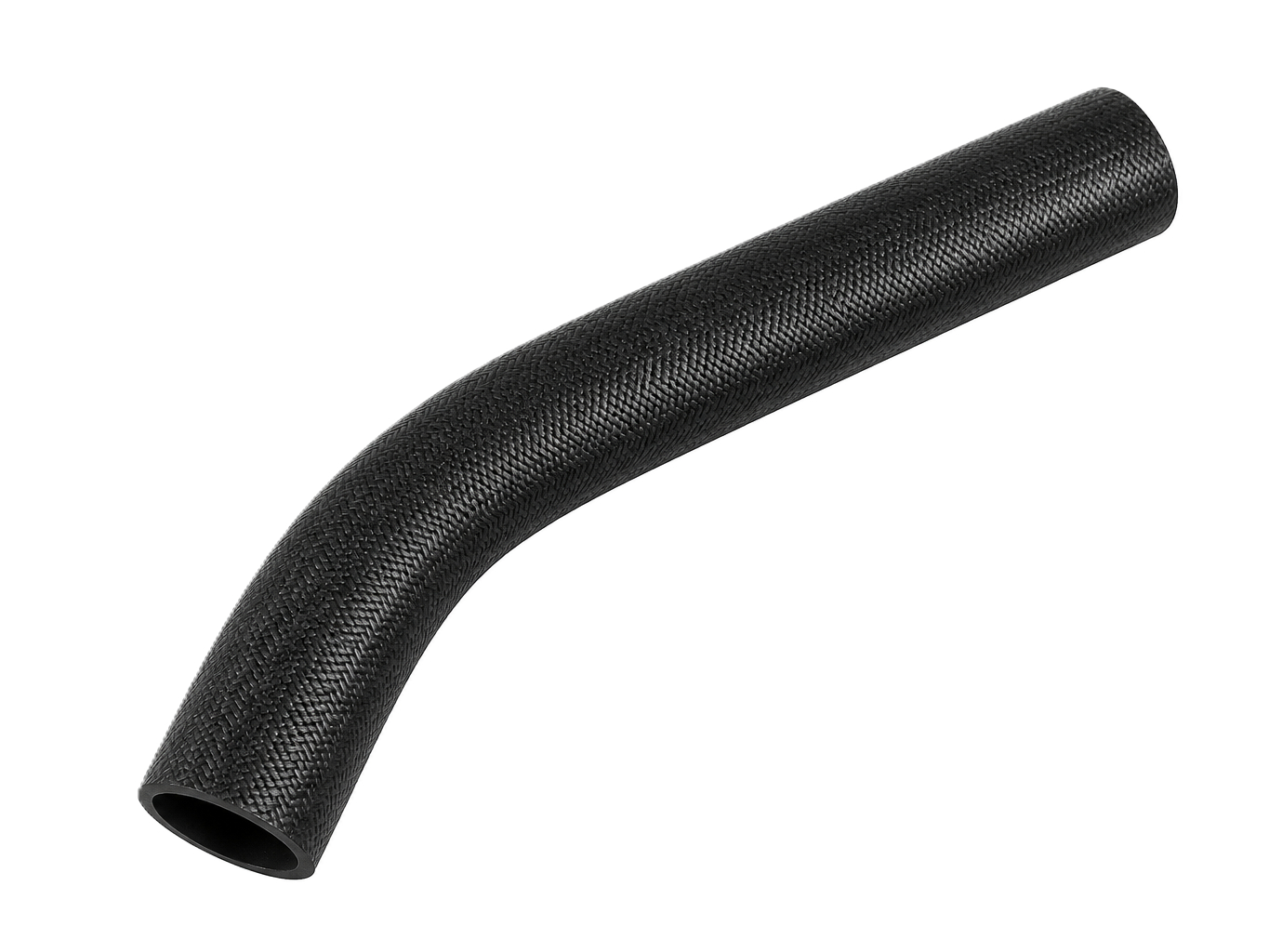
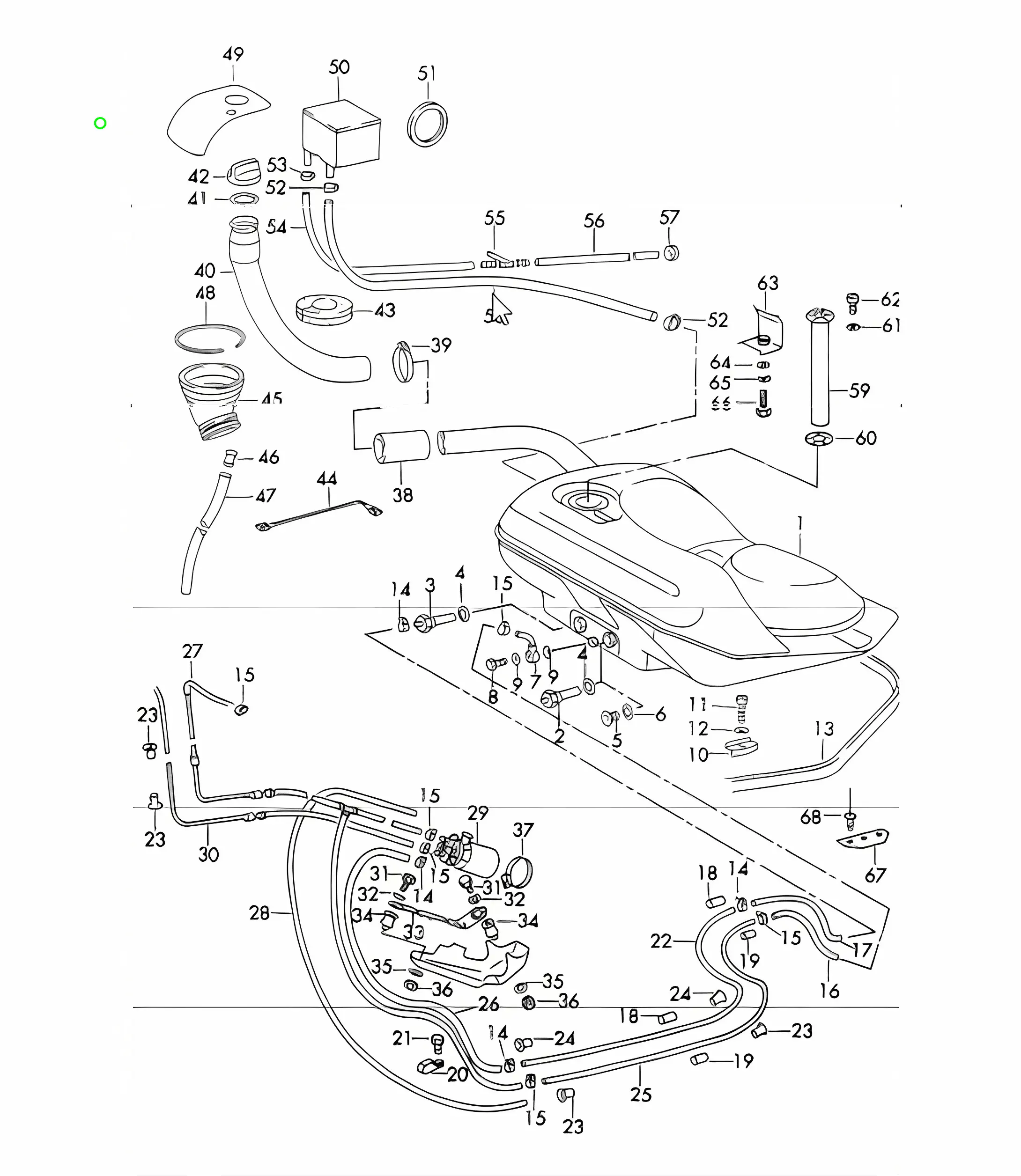
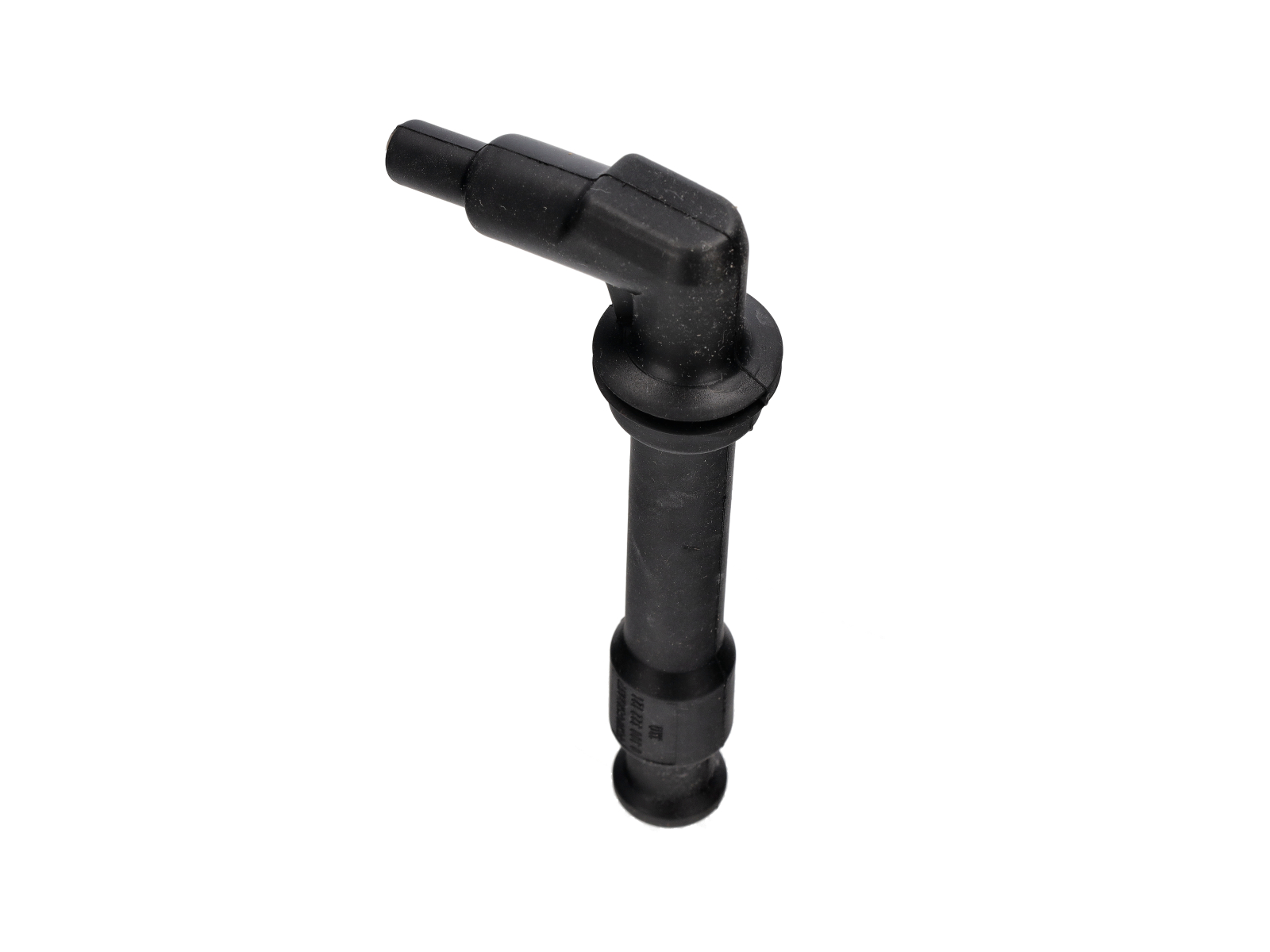
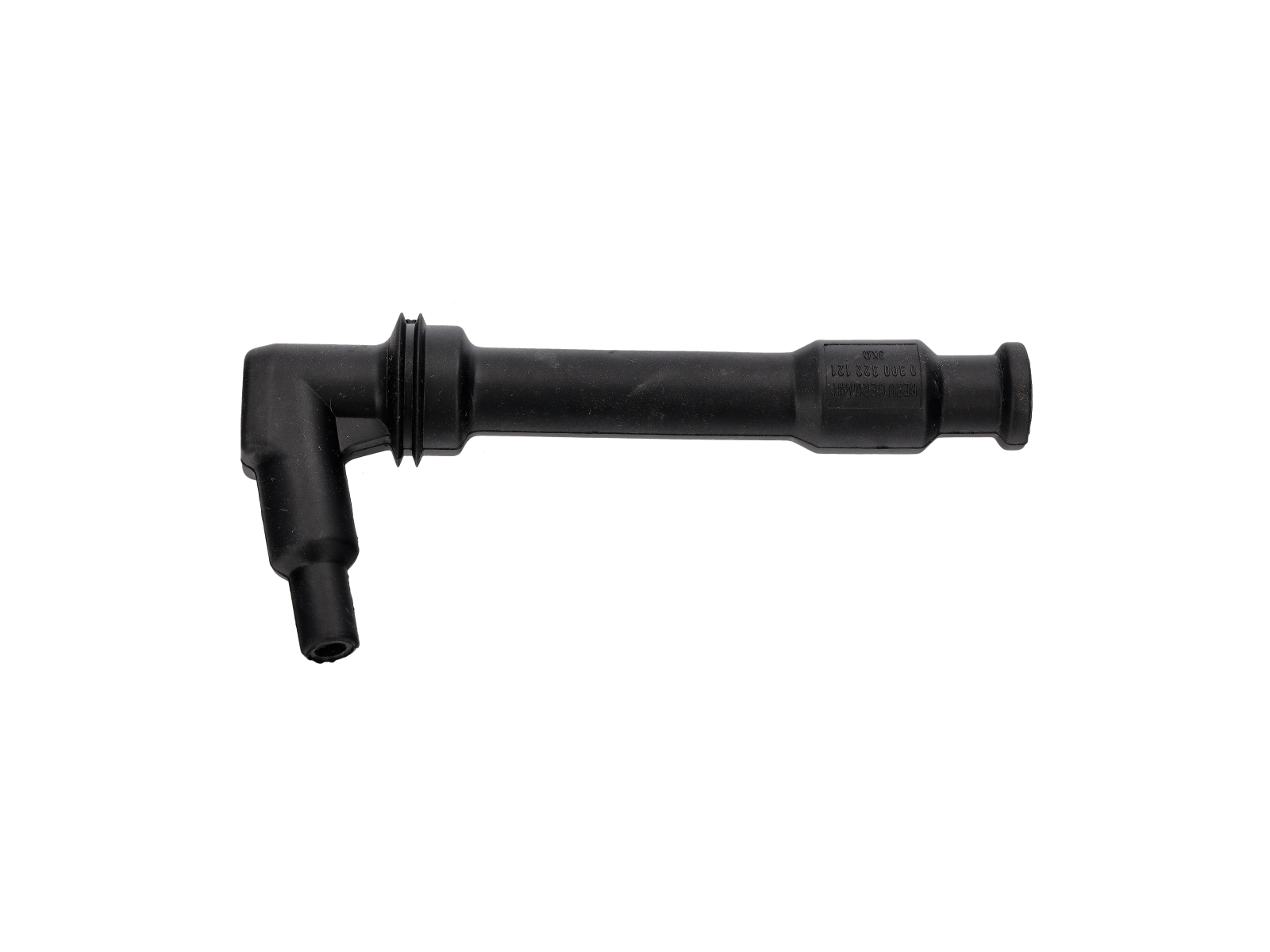
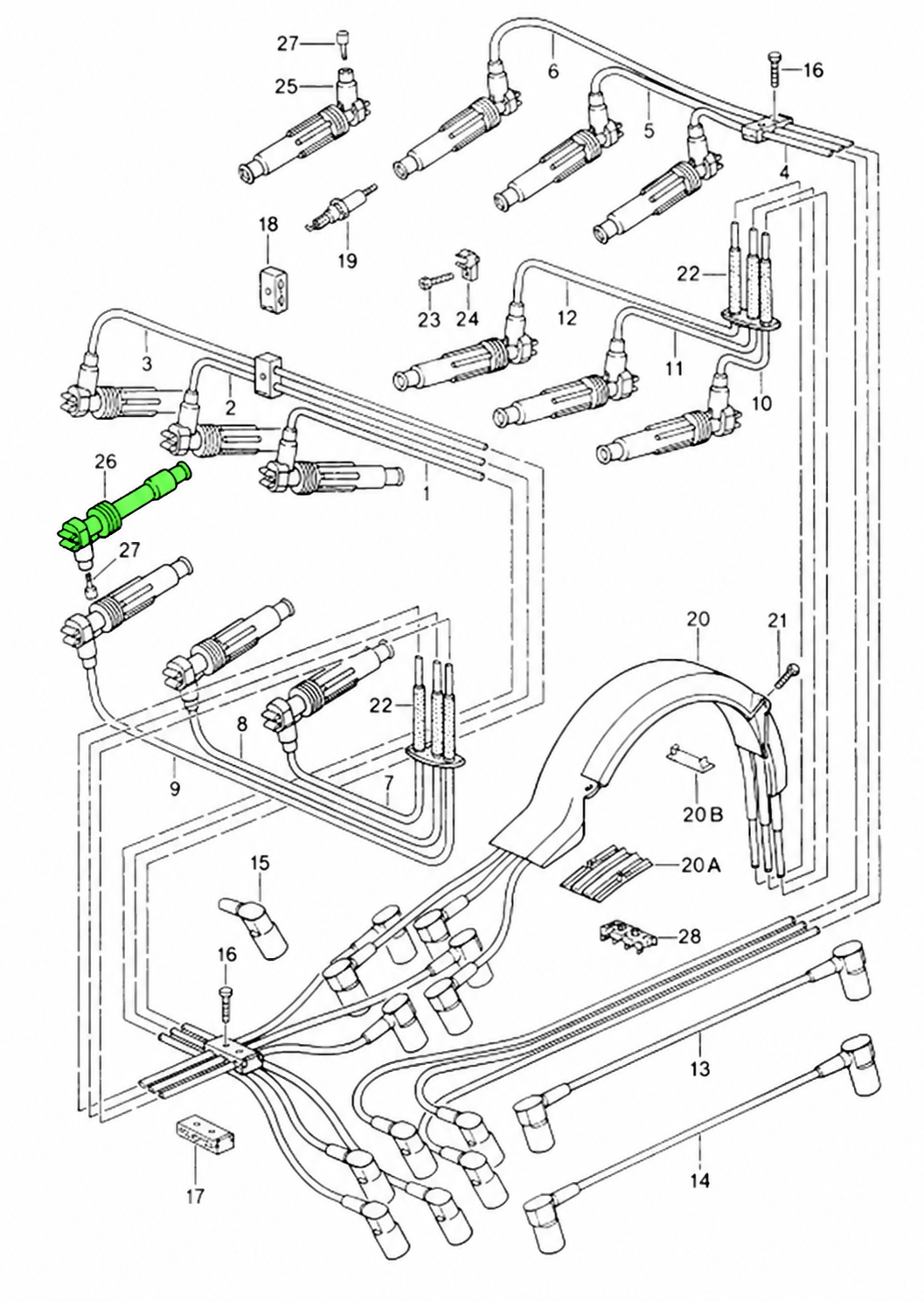
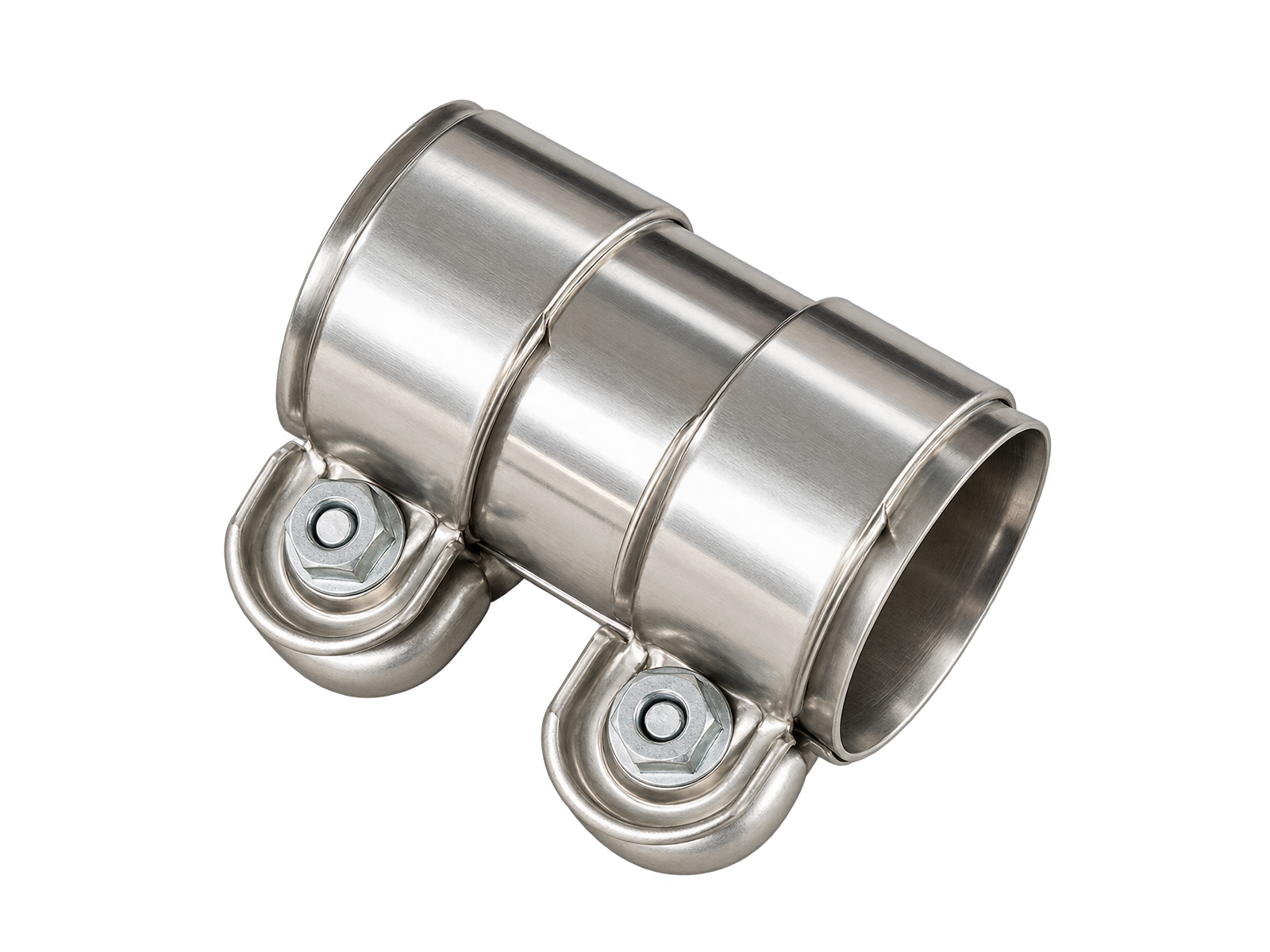
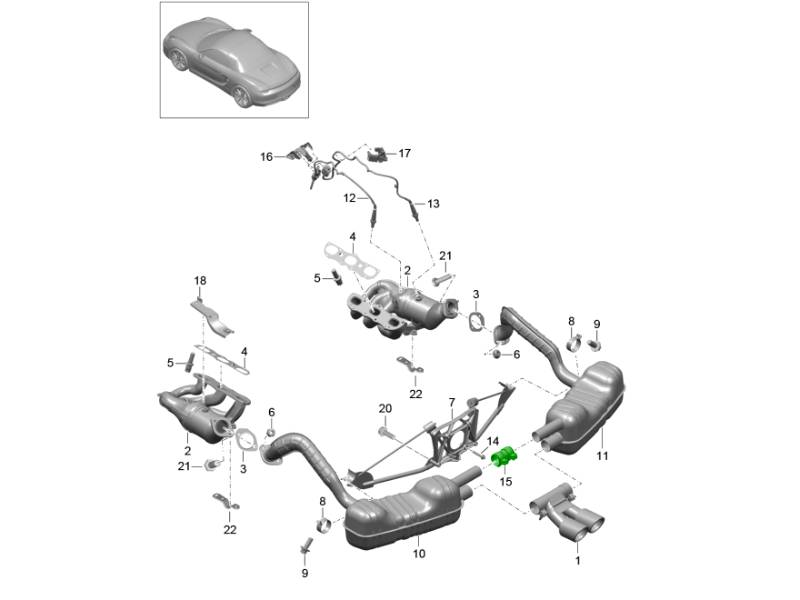

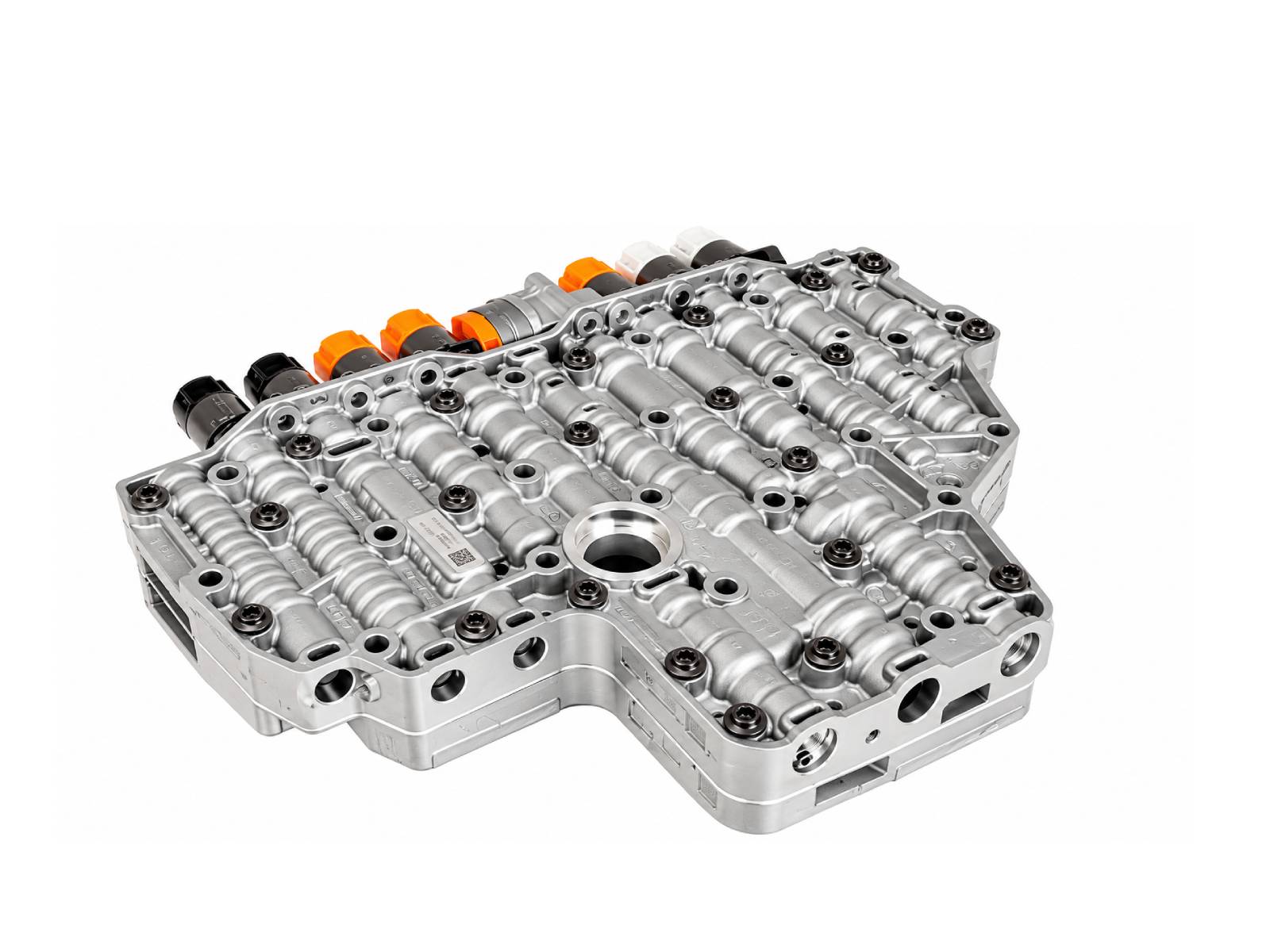
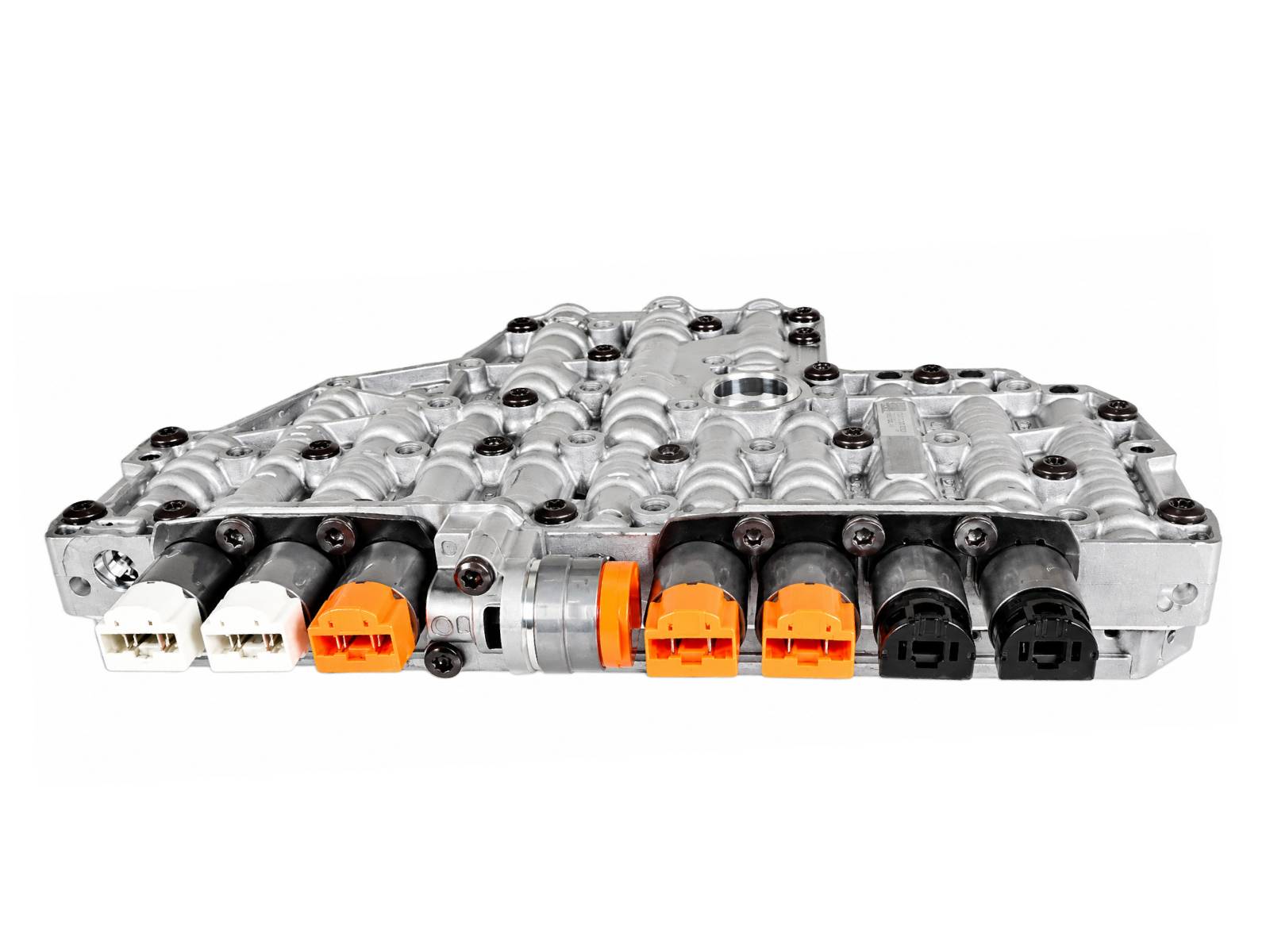
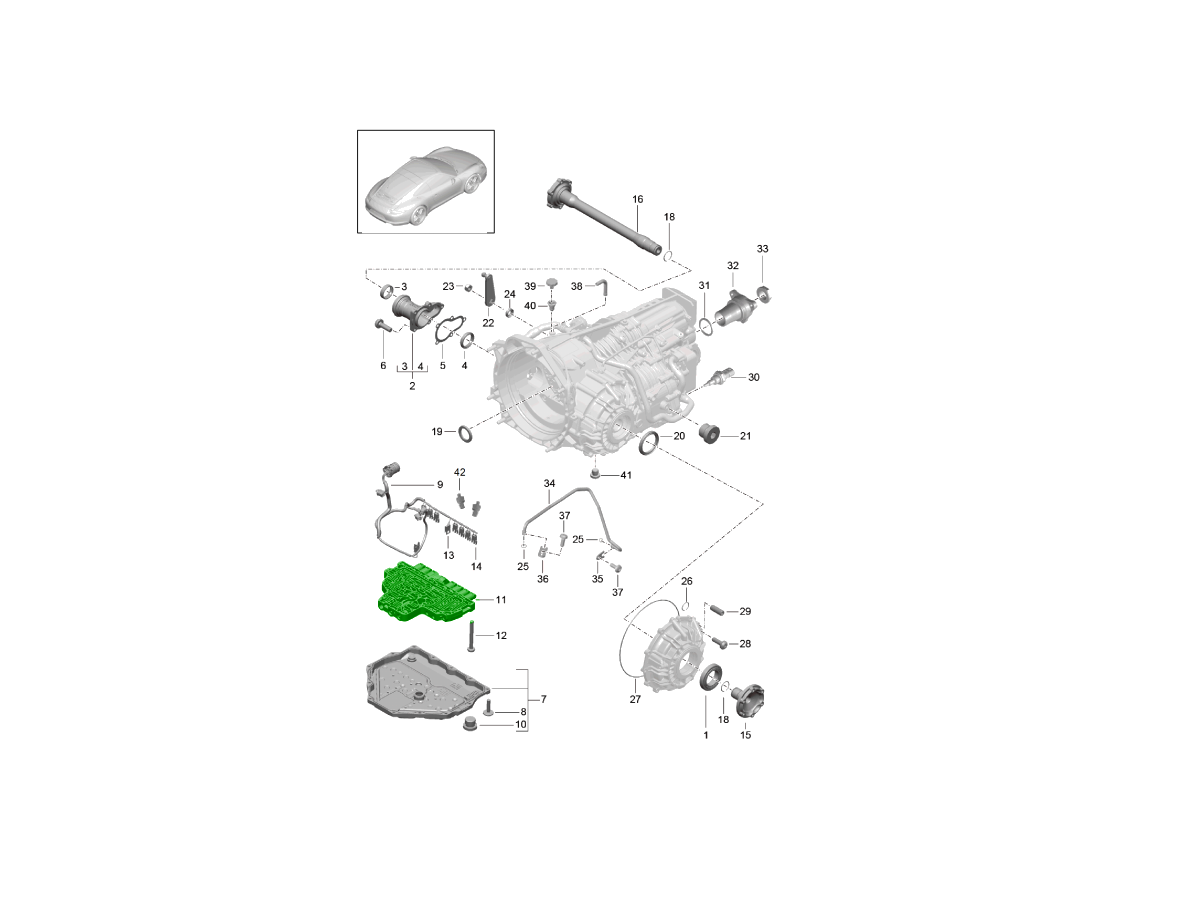

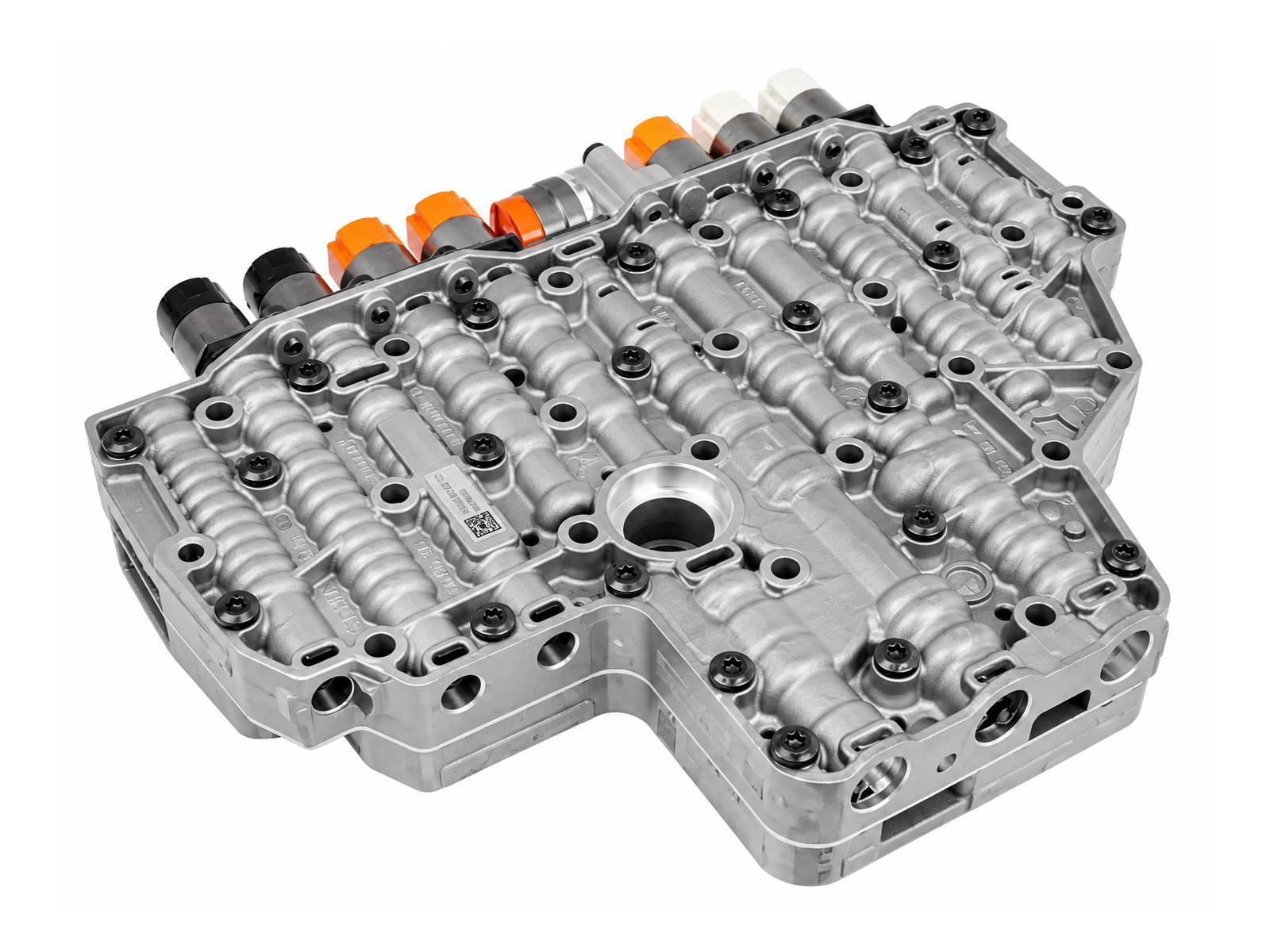
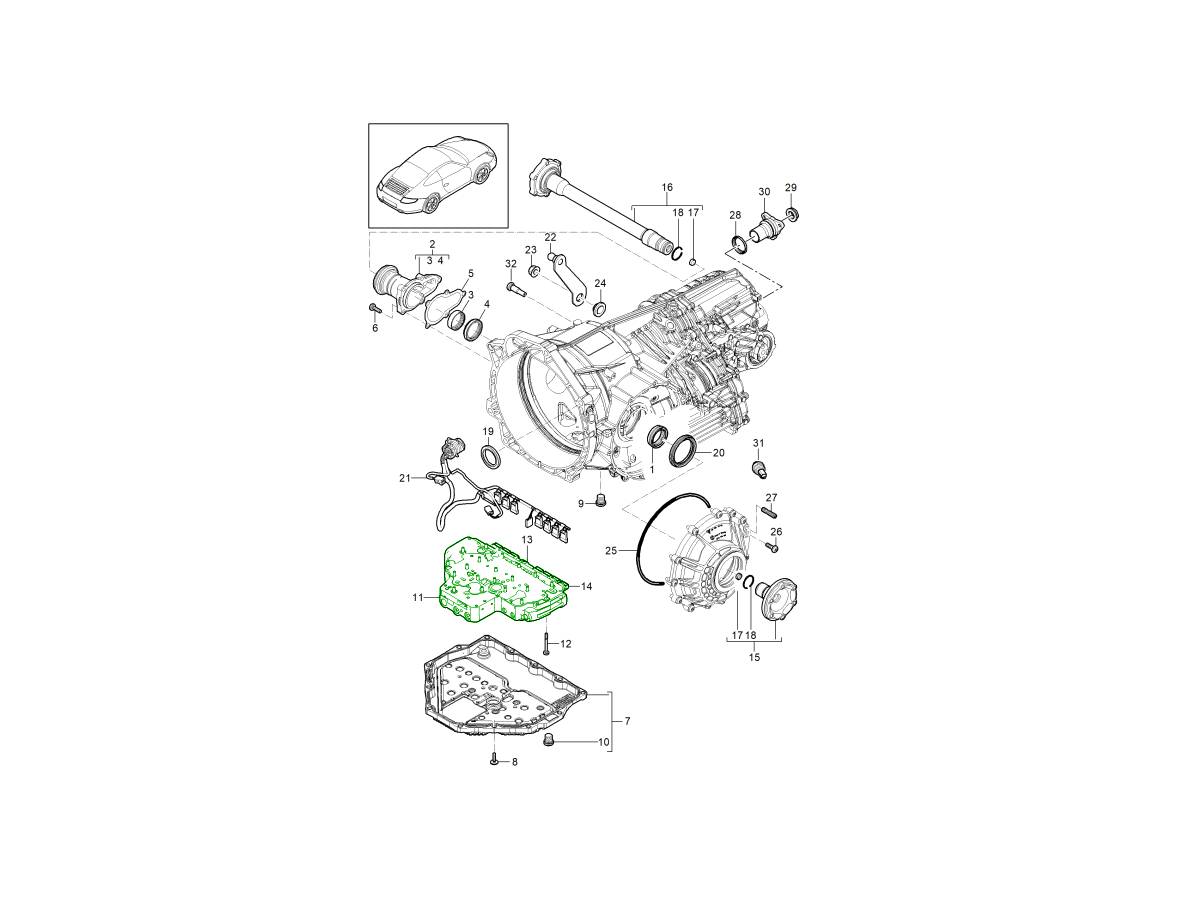

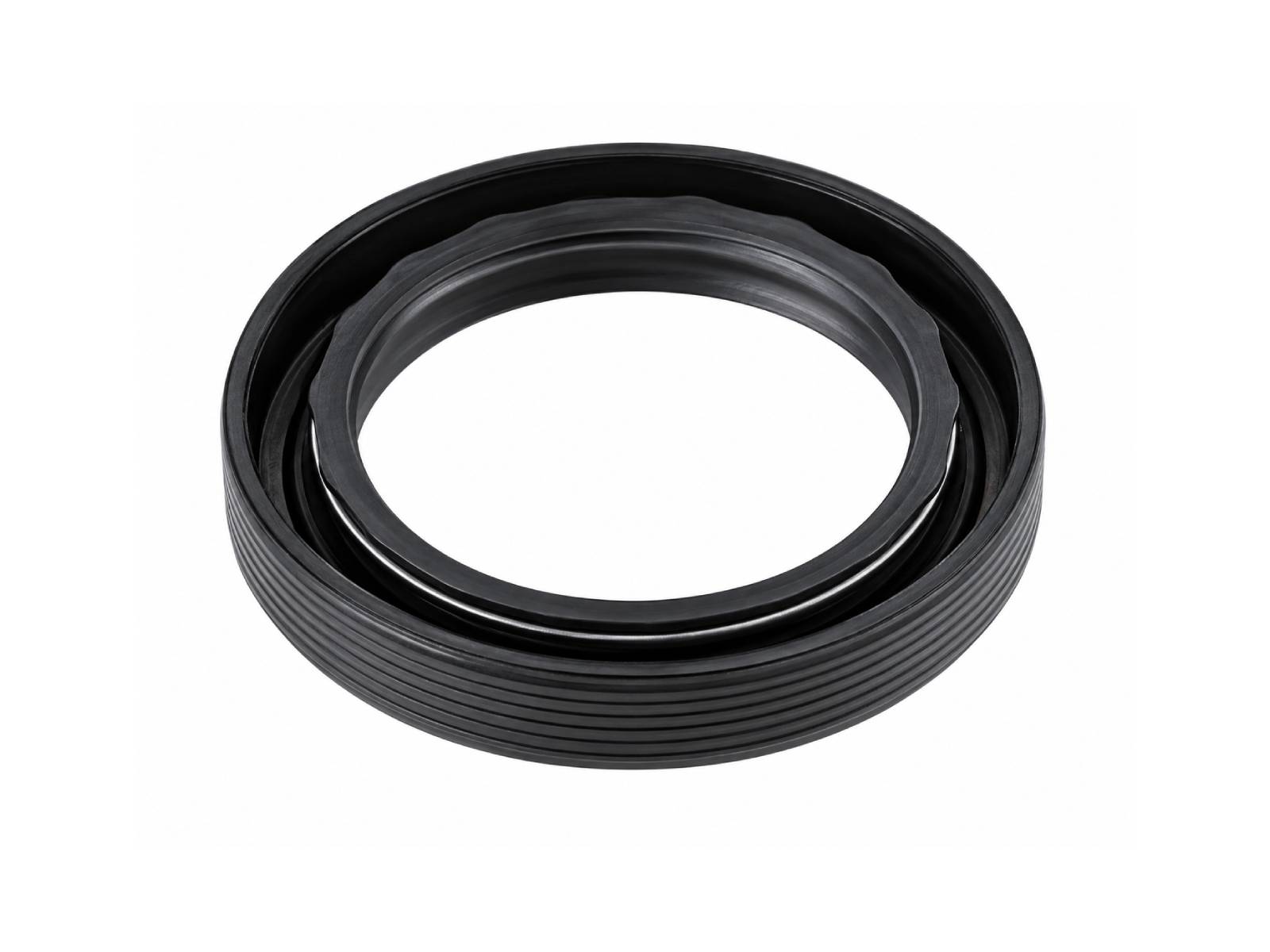
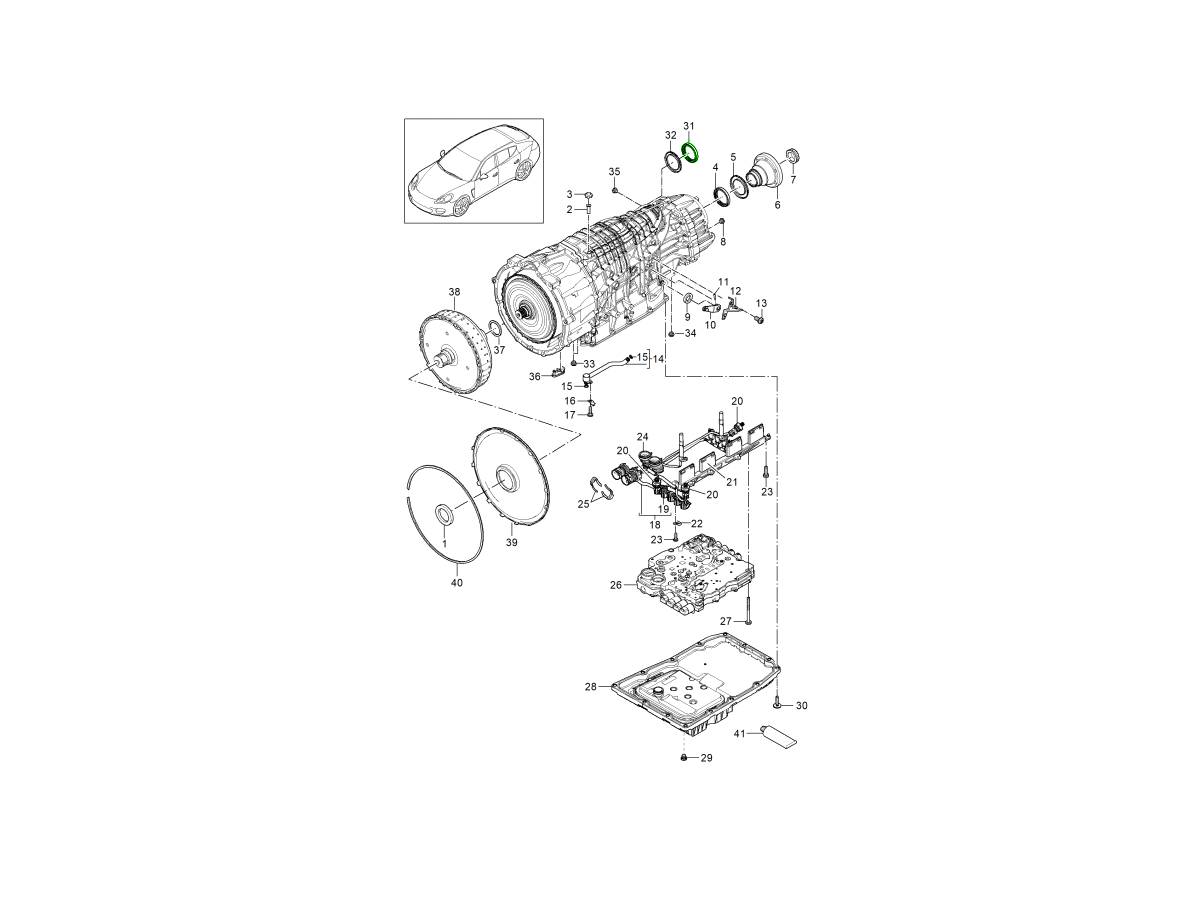

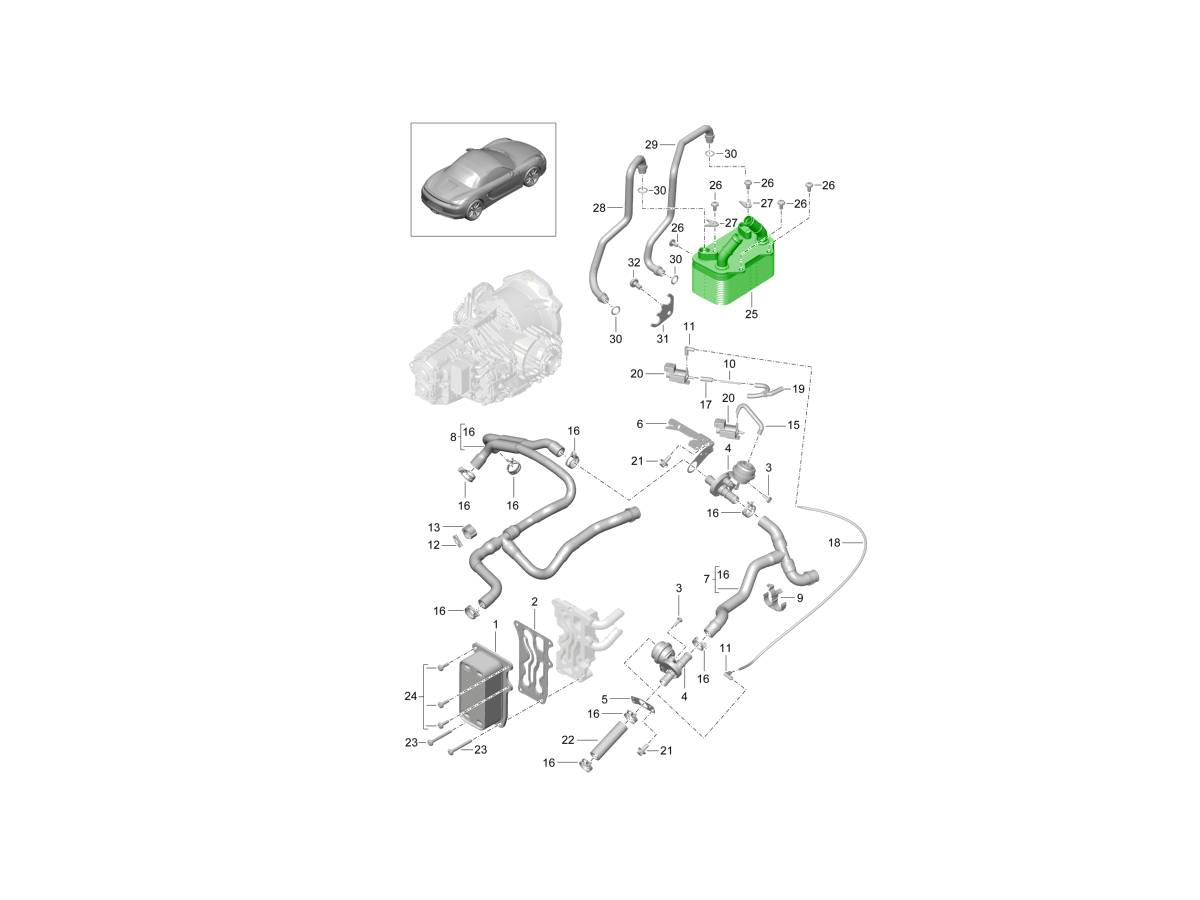
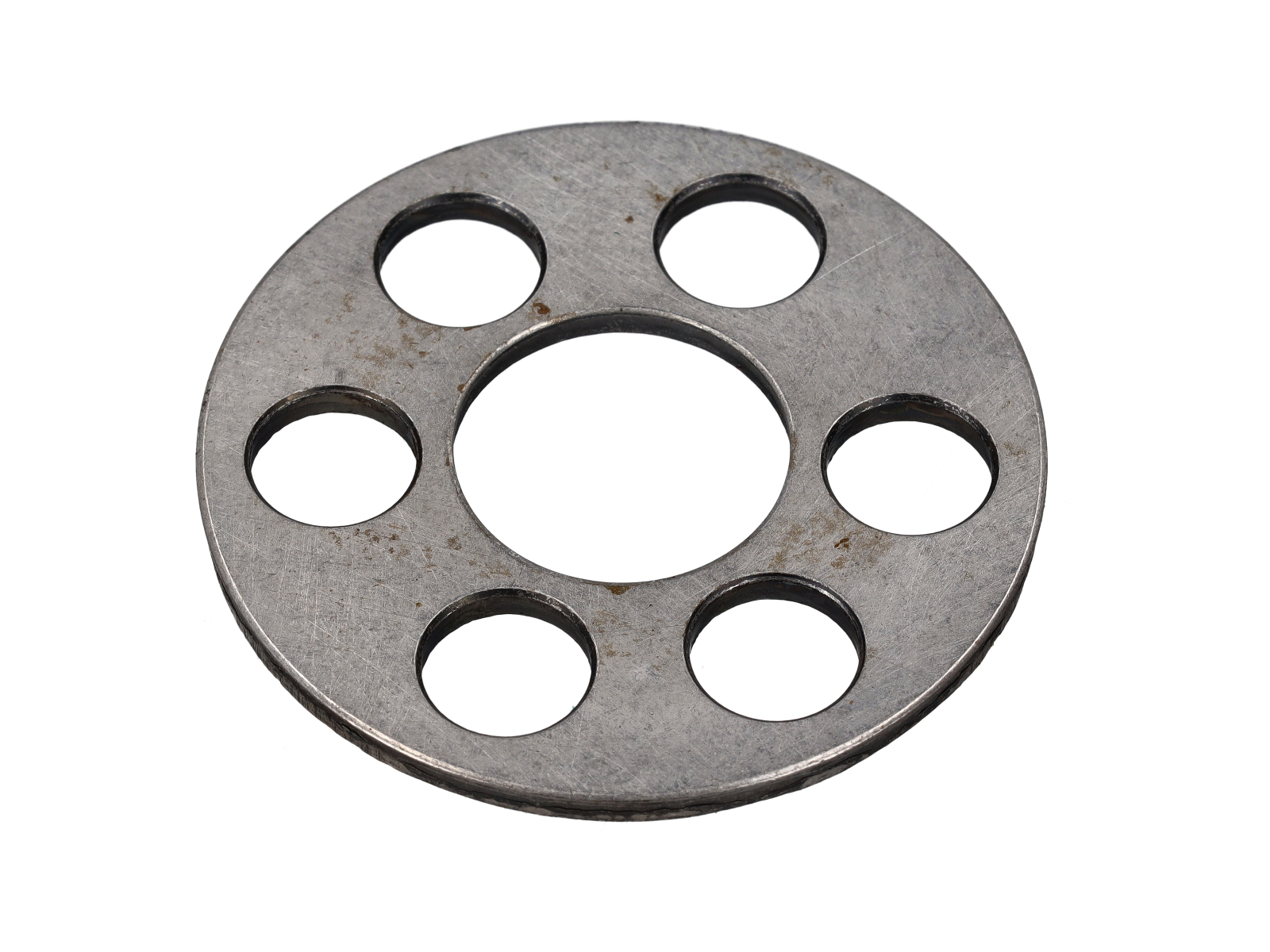
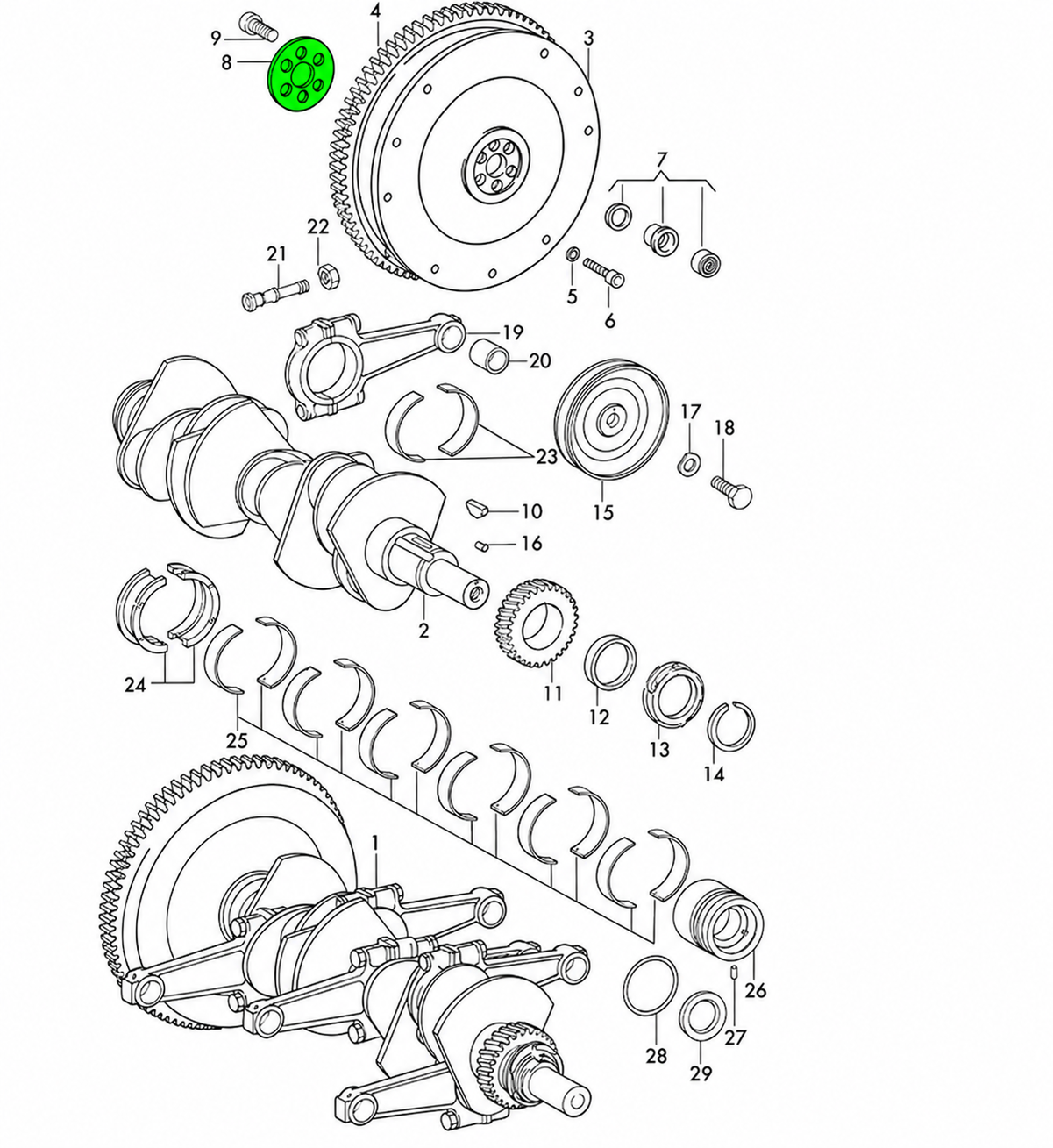
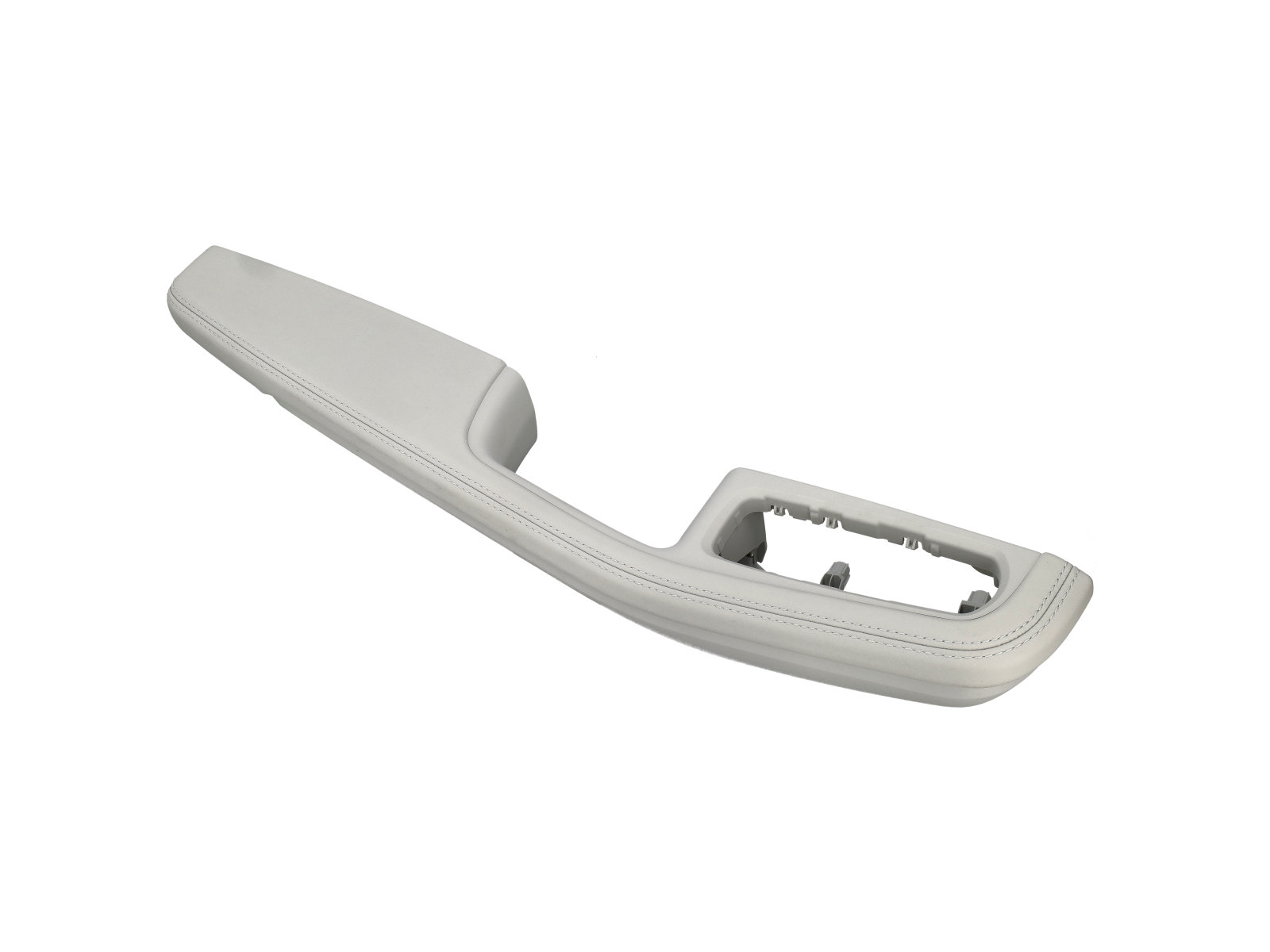
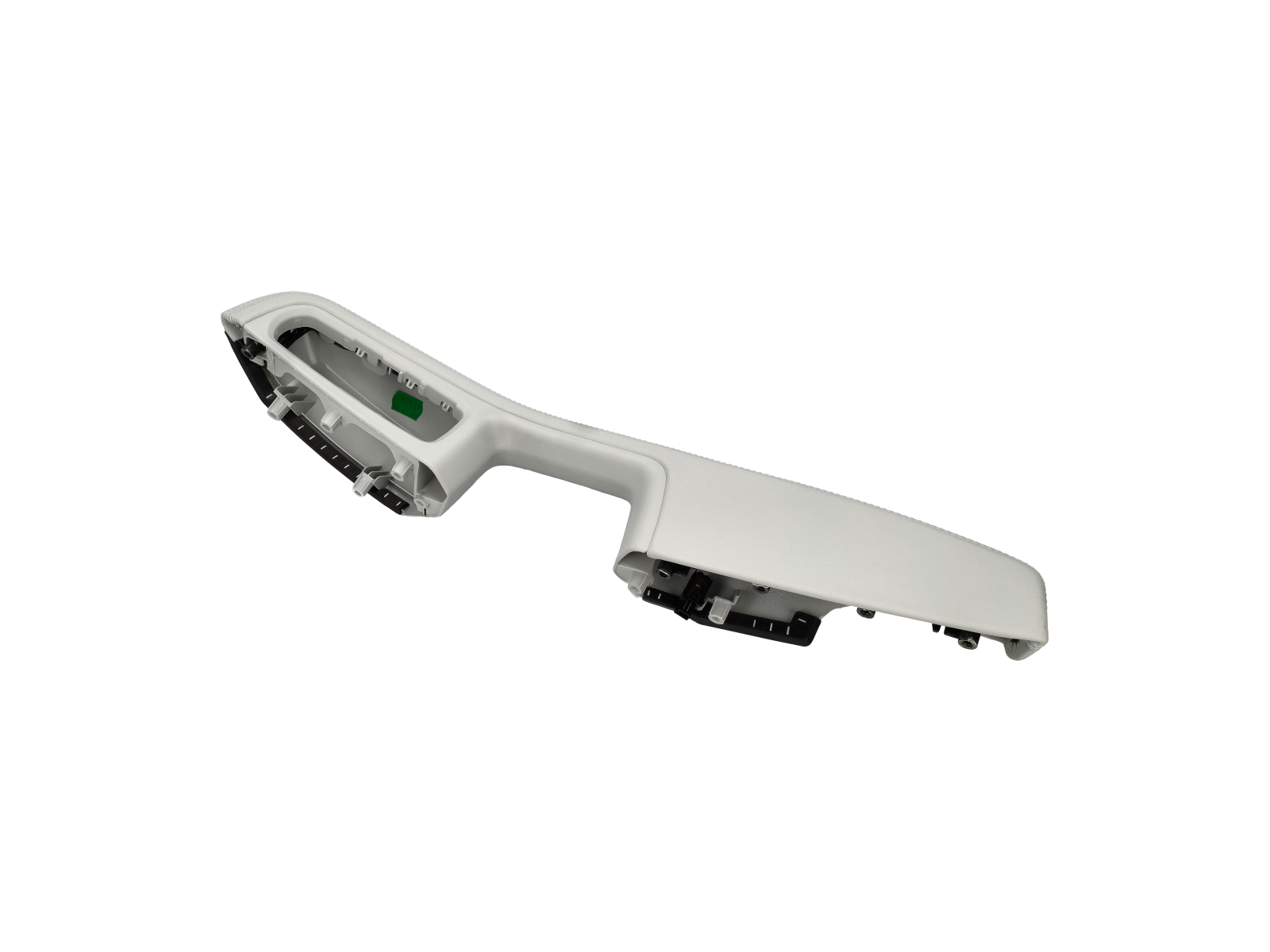
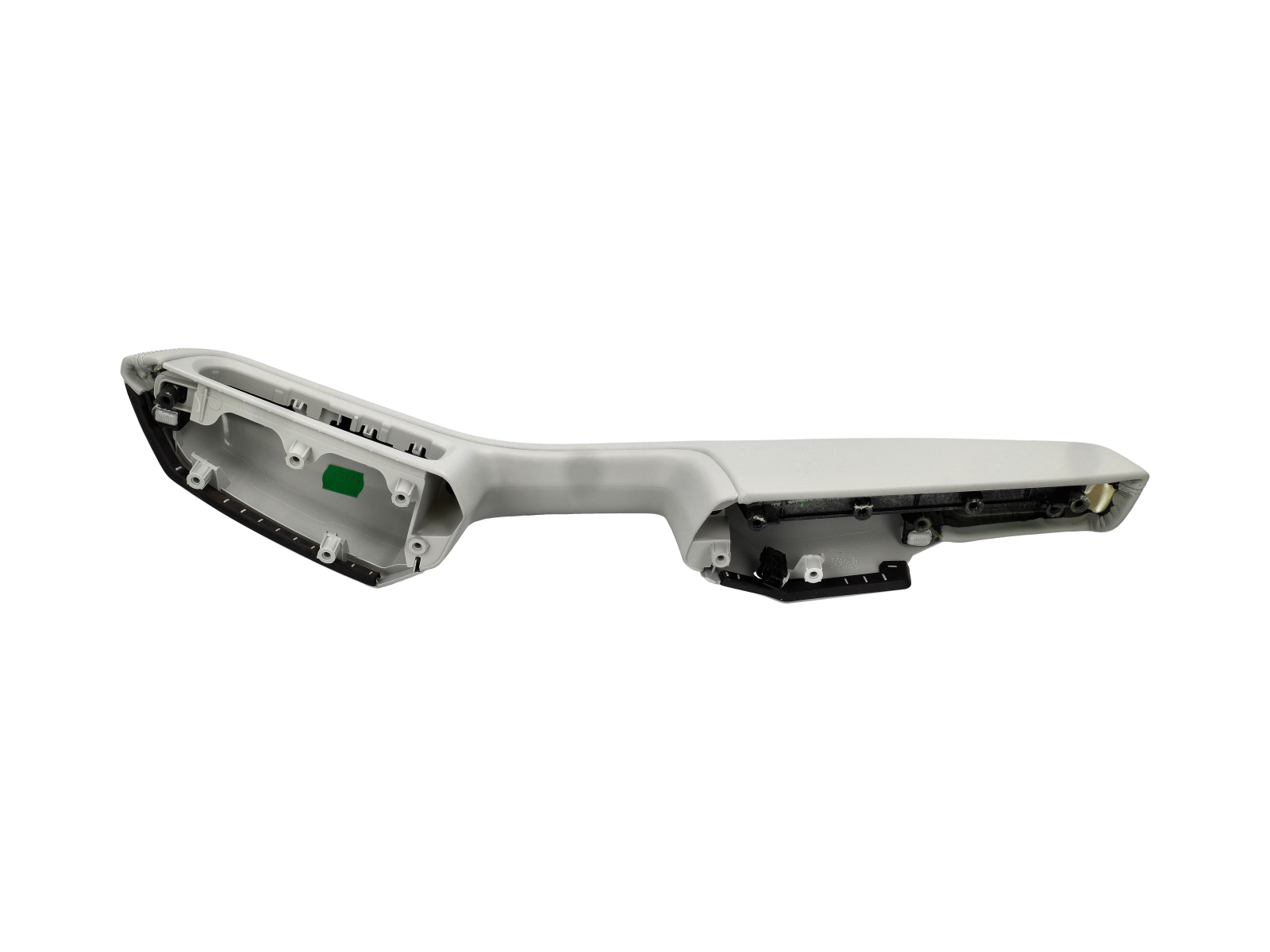
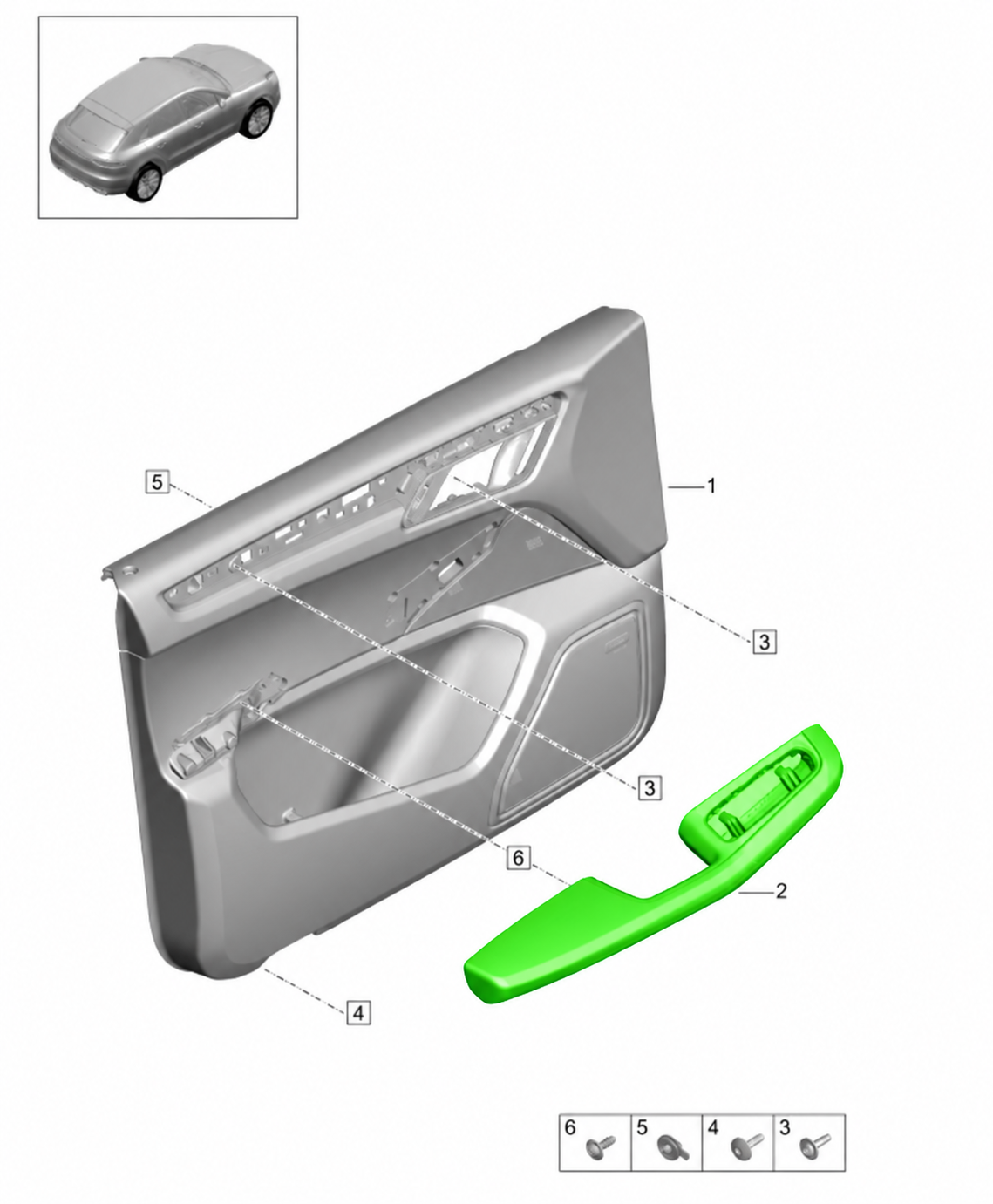
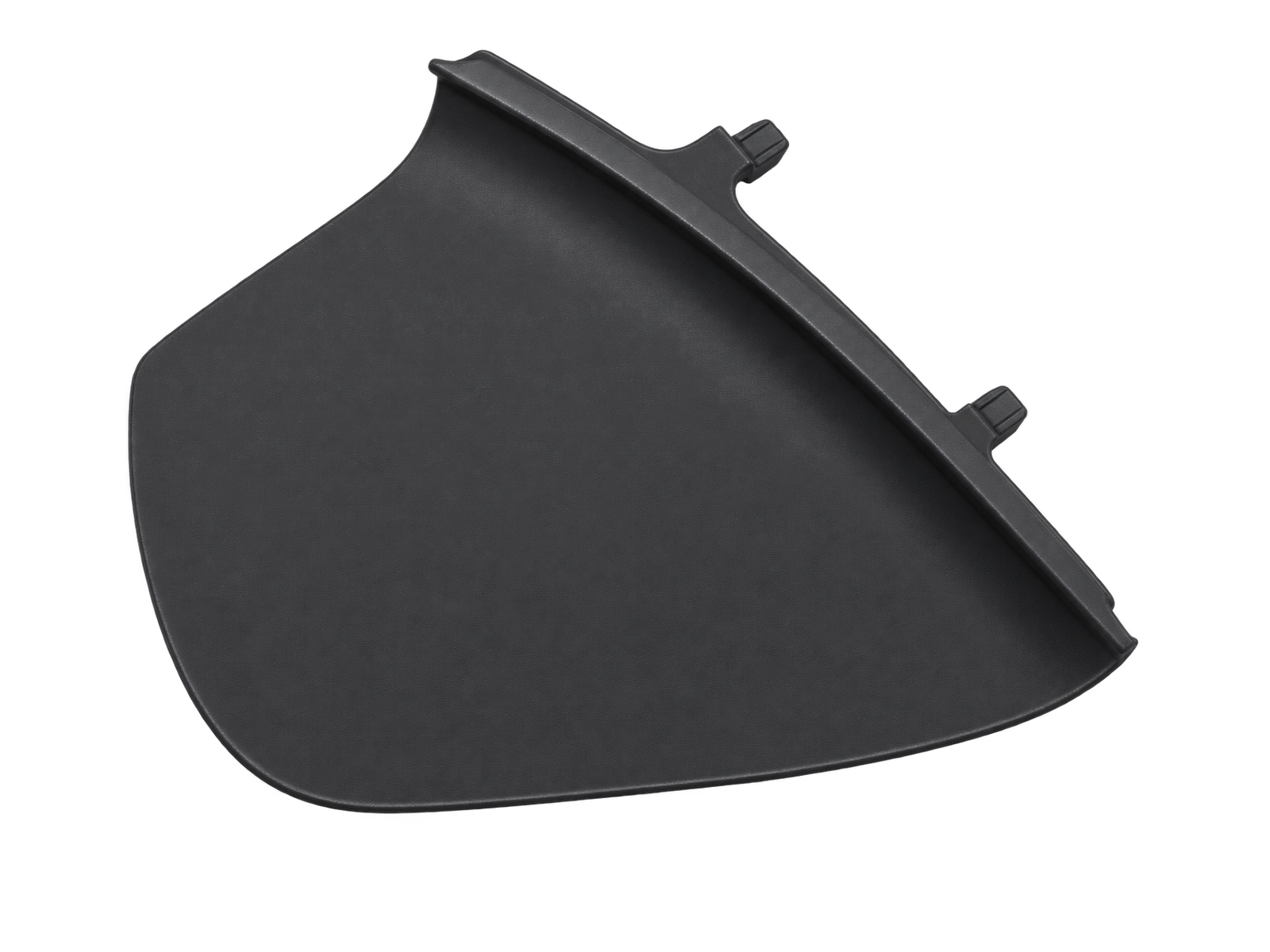
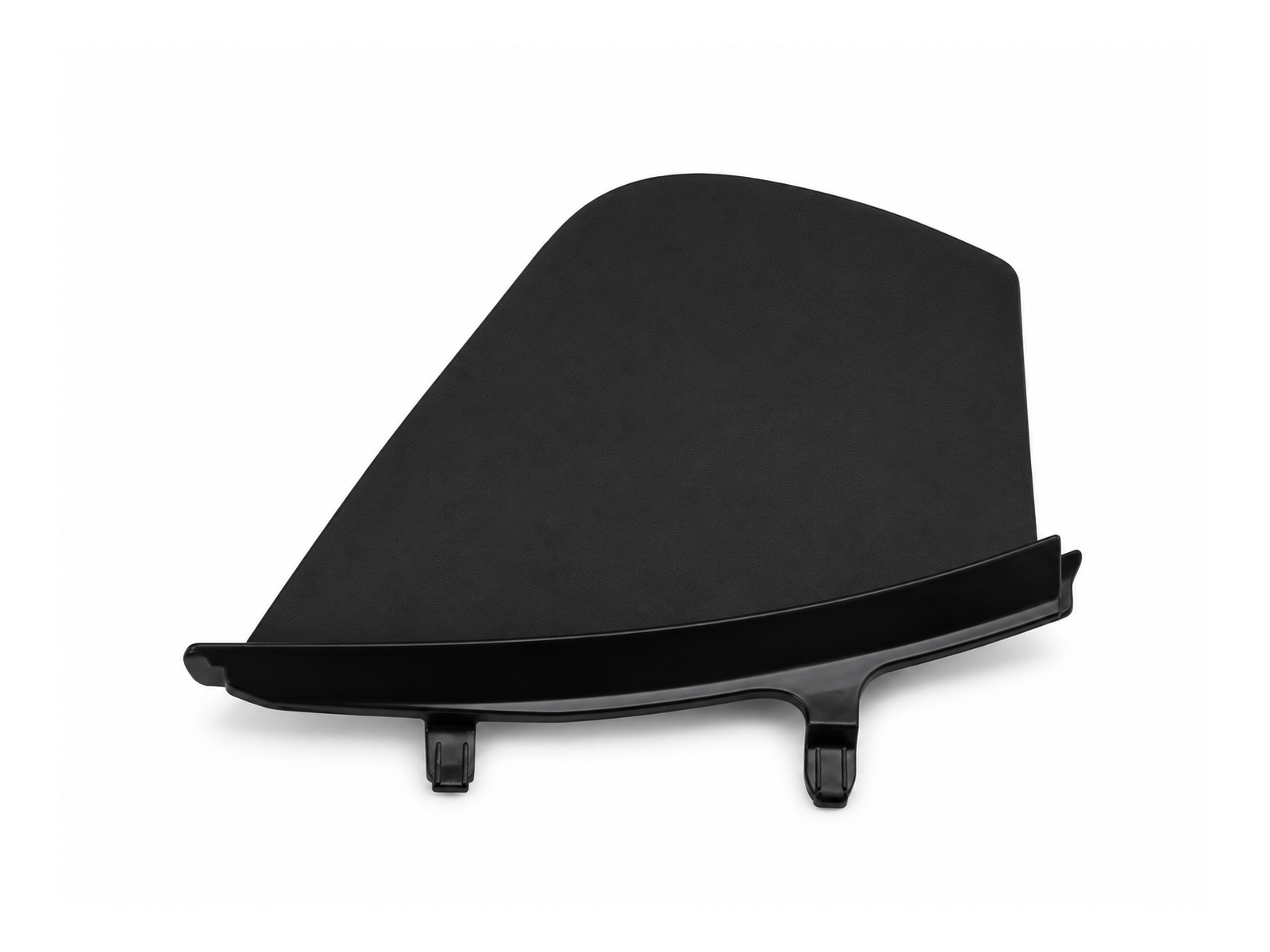
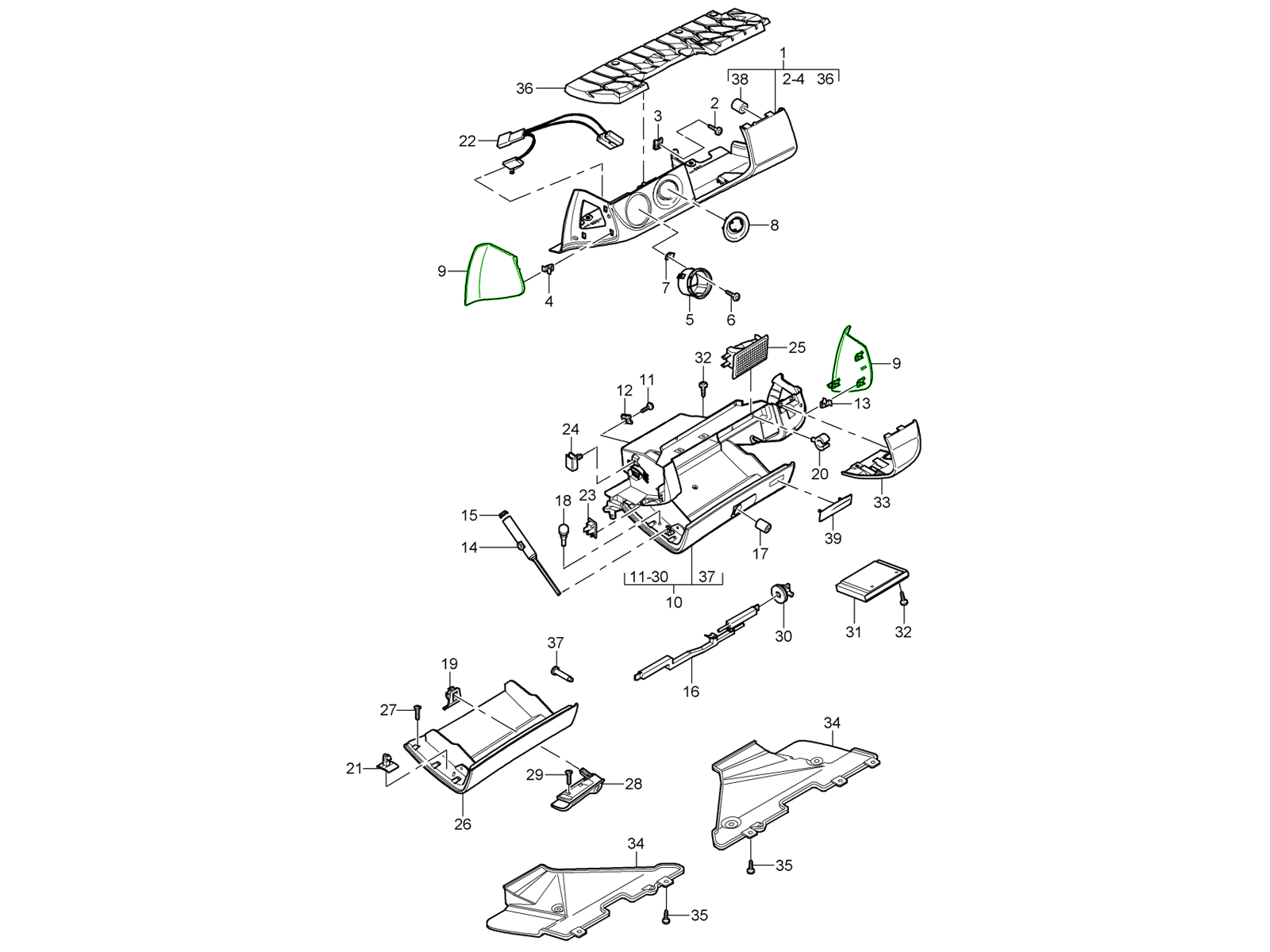

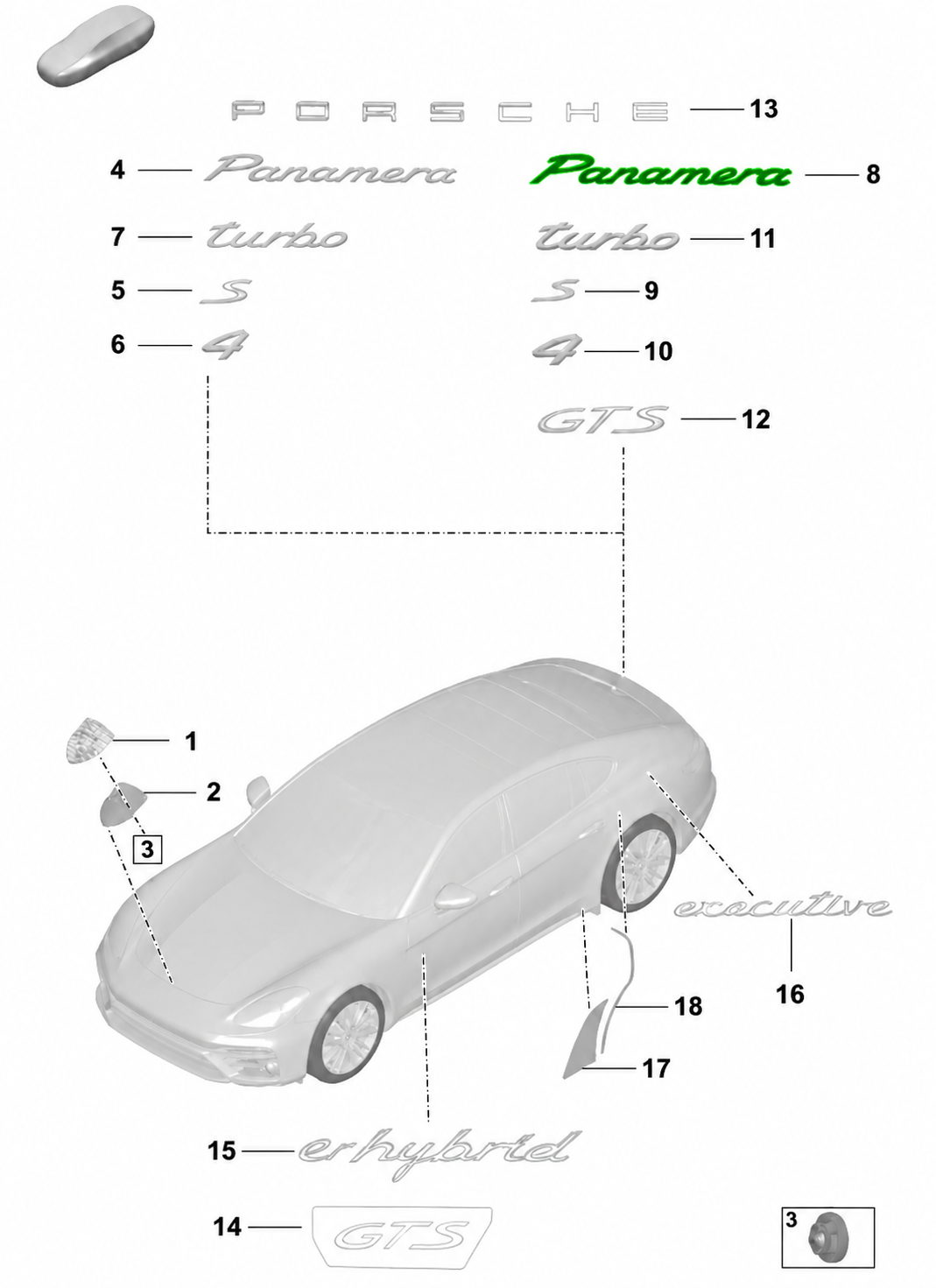
Porsche rear boot lid inscription,
Fits:
Porsche Panamera 971.2 2021 - 2024 e-Hybrid cars
Before ordering, confirm compatibility with your Porsche’s model, production year and engine.
What This Product Does
The inscription provides identifying lettering on the rear bodywork and forms part of the vehicle’s exterior detailing. Selecting the correct version helps retain the intended appearance when renewing a badge or completing body repairs.
Functions
- Provides rear exterior identification.
- Replaces absent or damaged lettering.
- Completes the boot lid’s decorative detailing.
Symptoms of Fault
- Faded lettering or a deteriorated surface.
- Scratched, bent or broken characters.
- Loose, uneven or missing badge sections.
Why Replacement Matters
Renewing a damaged inscription restores a complete appearance to the rear bodywork. Replacement may also be appropriate after repainting or panel repairs where the original lettering has been removed or damaged.
Related reference numbers
Related, superseded, cross reference or alternative numbers for comparison.
971853675
The product you are viewing cross references to these numbers
- Porsche 971.2 Panamera 4 E-Hybrid 2.9L V6 2021-23
- Porsche 971.2 Panamera 4 E-Hybrid Sport Turismo 2.9L V6 2021-23
- Porsche 971.2 Panamera 4S E-Hybrid 2.9L V6 2021-23
- Porsche 971.2 Panamera 4S E-Hybrid Sport Turismo 2.9L V6 2021-23
- Porsche 971.2 Panamera Turbo S E-Hybrid 4.0L V8 2021-23
- Porsche 971.2 Panamera Turbo S E-Hybrid Sport Turismo 4.0L V8 2021-23
Shop Securely
12 Month Warranty
Worldwide Delivery


Monday-Friday: 8.30am - 5.30pm (GMT)
Saturday: Closed
Sunday: Closed